Ask someone what they did in their free time yesterday, and you will get an answer shaped as much by who they are as by what their material realities are. My research, published recently in Leisure Studies and based on the National Statistical Office’s Time Use Survey (TUS) of India, 2024, set out to test a simple but under-examined idea: leisure in India is not just time left after work. It is a socially structured privilege, distributed unevenly along the lines of gender, caste, income, and education, much like everything else in Indian life.
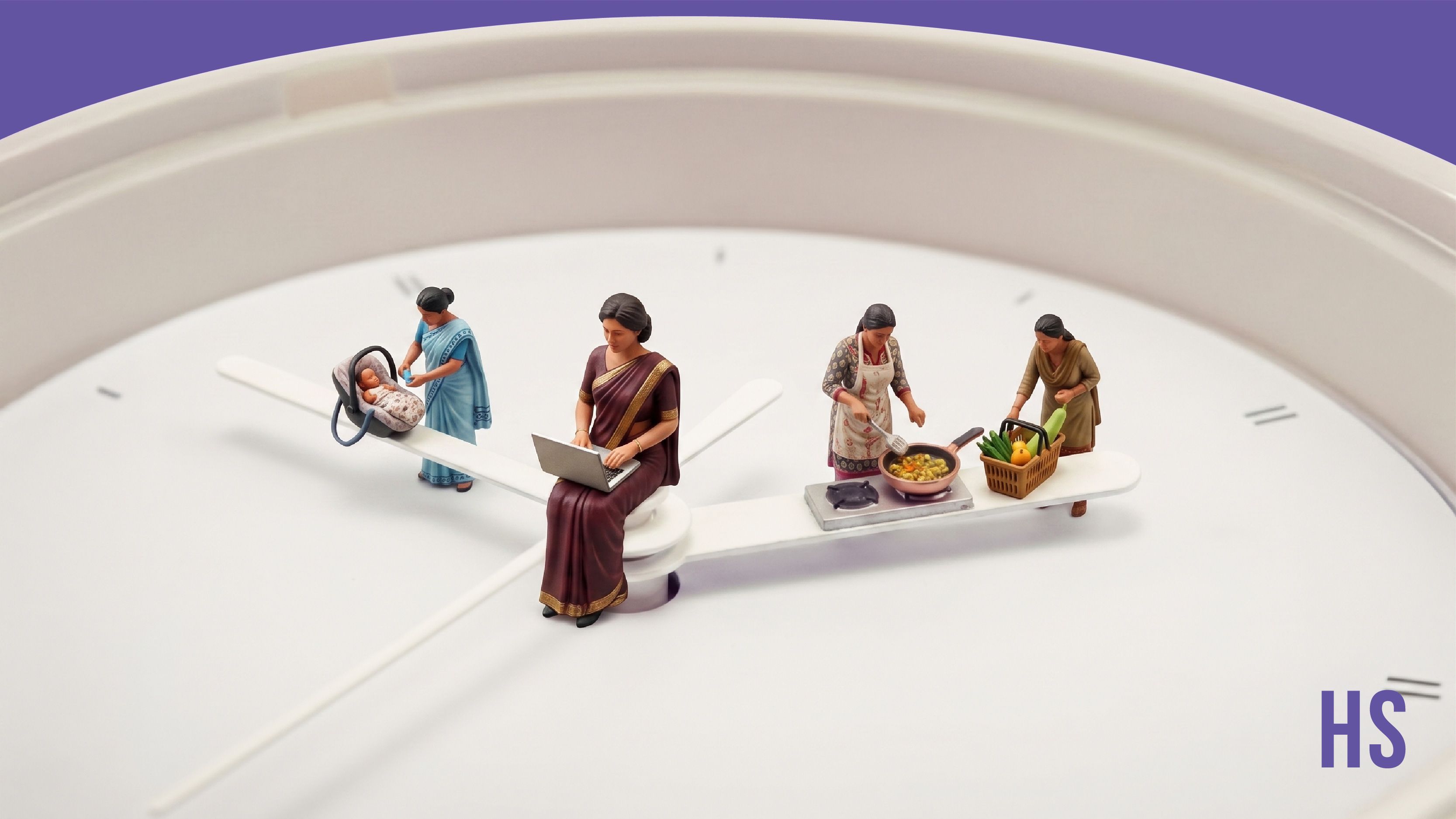
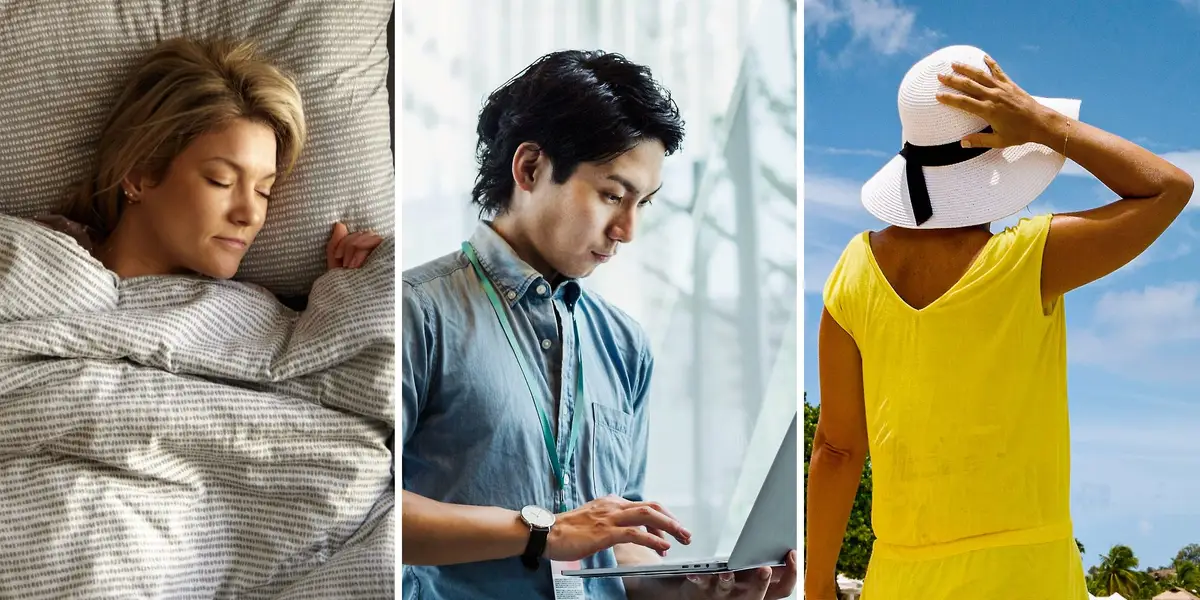
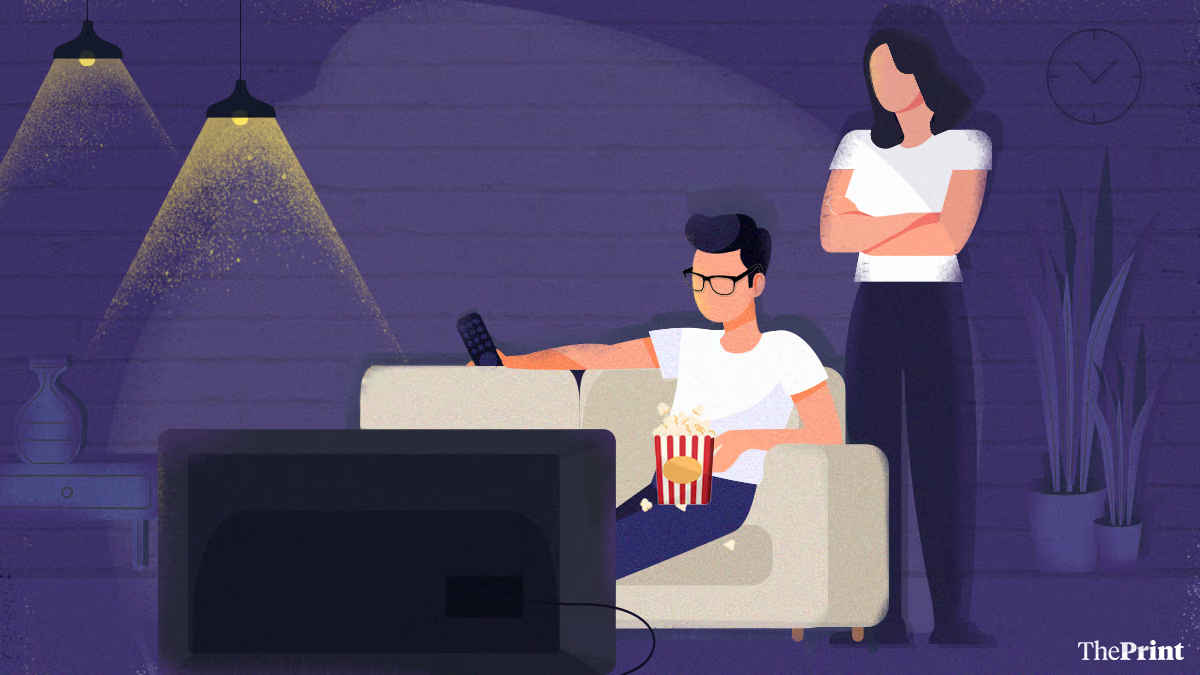
The finding that men and women don’t get equal rest will not surprise anyone who has watched how households actually run in India. But it is striking to see it confirmed in nationally representative data. Men are significantly more likely to spend their free time on active leisure, such as sports and exercise, and on hobbies. Women, by contrast, are more likely to be what I call “contemplators” and “recuperators”, people whose leisure time goes into praying, resting, reflecting, napping, and other forms of quiet recovery, along with watching television. The gap is not marginal. It shows up consistently, across income groups, across castes, and across the rural-urban divide, once every other factor is statistically accounted for. Leisure that doesn’t look like leisure