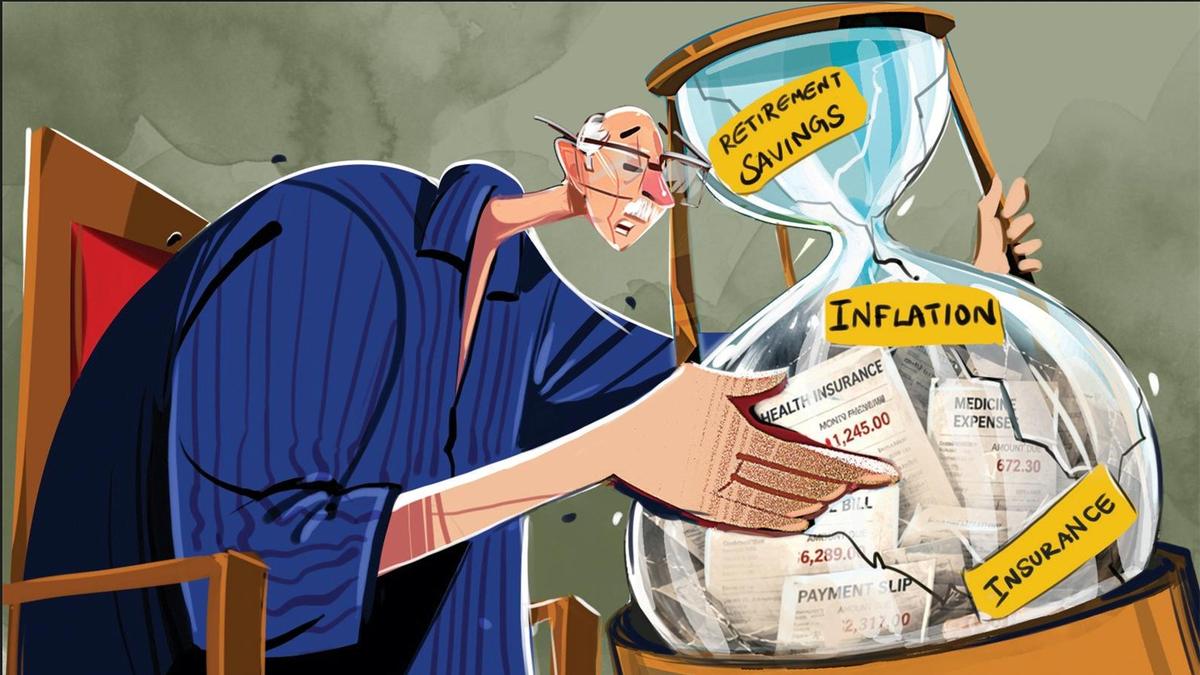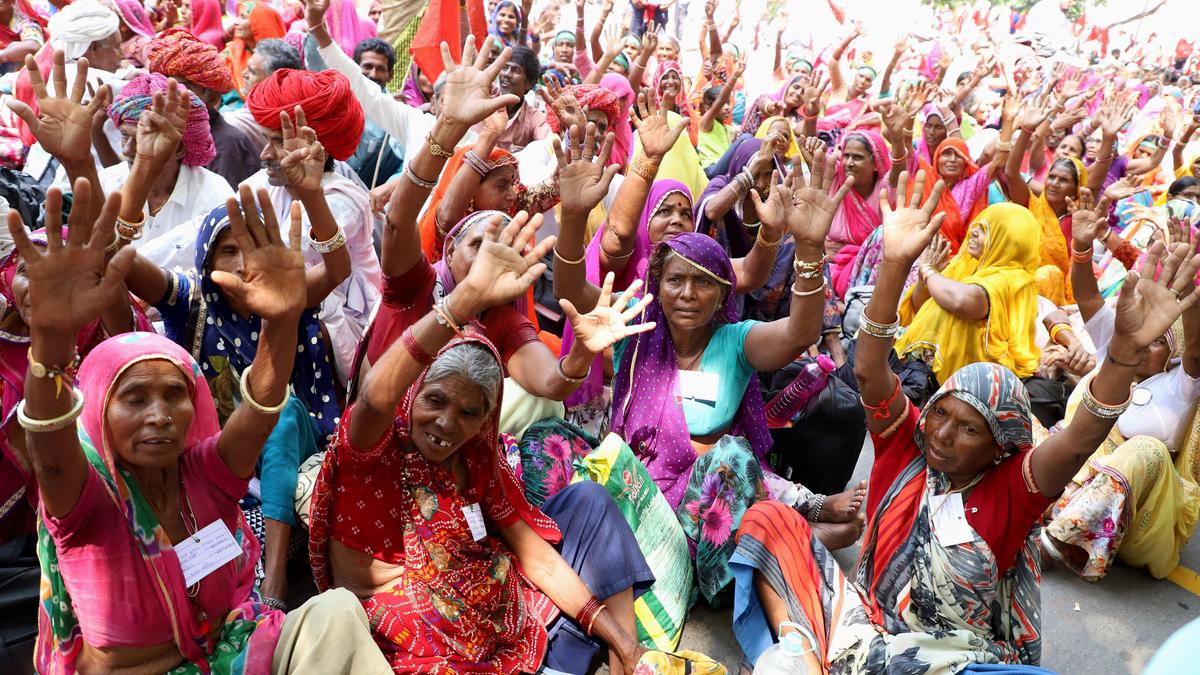
A number worth sitting with: India is home to more than 140 million citizens aged 60 and above. By 2050, that figure is projected to more than double. This is not a distant demographic curiosity. It is one of the fastest-moving structural shifts in the country, and most of the conversation around it still focuses on healthcare infrastructure and pension policy, not on the data emerging around isolation itself.
What the public health data actually shows
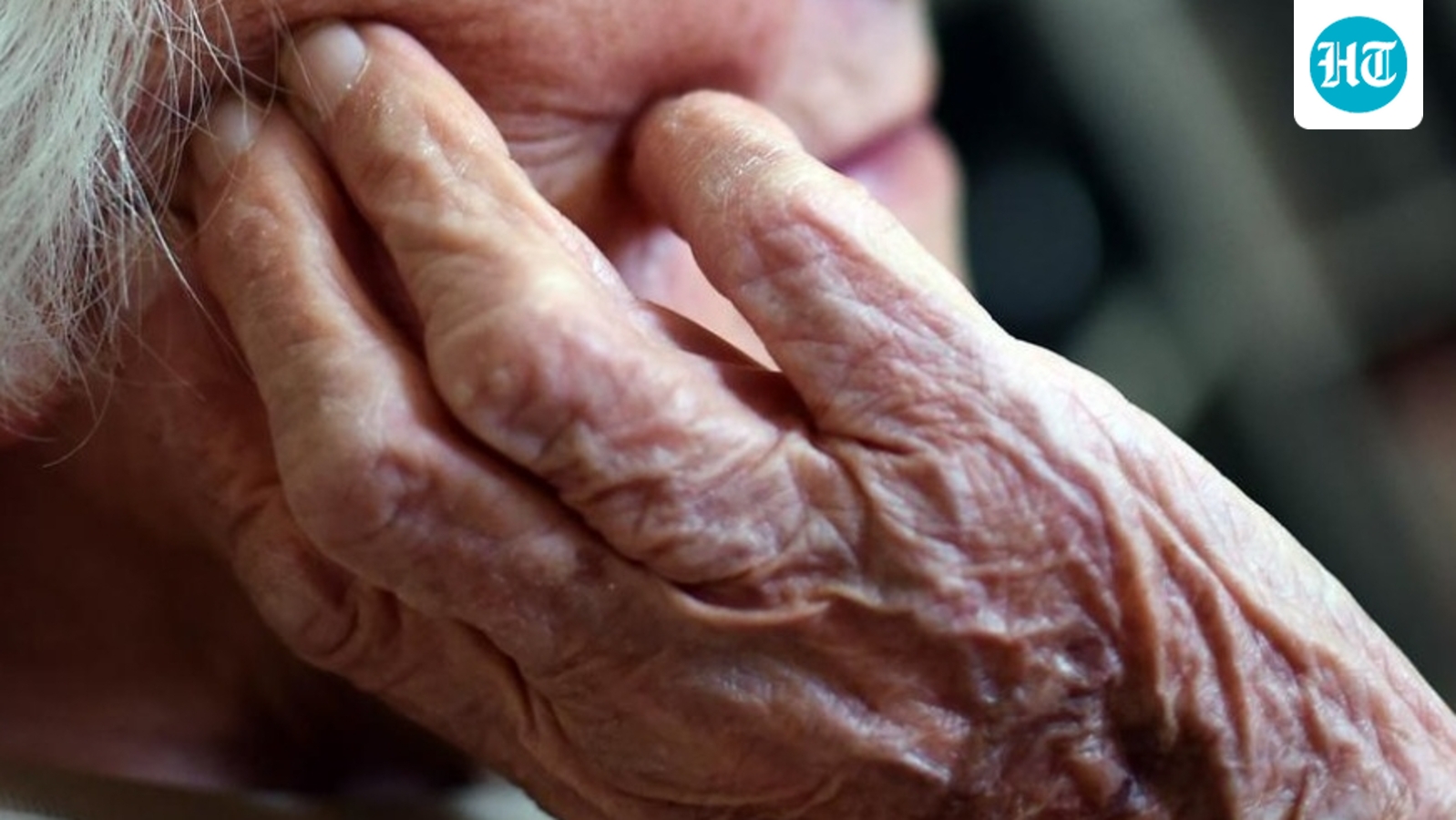
The World Health Organization has flagged chronic loneliness in older adults as a genuine public health concern, not a soft or sentimental issue. Multiple studies now link sustained social isolation in elderly populations to accelerated cognitive decline, comparable in some research to the health impact of smoking or obesity as a risk factor. This is a measurable, trackable variable, not an abstract feeling.
Layer onto that a second dataset: roughly 270 million people globally live away from their country of origin, with India's own diaspora accounting for more than 18 million of that number. Combine the two, and a clearer picture forms. A large and growing share of India's elderly population is ageing in households separated from their children, either by international migration or simply by the pull of jobs in other cities. The distance is geographic. The effect, according to the research, is physiological.