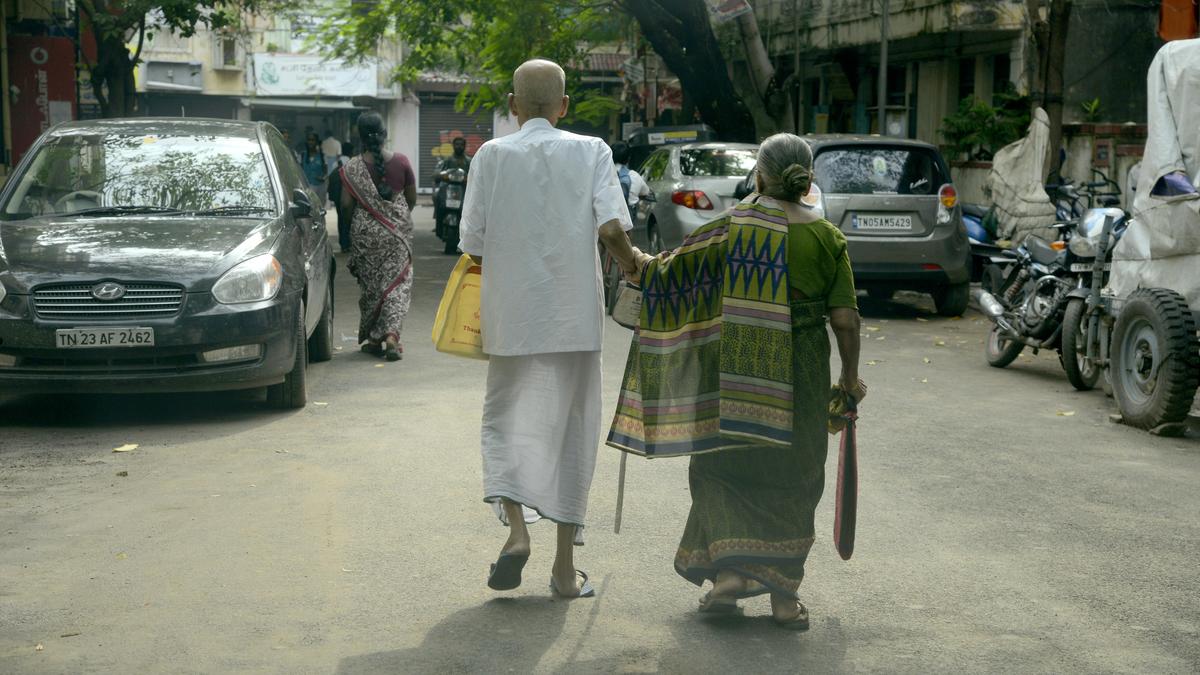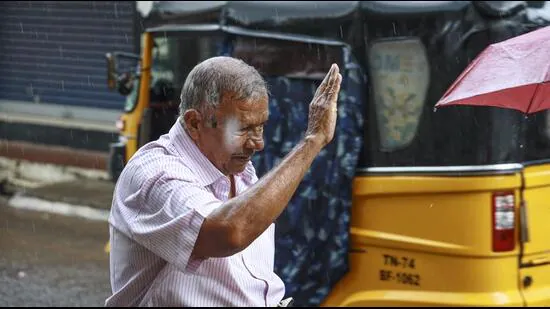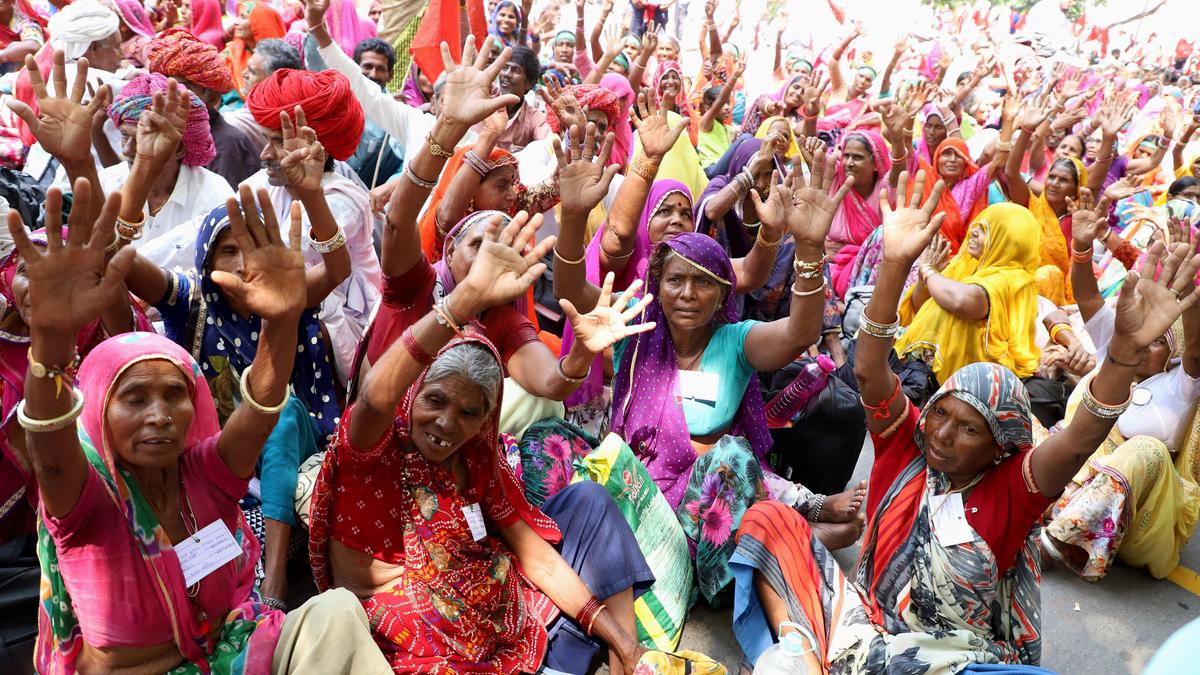
A file photo of senior citizens demanding universal social security scheme. While pension was the primary source of income for 49% of respondents, 16% reported having neither employment nor any source of income. The proportion of elderly persons without work or income increased from 11% among those aged 60-69 years to 21% among those aged over 80 years.
| Photo Credit: Photo for representation only
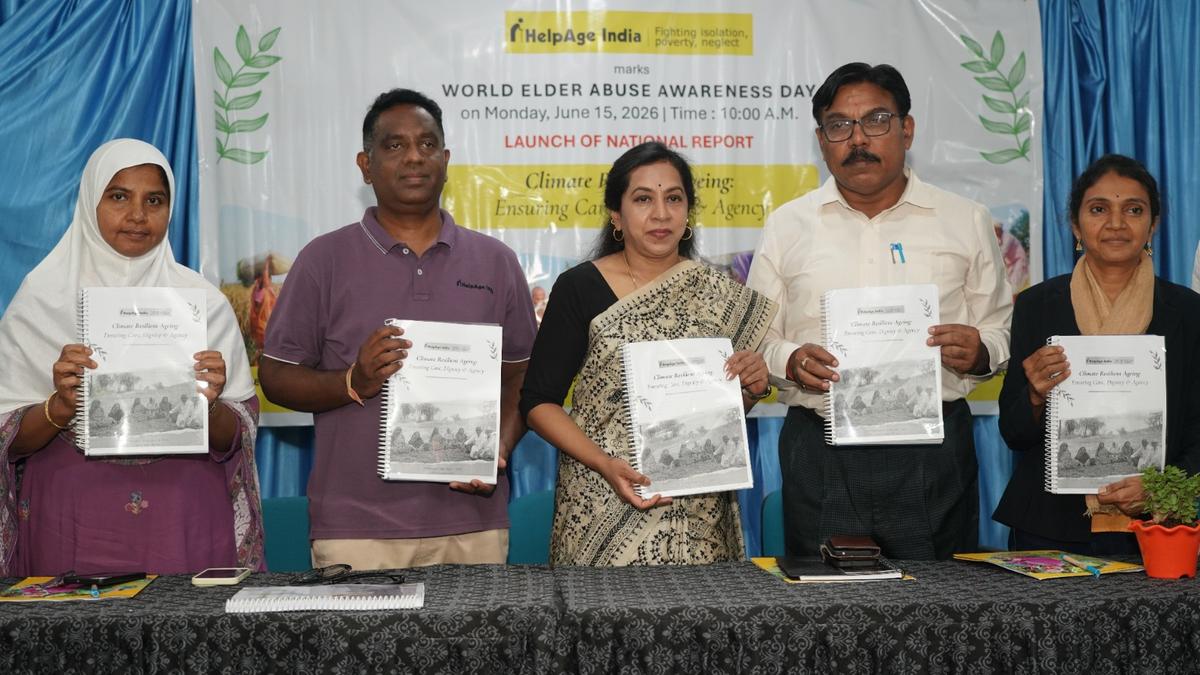
Older persons in rural India are increasingly bearing the brunt of climate change, with heatwaves, floods and droughts compounding existing challenges of poor health, financial insecurity, and social isolation, according to a study released by HelpAge India on June 15.The report, Climate Resilient Ageing - Ensuring Care, Dignity and Agency, released in Bengaluru on World Elder Abuse Awareness Day, surveyed 2,224 elderly persons across 20 districts in 10 States, including Karnataka. It found that 78% of respondents had experienced at least one climate-related hazard in the last three years, with heatwave (45%), flood (27%) and drought (20%) being the most commonly reported events.More than one-third of those affected said climate events had a moderate to severe impact on their lives. The study noted that older persons living alone, widows, those aged over 80 years, and individuals with cognitive, communication or mental health difficulties faced disproportionately higher risks.Heat stressHeat stress emerged as a major concern. Nearly 60% of respondents said their homes were not fully safe during extreme heat conditions. While 90% reported staying indoors, and 81% increased water intake during heatwaves, 74% experienced illness, and 44% reported worsening of existing health conditions. One-third said accessing healthcare became more difficult during such periods.The study highlighted significant health and economic vulnerabilities. Nearly half of the respondents reported long-term impairments, mainly related to mobility (32%) and vision (24%). More than half (52%) said they were unable to afford essential medicines.Government healthcare facilities continue to be the primary source of medical care, with 51% relying on Primary Health Centres, and 49% on government hospitals.Family supportFamily support remains the backbone of elderly care, the report found. About 73% of respondents lived with children or relatives, while 94% of those requiring care received support from family members. Sons, spouses and daughters-in-law were the main caregivers.However, migration is placing increasing strain on these support systems. Nearly 18% of households reported that a family member had migrated for work, with sons accounting for three-fourths of such migration. Among older persons living alone, 38% depended on neighbours for care, while 16% reported receiving no support at all.Community support systems were found to be weak. Only one-third of respondents said community assistance was always available when needed, while a quarter reported that support was rarely or never available.Economic insecurityEconomic insecurity also remains widespread. While pension was the primary source of income for 49% of respondents, 16% reported having neither employment nor any source of income. The proportion of elderly persons without work or income increased from 11% among those aged 60-69 years to 21% among those aged over 80 years.The study found high awareness of welfare programmes such as the Public Distribution System, pension, subsidised healthcare and housing schemes. However, barriers, including poor health, lack of education, long waiting periods and digital access challenges, continued to affect access to benefits.HelpAge India Chief Executive Officer Rohit Prasad said older persons remained largely invisible in climate adaptation and disaster response efforts despite being among the most vulnerable groups.The report called for integrating ageing concerns into climate adaptation policies, strengthening social protection measures, improving access to healthcare and welfare services, and building stronger family and community support systems to help older persons cope with increasing climate-related risks. Published - June 15, 2026 04:25 pm IST