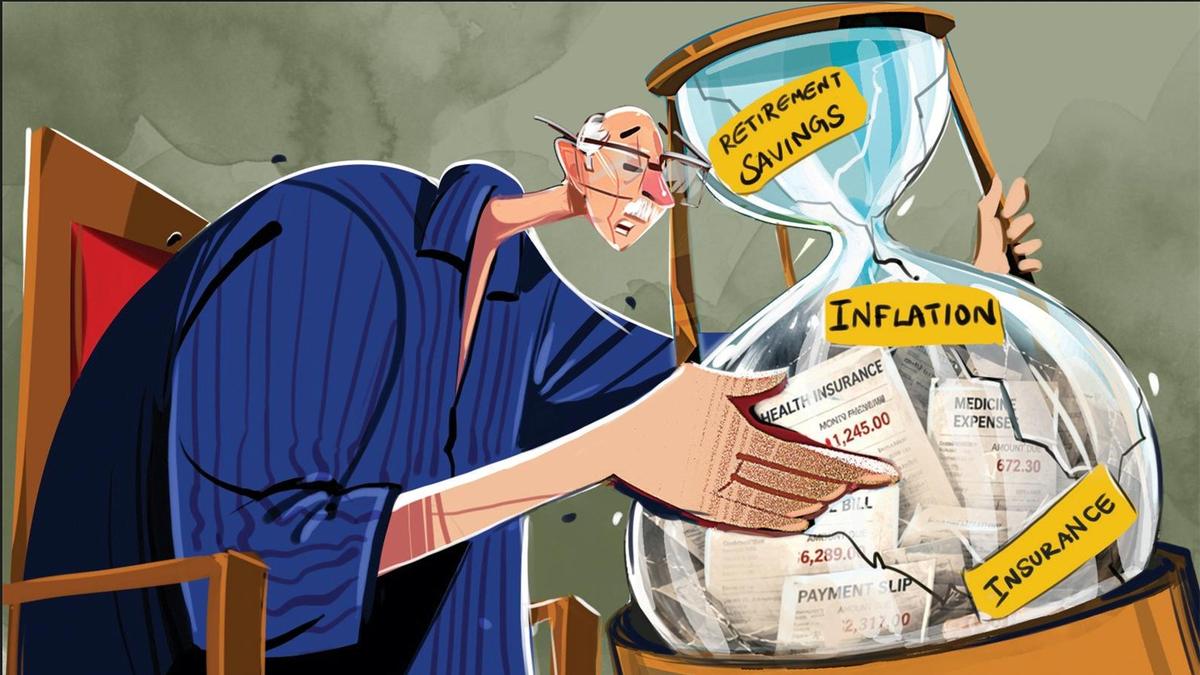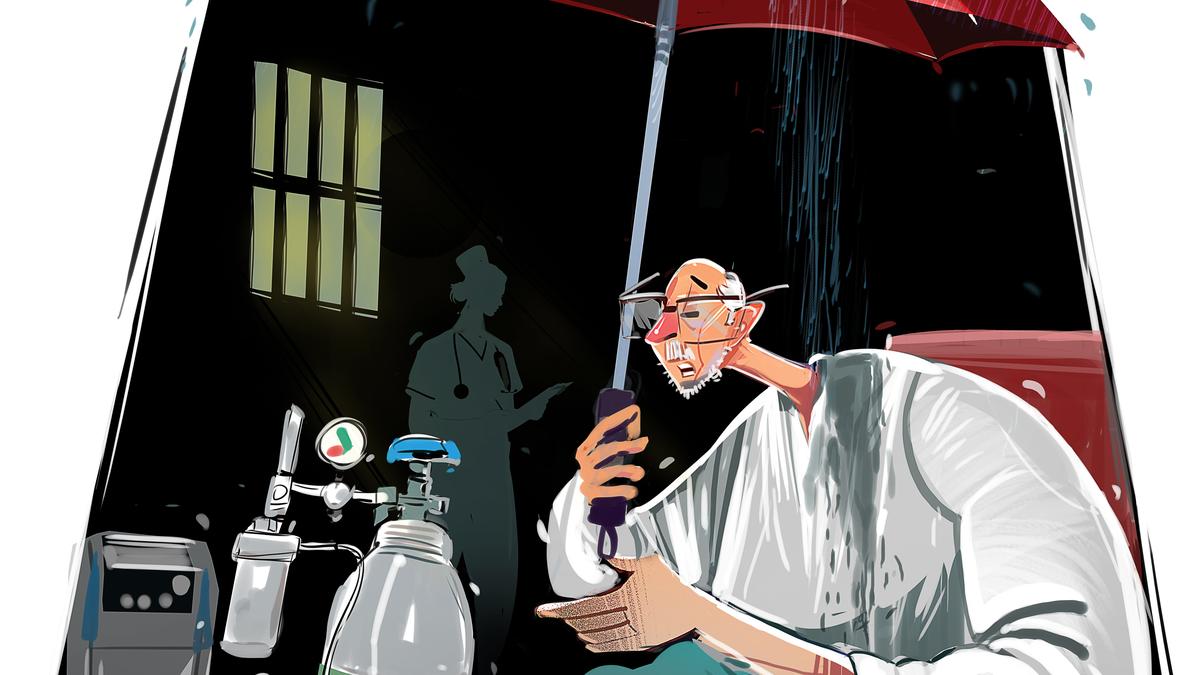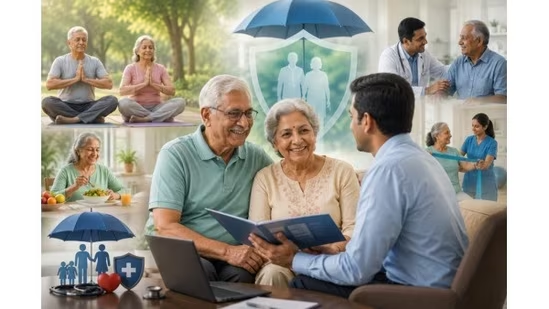
The elderly population in India is currently at risk of depleting their savings for two main reasons: a lack of income and medical inflation. Adding to this is another major challenge to the economy: the demographic imperative in India, which indicates steady growth in the elderly population, placing immense pressure on healthcare systems and social support structures.Modern health insurance support holistic wellness for senior citizens in IndiaTo address this grave challenge, modern senior-citizen health insurance is transitioning to hybrid plans that integrate essential long-term care and innovative non-medical services to provide comprehensive, well-connected preventive care.This article will delve into the complexities of elderly healthcare in urban India and how modern health insurance providers are addressing the healthcare needs of senior citizens.Senior Health 3.0: Emergence as a top priority for health insurersTo meet the increasing and multifaceted needs of older adults, contemporary health insurance is shifting from the conventional, reactive Health 1.0 framework toward a comprehensive, preventive strategy known as Senior Health 3.0.To clarify this transition, it is helpful to distinguish between these two foundational models:While Health 1.0 focused solely on disease treatment, Health 2.0 introduced digital information sharing through electronic records.Senior Health 3.0 represents a proactive, holistic evolution. This new approach moves beyond treating sickness to fostering physical, mental, and social wellness.This new approach also leverages modern digital technologies, such as AI, the Internet of Things (IoT), and personalised digital healing networks.Senior citizen health insurance: Focus on holistic wellness & preventive careModern health insurers such as Care Health Insurance are shifting their focus from treating illness alone to promoting overall well-being and longevity. They achieve this by redesigning their senior-citizen health insurance plans to cover some vital non-medical services. Here are four crucial aspects of elderly healthcare that are being addressed by modern health insurance plans:Preventive screenings: Free annual health check-ups, cancer screenings, and bone density assessments are integrated as base benefits to catch age-related conditions early, thereby reducing the need for costly, intensive treatments later.Holistic wellness programs: Plans increasingly include initiatives such as nutritional counselling, weight management, and fitness programs (including discounts on gym memberships or classes like yoga and tai chi) to encourage healthier lifestyles.Mental health inclusion: Coverage is expanding to include psychiatric care, therapy, and counselling, recognising the importance of mental well-being for seniors who may face issues like dementia, depression, or anxiety.Alternative treatments: Many senior citizens in India prefer holistic treatment practices such as Ayurveda or naturopathy over allopathy. Leading health insurers are therefore emphasising coverage for AYUSH (Ayurveda, Yoga, Unani, Siddha, and Homoeopathy), catering to seniors who prefer traditional approaches to health.The four aspects mentioned above are integral parts of comprehensive senior health coverage. Traditionally, they were not covered by any family health insurance plan. However, leading health insurers are gaining an edge by including them as coverage benefits in their senior-citizen health insurance plans.Emphasis on chronic disease managementSenior citizens are quite vulnerable to multiple chronic conditions such as asthma, hypertension, cholesterol and diabetes. Modern health insurance plans emphasise providing targeted, ongoing support to senior citizens:Chronic disease management programs: These specialised programs offer integrated care, targeted support, and reduced costs for medications and diagnostics.Outpatient department (OPD) coverage: Leading health insurance providers recognise the growing healthcare needs of senior citizens, including routine check-ups, doctor consultations, and diagnostic tests. Accordingly, senior-citizen health insurance plans are designed to cover procedures that do not require a 24-hour hospital stay. Modern health insurance policies, therefore, cover OPD expenses, which were traditionally excluded.Covering these two vital components of chronic disease management makes modern senior-citizen health insurance policies a perfect wellness partner for your ageing parents.Ensuring financial security: Policy pricing & flexibilityWithin your budgetary constraints, your elderly parents need the most reliable healthcare services. So, to cope with the challenges of medical inflation and the high risk profile of senior citizens, new health insurance policy structures are being adapted that feature the following aspects:More customisation: Policies are becoming flexible, allowing customisation based on the senior's specific health condition and financial status.High sum insured: Given the escalating costs of critical illnesses such as heart surgery and cancer, a high Sum Insured (typically ₹10 lakhs or more) is recommended to prevent the rapid depletion of retirement savings.Reduced waiting periods: Regulatory reforms are facilitating quicker access to treatment by mandating shorter waiting periods for Pre-Existing Diseases (PEDs). Accordingly, health insurance plans offer benefits such as waiting-period modifications for certain slow-growing diseases.Incentives and Bonuses: Plans offer rewards such as No Claim Bonuses (NCB) and unlimited automatic recharge of the sum insured, making coverage more affordable than ever.These are some of the new-age benefits offered by health insurers to enhance the scope of coverage in senior-citizen health insurance.To sum upThe shift to Senior Health 3.0 marks a vital evolution in addressing the complex needs of India's elderly population. By moving beyond traditional disease treatment, modern health insurance plans are creating comprehensive coverage centred on three pillars: holistic wellness and preventive care, specialised chronic disease management, and robust financial security.This integrated approach, which leverages technology and offers flexibility in policy pricing and benefits, ensures that senior citizens can access comprehensive, proactive support, safeguarding both their health and their savings against medical inflation.Note to readers: This article is part of HT's paid consumer connect initiative and is independently created by the brand. HT assumes no editorial responsibility for the content, including its accuracy, completeness, or any errors or omissions. Readers are advised to verify all information independently.Want to get your story featured as above? click here!
How does modern health insurance support holistic wellness for senior citizens in India?
India's elderly are increasingly at risk due to medical inflation and low income. Health insurers are transitioning to Senior Health 3.0
907 words~4 min read