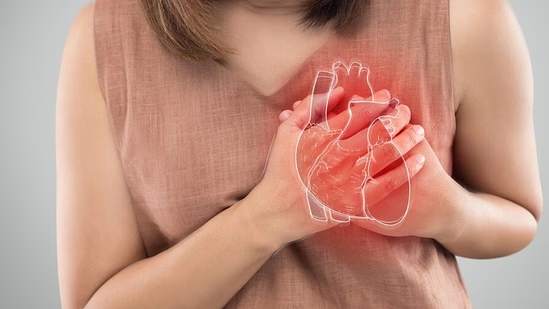
Why more young Indians are facing heart disease risks todayIndia is often called the diabetes and hypertension capital of the world1, but another silent epidemic is spreading just as rapidly, heart disease. Cardiovascular diseases today account for nearly one-third of all deaths in the country2, affecting not only the elderly but also a growing number of young adults in their 30s and 40s. Fast-paced lifestyles, changing food habits, stress, limited physical activity, pollution and low awareness around heart health are contributing to a growing risk of heart-related conditions among Indians. Traditionally, heart disease was associated with ageing. However, modern India is witnessing a disturbing trend: younger people suffering from heart attacks, strokes and cardiac arrests. Doctors across the country have reported increased cases among working professionals, students and even fitness enthusiasts. While genetics may play a role, lifestyle choices remain the biggest contributor.One of the primary causes behind poor heart health in India is sedentary lifestyle. Urbanisation and digital dependence have significantly reduced physical activity. Many people spend long hours sitting at desks, travelling in traffic or using mobile devices, leaving little room for exercise. Even children are becoming less active, preferring screens over outdoor play. This inactivity contributes to obesity, high cholesterol, diabetes, and hypertension, all major risk factors for heart disease.Dietary habits are another serious concern. Indian cuisine, though diverse and flavourful, often contains excess oil, salt, sugar and refined carbohydrates. Processed foods, sugary beverages, fried snacks and fast food have become common, especially among younger generations. Excessive consumption of trans fats and sodium can lead to clogged arteries and increased blood pressure, weakening the cardiovascular system over time.Stress has also emerged as a silent killer. The pressure to succeed academically, professionally and financially has increased anxiety levels across age groups. Chronic stress triggers hormonal changes that raise blood pressure and heart rate, increasing the risk of heart attacks. In metropolitan cities, irregular sleep patterns and work-life imbalance further aggravate the problem.Smoking and alcohol consumption continue to endanger heart health. Tobacco damages blood vessels, reduces oxygen supply and significantly increases the risk of coronary artery disease. Passive smoking is equally harmful. Excessive alcohol intake, meanwhile, weakens heart muscles. Despite repeated warnings, many young people underestimate these risks.The good news is that most heart diseases are preventable. Small but consistent lifestyle changes can significantly reduce risk and improve overall well-being. Regular physical activity is one of the most effective ways to maintain a healthy heart. Experts recommend at least 30 minutes of moderate exercise five days a week. Walking, cycling, swimming, yoga or even simple stretching exercises can improve circulation, control weight and strengthen the heart.A balanced diet is equally important. Indians must shift towards healthier eating habits by increasing intake of fruits, vegetables, whole grains, nuts and lean proteins. Reducing fried foods, packaged snacks and sugary drinks can make a major difference. Traditional home-cooked meals, when prepared with less oil and salt, are far healthier than processed alternatives. Portion control is also essential, as overeating places extra strain on the body.Managing stress should become a priority in modern life. Meditation, mindfulness, spending time with family, pursuing hobbies and maintaining proper sleep schedules can help improve mental and cardiac health. Schools and workplaces should encourage wellness programmes and mental health awareness to reduce stress-related illnesses.Regular medical check-ups are crucial, especially for individuals with a family history of heart disease, diabetes or high blood pressure. Monitoring cholesterol, blood sugar and blood pressure levels can help detect problems early. Preventive healthcare should become a habit rather than a response to illness. Public awareness campaigns and affordable health screenings can play a vital role in reducing cardiac deaths across the country.India also needs stronger awareness at the community level. Many people still believe heart disease affects only older men, whereas women are equally vulnerable. Symptoms in women are often different and therefore overlooked. Educational campaigns through schools, media and healthcare institutions can help people recognise warning signs early and adopt healthier lifestyle.India stands at a critical moment where lifestyle diseases are rising rapidly alongside economic progress. If awareness is not increased now, the country could face an even greater health crisis in the coming decades. A healthy population is the foundation of a strong nation, and protecting heart health must become a collective mission.The message is simple yet urgent: listen to your heart before it is too late.This article has been contributed by Dr. Sameena Khalil, MBBS, MD(MED), DNB(Cardiology), Consultant Cardiologist. References: https://www.jrmds.in/articles/india-the-diabetes-capital-now-moving-towards-hypertension-97329.htmlhttps://www.who.int/health-topics/cardiovascular-diseasesDisclaimer: The views and opinions expressed in the story are independent professional judgments of the doctors/experts, and TIL does not take any responsibility for the accuracy of their views. This should not be considered a substitute for medical advice. Please consult your treating physician for more details. This article has been produced on behalf of Emcure Pharmaceuticals by Times Internet’s Spotlight team.
Why more young Indians are facing heart disease risks today
India is often called the diabetes and hypertension capital of the world1, but another silent epidemic is spreading just as rapidly, heart disease. Cardiovascular diseases today account for nearly one-third of all deaths in the country2, affecting not only the elderly but also a growing number of young adults in their 30s and 40s.
802 words~4 min read