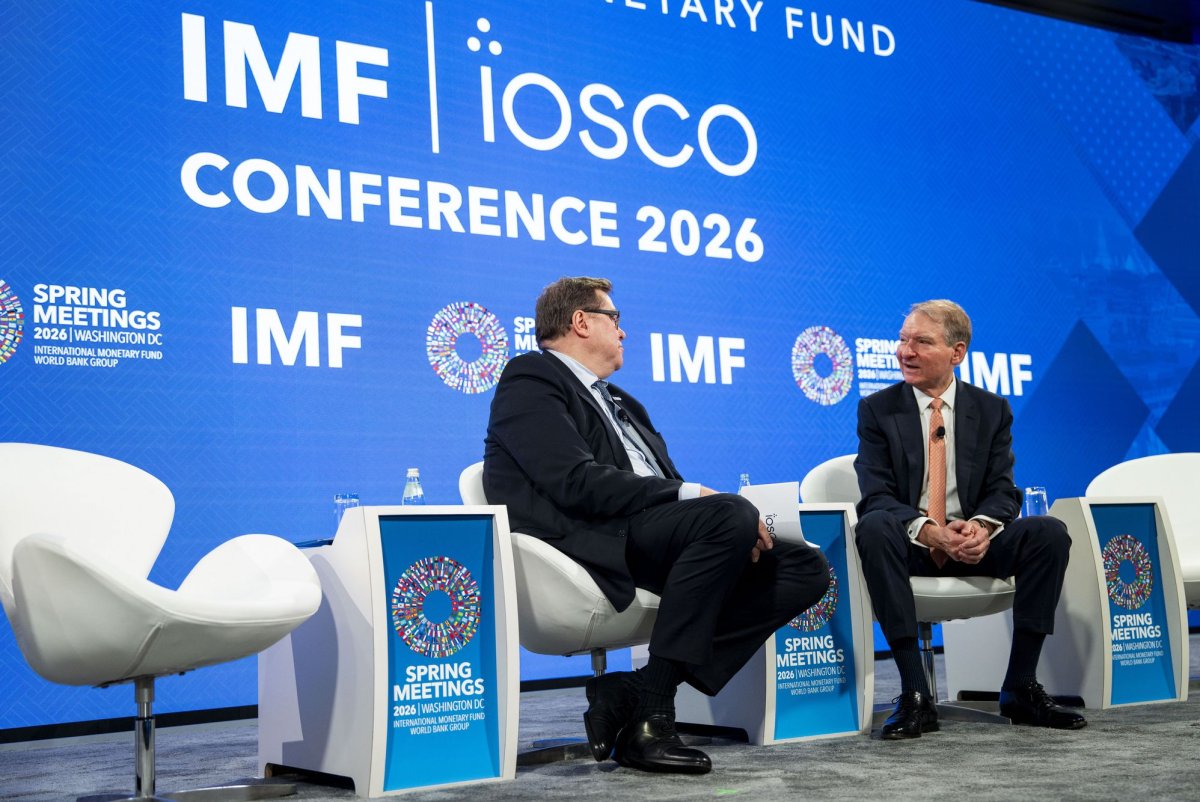
The International Monetary Fund (IMF) has issued a warning that the global economy is projected to slow significantly in 2026, citing disruptions in energy supply chains and rising inflation due to conflict with Iran. The IMF anticipates global growth of 3.1% in 2026, down from previous projections of 3.4%. This downturn is influenced by a 19% increase in energy prices and the closure of the Strait of Hormuz, a crucial global oil shipping route. Markets are reacting to these developments, with implications for monetary policy in the United States, particularly regarding potential Federal Reserve rate cuts.
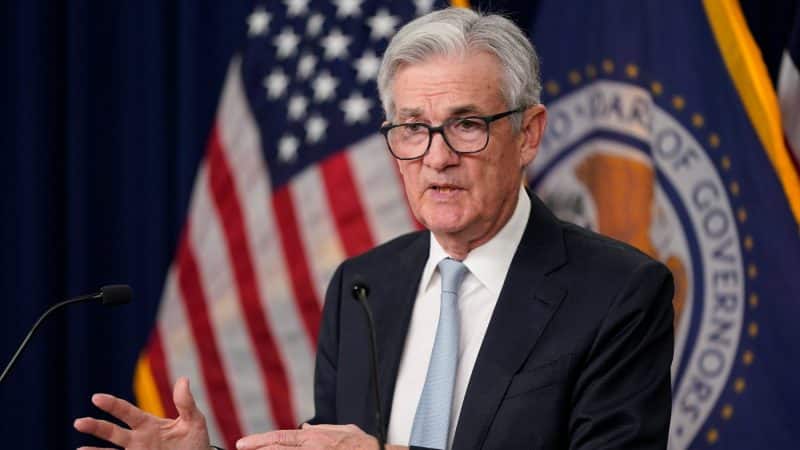
Fed rate cuts predictions for 2026 are currently at 78% YES for no cuts, with market dynamics suggesting a reconsideration of the likelihood of monetary easing. As energy prices surge and inflation pressures mount, market participants are increasingly weighing the possibility of rate adjustments by the Federal Reserve. This economic outlook is creating shifts in prediction markets, reflecting expectations of policy responses to address the economic challenges posed by the Iran war.
The prediction market for Fed rate decisions appears to indicate a cautious stance, with the majority of participants currently not expecting rate cuts in 2026. However, the IMF’s projections could influence future market sentiment as economic conditions evolve. The potential for increased monetary policy flexibility in response to the economic slowdown remains a topic of speculation among market observers.