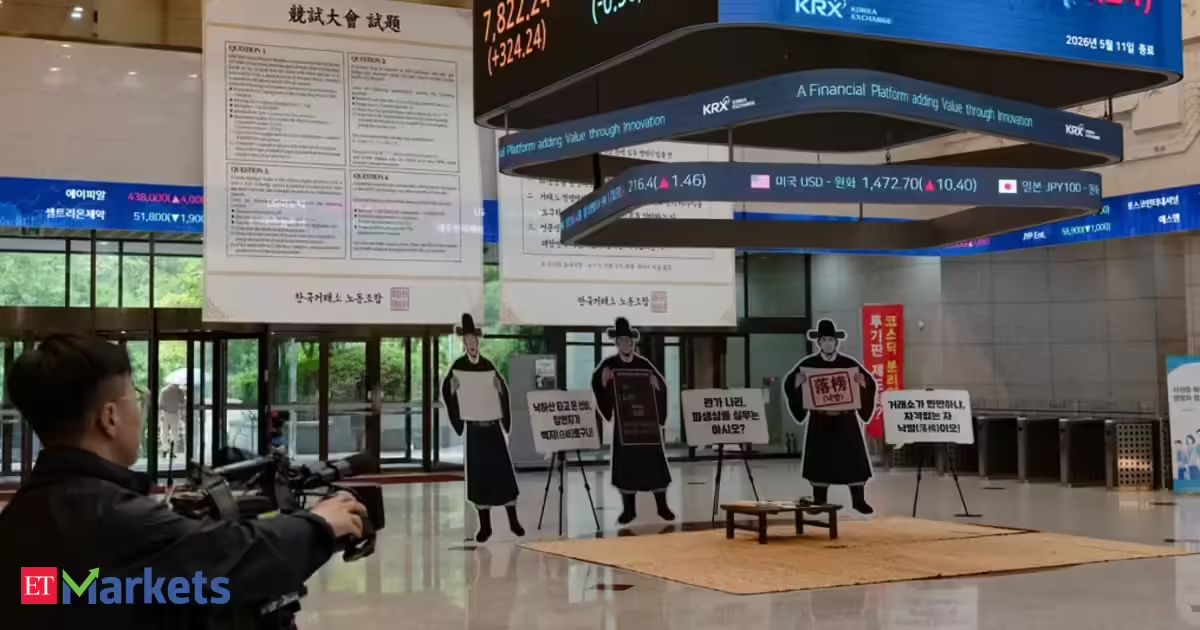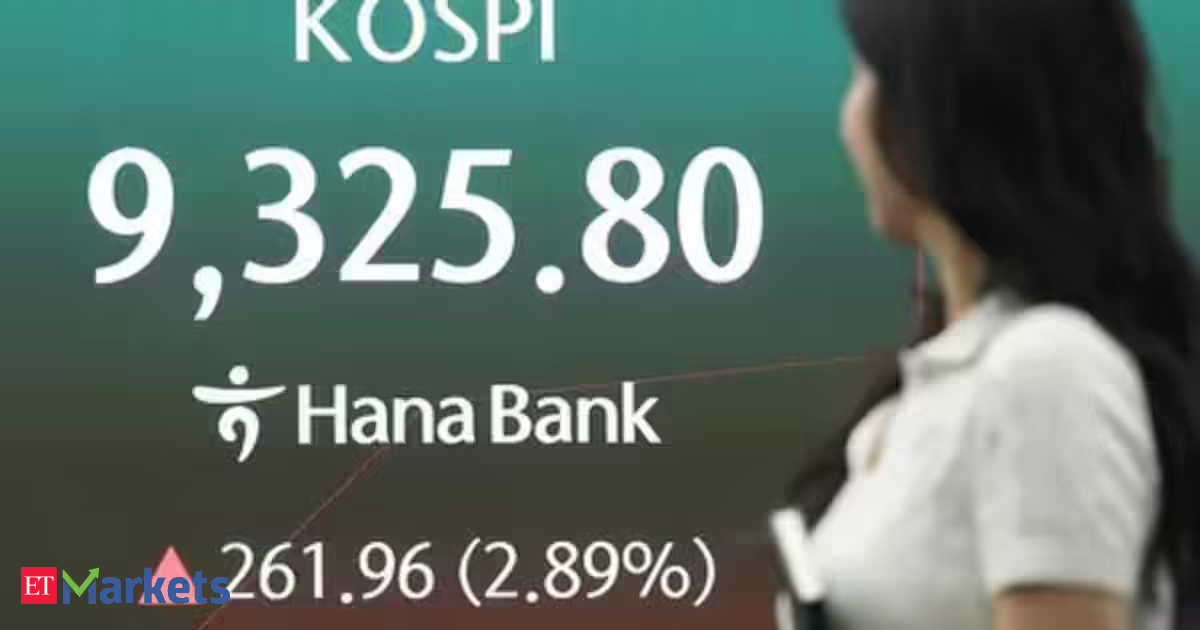
South Korea’s benchmark KOSPI index officially entered bear market territory on July 8, crashing as much as 5.7% in a single session and wiping out months of gains fueled by the global AI frenzy. The index has now declined more than 20% from its record high of roughly 9,385 points, set barely three weeks earlier on June 19.
The chip problem at the center of everything
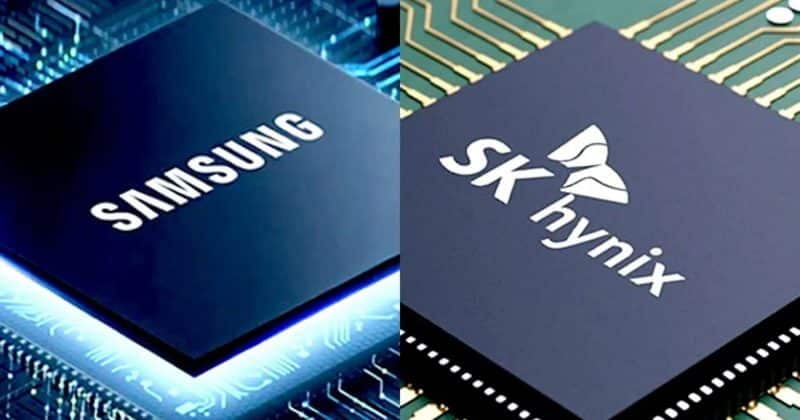
The sell-off wasn’t random. It was surgically concentrated in the two companies that essentially are the South Korean stock market: Samsung Electronics and SK Hynix. Both stocks dropped 6-7% on July 8. Together, these two chipmakers account for nearly half of the KOSPI’s total market capitalization.
The irony is thick. Samsung just reported a 19-fold increase in quarterly profits. In most universes, that would be cause for celebration. In this one, traders looked at those numbers and decided to sell anyway. Investors are increasingly worried that the explosive growth in AI infrastructure spending might be approaching a plateau, or worse, that memory chip production could tip into oversupply territory.
South Korea announced an $880 billion investment plan in chips and AI in late June, essentially betting the country’s economic future on the sector. That kind of commitment makes the KOSPI’s fortunes almost entirely dependent on AI demand trajectories.