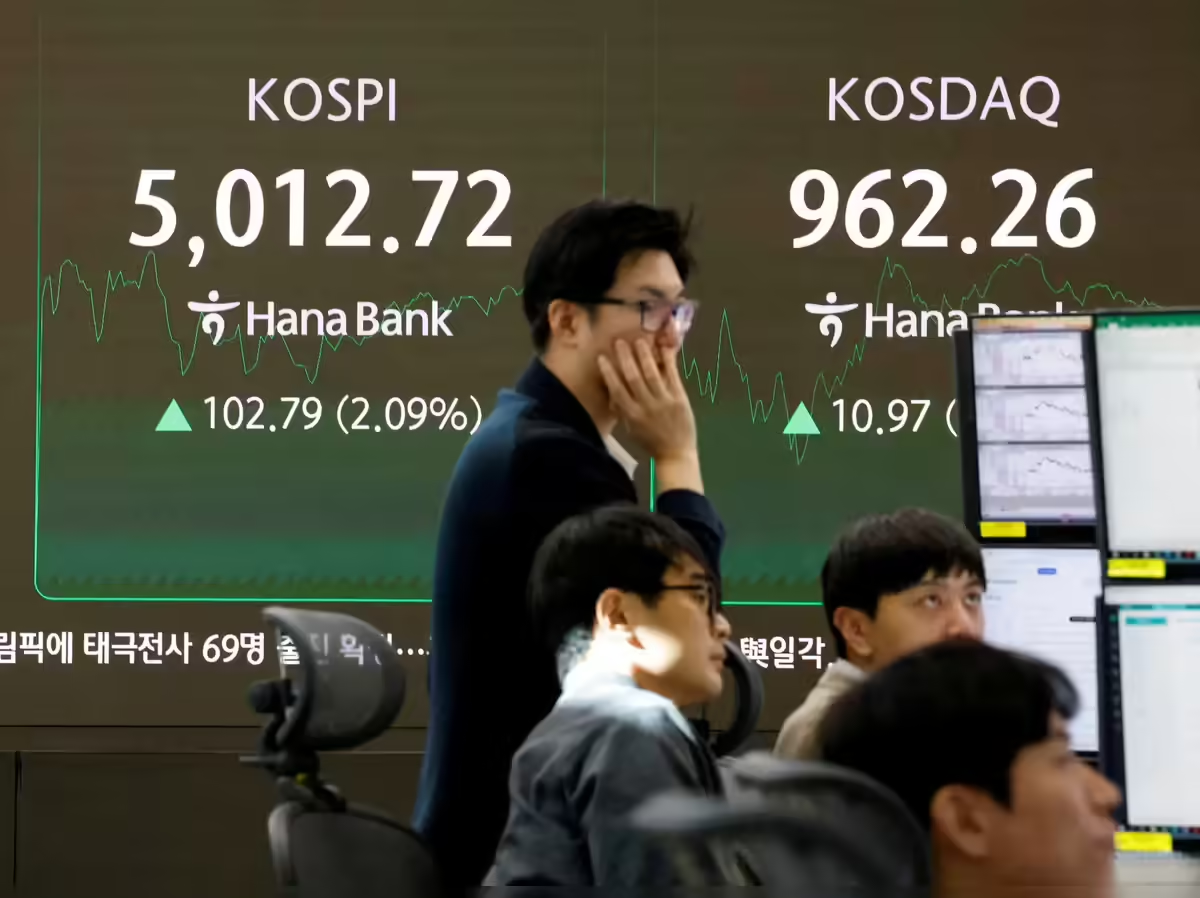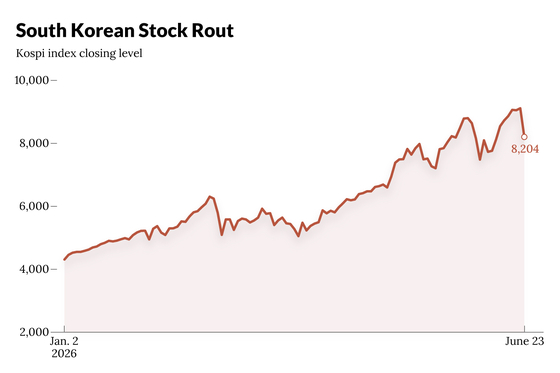
South Korea’s stock market just had its worst day in recent memory. The KOSPI index cratered more than 8% on June 23, hitting a low of roughly 9.1% intraday, severe enough to trigger a Level 1 circuit breaker that halted trading for 20 minutes.
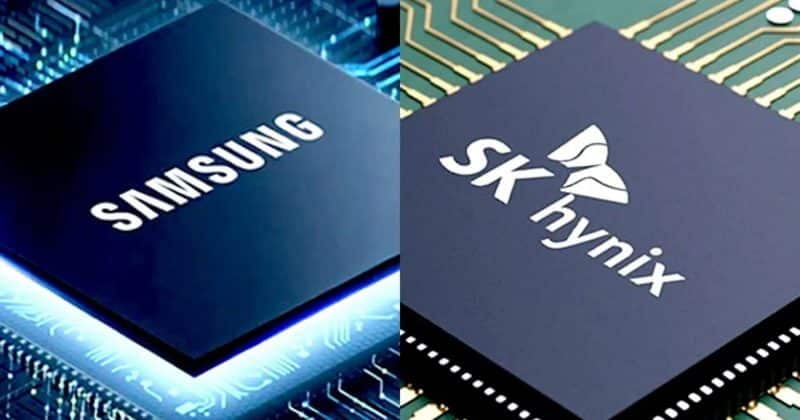
The culprits were familiar names. Samsung Electronics dropped more than 10%, while SK Hynix, which had just overtaken Samsung as Korea’s most valuable company earlier in the week, fell over 12%.
What triggered the selloff
The proximate cause traces back to Broadcom’s earnings report from earlier in June. On paper, the numbers looked strong. Broadcom posted Q2 AI chip revenue of $10.8 billion, representing 143% year-over-year growth. But Broadcom slightly missed overall revenue estimates and kept its 2027 AI forecast unchanged. In a market that had been pricing in perpetual acceleration, “steady” reads as “disappointing.”
The result was a cascading selloff that started in US tech stocks and rippled across the Pacific. Foreign investors sold more than 4 trillion won, approximately $2.6 billion, worth of KOSPI shares during the downturn. Domestic retail investors stepped in to provide some floor, but the selling pressure was overwhelming.