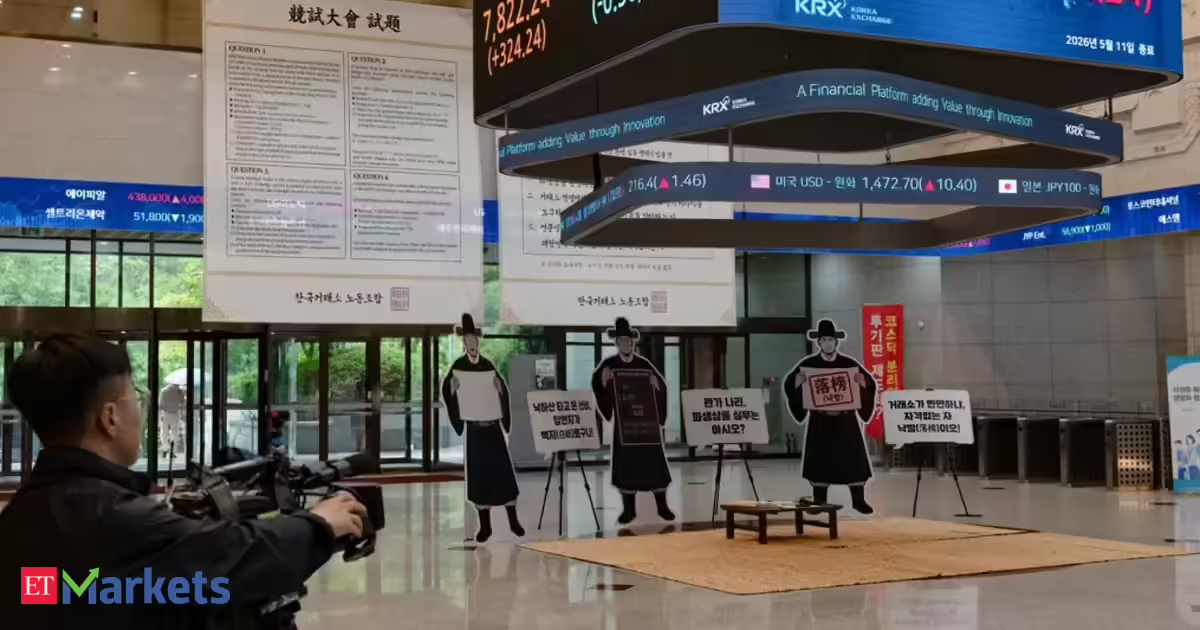
South Korea’s benchmark KOSPI index plunged as much as 8.2% intraday on July 7, briefly crossing the threshold into bear market territory, defined as a 20% decline from recent highs. The culprit: a sweeping reassessment of artificial intelligence demand that hit the very stocks responsible for the index’s meteoric rise.
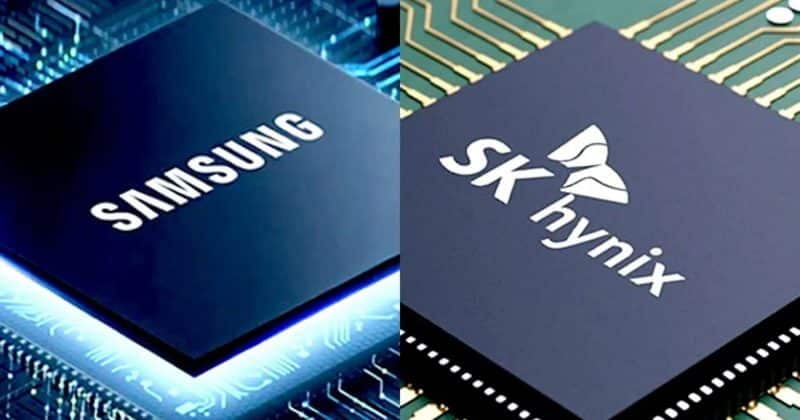
SK Hynix and Samsung Electronics, the twin pillars of South Korea’s semiconductor industry, led the selloff. Together, those two companies account for roughly half of the KOSPI’s entire market capitalization.
From supercycle to super selloff
The KOSPI had surged more than 100% year-to-date earlier in 2026, riding a wave of global AI infrastructure spending that turned South Korean memory chip makers into the market’s main characters. The index peaked above 8,800 to 9,000.
Goldman Sachs was so bullish that it raised its 12-month KOSPI target to 9,000 back in May, forecasting a staggering 300% earnings growth for semiconductor companies on the back of the AI memory chip supercycle.