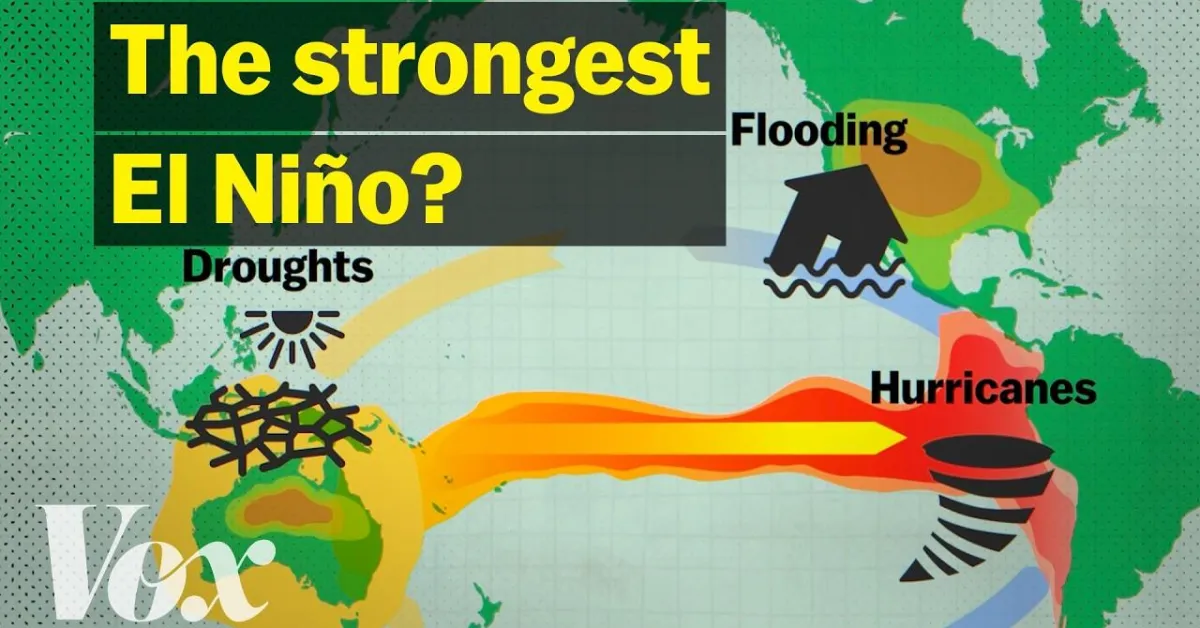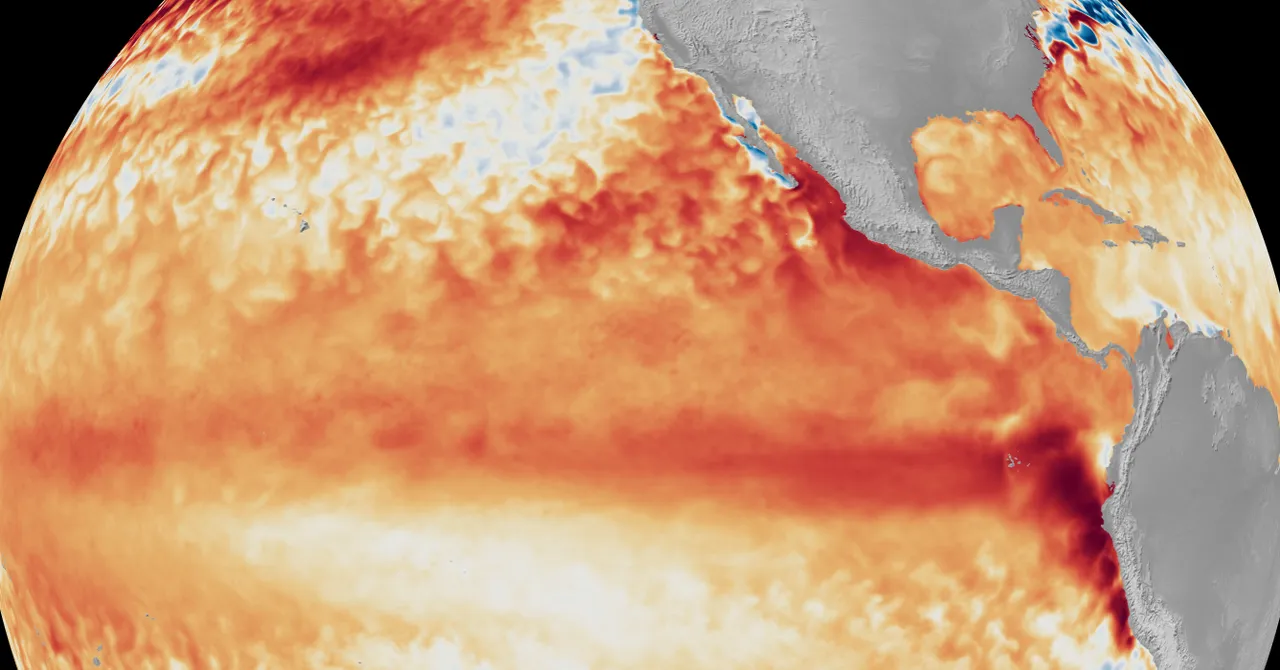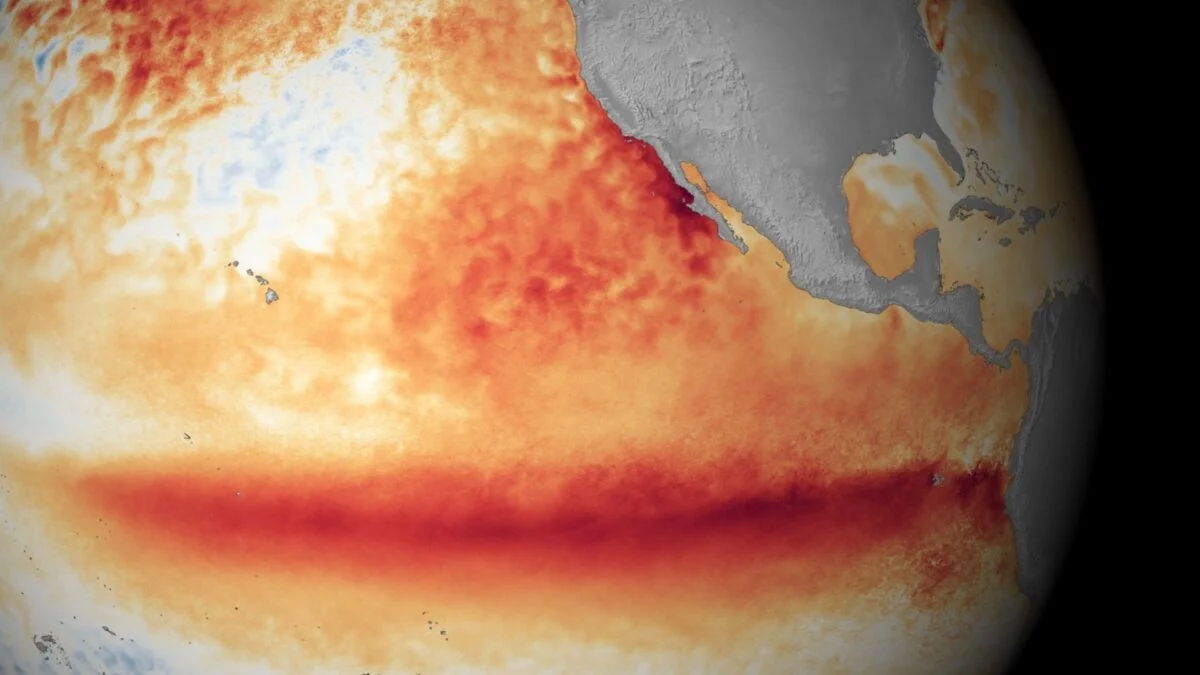
We’re not even one month into “super” El Niño, the natural Pacific weather pattern characterized by warmer than average sea surface temperatures, and fisheries around the world are already getting scrambled.
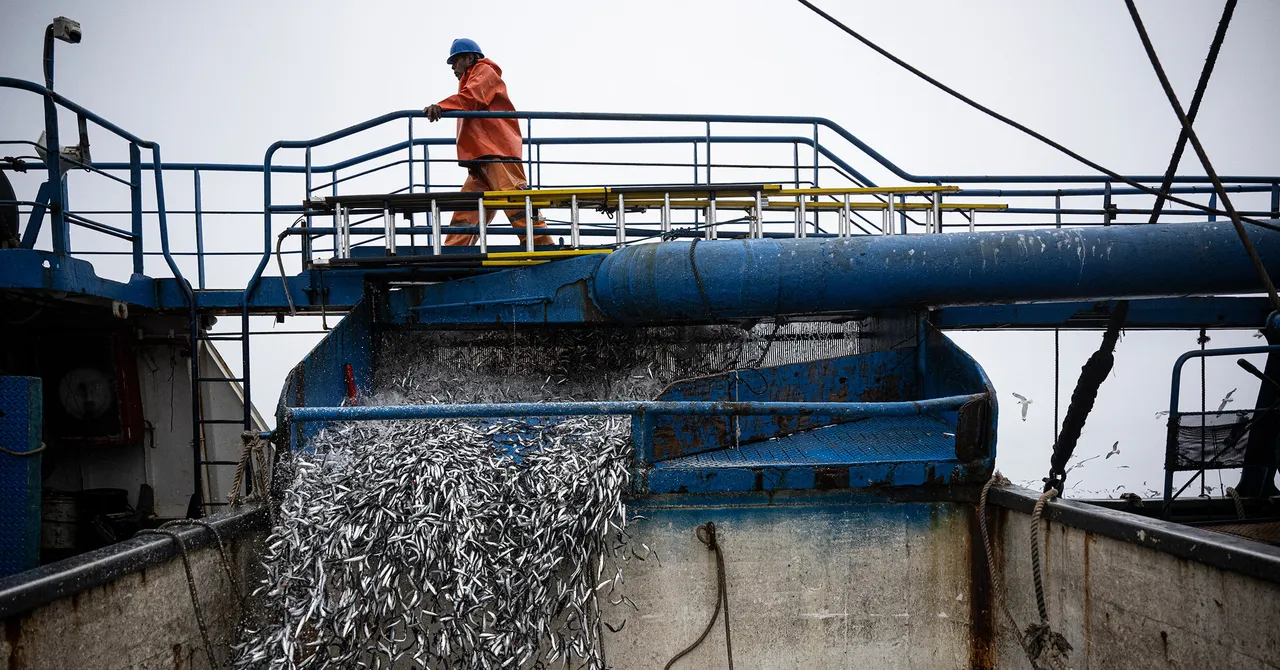
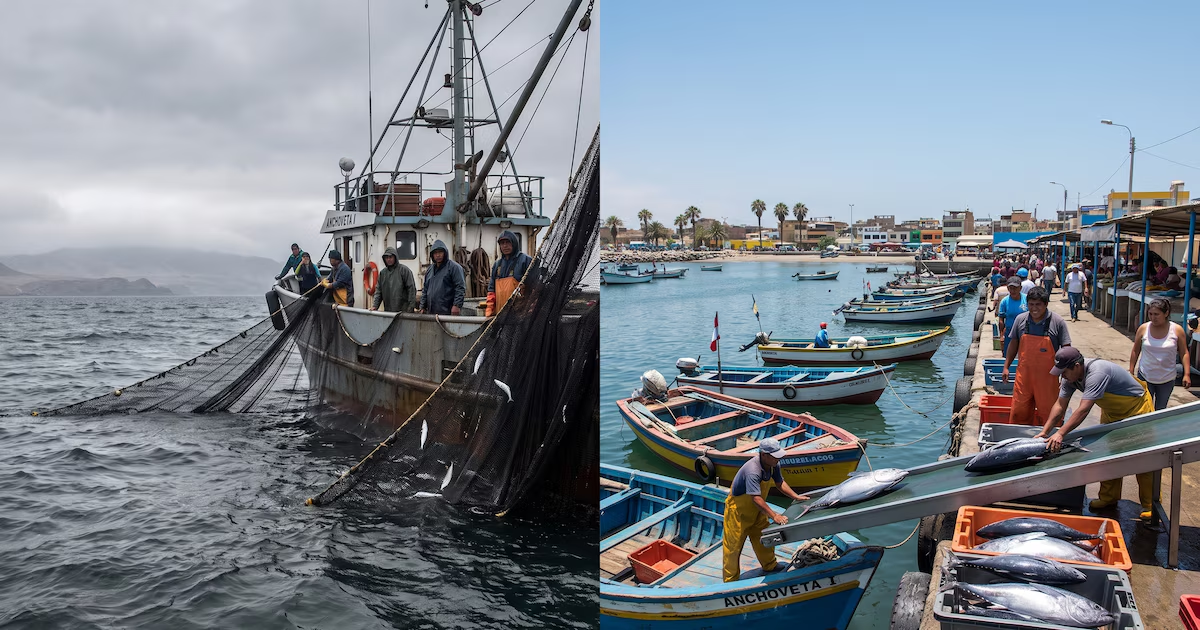
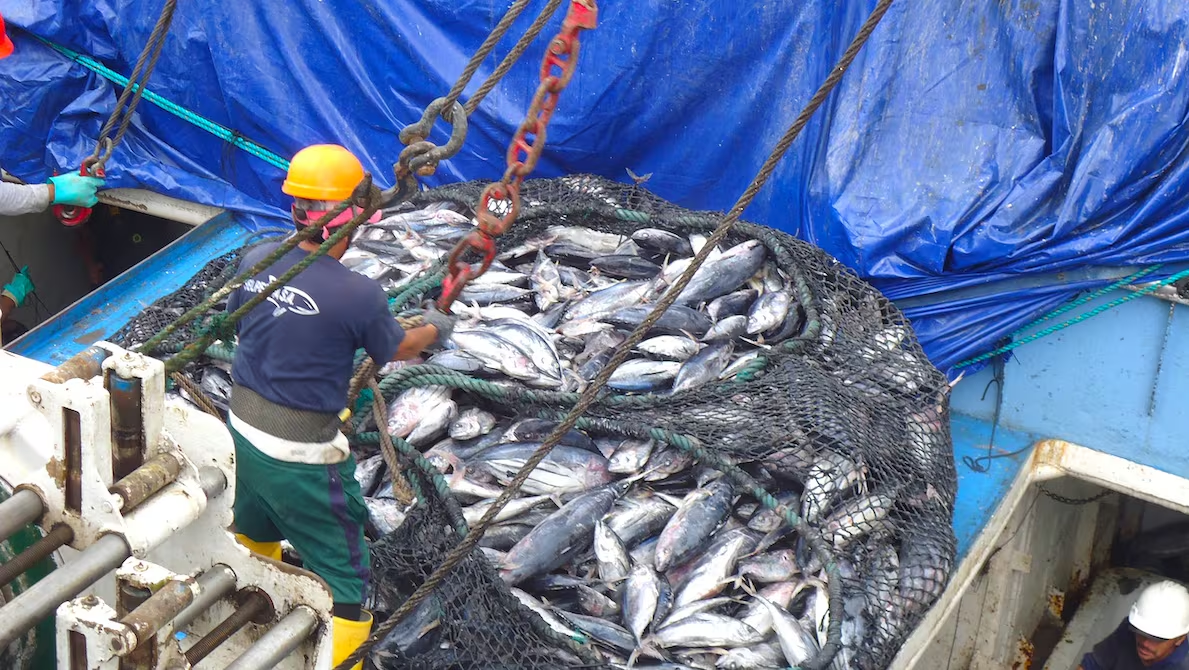
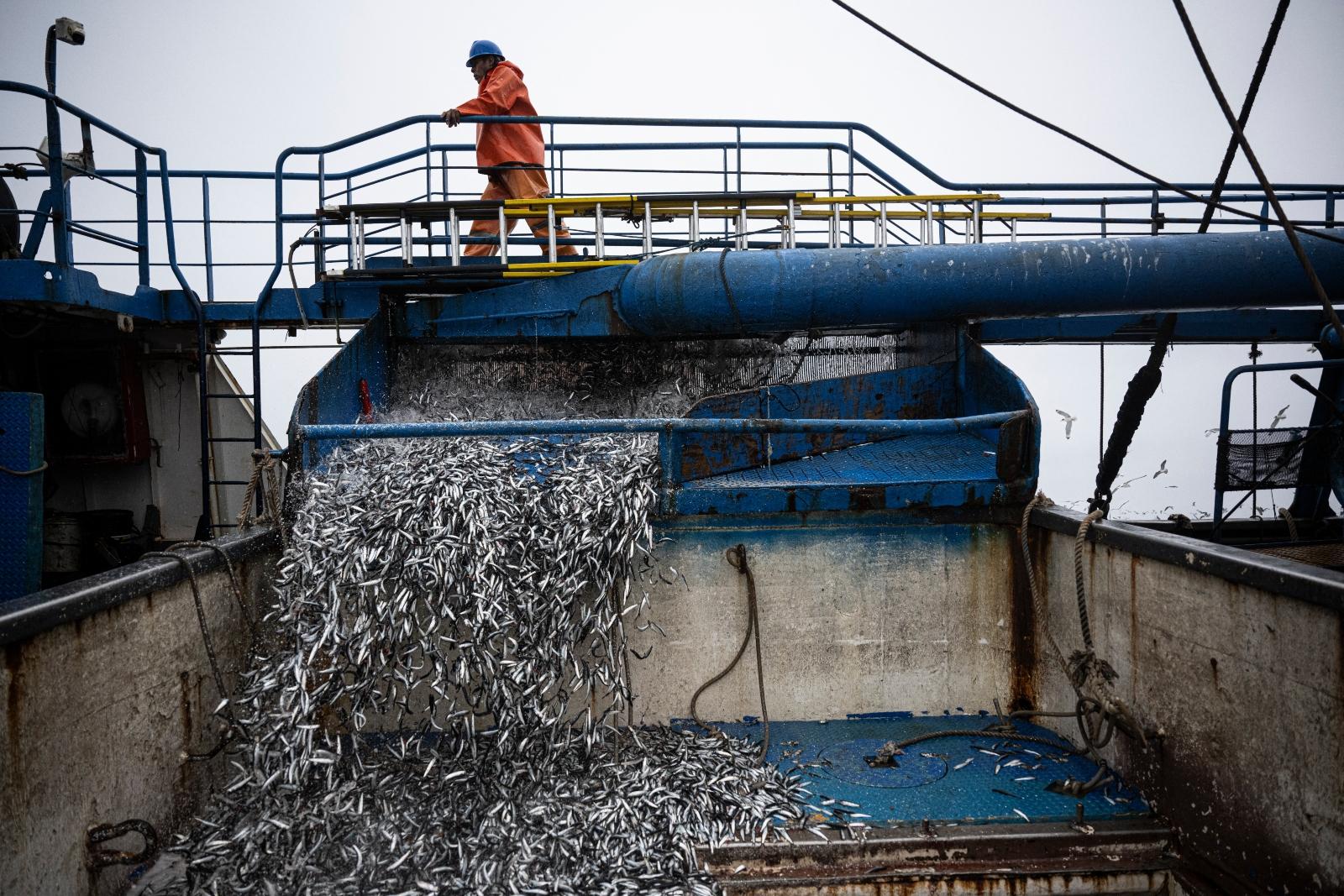
In Peru, government officials have effectively canceled the fishing season for anchovies, one of the country’s most important exports and a leading source of fish oil and animal feed globally. The Indian government is preparing for a season of smaller, less plentiful Indian mackerel. Meanwhile, in Southern California, recreational and commercial fishers have reported some of the most successful months of tuna fishing they’ve ever seen.
The divergent situations show how El Niño can create winners and losers across the fishing industry, decimating some species while making others easier to catch. For fishers, the result is instability, with many forced to consider seasonal diversification. And consumers can expect fluctuations in the price of key fish products.
“People are worried,” said Juan Carlos Sueiro, an economist and fisheries director for the nonprofit Oceana Peru. As climate change is expected to drive more frequent, stronger El Niños, “our vulnerability is increasing.”
El Niño is a weather phenomenon that happens every two to seven years in the tropical Pacific Ocean. It was named by Peruvian fishers who, hundreds of years ago, noticed periodic fluctuations in their catches, with huge declines occurring every few years around Christmas. They called it El Niño, after the baby Jesus.