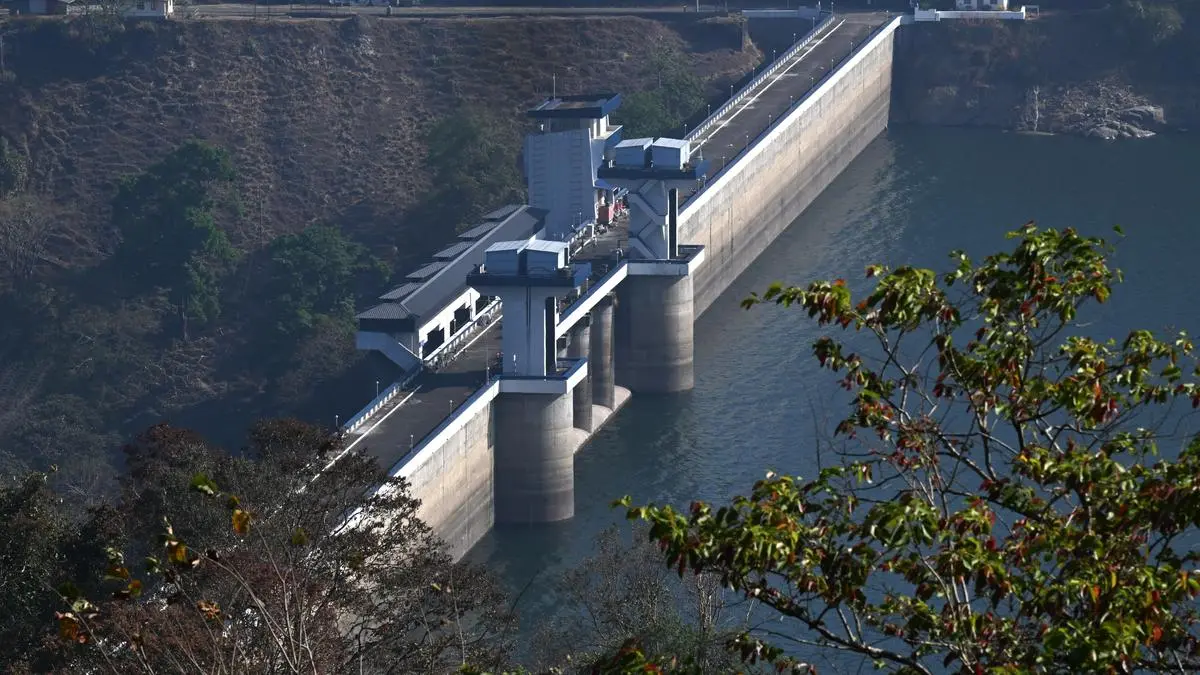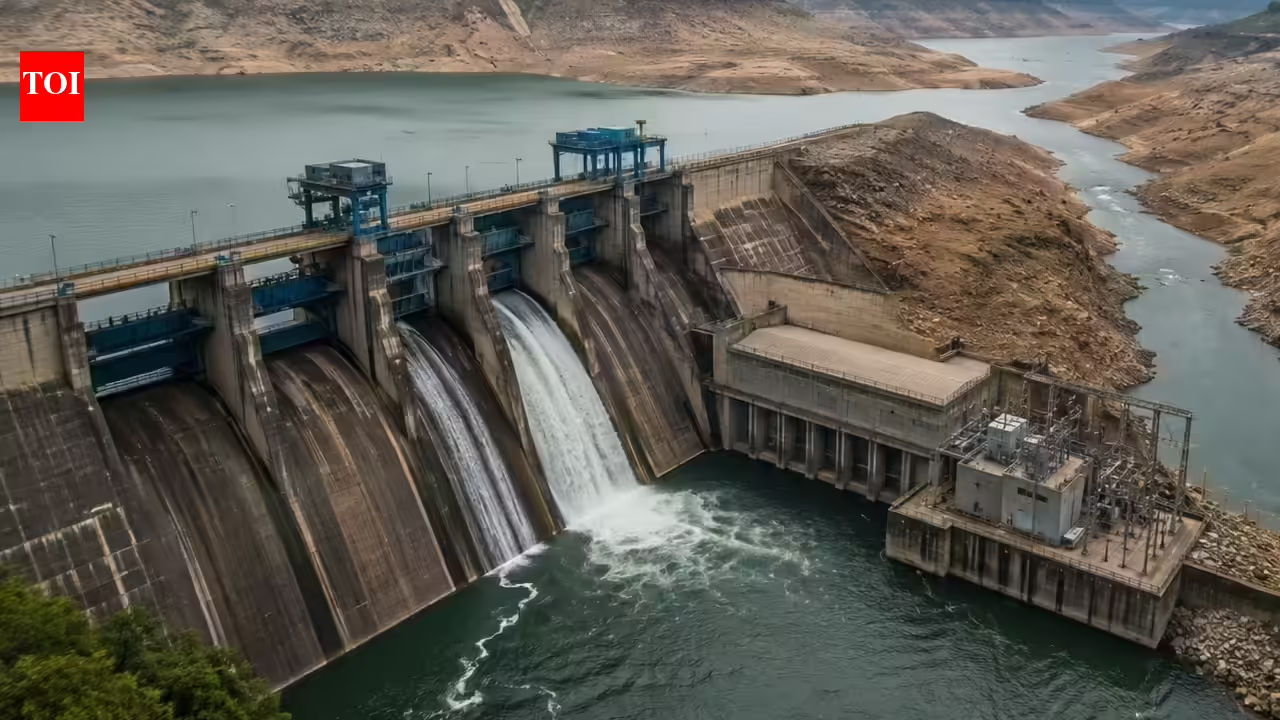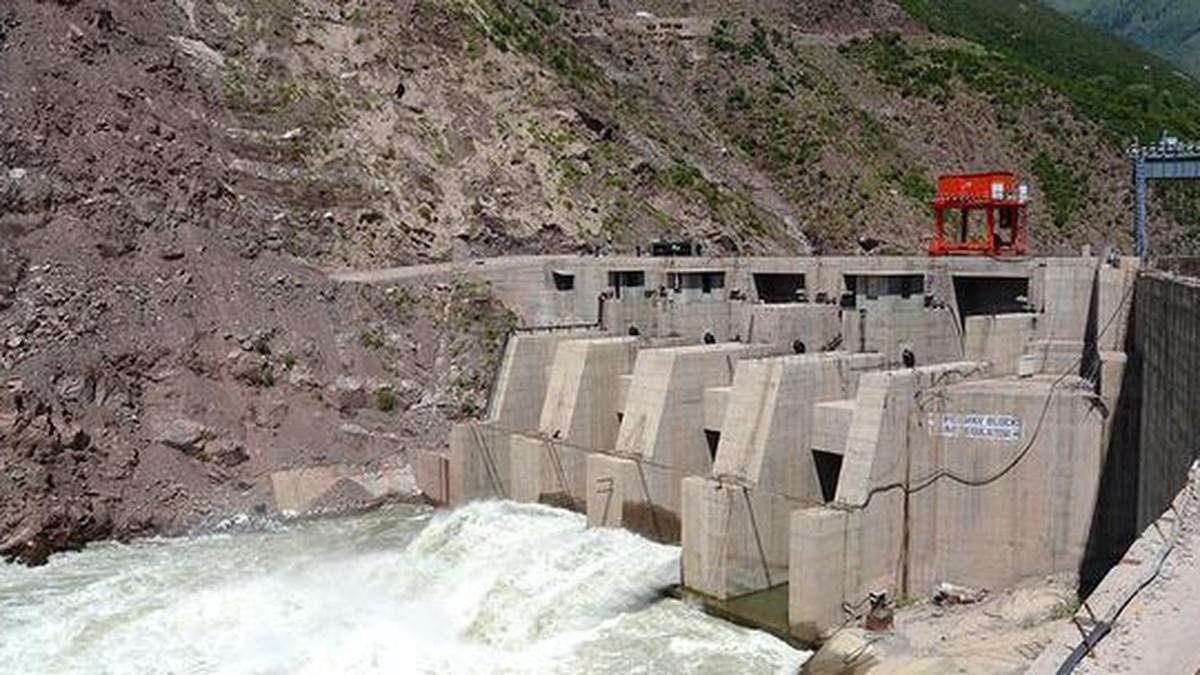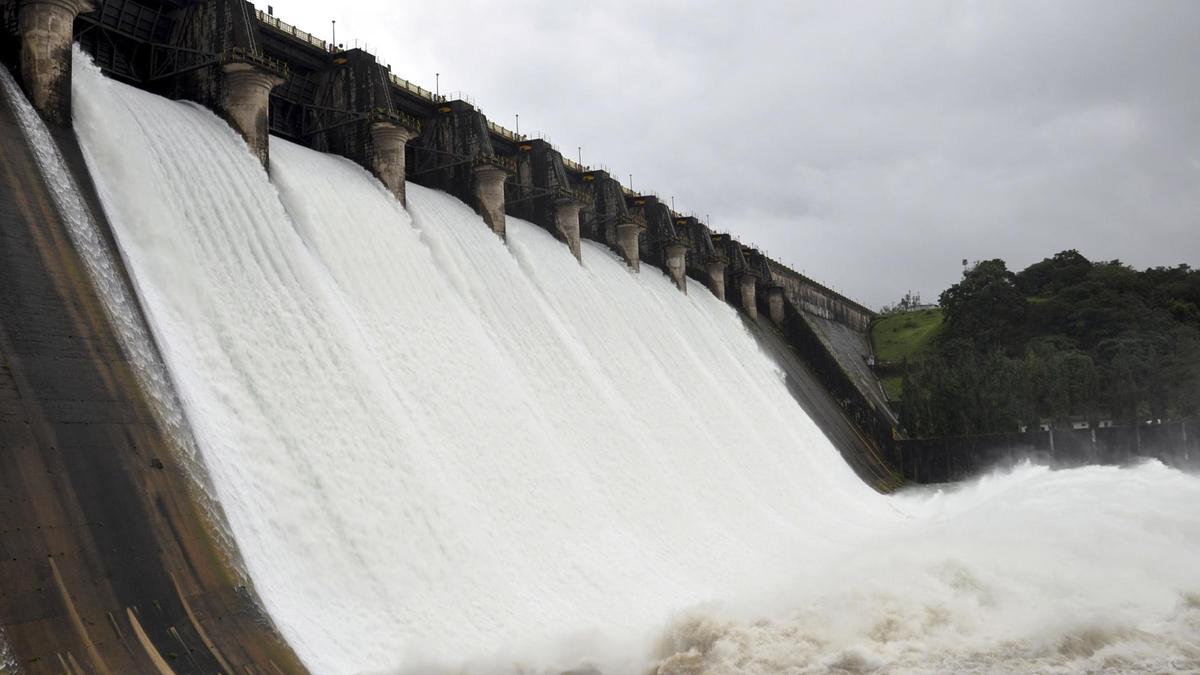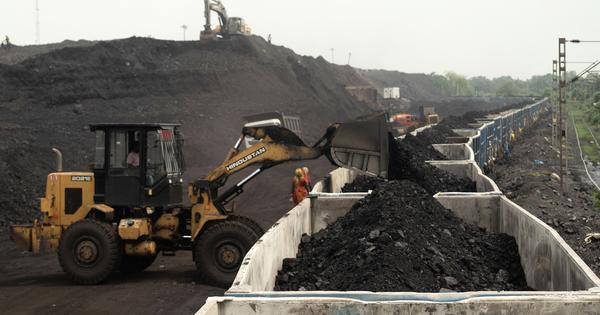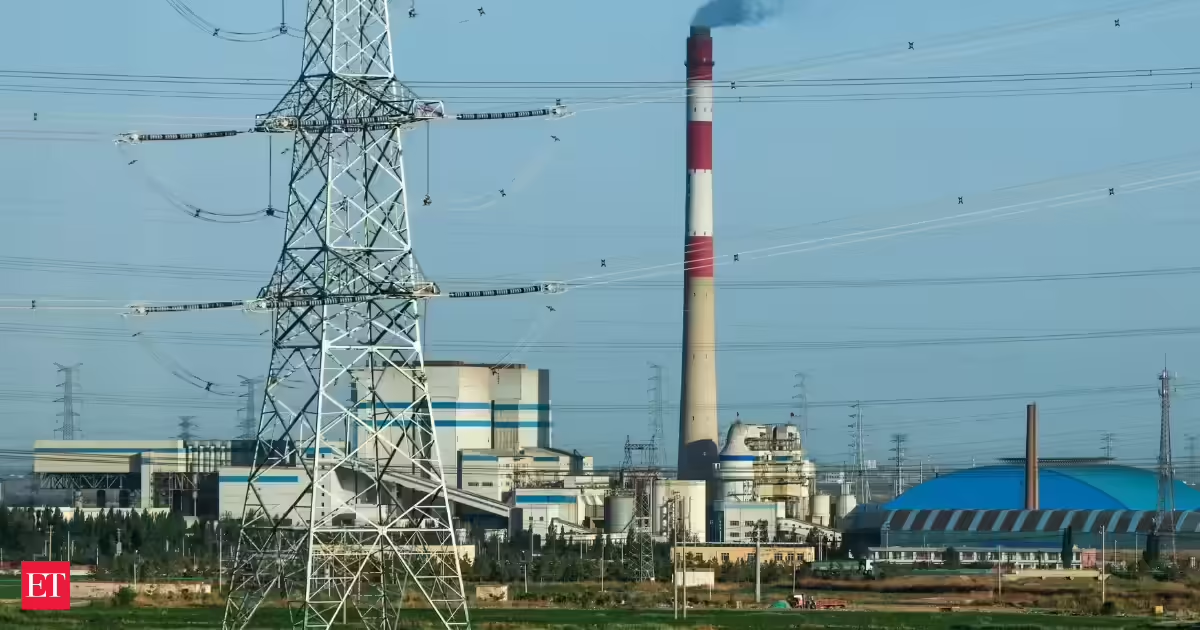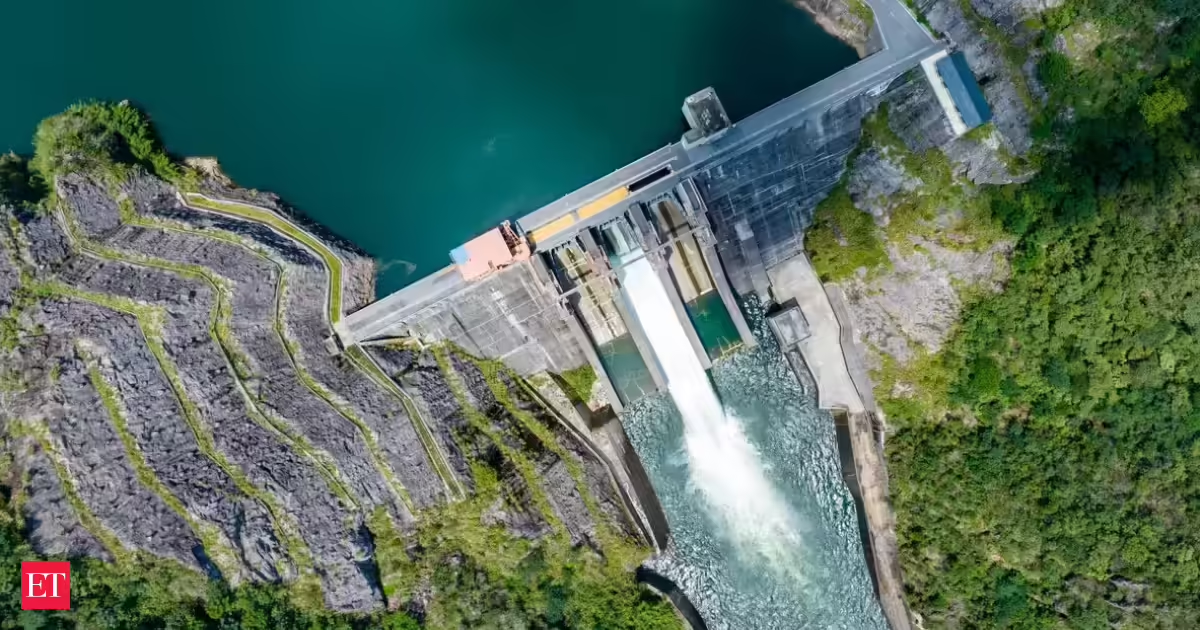
A delayed and patchy monsoon has dealt a major blow to India's hydropower generation, with electricity output from dams plunging in June as shrinking reservoir levels limited water availability.The shortfall came at a time when the country was grappling with soaring summer electricity demand, prompting coal, nuclear and renewable energy plants to shoulder a bigger share of the load.Also Read | EL Nino to hit India's energy system harder than anywhere else in world: CREA reportMinistry of Power data accessed by Bloomberg News showed hydropower generation fell nearly 21% year-on-year in June - the sharpest decline since February 2024.Meanwhile, during the April-June quarter, hydroelectric output was down almost 7%, even as coal-fired plants, nuclear stations and renewable energy producers ramped up generation to keep pace with record power consumption during the scorching summer.El Niño & weak rains The sharp decline reflects the impact of an unusually and concerning weak start to the southwest monsoon.According to the India Meteorological Department, cumulative rainfall across the country was 38% below normal until July 1, with El Niño conditions in the Pacific disrupting the June-September monsoon.Also Read | El Nino threatens to fuel coal power surge in India, study saysHowever, the rainfall deficit has done more than dent power generation.It has also reduced water availability for irrigation at a crucial stage of the kharif sowing season, raising concerns for agriculture.The stress is evident in reservoir storage.Data Bloomberg News cited from the Central Water Commission showed the 166 major reservoirs it monitors held only 47.7 billion cubic metres of water as of July 2—roughly one-fourth of their total storage capacity and 39% lower than the levels recorded a year earlier.Monsoon recovery There is, however, some relief on the horizon as monsoon rains have gathered pace in several parts of the country over the past few days, trimming the nationwide rainfall deficit to around 20%.If the trend continues, fuller reservoirs could revive hydropower generation while cooler weather would also reduce electricity demand.The IMD has forecast July rainfall at around 94% of the long-period average, signalling near-normal precipitation for the month.According to the Bloomberg News report, ectricity demand has already begun to soften with the arrival of the rains.Peak demand has remained below 250 gigawatts so far in July, down from 265.2 GW in June and the record 270.8 GW touched in May during the peak of the heatwave.Data from the Grid Controller of India revealed that the country's power system has so far been able to comfortably meet demand, despite the sharp drop in hydropower output, thanks to higher generation from thermal, nuclear and renewable sources.
Weak monsoon dries up India's hydropower as dam output records sharpest fall in over two years
India's hydropower generation significantly dropped in June due to a delayed monsoon. Shrinking reservoir levels limited water availability for electricity production. Coal, nuclear, and renewable energy plants increased output to meet demand. Recent rains have improved monsoon progress, potentially reviving hydropower generation. Electricity demand has also softened after the summer heatwave subsided.
430 words~2 min read