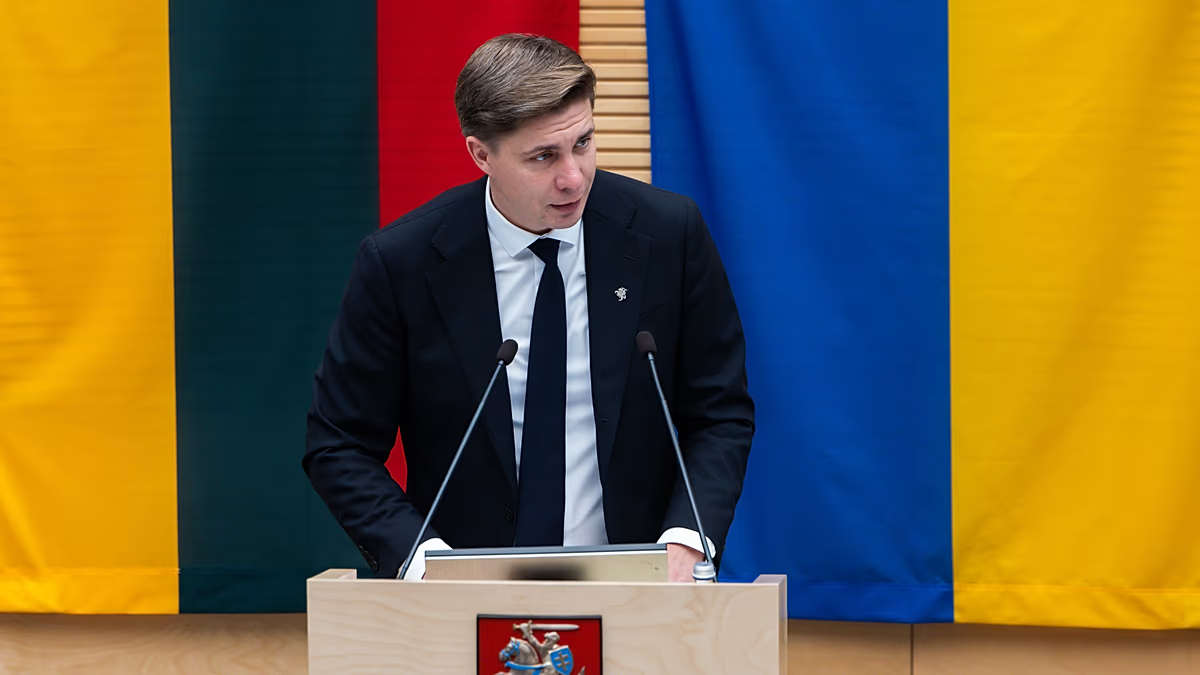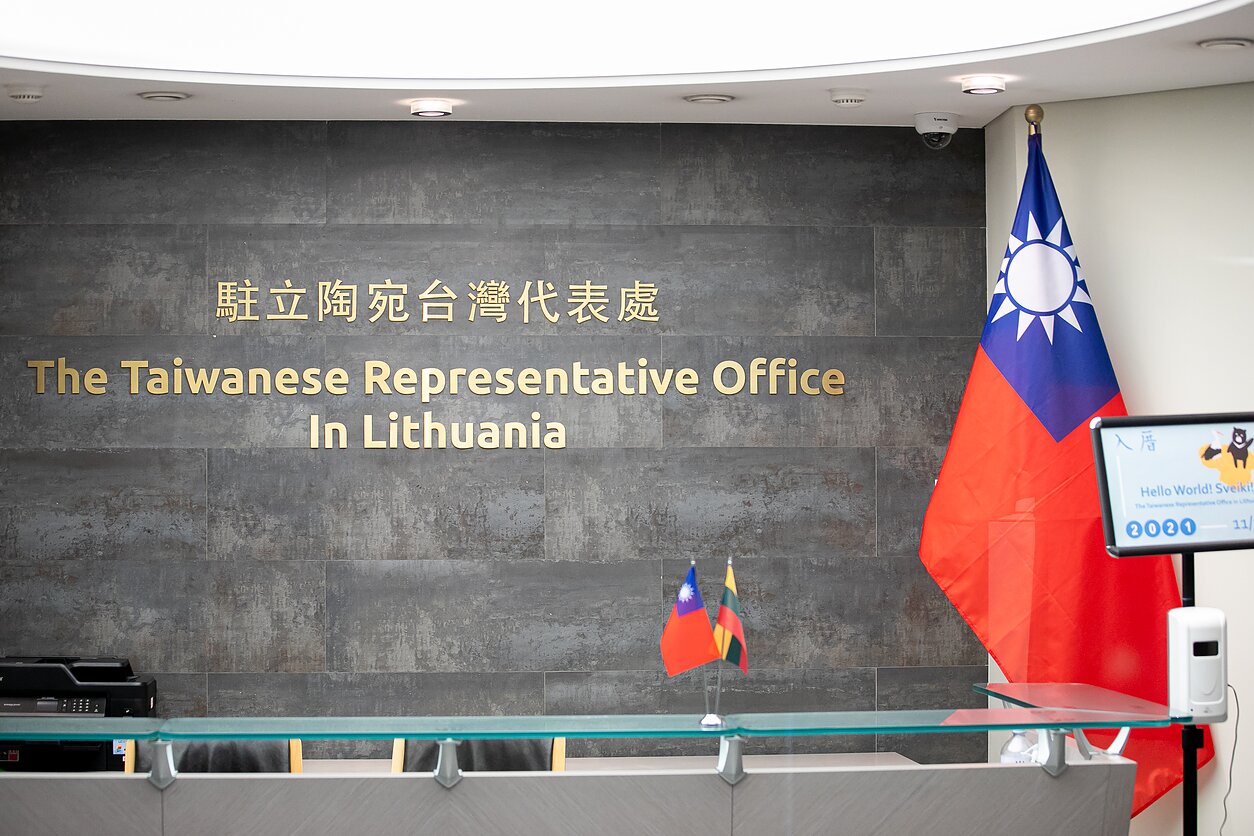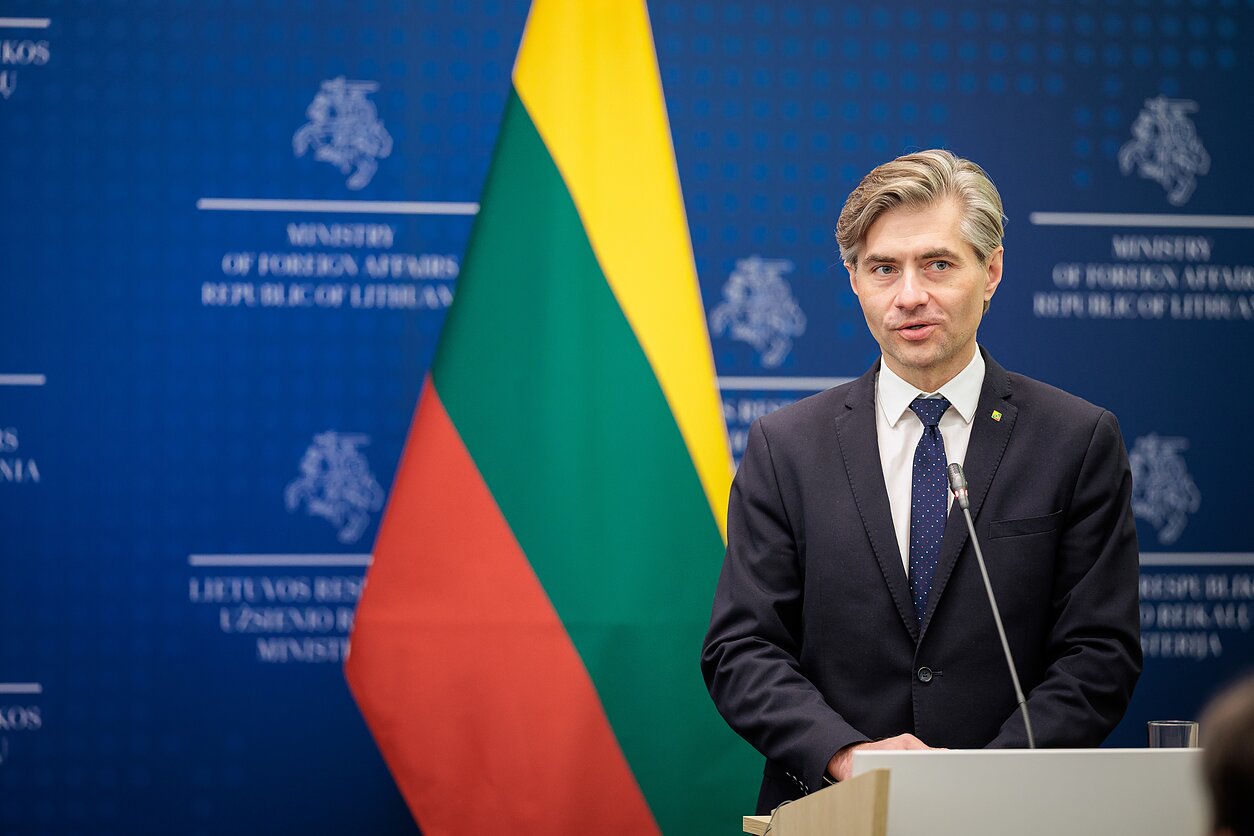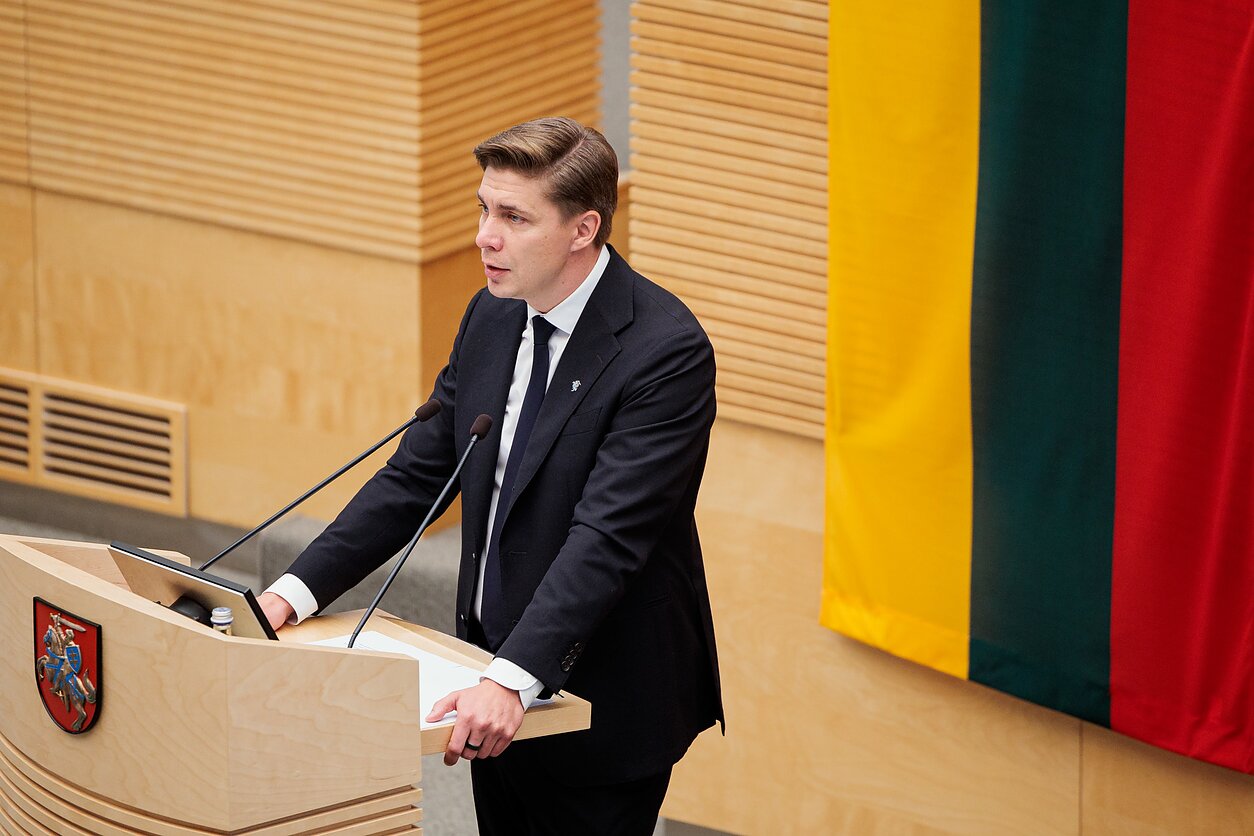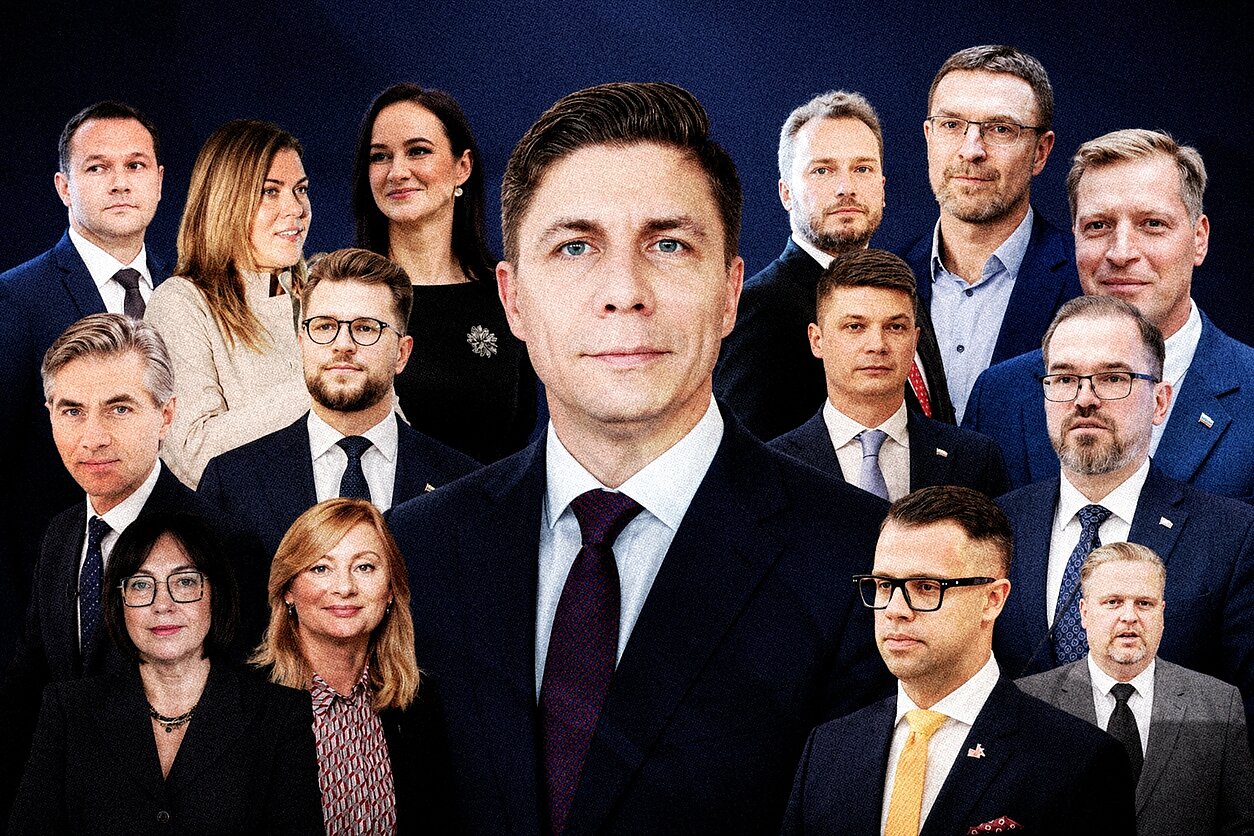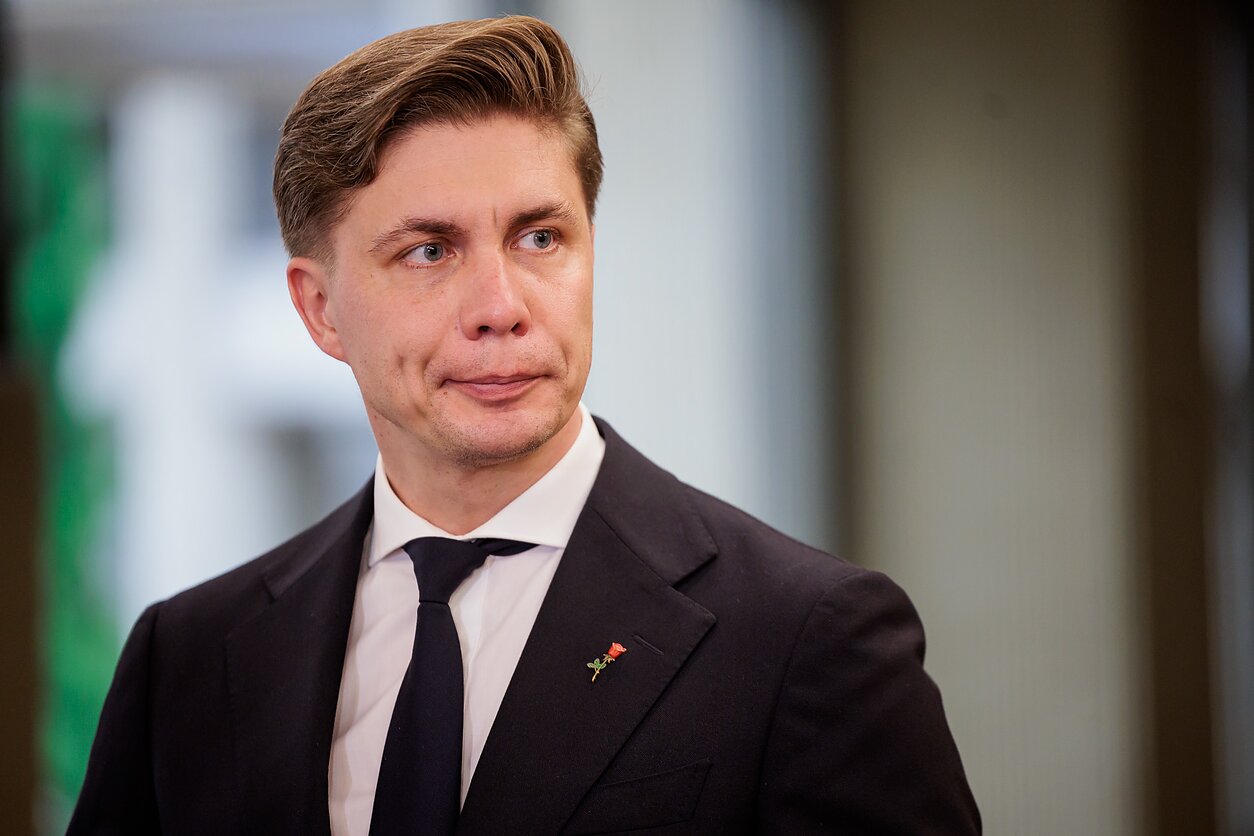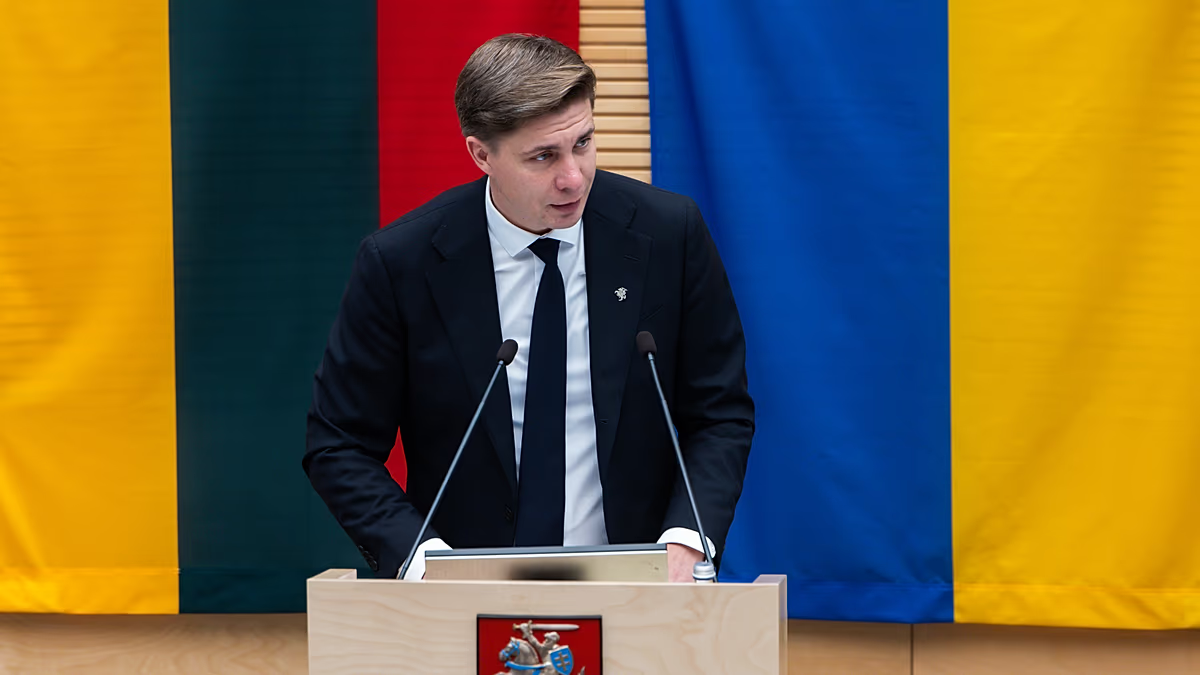
Lithuania's new Prime Minister Mindaugas Sinkevičius presented his government's policy agenda to the Lithuanian parliament on Tuesday, setting out a programme focused on defence, civil resilience and recalibration of foreign policy towards China while maintaining a hard line on Russia, as the country seeks to respond to a deteriorating security environment on NATO's eastern flank.
Bordering both Russia and Belarus, the Baltic country of less than three million has faced a growing number of hybrid threats in recent years, including drone incursions, airspace violations, cyber-attacks and cross-border smuggling. This has forced the country to move full steam ahead with its defence preparations.
And that's reflected in the incoming government's policy programme.
To bolster national security, it has committed to spend no less than 5% of GDP on defence, accelerating investment in air defence and counter-drone capabilities, strengthening cyber security and expanding the country's defence industry.
In his address to parliament, Sinkevičius argued that technological adaptation, rather than conventional military superiority alone, would determine success in future conflicts.