Mehdi Esmaeili Bidehendi, a faculty member at the University of Tehran’s Faculty of Environment, warned that if the current trend continues, the water crisis in Tehran will become permanent within the next five years, making residential water outages a part of citizens’ daily lives.
In an interview with ILNA News Agency, Esmaeili Bidehendi cited climate change, ongoing drought, and current water procurement and consumption patterns as the most critical factors exacerbating the water crisis in the capital. At the same time, he noted that predicting the exact moment Tehran will hit an “irreversible” tipping point in water supply cannot be done with absolute certainty.
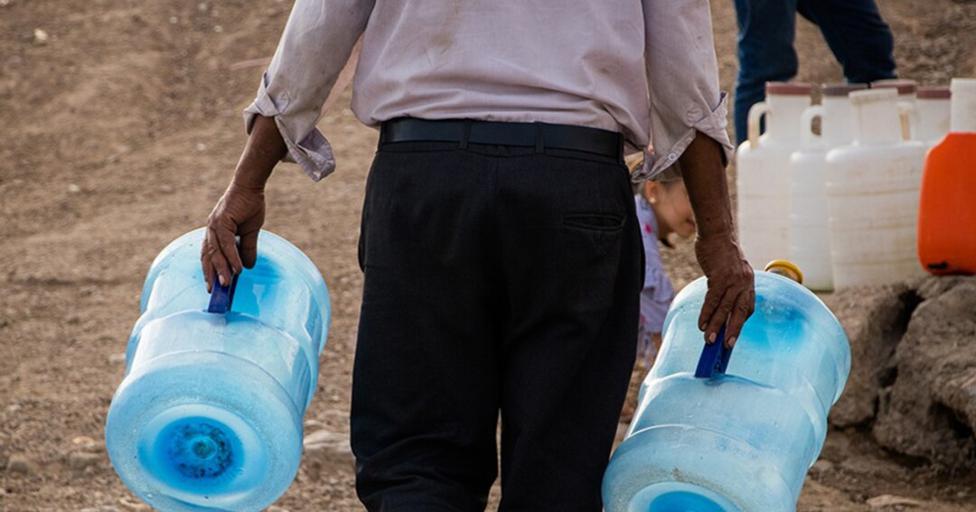
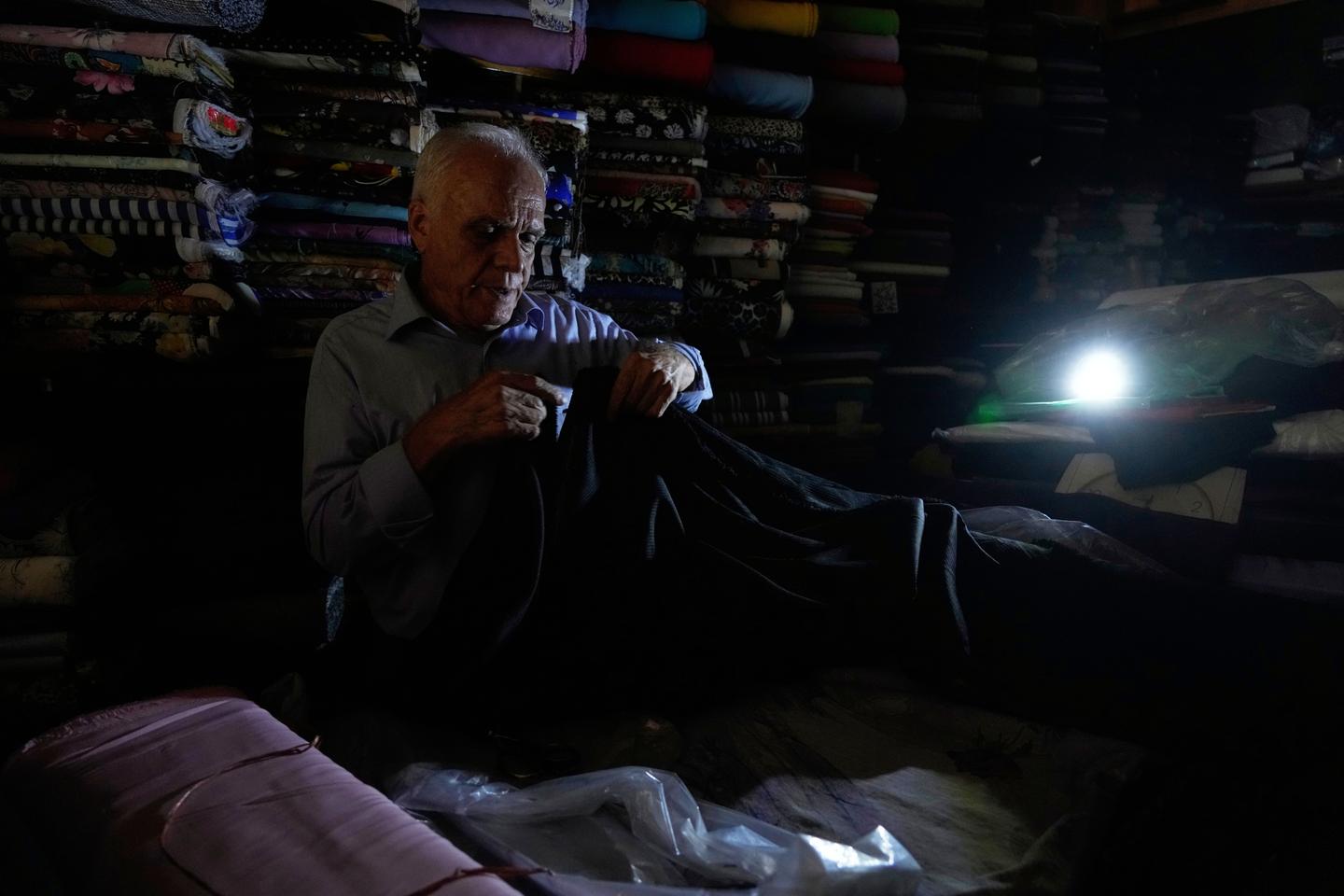
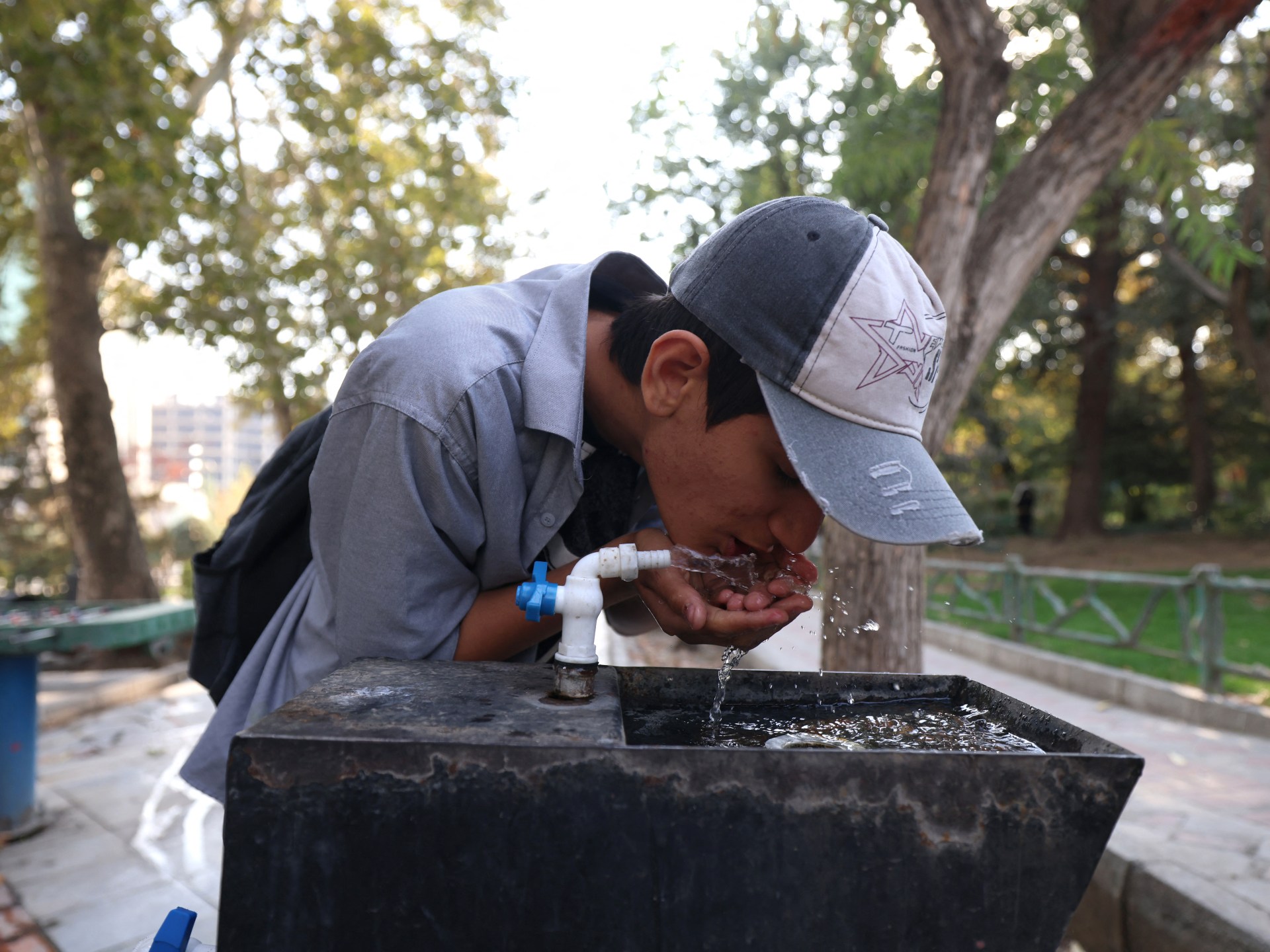
According to the university professor, if the current trajectory persists, Tehran will face an irreversible, permanent crisis within five years. He added that under such conditions, irrigating much of the city’s urban green spaces will become impossible, and residential water cutoffs will become a normal occurrence for a significant portion of the year.
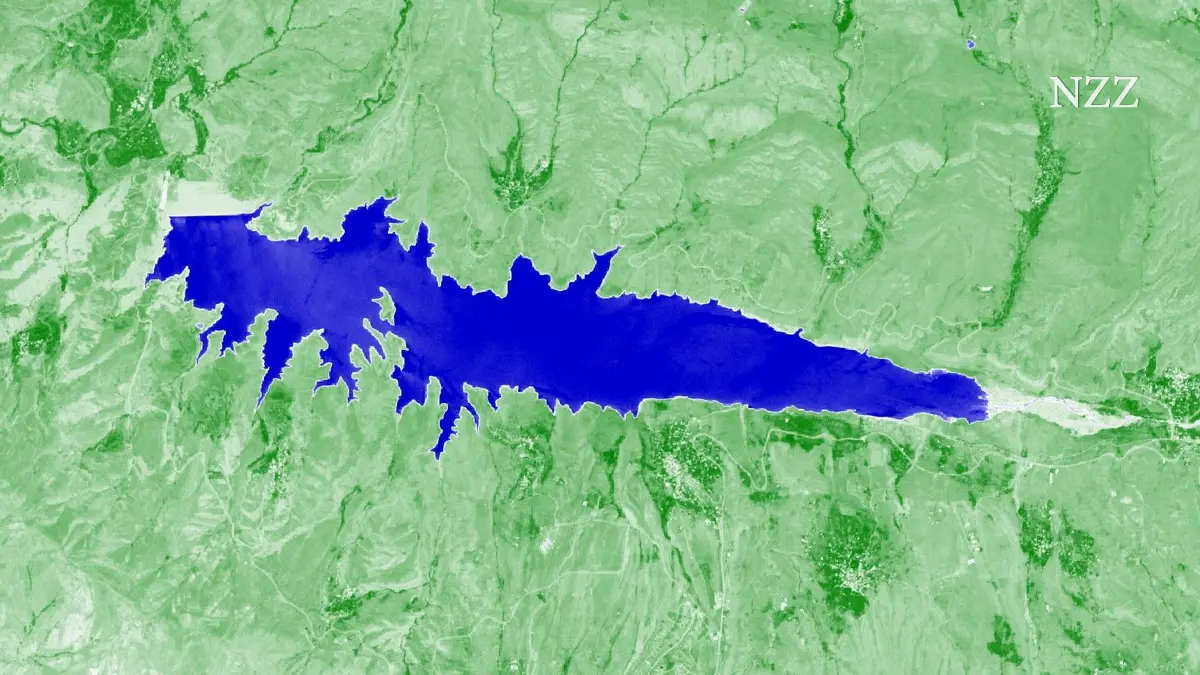
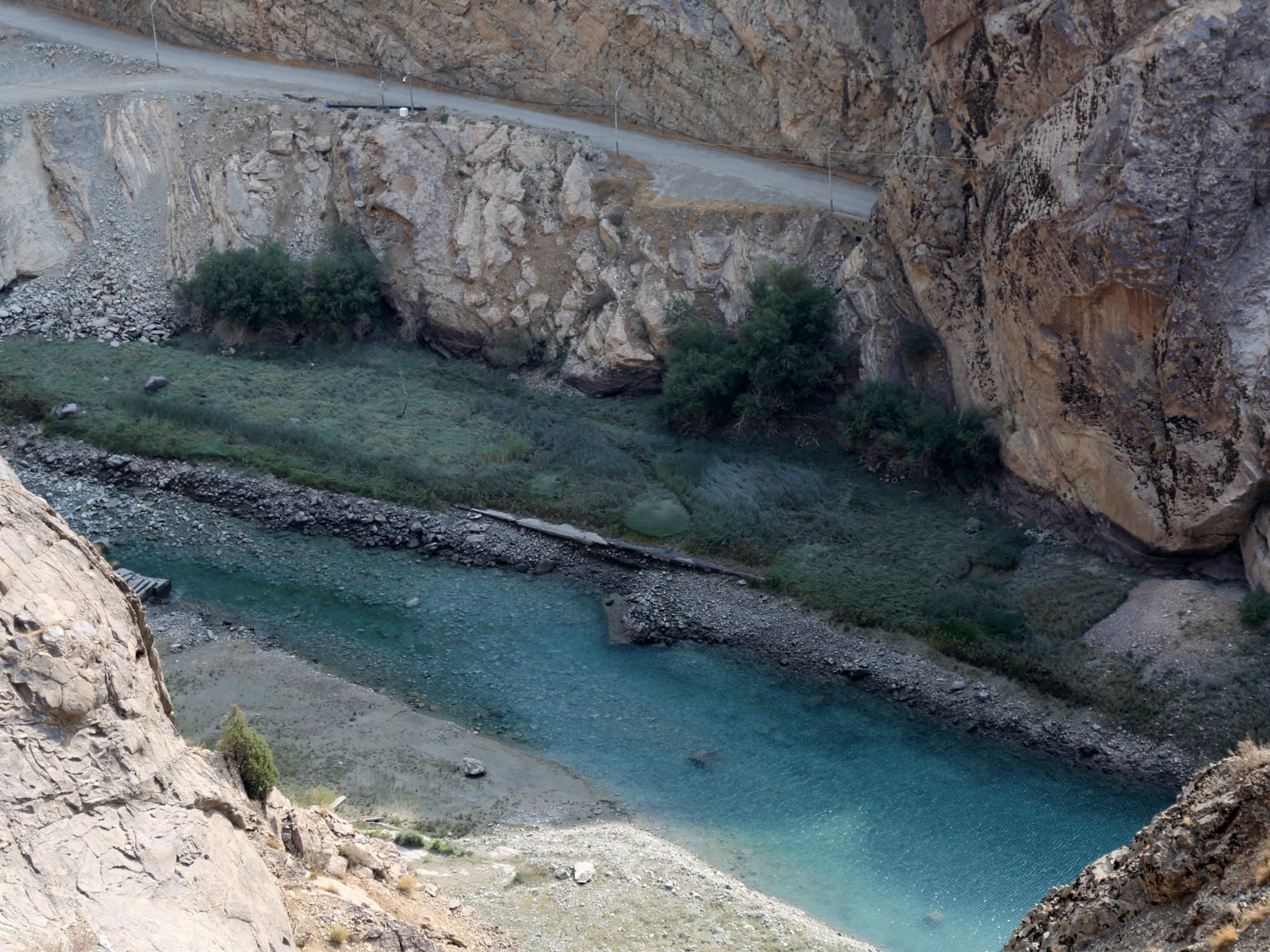
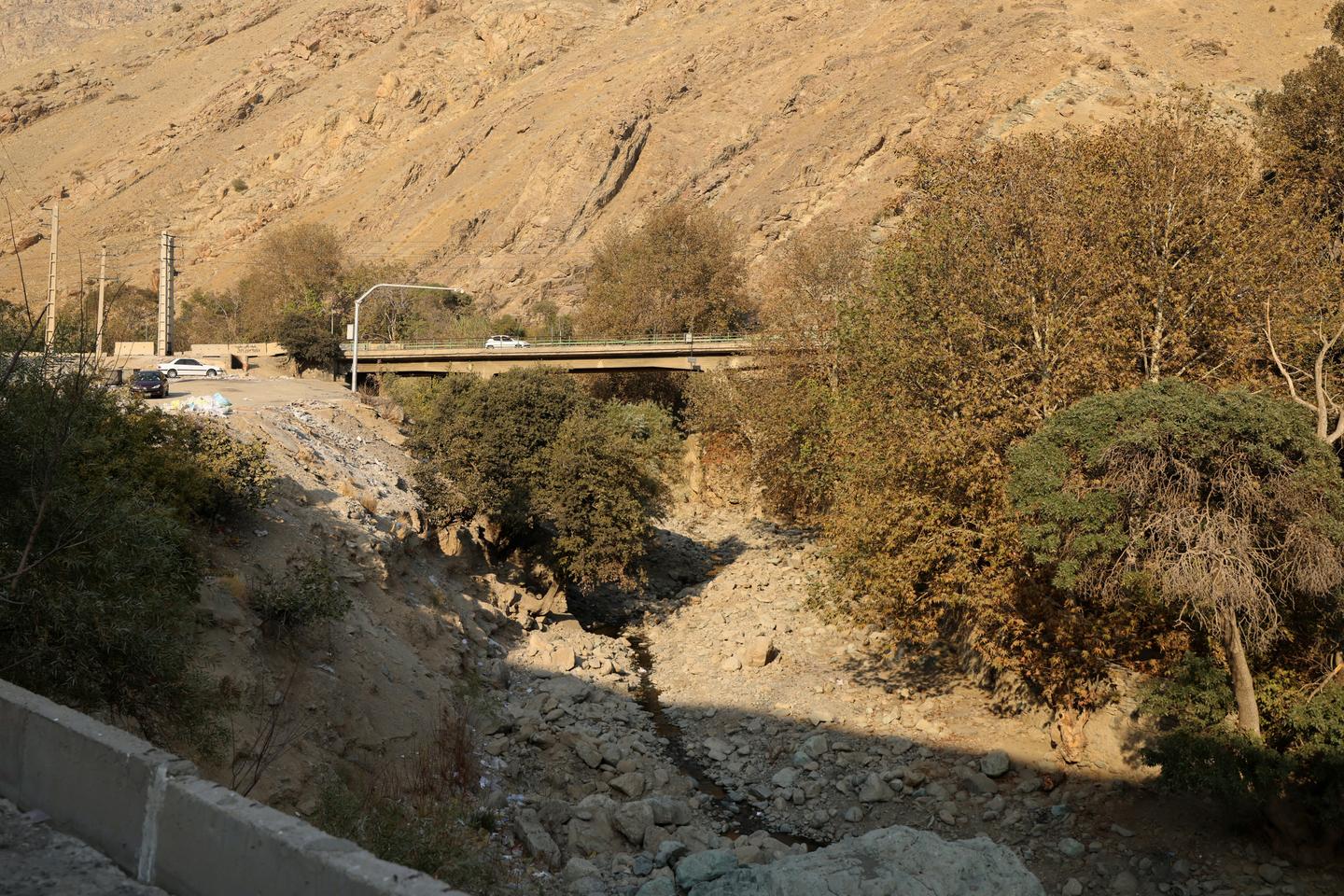
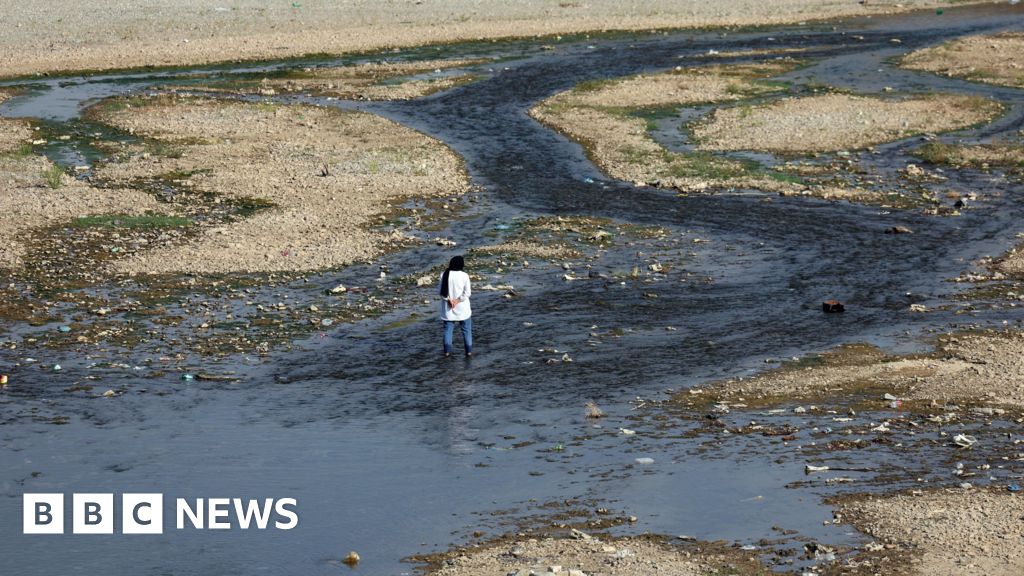
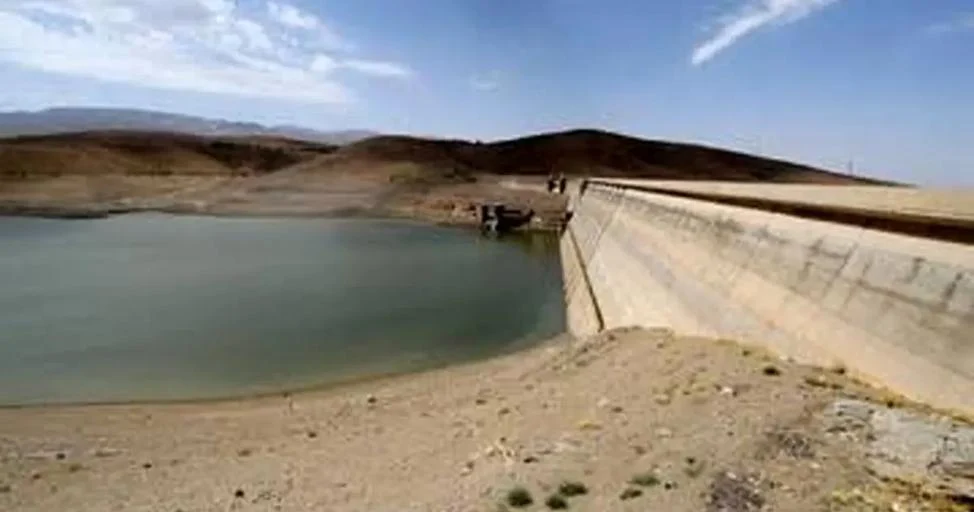
In recent years, Tehran has grappled with declining rainfall, depleting dam reservoirs, excessive extraction of groundwater resources, and rising water consumption. Government officials have repeatedly warned about the capital’s dwindling water reserves, urging citizens to reduce their consumption. Beyond drought, experts point to poor water resource management and unsustainable consumption patterns as the primary drivers intensifying Iran’s water crisis.