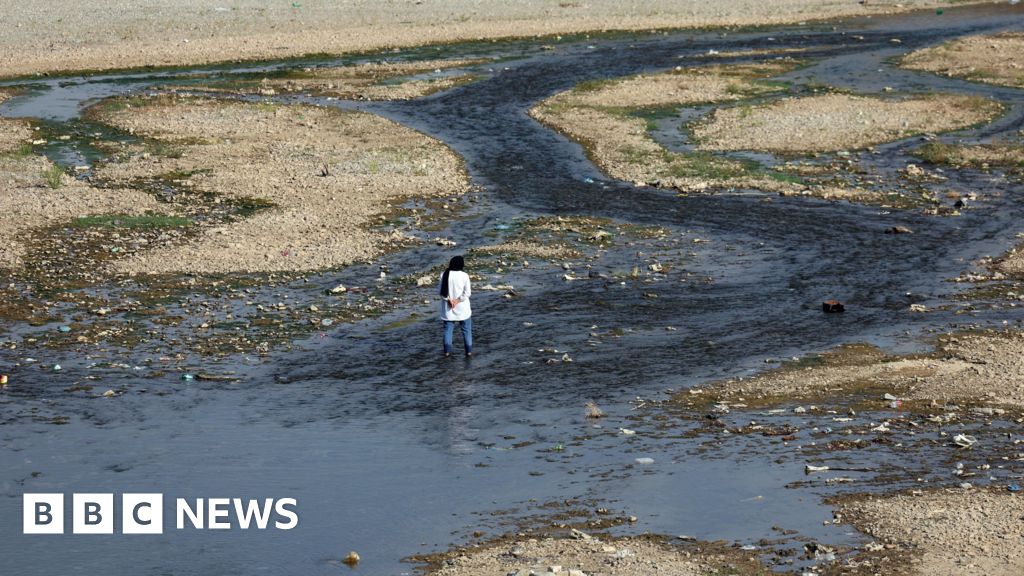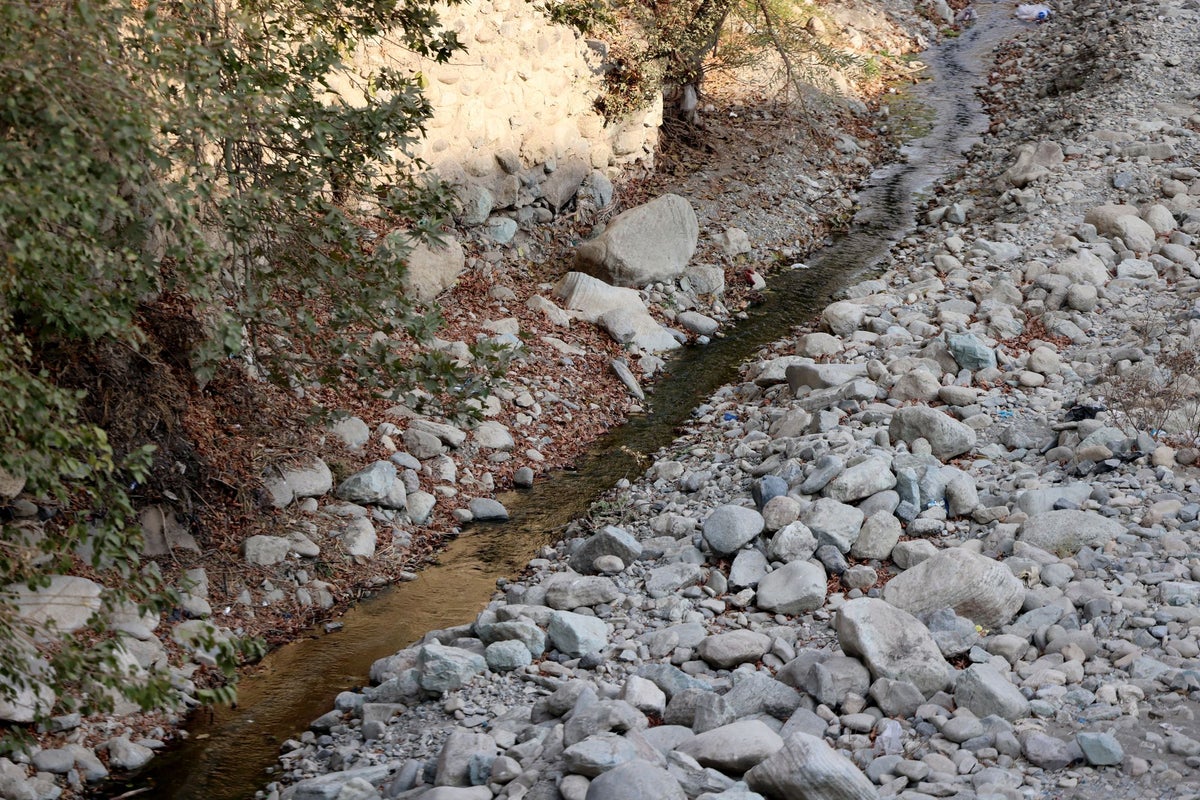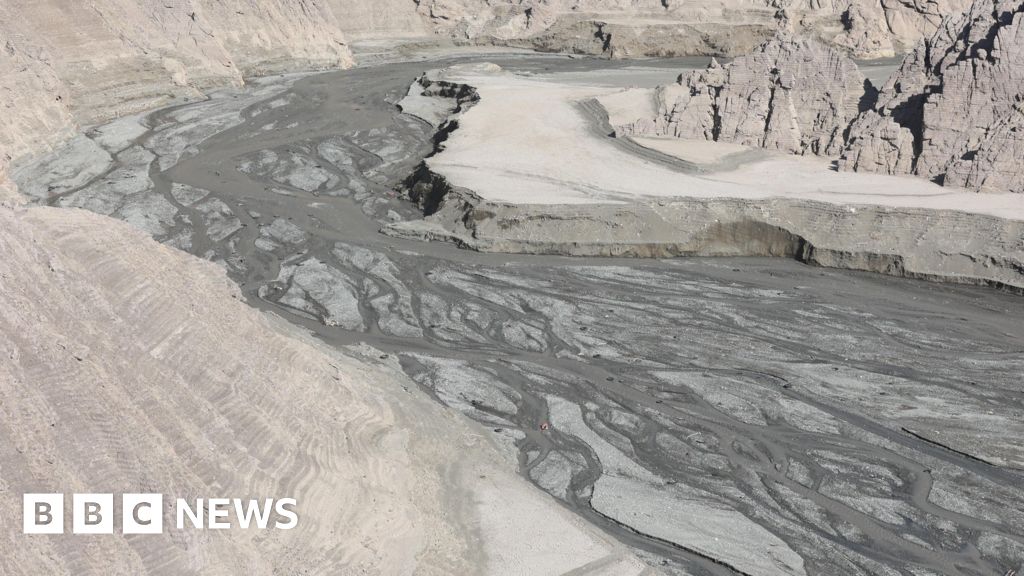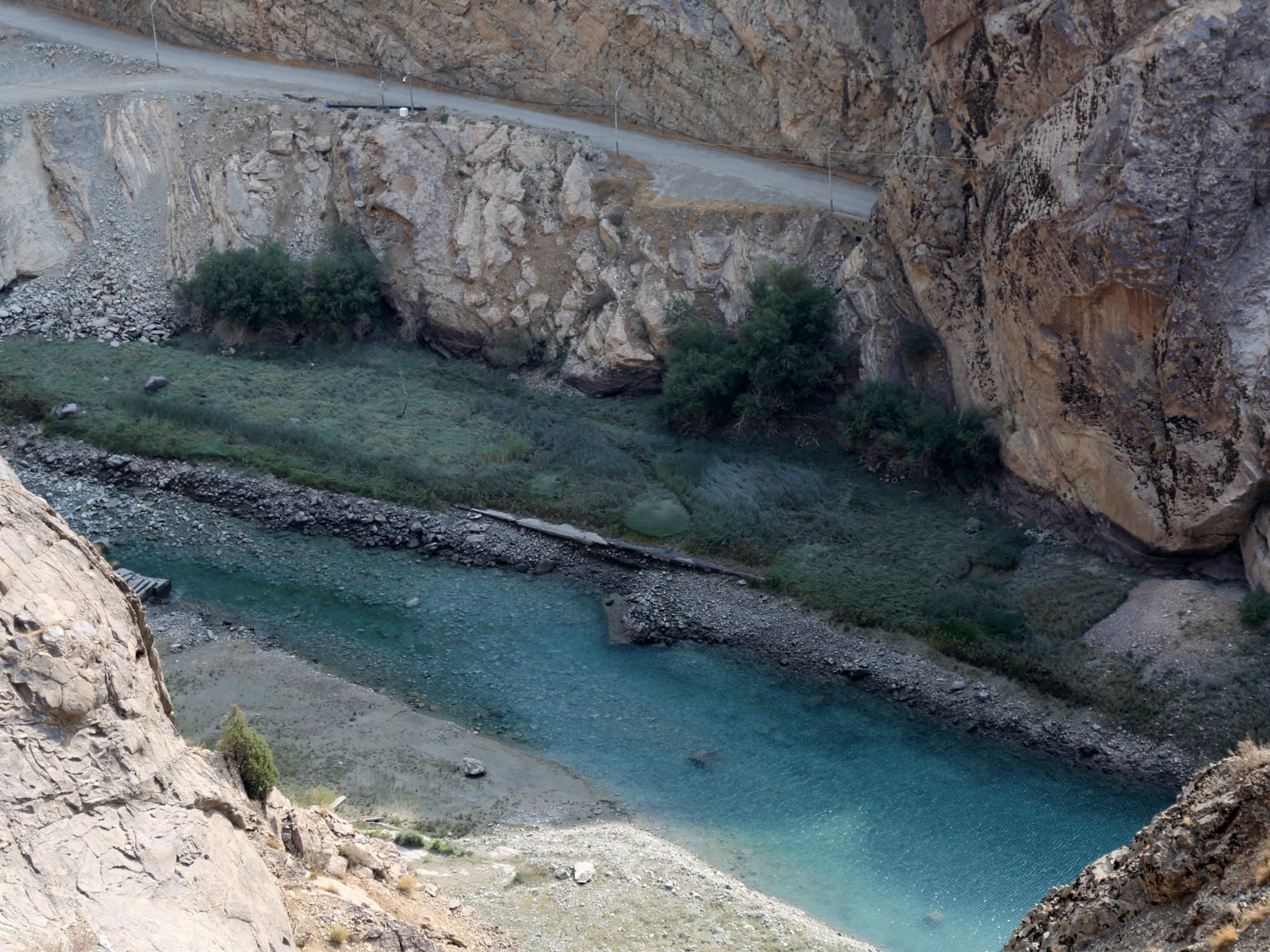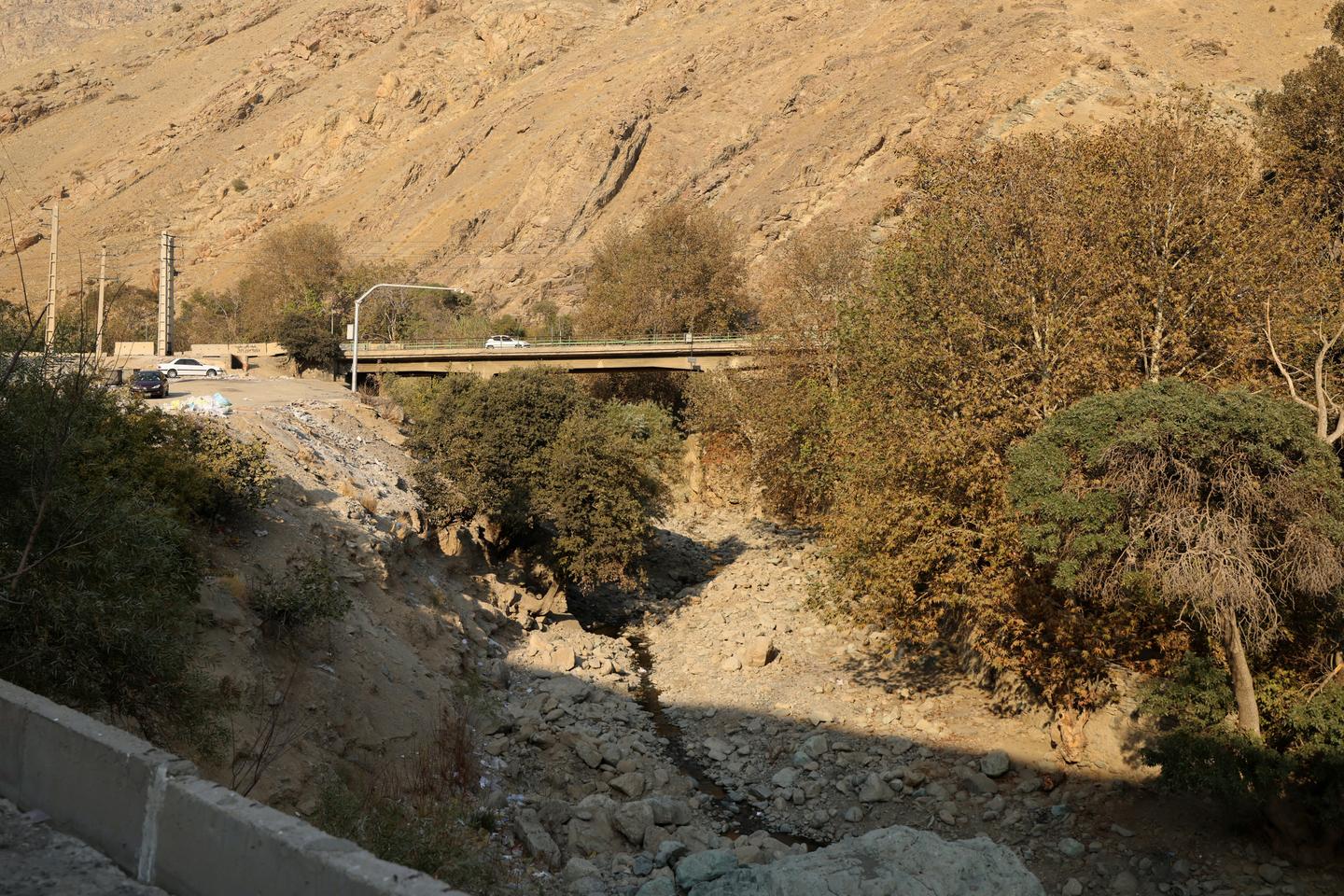
The dried-up Kan River, West of Tehran, November 9, 2025. ATTA KENARE/AFP
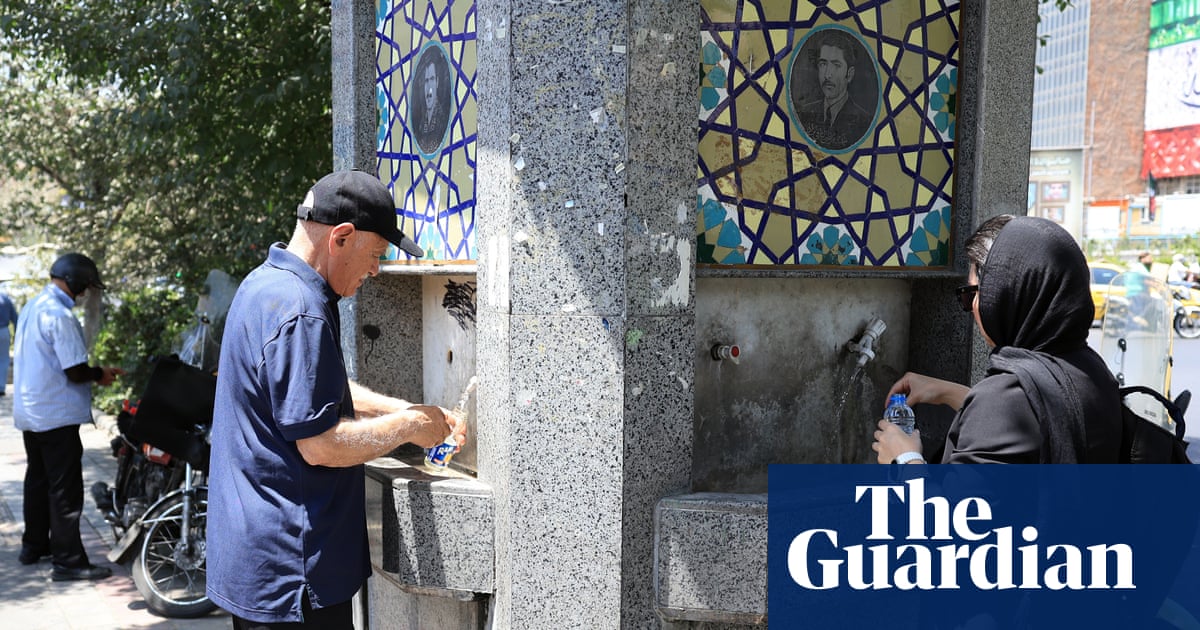
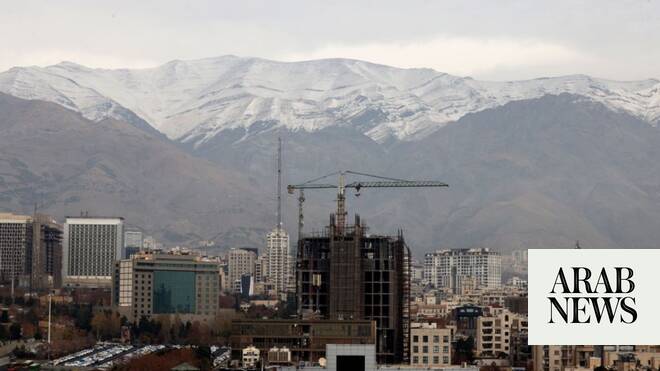
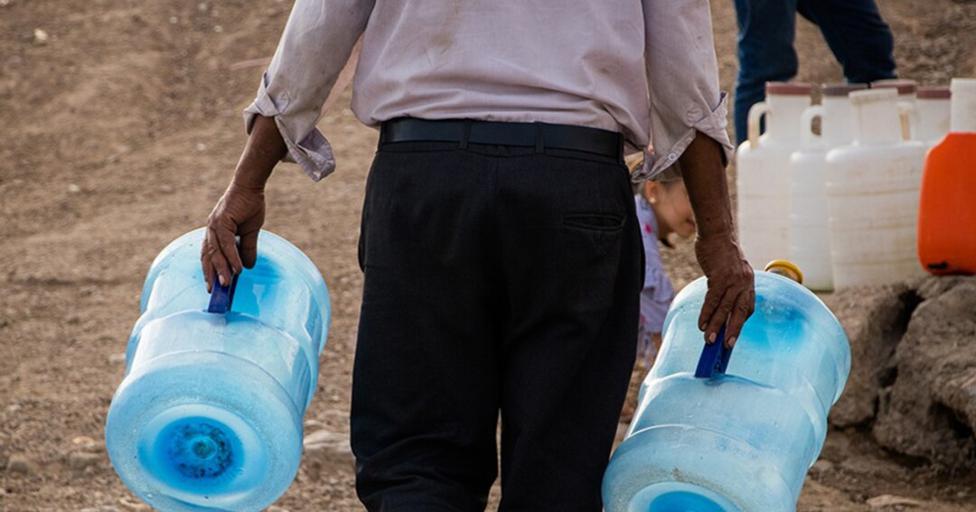
Iran is currently enduring its sixth consecutive year of drought, prompting authorities to consider evacuating Tehran, the Iranian capital, and its suburbs – an area home to more than 14 million people. After another dry, scorching summer, autumn has brought exceptionally low rainfall to this country with a continental climate, and the nation's main dams have dropped to critical levels.
According to Sadegh Zeyaeyan, director of the National Meteorological Forecasting Center, quoted by Iranian news agencies on November 8, rainfall has decreased by nearly 86% nationwide since the start of the hydrological year (beginning September 23), and by 96% in Tehran, where only one millimeter of rain has fallen – a phenomenon that has not been seen in a century, as the average annual rainfall for 1991-2020 was 220 millimeters.
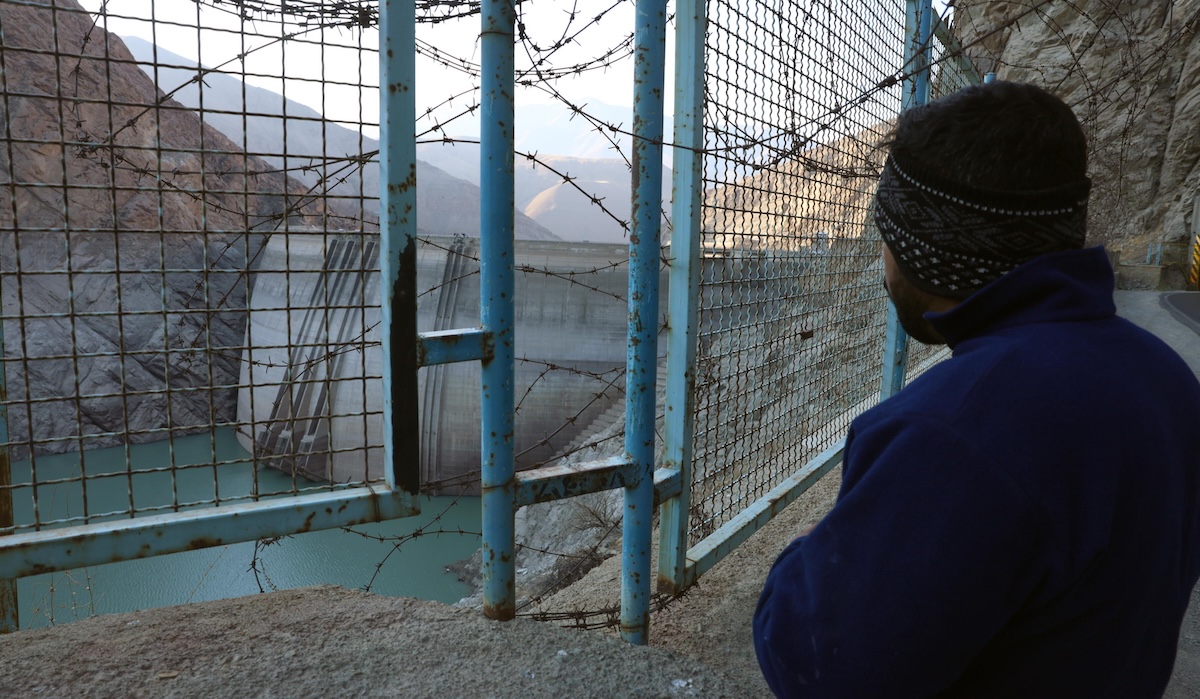
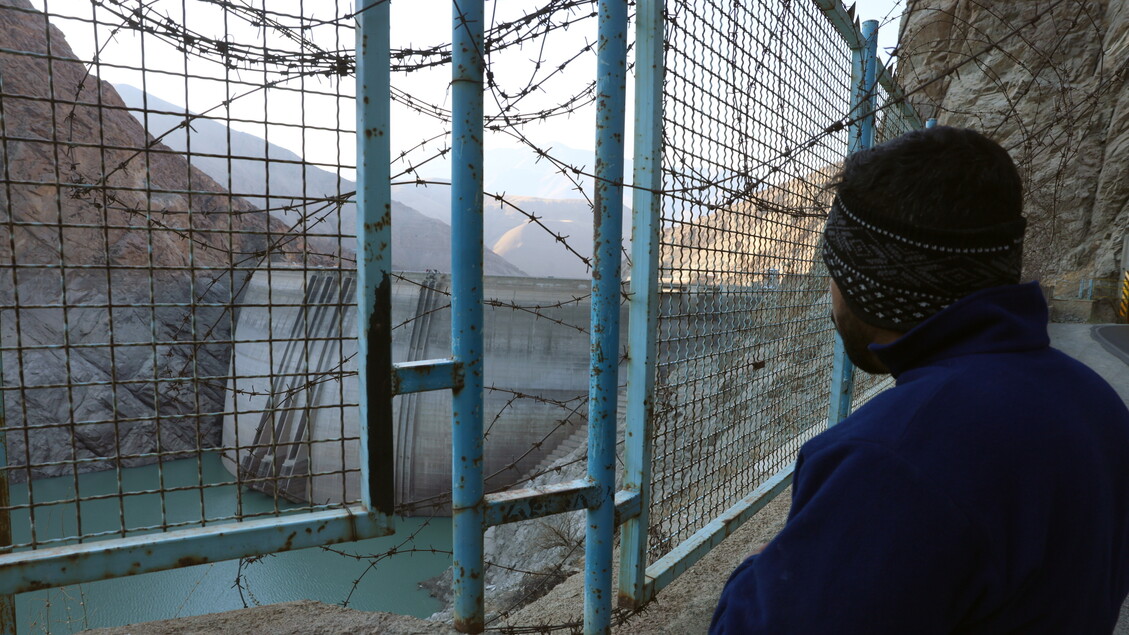
On November 6, Hashem Amini, director general of the state-owned company in charge of drinking water and wastewater management, acknowledged that reserves in the five dams (Karadj, Latyan, Lar, Mamlou, Taleghan) supplying the capital are at their lowest point in 60 years – "a situation we have never seen before," he said. According to the state company, the dams are filled to no more than 11% of their capacity.