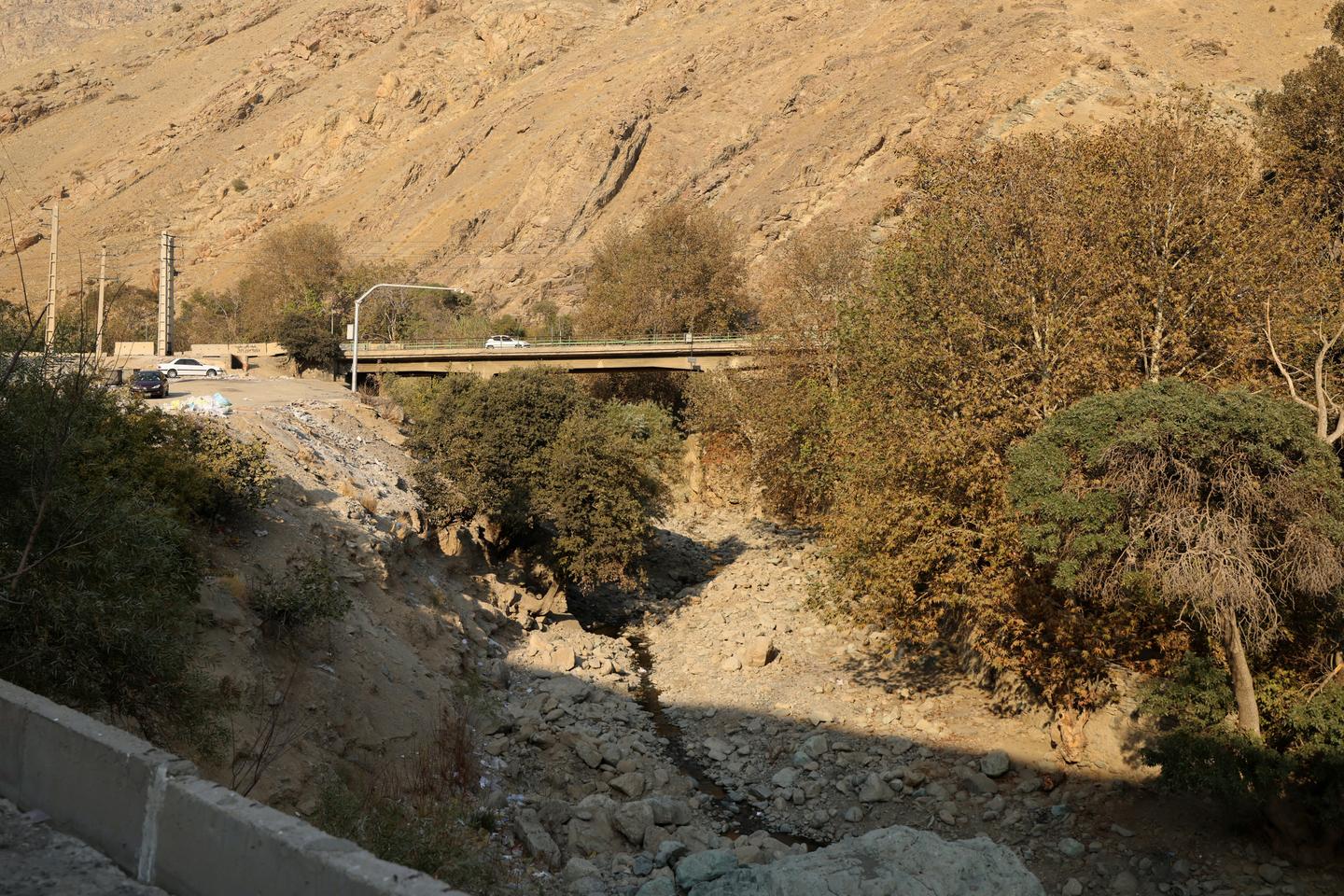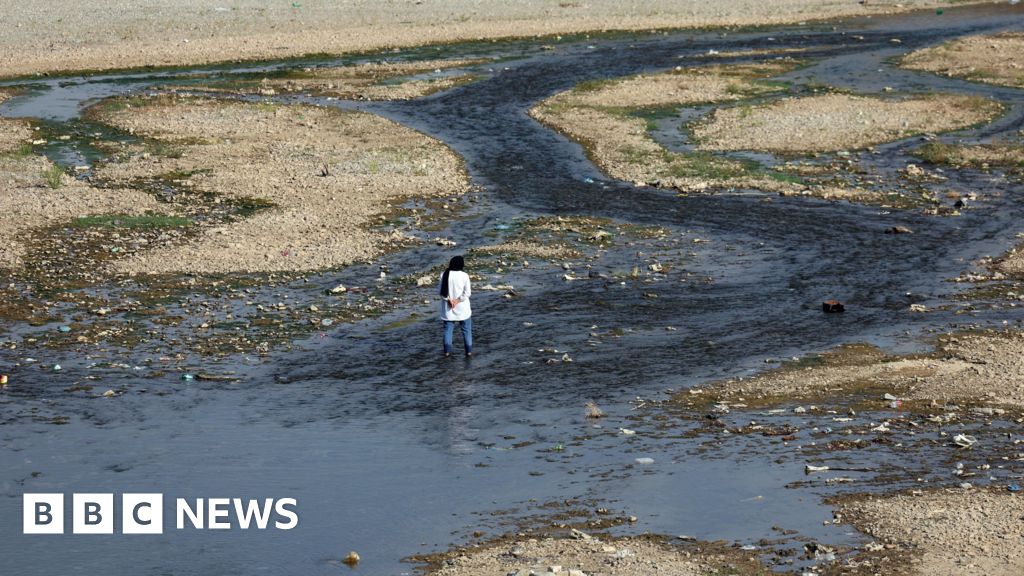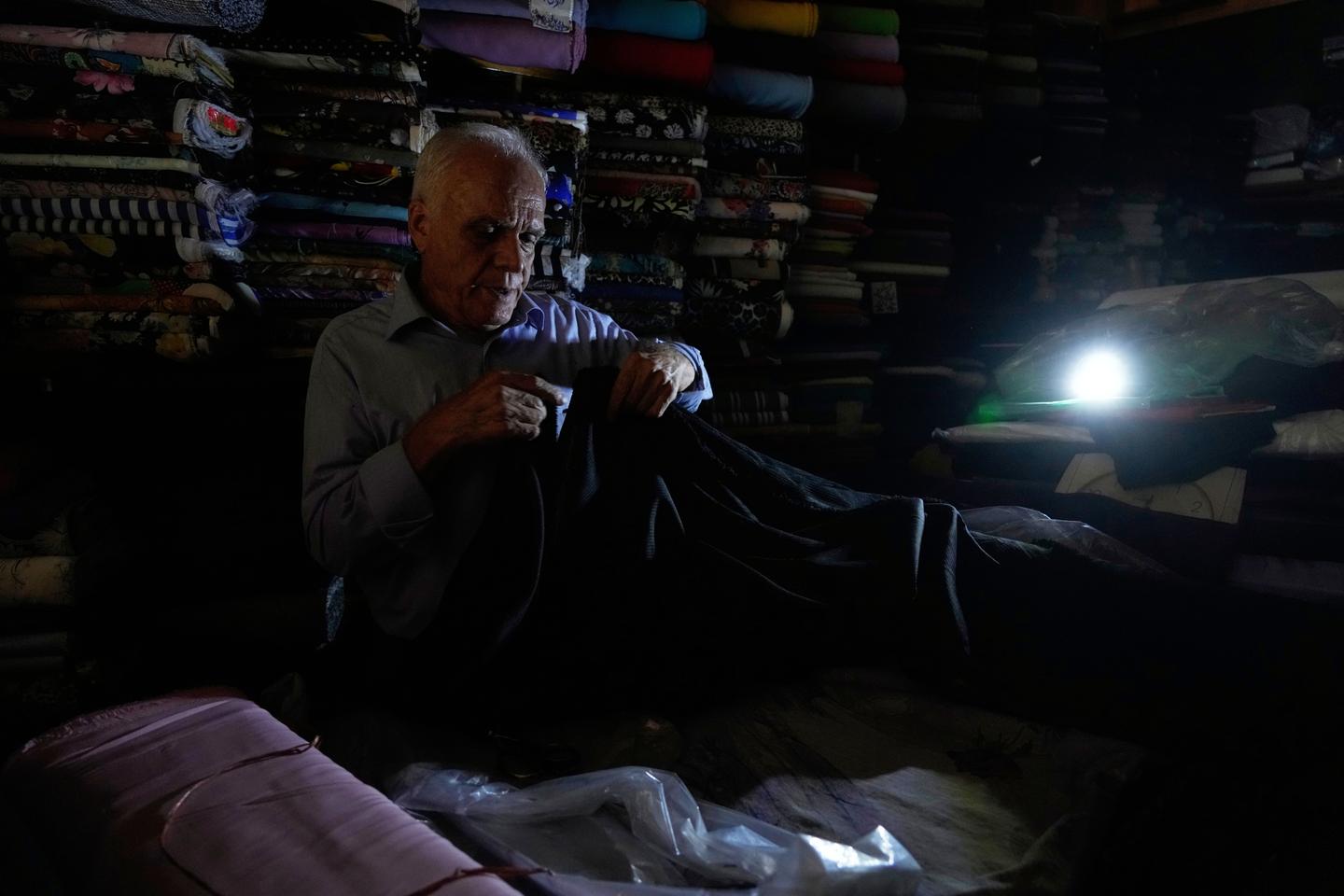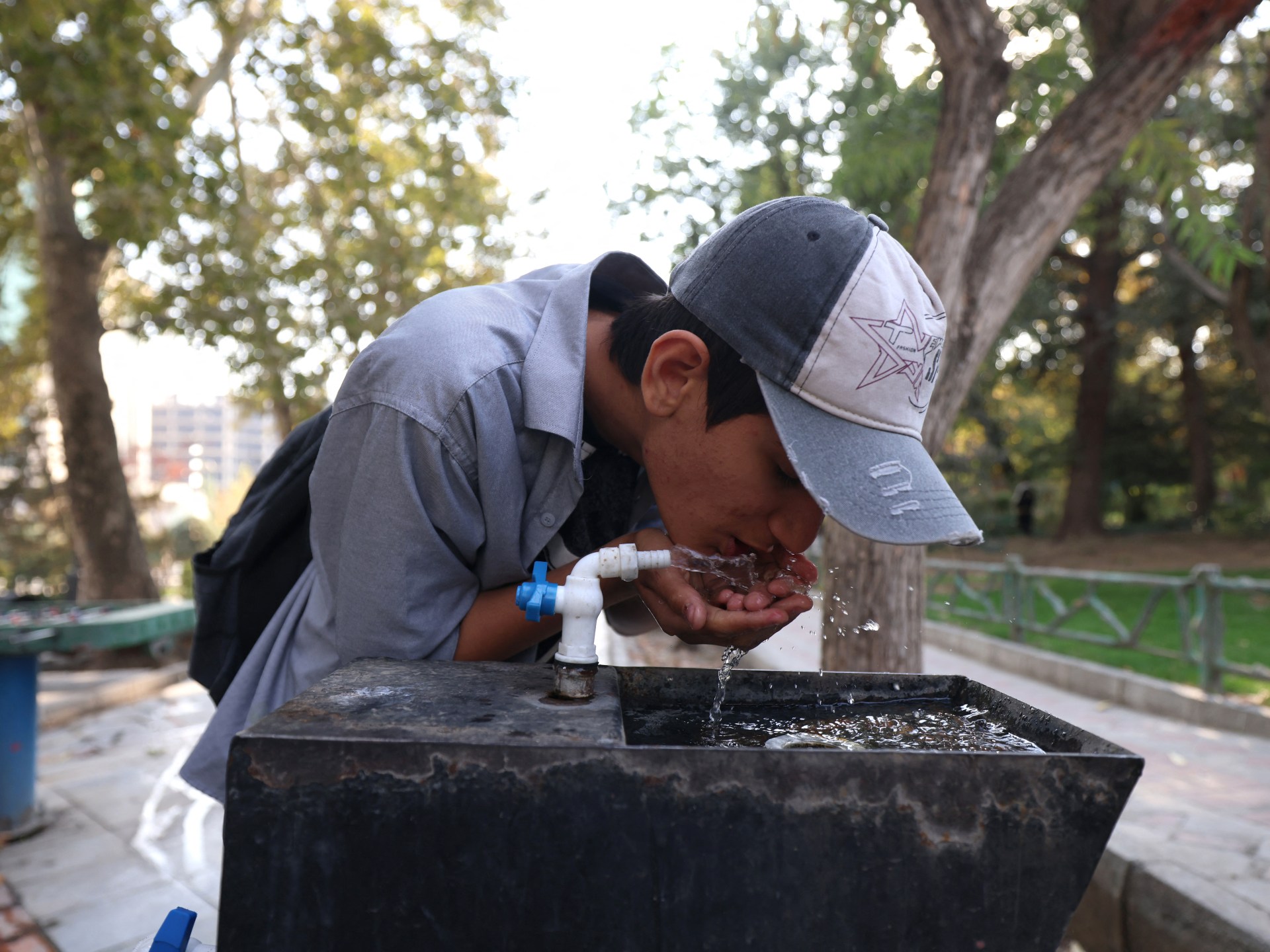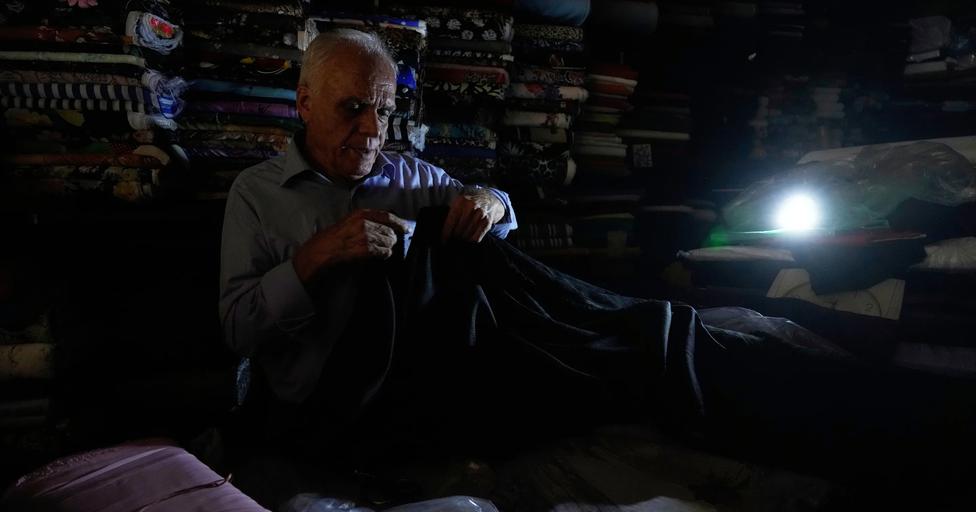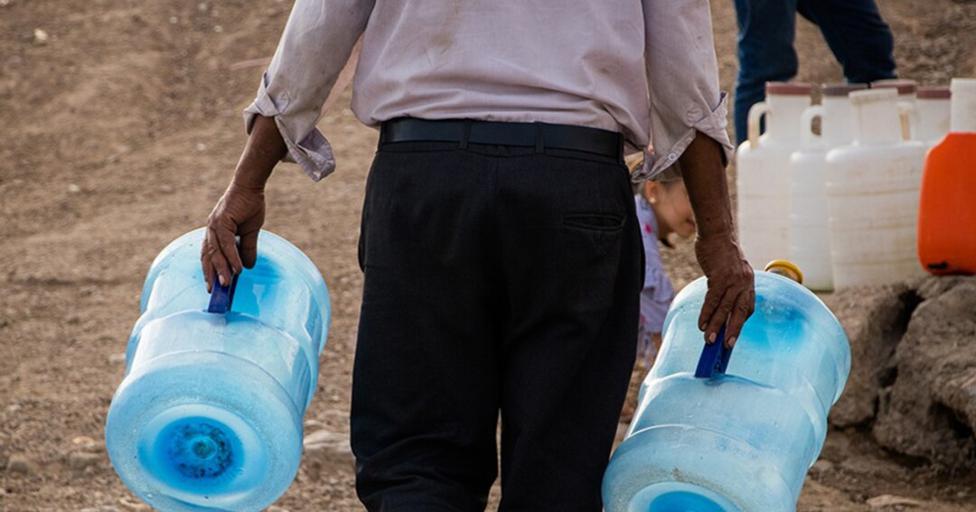
The warm days of the year have begun for the people of Iran, and it appears the upcoming summer will be even more difficult than 2025 in terms of water resource management, particularly for those living in the capital.
The status of the five dams supplying Tehran’s water makes the outlook for this “harsh summer” even more tangible for residents, especially following a grueling war. In the first ten days of May alone, reservoir deficits reached 90 million cubic meters compared to the same period last year.
The spokesperson for Iran’s water industry recently stated that while the average fill rate for dams across the country is around 65%, the dams supplying Tehran are only 22% full.
Issa Bozorgzadeh emphasized that “35 million people in the country are facing water shortages,” explaining: “Alborz and Tehran provinces still require water consumption management. Despite favorable rainfall, the metropolis of Mashhad is also not in a good position because the Doosti Dam has not collected enough water.” To Bozorgzadeh’s list, we must add Qom and Markazi provinces.
Dr. Mansour Sohrabi, an agroecologist and environmental researcher, and Nikahang Kowsar, a water expert, mapped out Tehran’s hydraulic outlook for IranWire.