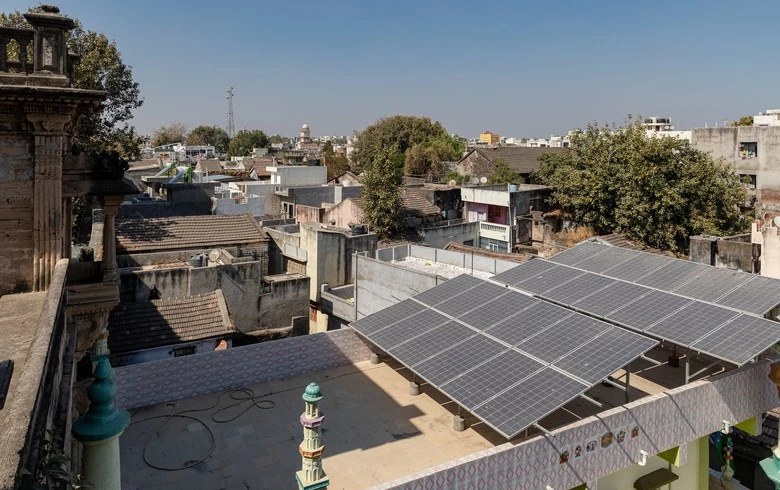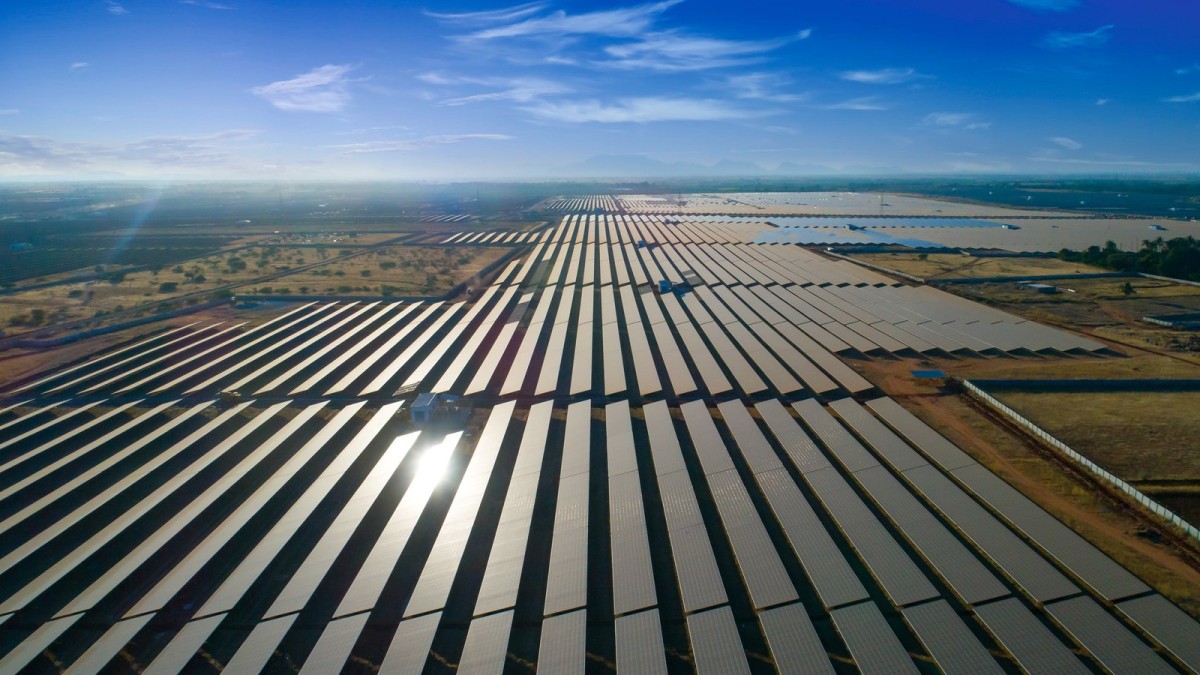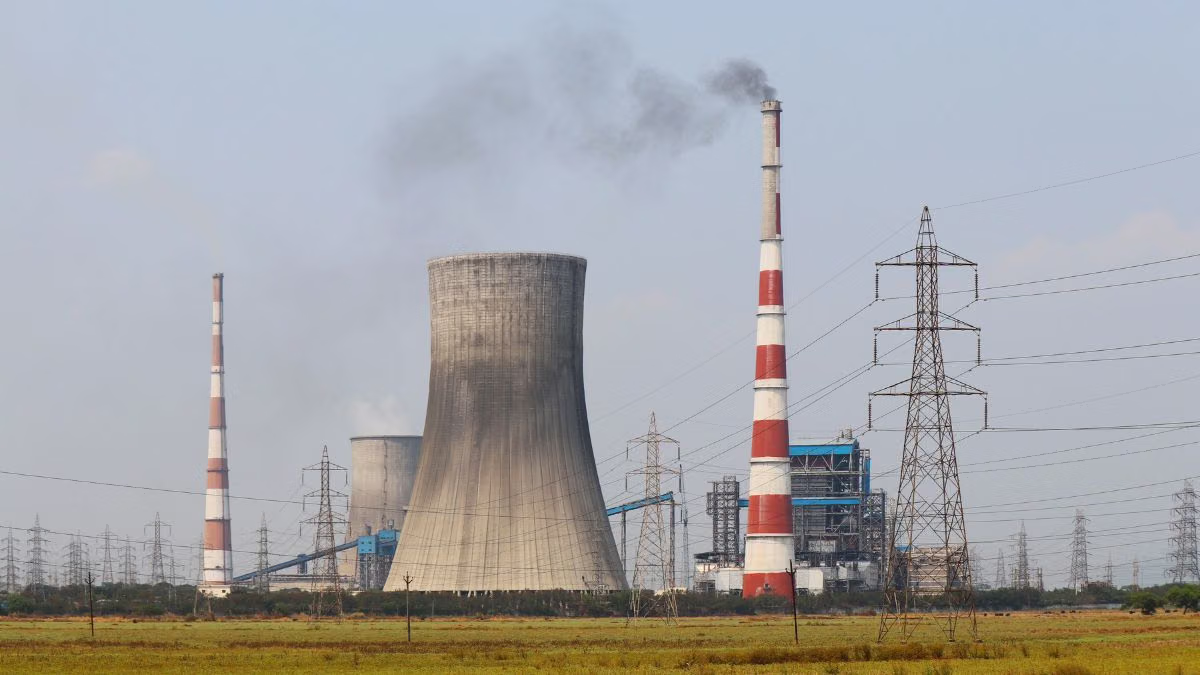
The share of renewable, non-fossil fuel sources in India’s installed electricity capacity has crossed 50 per cent. India now has the world’s third-largest renewable fleet, and it is growing faster than ever. Installed capacity, however, does not translate directly into electricity generation. On that measure, India remains a coal-based economy. Coal still supplies close to three-quarters of the electricity we consume. A policy framework that bridges this gap between a 50 per cent clean installed-capacity mix and a 75 per cent coal generation mix is the challenge for India’s energy transition.
The costs of continuing coal
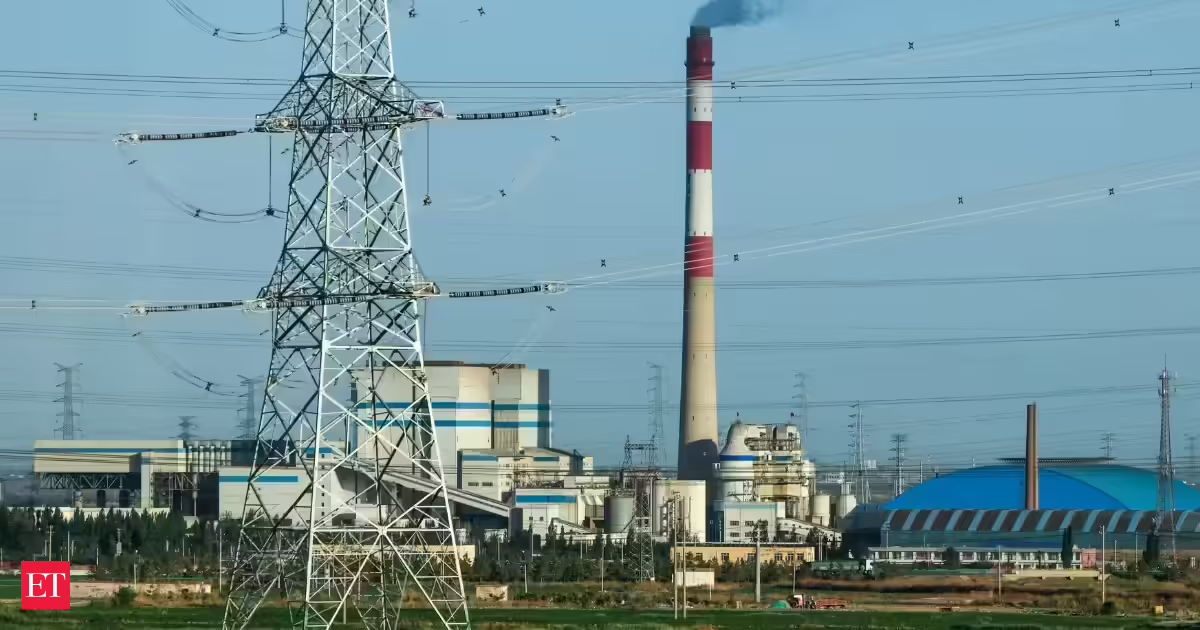
Solar generates electricity only when the sun is shining, while wind can be seasonal and uneven. Coal, by contrast, runs around the clock. So why should we care about the dominance of coal? Because it is the single largest source of the country’s carbon dioxide emissions. India’s coal-dominated grid and its pledge to achieve net-zero emissions by 2070 cannot co-exist indefinitely.Coal plants also emit fine particulate matter, sulphur dioxide and nitrogen oxides that lodge in the lungs and bloodstream, contributing to asthma, strokes and heart disease. The burden falls hardest on the poor who are least equipped to absorb the health and productivity losses. Research estimates that emissions from India’s coal-fired plants were associated with over 80,000 premature deaths in 2015. This could rise four- to five-fold by 2050 if coal capacity keeps expanding. Another study estimates that if currently planned plants are built alongside the existing fleet, deaths linked to coal-plant pollution would exceed 112,000 a year, about an eighth of all deaths attributable to ambient PM 2.5 in India.