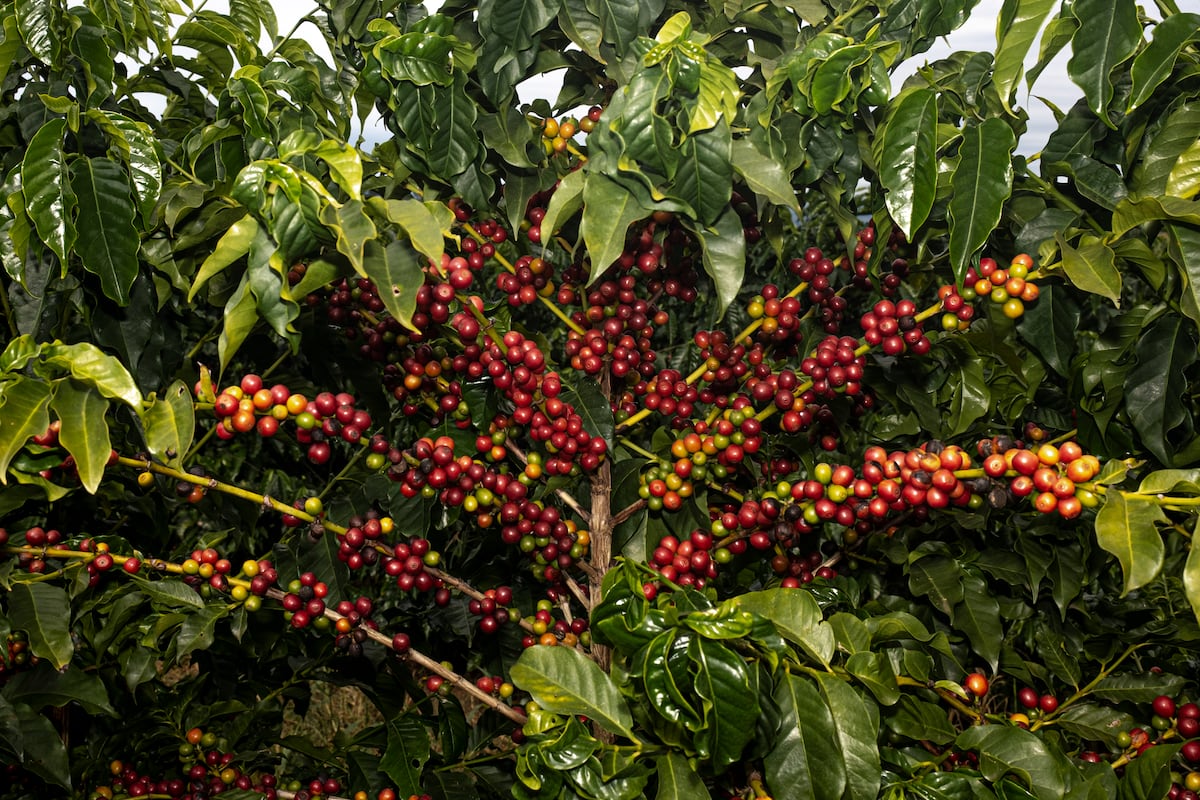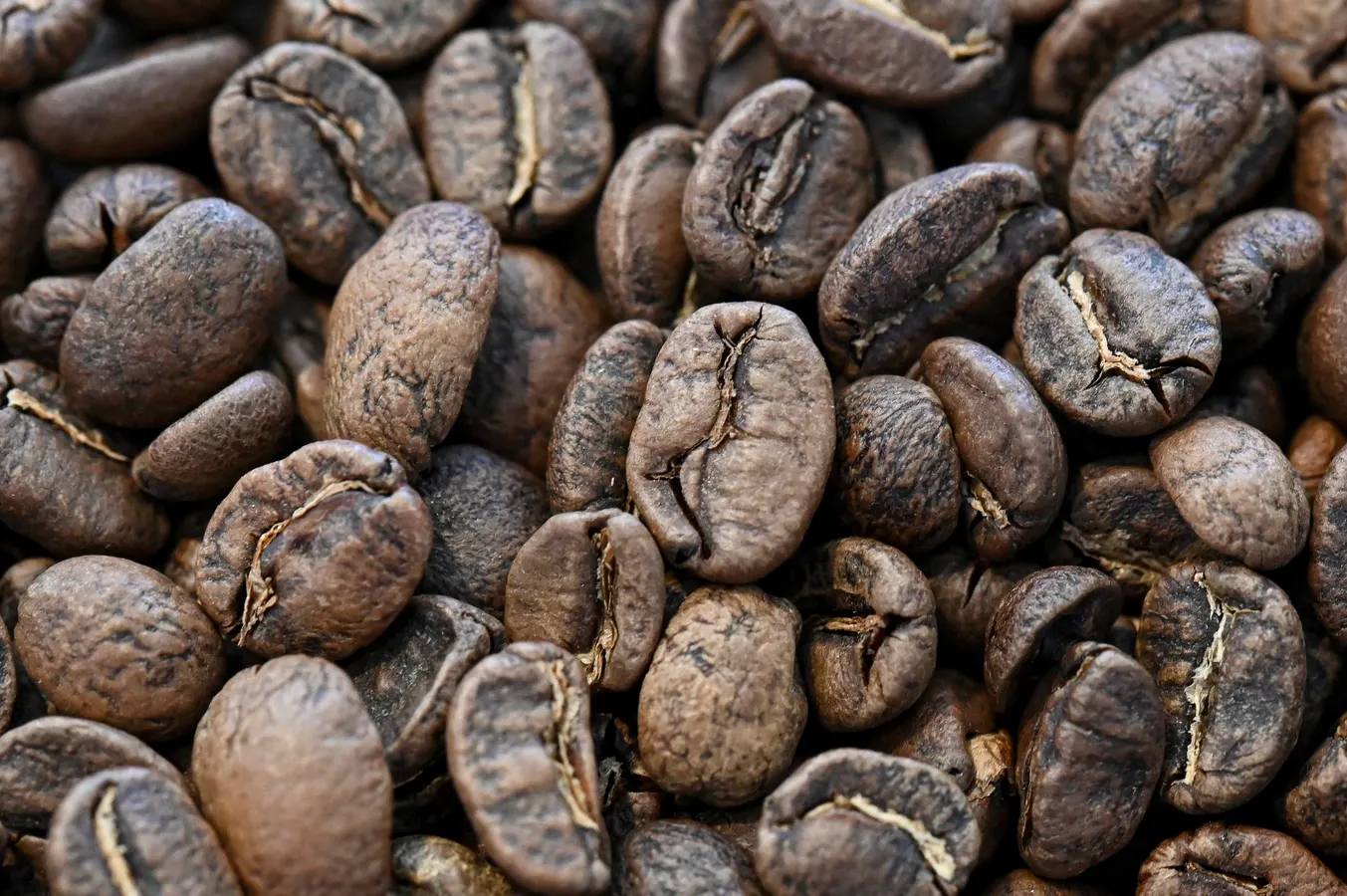
ToplineCoffee and chocolate, two of the world’s most widely consumed and traded commodities, soared in value as investors appeared concerned El Niño weather patterns could disrupt harvests across Brazil and West Africa, with analysts warning that coffee has approached “meme-stock territory.”Arabica coffee futures soared toward “meme-stock territory” after their largest one-day move in decades, analysts said.AFP via Getty ImagesKey FactsCoffee futures jumped as much as 18.5% on Monday, hitting $3.57 per pound in the commodity’s largest intraday gain since 2000, and extending a 48% rally since June 10, before stumbling by more than 7% in early trading Tuesday.Monday’s “historic session” pushed coffee futures into “meme-stock territory,” according to the financial services group StoneX, which said aggressive buying by institutional investors and computer-driven trading funds overwhelmed heavy selling from coffee-producing countries.Weather concerns have increased as traders anticipated possible harvest disruption from the El Niño weather pattern, and supplies of premium Arabica coffee are tight, StoneX said, but analysts said there is “no actual weather issue” affecting Brazil’s crops and that “quality remains the primary concern.”El Niño developed in the Pacific earlier this month, and the weather pattern typically has a “significant” impact on Northern Hemisphere countries during the winter, will likely peak between November and January, and result in hotter-than-normal temperatures and more irregular rainfall, according to the National Oceanic and Atmospheric Administration.Cocoa futures surged 13% on Monday to their highest level since January, largely driven by persistent rains across West Africa, adding to supply concerns, according to Ole Hansen, Saxo’s head of commodity strategy.what to watch forWhether the Intercontinental Exchange, where Arabica coffee futures trade, raises its margin requirements, forcing futures traders to post more cash to maintain their positions. That could reverse a rally for coffee, while the potential shrinking of exchange-approved coffee could be a “major structural risk looming over the market,” StoneX warned.surprising factThe average cost for a pound of coffee in the U.S. reached an all-time high in April, peaking at just over $9.72 before dropping slightly to $9.51 in May, according to Federal Reserve data.key backgroundCoffee prices have peaked in recent years as poor weather in major producing countries like Brazil and Vietnam tightened global supplies. Higher production costs have yet to cut into demand, StoneX said in a note earlier this month, as coffee consumption hit a record high this year. Analysts cited a report finding that coffee remained the most-consumed beverage in the U.S., with 66% of adults reporting they had consumed coffee the previous day, edging out bottled or tap water. The commodity has also been impacted by soaring inflation in recent years, with the average cost for a tub of coffee surging by 115% between June 2020 and April 2026, according to Forbes’ estimates. further readingForbesHere’s How A Typical Bag Of Groceries In 2020 Costs Over 50% More TodayBy Ty Roush
Why Weather Concerns Just Sent Coffee And Chocolate Prices Soaring
Arabica coffee futures soared toward “meme-stock territory” after their largest one-day move in decades, analysts said.
470 words~2 min read