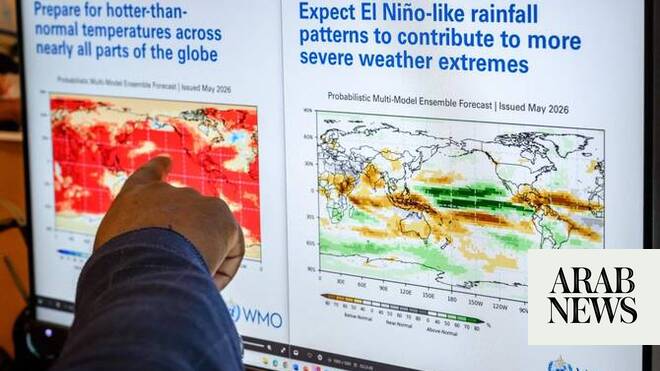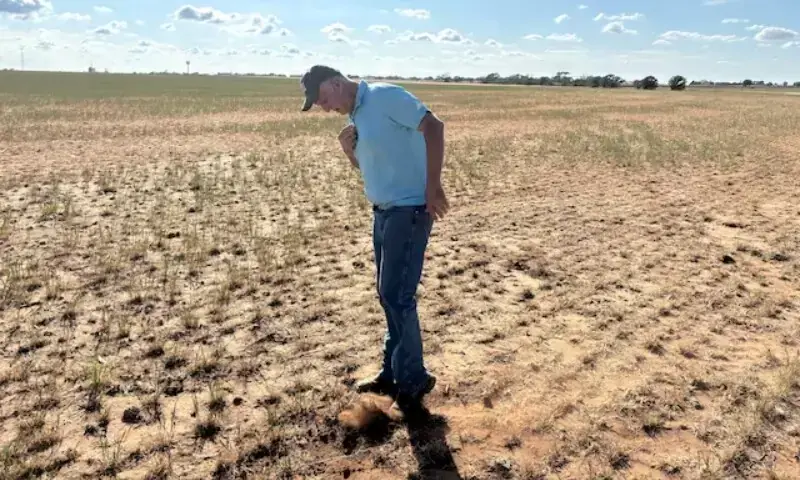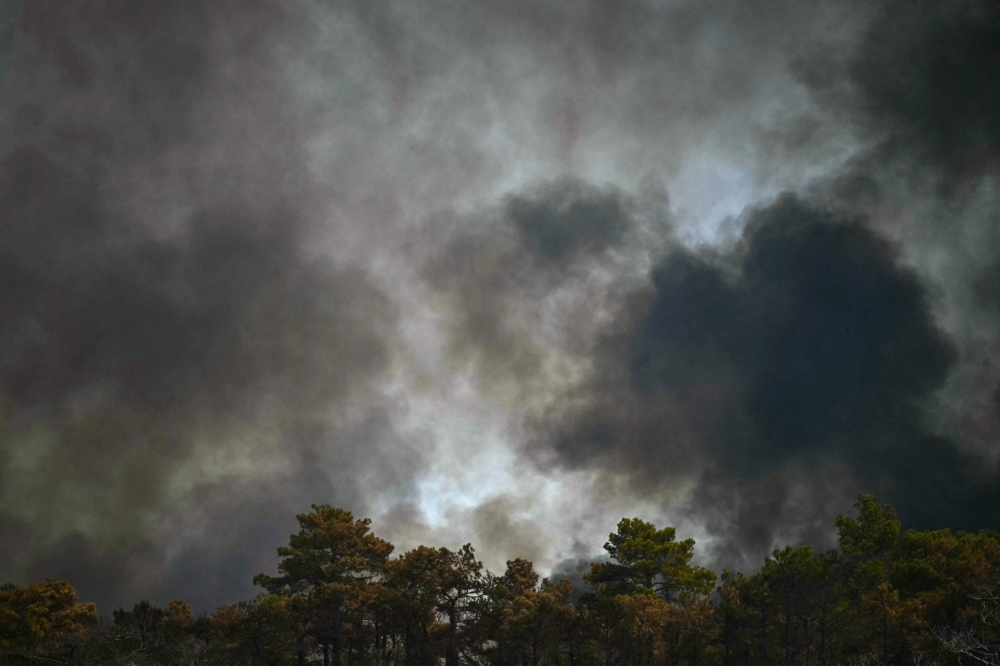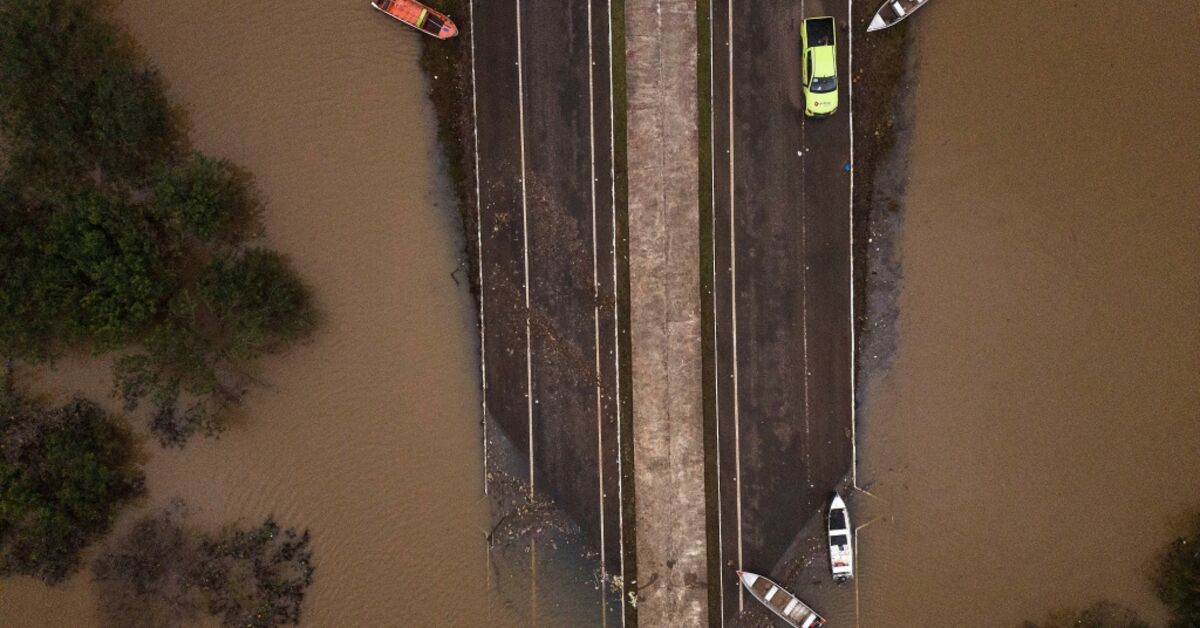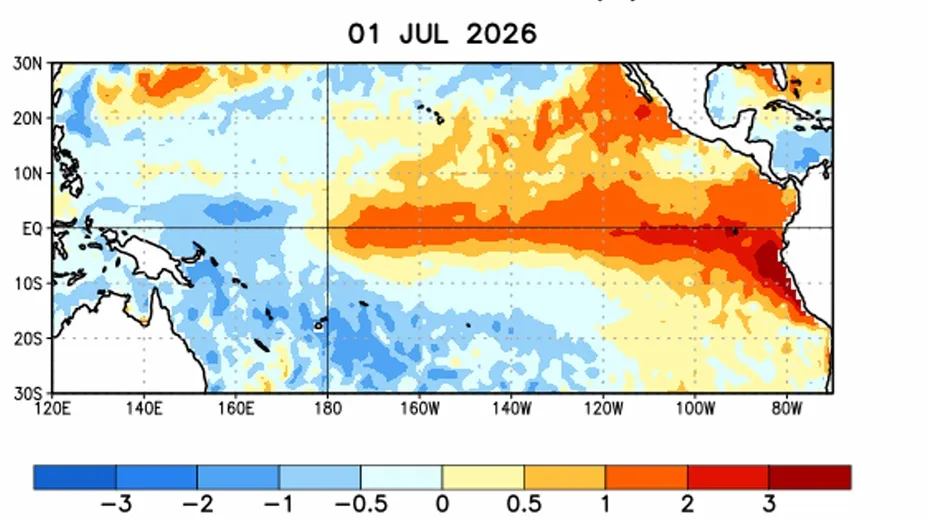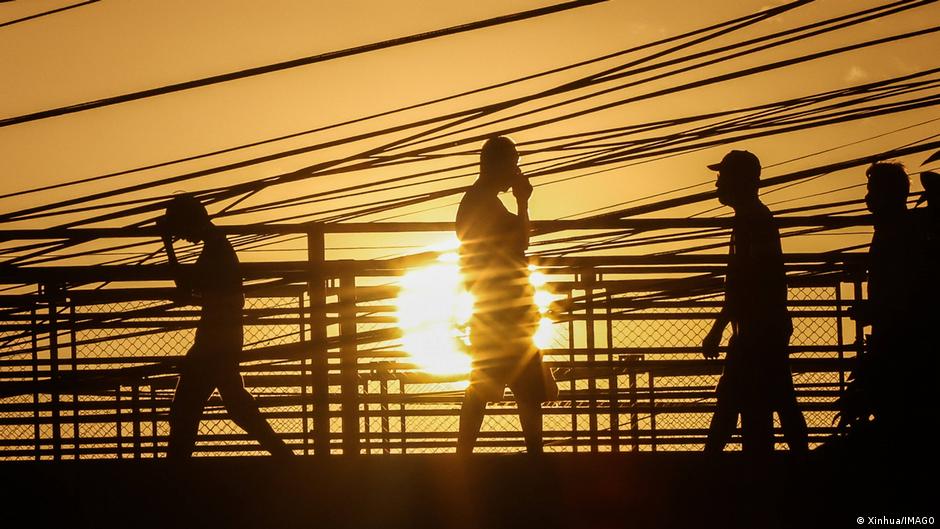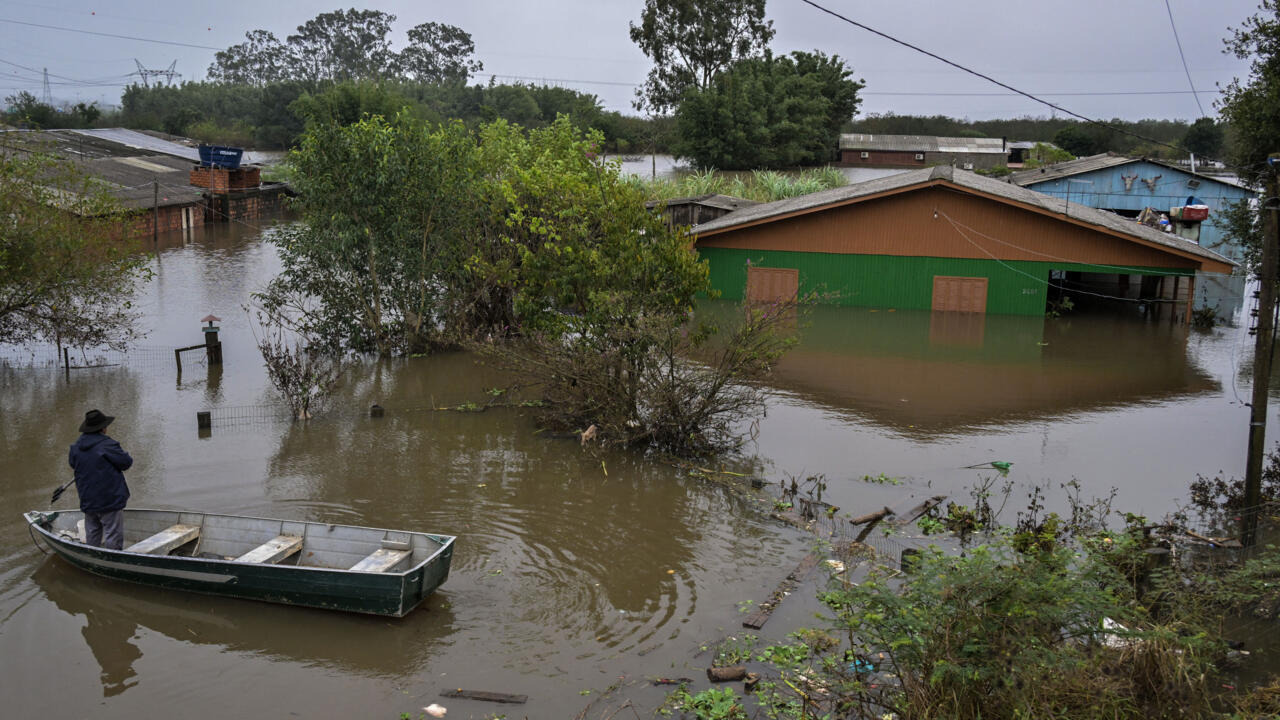
This current El Nino is expected to become the strongest on record, with forecast models pointing to an ‘extreme’ event that could trigger droughts, floods and other weather extremes across the world, a leading climate expert said on Tuesday.Speaking at a media briefing, Tim Stockdale, an El Nino expert at the European Centre for Medium-Range Weather Forecasts (ECMWF), said the current phenomenon was unlike anything observed in more than three decades of monitoring."I think it's absolutely true to say we've never had a forecast of an El Nino that was so strong and so consistent across (forecast) models”, the expert said according to AFP.Stockdale said it would be "a very, very big surprise" if the current event did not surpass previous records. "I would expect it to break records," he said, while cautioning, "but no guarantees."El Nino is a naturally occurring climate phenomenon that warms surface temperatures in the central and eastern equatorial Pacific Ocean, altering global wind, pressure and rainfall patterns. The event typically occurs every two to seven years, lasts around nine to 12 months, and is associated with drought in some regions and flooding in others.Although El Nino usually peaks between November and February, its effect on global temperatures is often felt later. AFP reported that, combined with human-induced climate change, the previous El Nino contributed to making 2023 the world's second-hottest year on record and 2024 the hottest year ever recorded.The warning comes as weather agencies increasingly point to an exceptionally strong event. Last month, the US weather agency declared that El Nino had developed and was expected to intensify into a potentially historic event. The World Meteorological Organization (WMO) also said last week that El Nino was likely to strengthen rapidly between July and September.The prospect of a powerful El Nino has prompted governments and international organisations to prepare for its potential impact. AFP reported that UN food aid agencies appealed for additional funding last month to implement preventive measures in vulnerable regions.In India, agricultural officials have begun preparing contingency plans to help farmers cope with the possibility of reduced rainfall linked to El Nino. The phenomenon is known to suppress the South Asian monsoon, potentially reducing rainfall across India and neighbouring countries where hundreds of millions depend on seasonal rains for agriculture and water security.Beyond South Asia, El Nino is expected to increase the likelihood of drought, heatwaves and wildfires in Australia, while bringing above-average rainfall to parts of the Horn of Africa. Large parts of southern, western, central and eastern Africa, however, are likely to experience drier-than-normal conditions.In South America, coastal Peru and Ecuador often receive above-average rainfall during strong El Nino events, increasing the risk of floods and landslides. Northern Brazil, by contrast, typically experiences drier conditions, raising the threat of wildfires in the Amazon.
Extreme' El Nino could become strongest on record, warns top climate expert
This current El Nino is expected to become the strongest on record, with forecast models pointing to an ‘extreme’ event that could trigger droughts, floods and other weather extremes across the world, a leading climate expert said on Tuesday.
463 words~2 min read