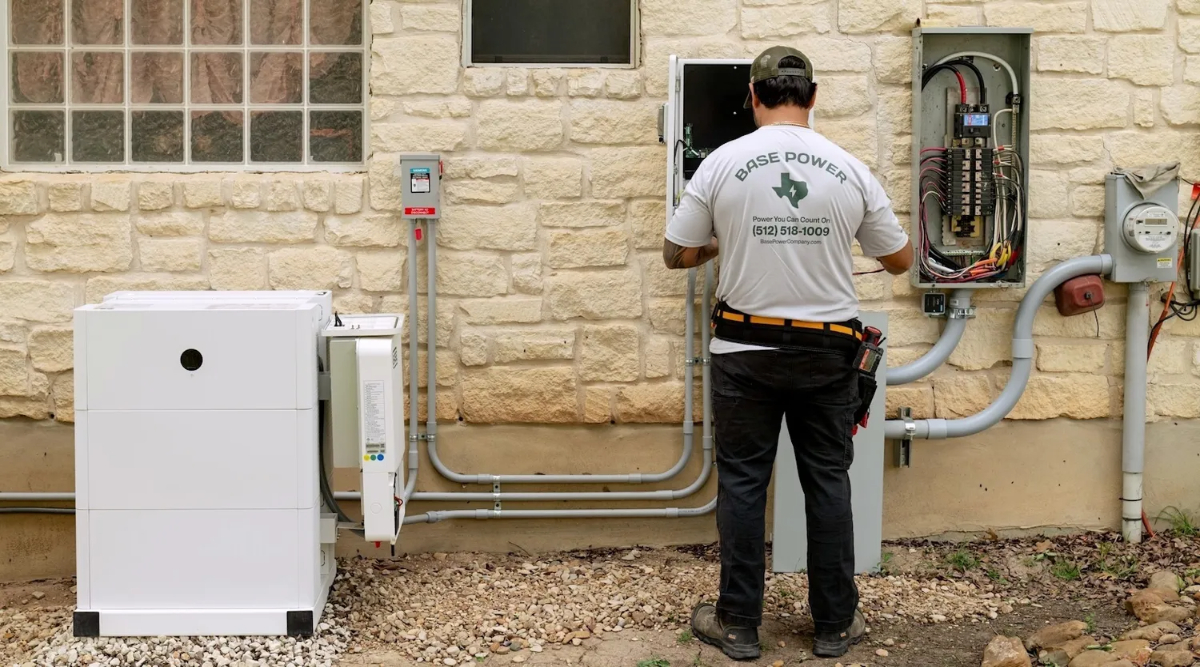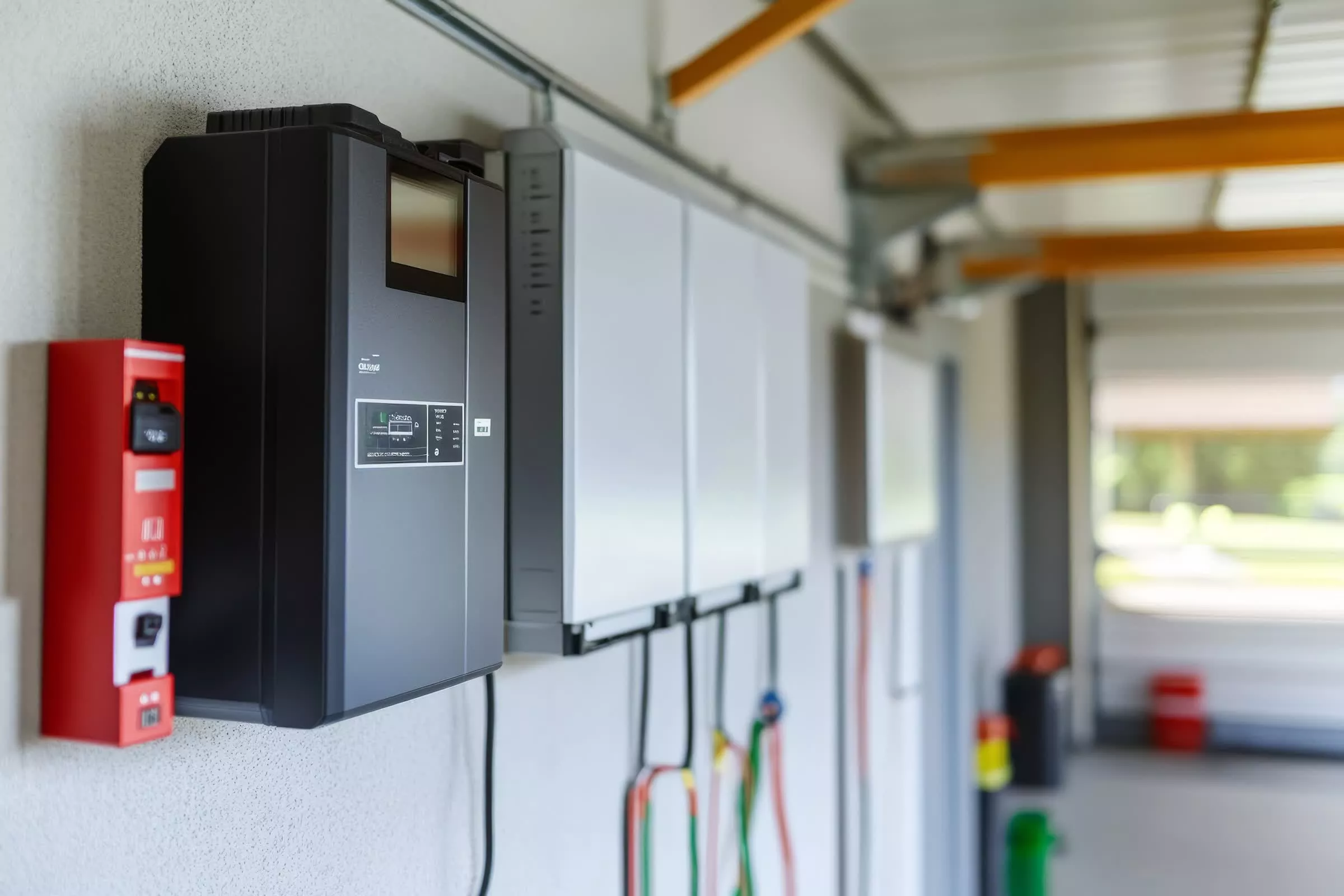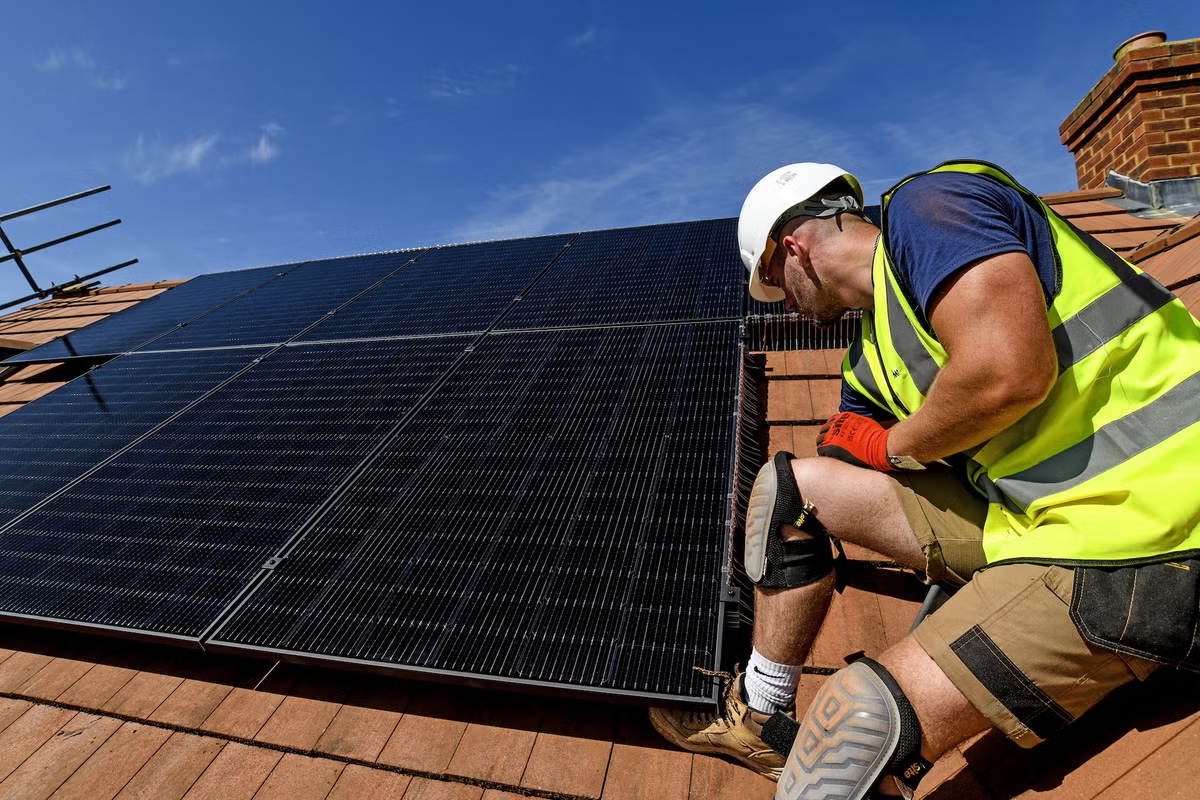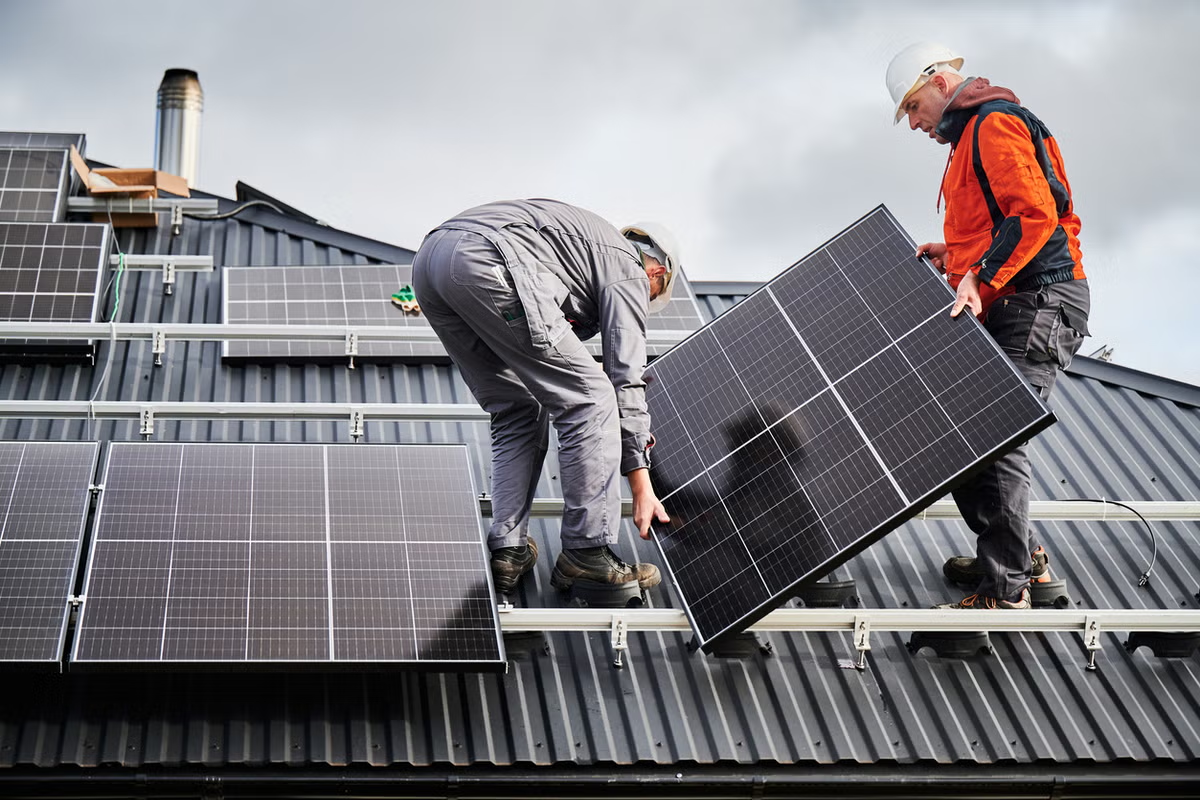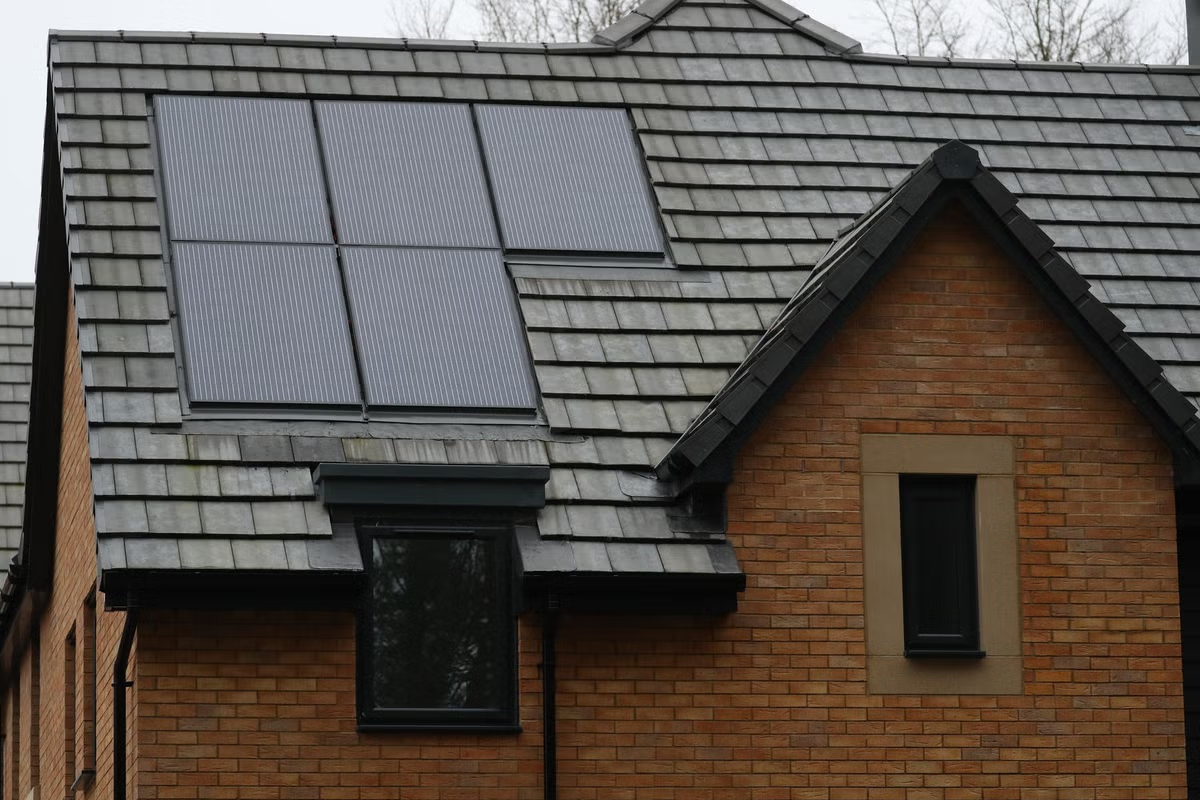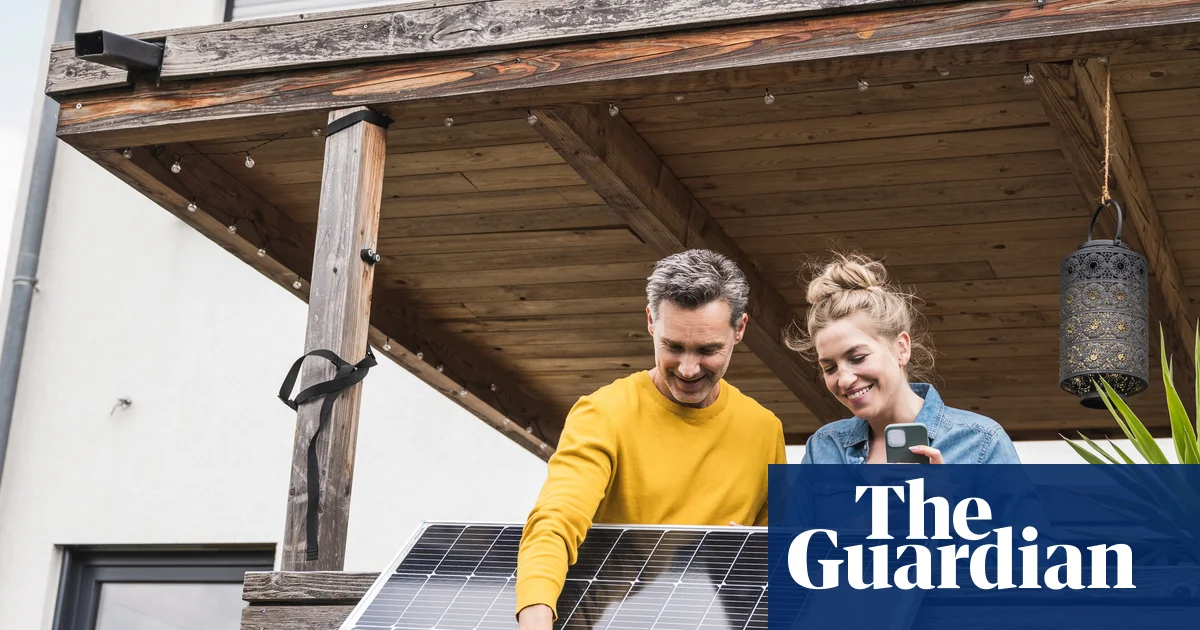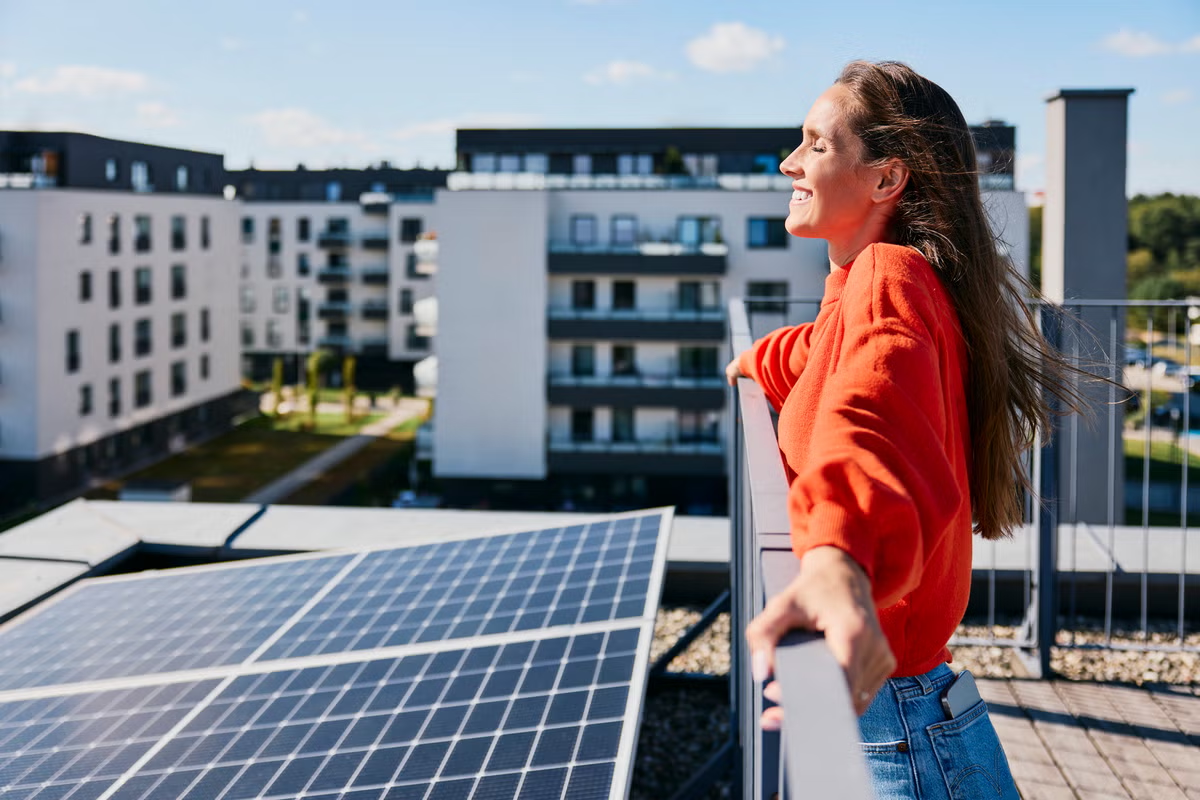
Solar power is booming across the UK. Last year, a record-breaking 269,000 solar installations were completed nationwide – a 37 per cent increase on the previous year and the highest calendar total ever recorded. This rapid growth is being driven by a 9 per cent drop in the cost of high-efficiency modern panels, combined with global geopolitical volatility that continues to trigger unpredictable fossil fuel price shocks. All across the country, sleek black panels are appearing on rooftops, lowering individual energy bills while pushing the UK closer to its ambitious decarbonisation targets.Increasingly, however, homeowners are realising that to unlock the full potential of their rooftop arrays, the ultimate step is to pair their solar panels with a home storage battery. The domestic solar vanguard is now using this combination alongside a suite of smart technologies to upgrade basic systems into highly profitable, independent micro-grids.The rise of the daylight economyPairing rooftop solar panels with a home battery and a dynamic smart tariff allows automated software to buy, store, and sell energy at the most profitable times (Getty Images)This emergent daylight economy stems from a growing awareness of the significant financial advantages to be gained when standalone solar setups are paired with a home battery. While a battery naturally allows you to store excess daytime generation for later use, its true advantage emerges when paired with a dynamic smart tariff. This combination transforms a household from a passive energy consumer into an active energy trader.Take Octopus Flux, a smart tariff from the UK's largest electricity supplier. Unlike standard tariffs that charge a flat unit rate throughout the day, smart solar tariffs offer time-of-use pricing that battery owners can use to their advantage. The tariff allows homeowners to set their own battery schedules via an app, buying cheaper electricity during the off-peak window between 2am and 5am, and exporting stored energy back to the grid during the premium peak demand period between 4pm and 7pm.Taking control of the gridIntegrated smart systems and flexible tariffs are allowing a wider variety of homeowners to upgrade their properties into self-sufficient micro-grids (Getty Images)For consumers starting from scratch, suppliers can now install integrated systems – comprising both panels and a storage battery – designed to link seamlessly with these smart tariffs. Crucially, this transition to active energy trading is not restricted to new buyers. Existing solar owners with a valid Microgeneration Certification Scheme (MCS) or Flexi-Orb certificate can transition to these dynamic tariffs, provided they have a compatible battery installed.This operational flexibility means a wider variety of households can now join the clean energy transition. By upgrading to self-sufficient micro-grids, domestic consumers are not only supporting the stability of the national grid and reducing carbon emissions, but they are also significantly insulating their own wallets against the volatile wider market.
How to turn the British sunshine into your own private power station
To really make the most of rooftop solar installations, savvy households are pairing their panels with home batteries and smart tariffs. In doing so, they are transforming passive generation into self-sufficient home micro-grids and driving a new "daylight economy"
463 words~2 min read