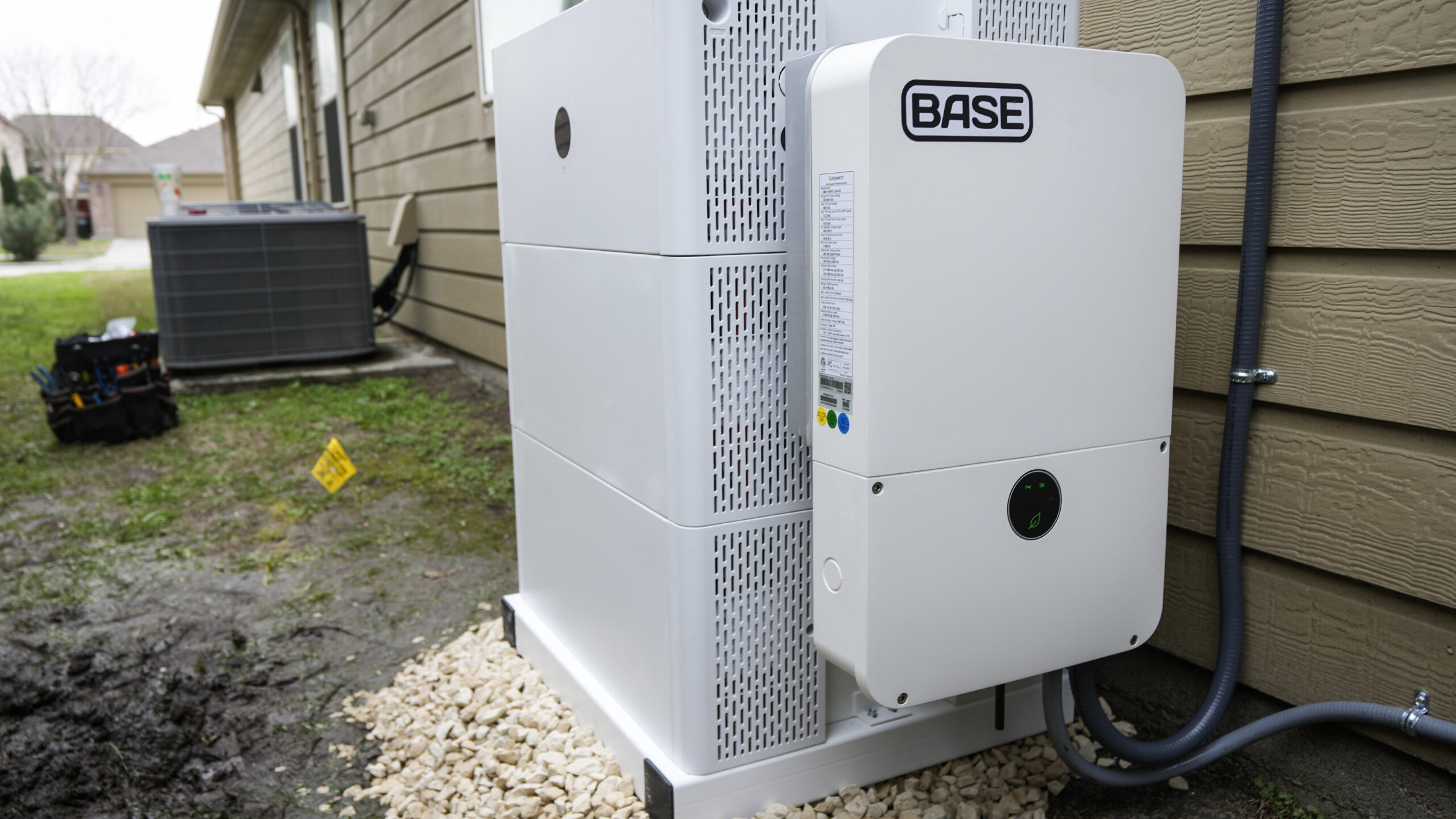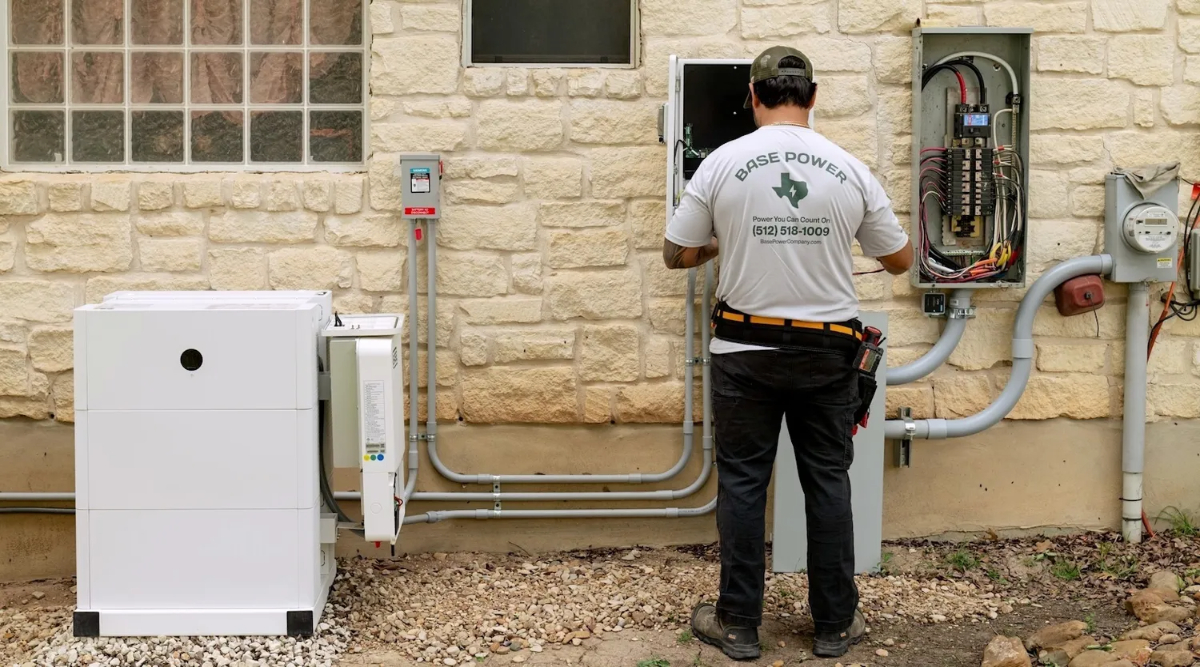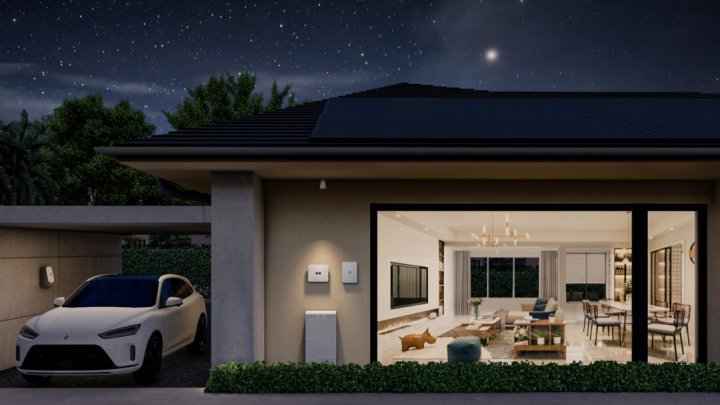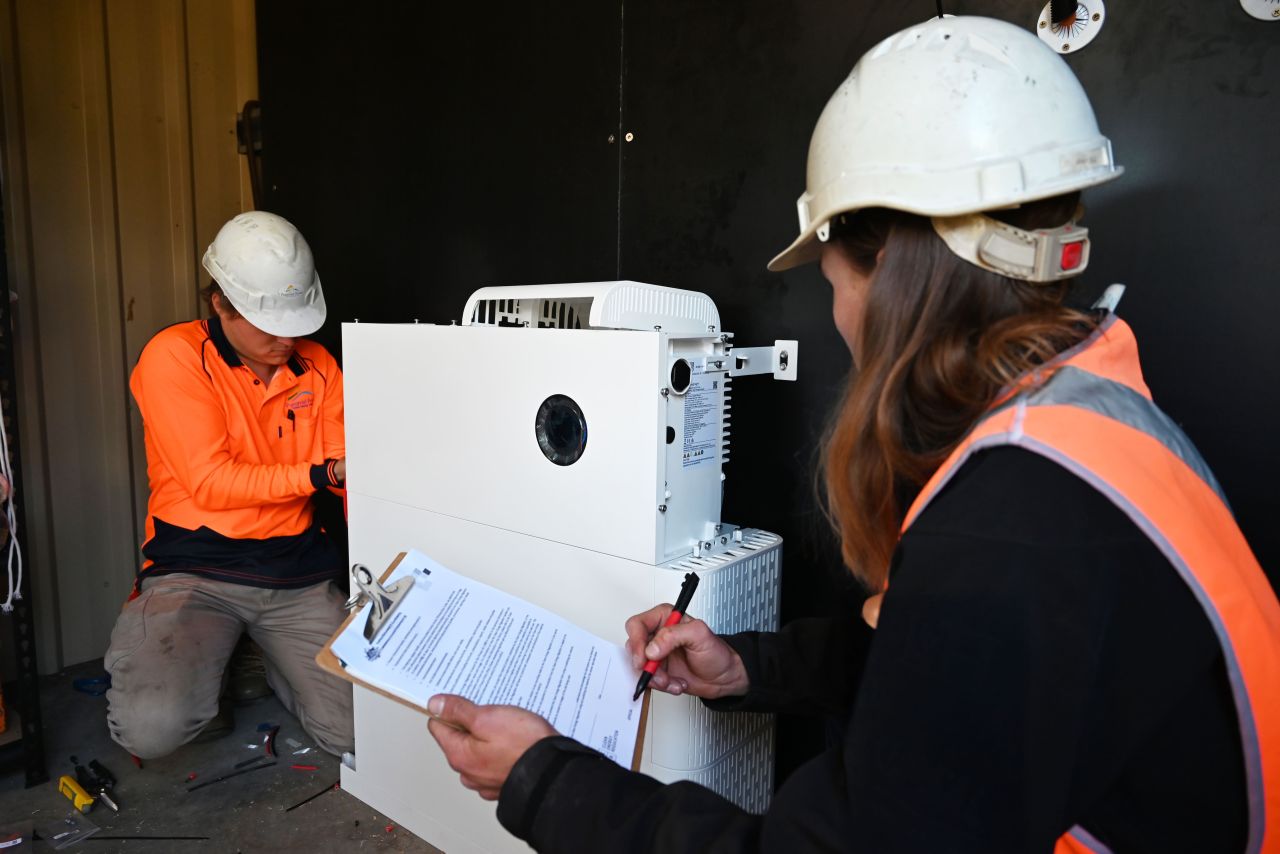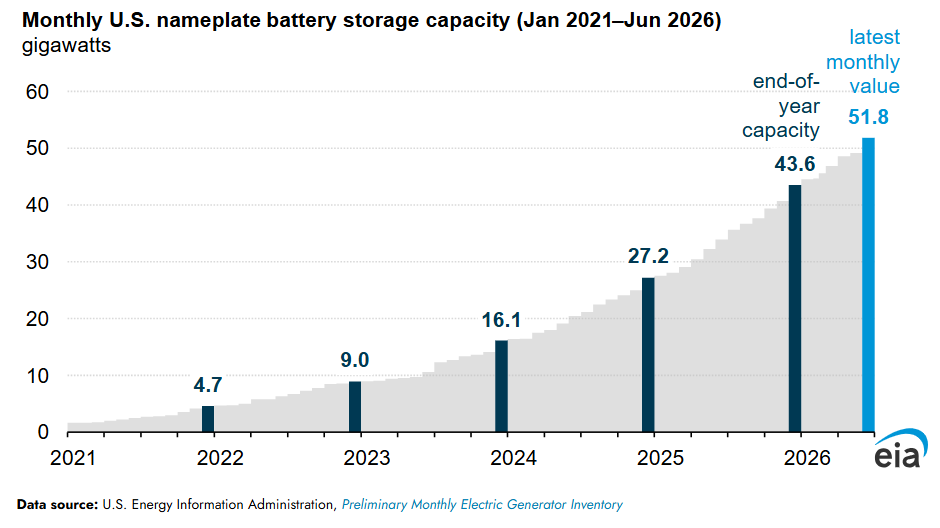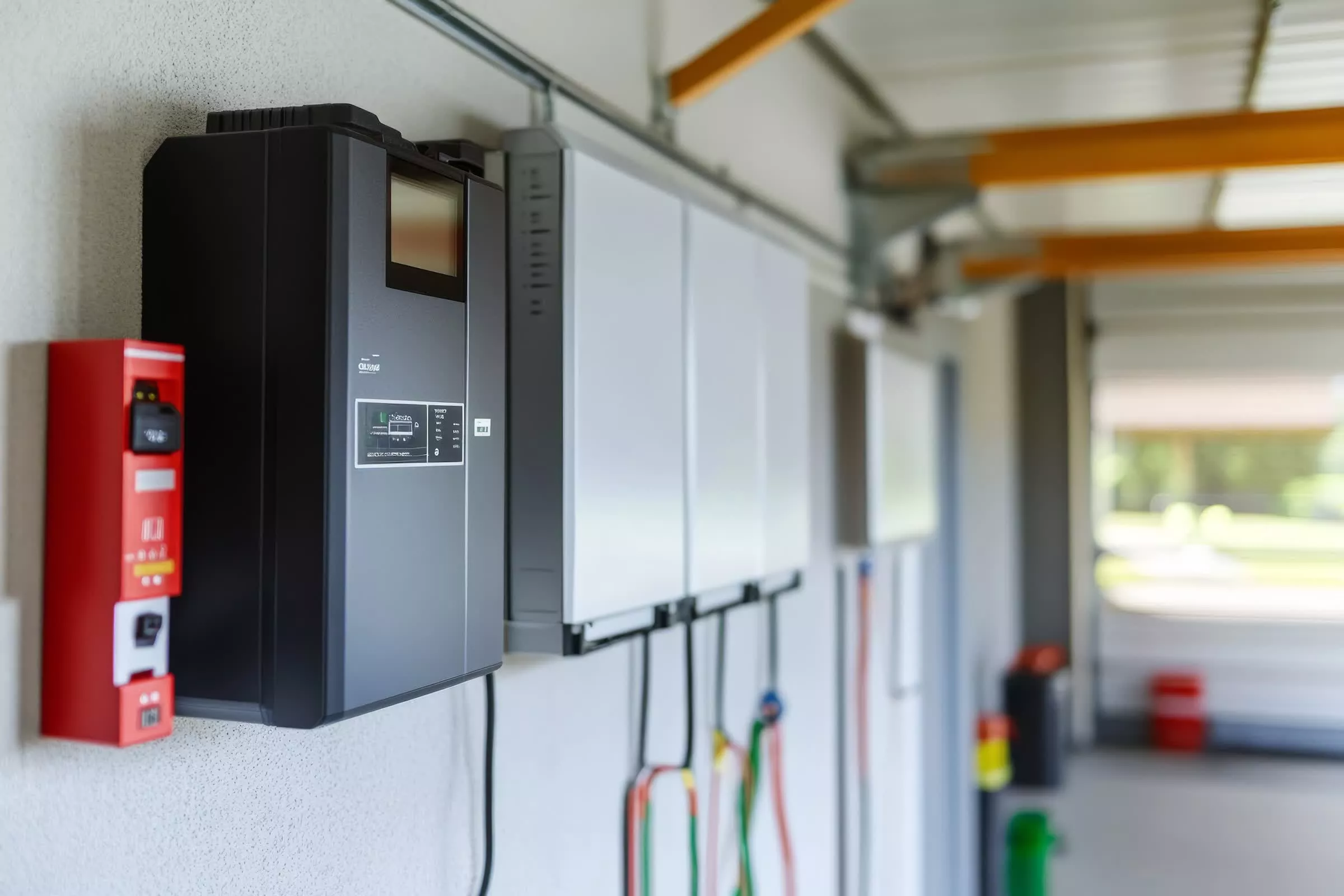
BOTTOM LINE: A growing slice of the country's energy storage capacity is being built in an unlikely place: inside people's homes. Residential battery systems are increasingly used for more than simple backup power, as homeowners and grid operators seek greater flexibility. Homeowners are installing batteries at a rapid pace, and that expanding fleet is being integrated into virtual power plant programs that grid operators can call on when demand spikes.
Recent data underscores how fast the market is moving. US homeowners installed 673 megawatts of battery storage in the first quarter of 2026, a record level, according to the Energy Information Administration. Much of that growth is concentrated in states where electricity is expensive and policies encourage storage, including California and Hawaii, as well as Texas and Arizona.
At a basic level, the appeal is practical. Batteries allow homeowners to store electricity when it is cheaper – often during the day when solar production is high – and use it later when prices rise. Growing numbers of home batteries are being managed collectively through virtual power plant schemes, which coordinate when they store and discharge energy so homes can act as part of a larger grid resource.