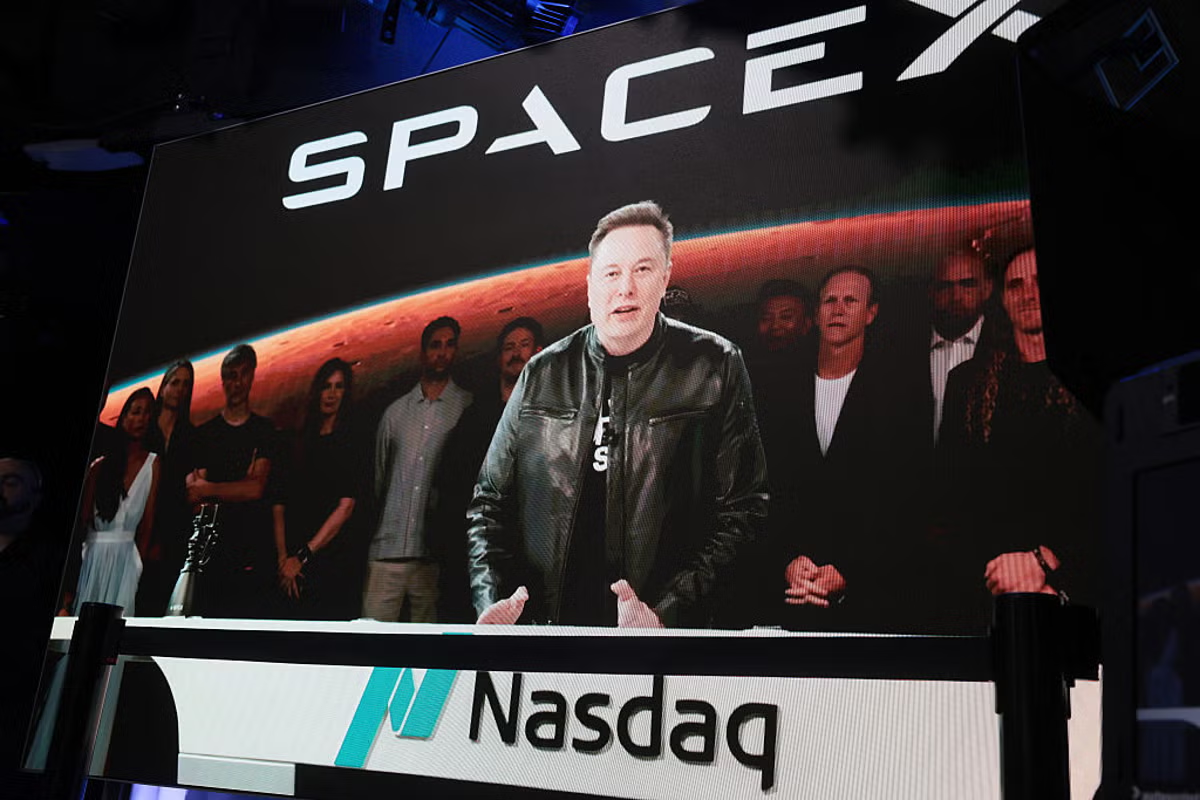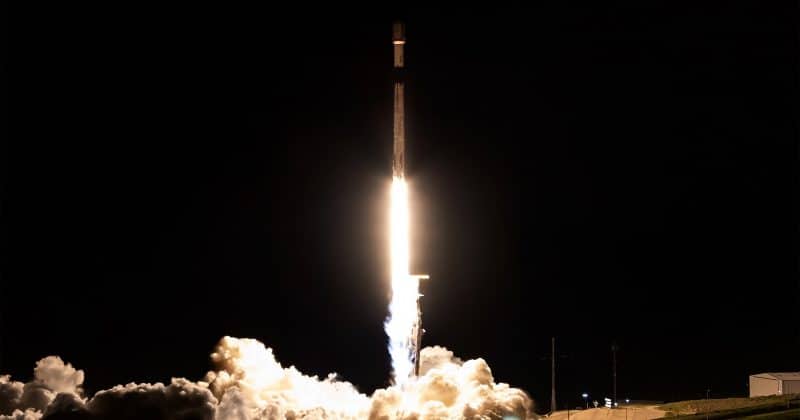
SpaceX is officially a NASDAQ 100 company today, completing one of the fastest journeys from IPO to major index inclusion in modern market history.
The inclusion took effect July 7, 2026, just 15 trading days after SpaceX’s June 12 debut on public markets. The IPO itself raised $75 billion, making it the largest in history, and NASDAQ’s decision to fast-track the company into its benchmark index was announced on June 26, 2026, under revised rules designed to allow high-profile new listings to enter sooner than the traditional waiting period would permit.
What index inclusion actually means for the stock
Approximately $800 billion in assets sit in funds and ETFs that track the NASDAQ 100, including the Invesco QQQ. Every single one of those funds now needs to hold SpaceX shares in proportion to its index weighting. Analysts project that over $4 billion will flow into SpaceX shares as index-tracking funds adjust their portfolios to reflect the new benchmark composition. That’s algorithmic, systematic, and largely price-insensitive buying.
SpaceX’s initial weighting in the NASDAQ 100 is expected to sit at around 1% or lower, based on its free-float market capitalization.