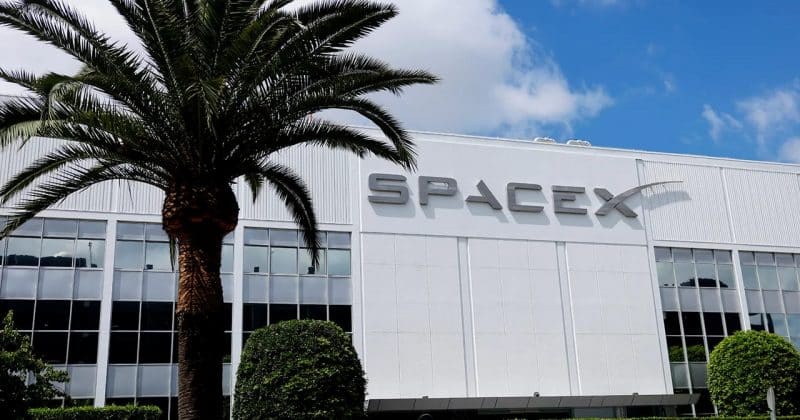
SpaceX is officially joining the Nasdaq 100 on July 7, making it one of the fastest entries into the index for any newly public company in recent memory. The company went public on June 12, meaning it took roughly 25 days to land a spot in one of the most-watched benchmarks in global finance.
Roughly $800 billion in assets sit inside mutual funds and ETFs that track the Nasdaq 100. When a new stock gets added, those funds don’t have a choice. They have to buy shares to match the updated index composition. J.P. Morgan estimates this rebalancing will generate approximately $4.3 billion in passive inflows for SpaceX stock.
The mechanics of forced buying
The Invesco QQQ Trust, one of the most popular ETFs on the planet, tracks the Nasdaq 100. So do dozens of other funds managing enormous pools of capital. When SpaceX enters the index, every single one of those funds needs to add SpaceX shares to their portfolio in the correct proportion.
SpaceX is expected to carry an initial weighting of under 1% in the Nasdaq 100. The buying pressure tends to concentrate around the close of trading on the day before inclusion. Fund managers aim to execute their purchases at the closing price to minimize tracking error against the benchmark.