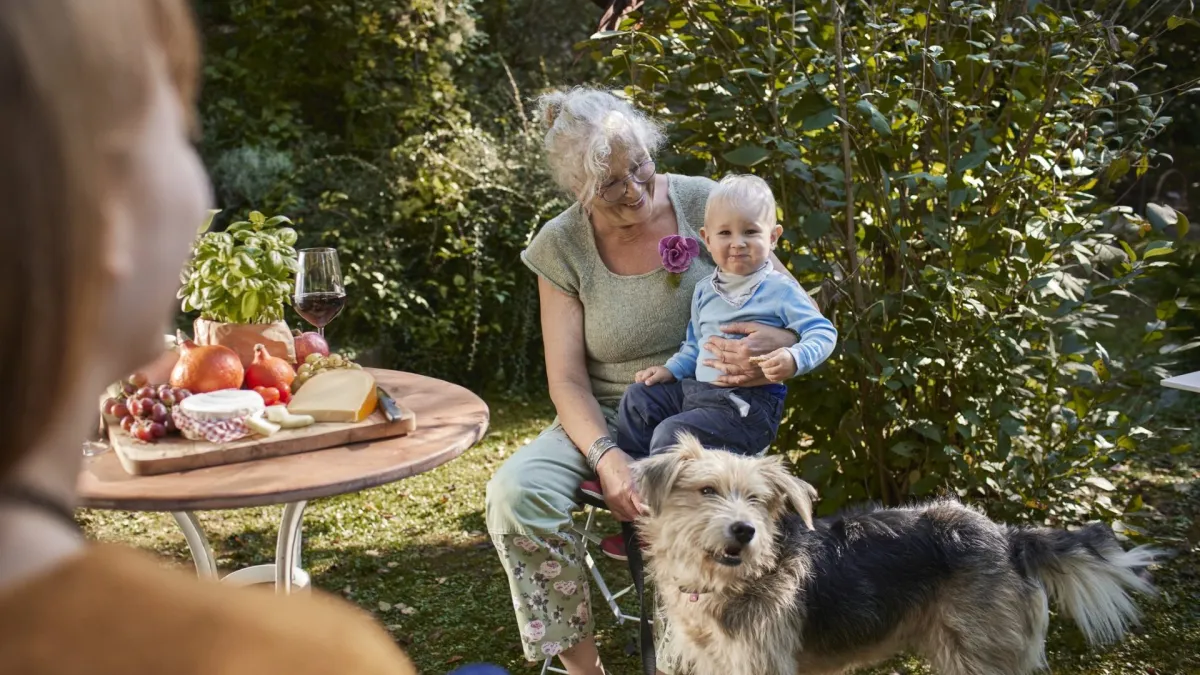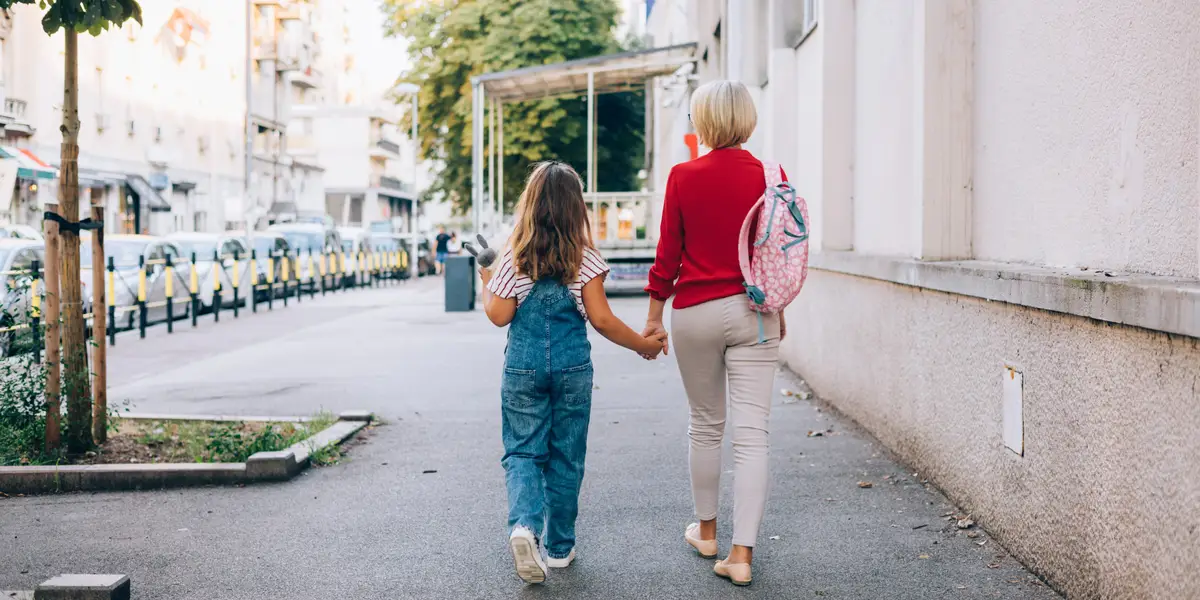
“It was always difficult at the children’s birthday parties when my grandchildren used to run into the other grandma’s arms shouting ‘Grandma! Grandma!’ She always had the baby on her hip and the kids were generally much easier with her, hugging and sitting on her lap and having stories. If they fell over and hurt themselves they automatically went to her, not me. That was quite painful.”
Fifty-nine-year-old Carol’s four grandchildren – belonging to her son, aged 10, eight, and four – live round the corner from the other grandparents, while Carol lives over an hour’s drive away, in Lincoln. “I always worried they were going to love her more than me,” she says. ‘She’s part of their everyday lives. I expected they would always be closer to her.”
It’s agonising to feel, as many grandparents do, that you’re number two in their grandchildren’s lives. Sometimes it’s a question of who lives nearest and can look after the grandchildren regularly. But it’s often paternal grandparents, like Carol, who feel it most. It’s a shock to discover that they’re second in line when it comes to visiting the new baby in hospital and requests for babysitting. One study found that more than a quarter of maternal grandparents had contact several times a week, compared to only 15 per cent of paternal grandparents.