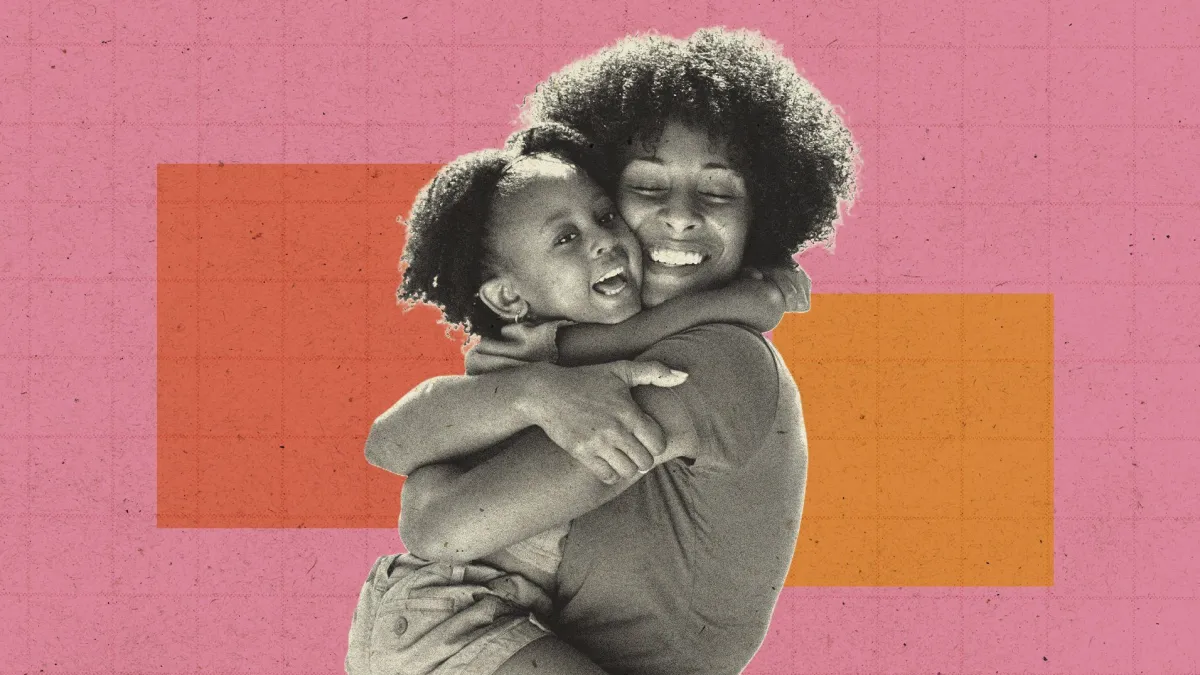
Of all the different parenting styles minted in the last decade or so, gentle parenting is perhaps the most controversial. The idea is that parents take a less authoritarian approach to raising their children: they talk to and treat them as individuals with their own point of view, and avoid telling them what they should be doing instead.
Its adherents say that gentle parenting nurtures warmer, more mature relationships with children, and that turning parenting into a collaboration makes things less stressful long term. But for others, it looks a lot like letting your child be the boss, with no discipline and no boundaries.
Does gentle parenting fail children? Parents Victoria Richards and Stephanie Lowe give their perspectives.
I have spent eight years choosing gentle parenting and I regret exactly one thing about it. And it’s probably not what you think.
It’s not that my eight-year-old son answers back (he does). It’s not that he negotiates everything (he absolutely does). It’s not that he once told me, aged six, that my tone wasn’t kind enough and could I please try again. (He did. I nearly cried, but I tried again.) It’s none of that.