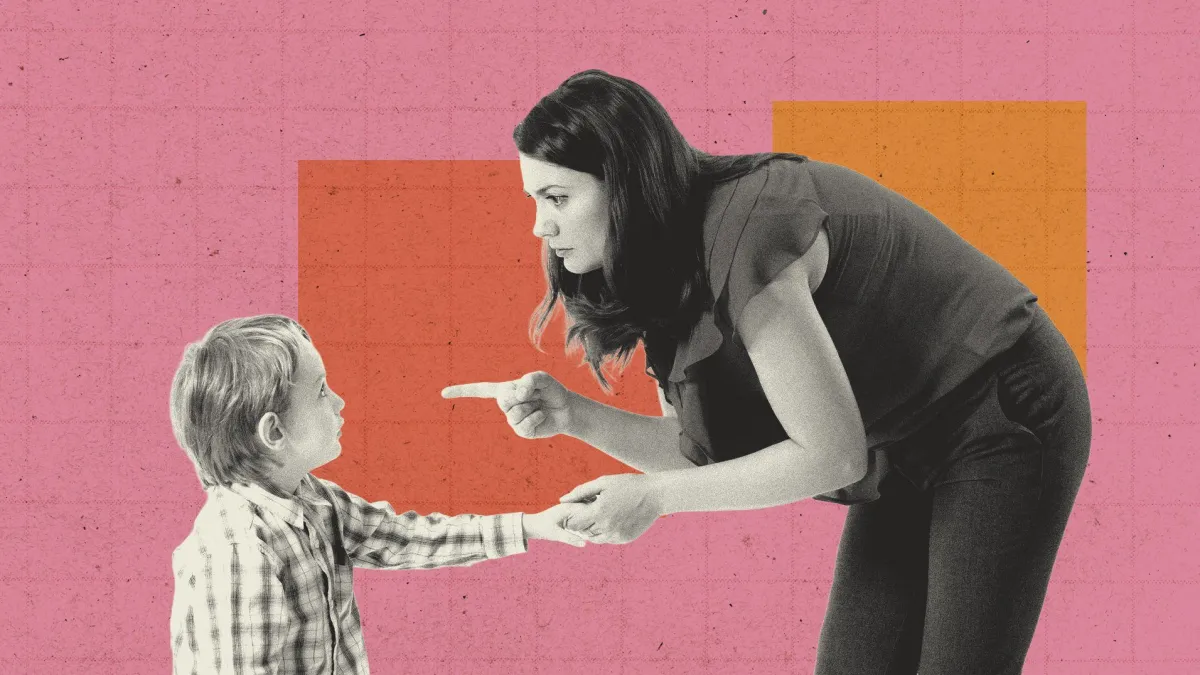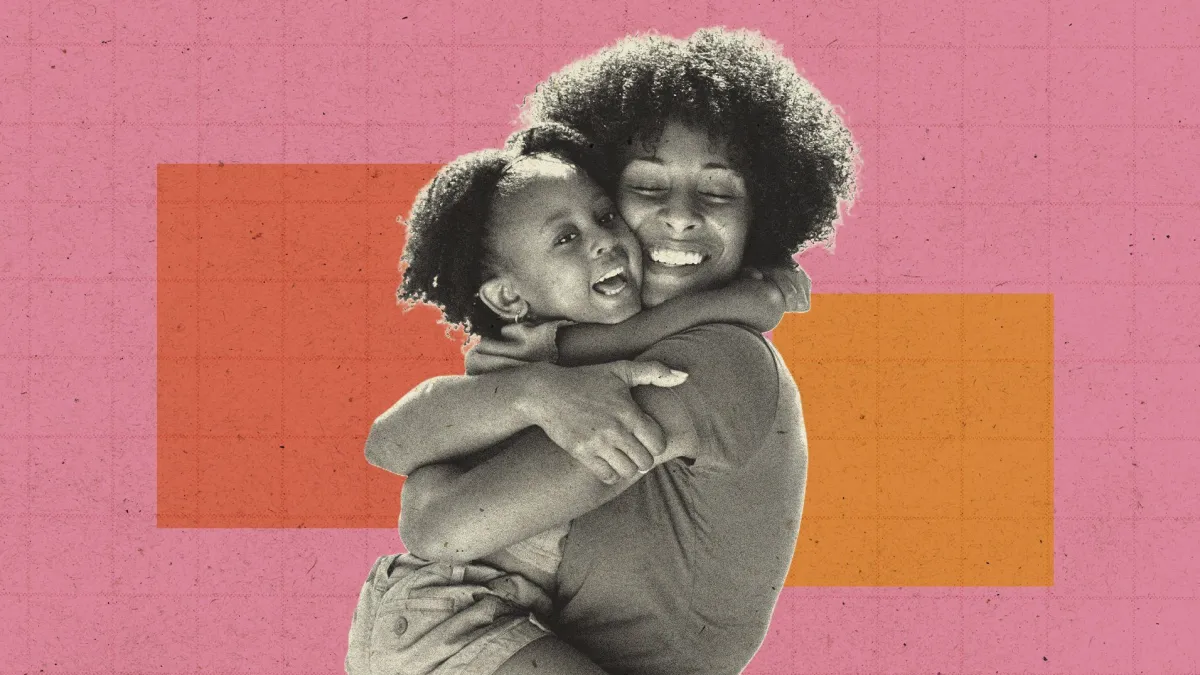
Therapists and psychologists from Heep Hong, Central Minds and MindNLife talk about the parenting paradigm, exploring its benefits, challenges and relevance in a changing cultural landscape
If you’re a parent in 2025, you’ll have had a hard time avoiding the term “gentle parenting”. Whether it’s showing up on your social media feed or being demonstrated at play dates, gentle parenthood seems to be the hot topic in parenting circles this year. But what exactly is it? What principles does it stem from? And most importantly, does it work?
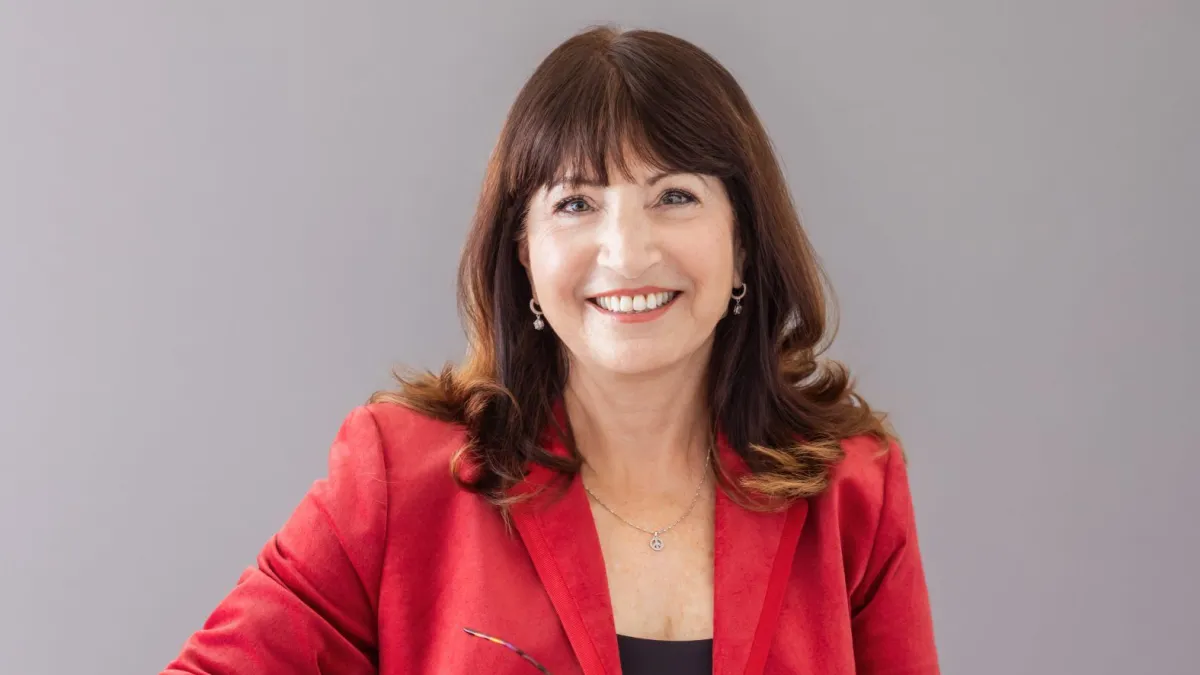
Heep Hong Society’s educational psychologist Jacqueline To aligns the gentle parenting movement with the authoritative parenting style, an approach coined by psychologist Diana Baumrind in the 1960s that sets clear boundaries and expectations with children, while also being responsive and supportive of their feelings and needs.
“I think it’s kind of like a terminology shift,” she says. “[Gentle parenting] is a recent buzzword, I would say. So there aren’t really any specific studies embodying all the principles, but it is very relevant or very related to some of the other kinds of parenting styles that we’ve always been talking about.” She uses the expression “gentle but firm”, to highlight how the values of empathy and boundary-setting can coexist without being opposed.