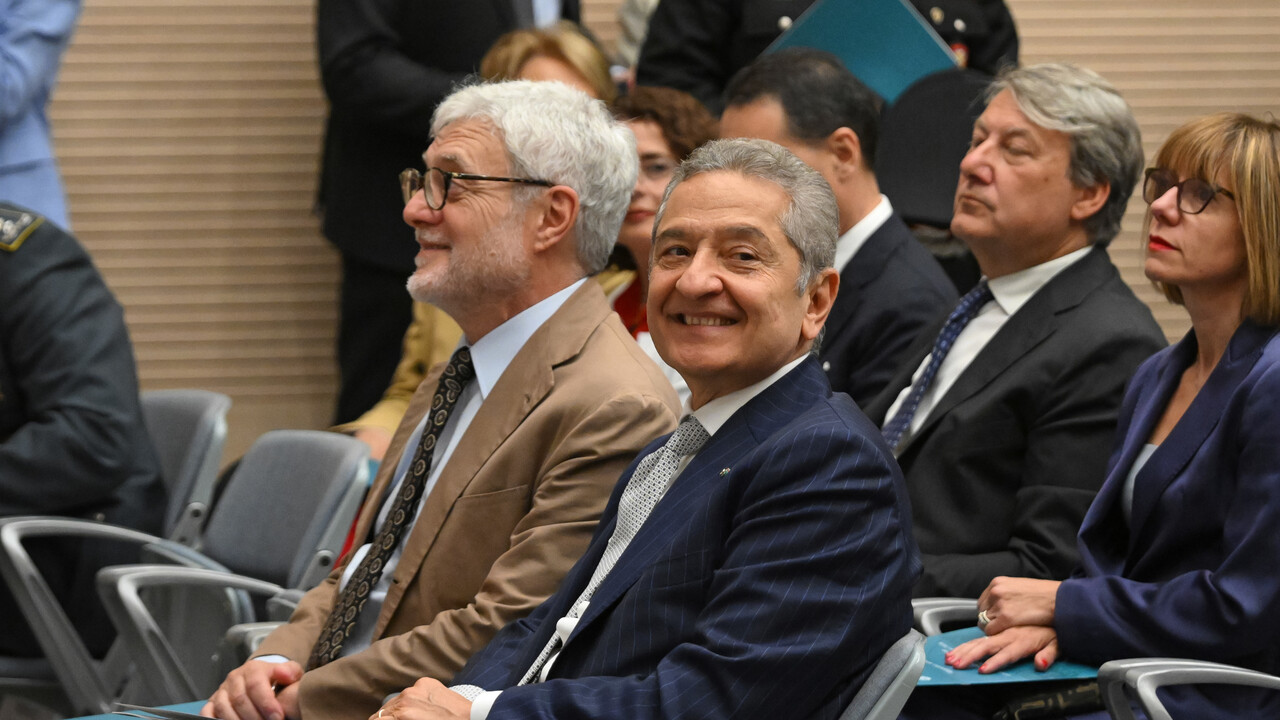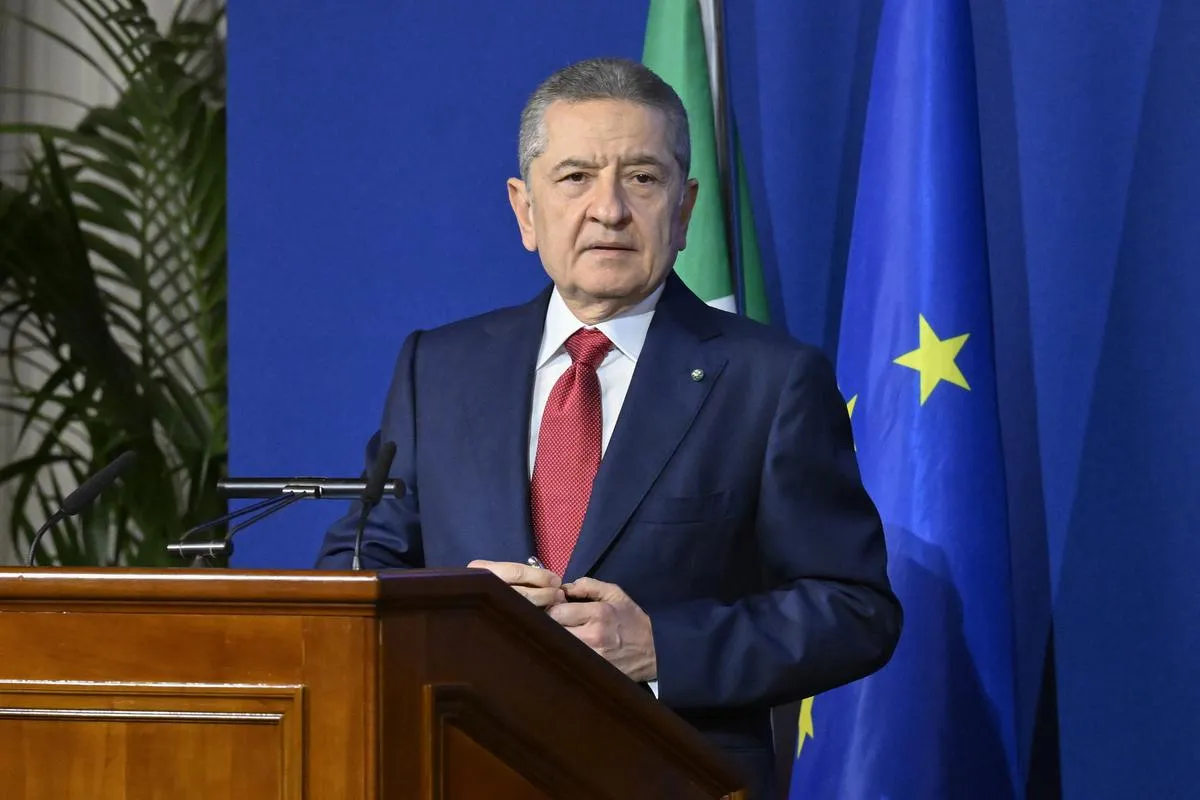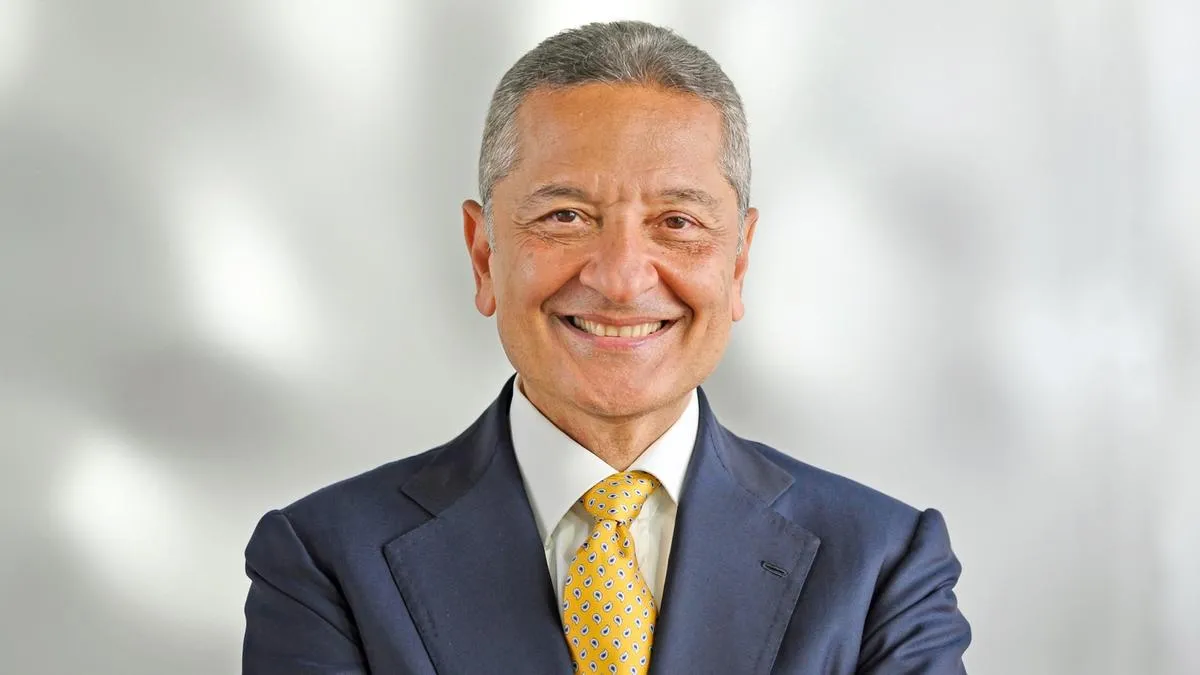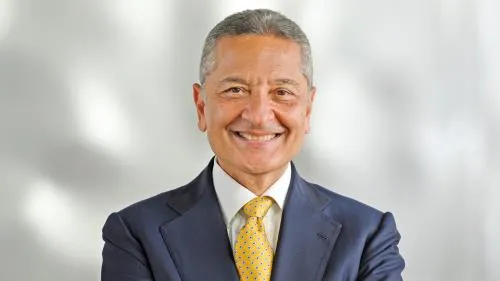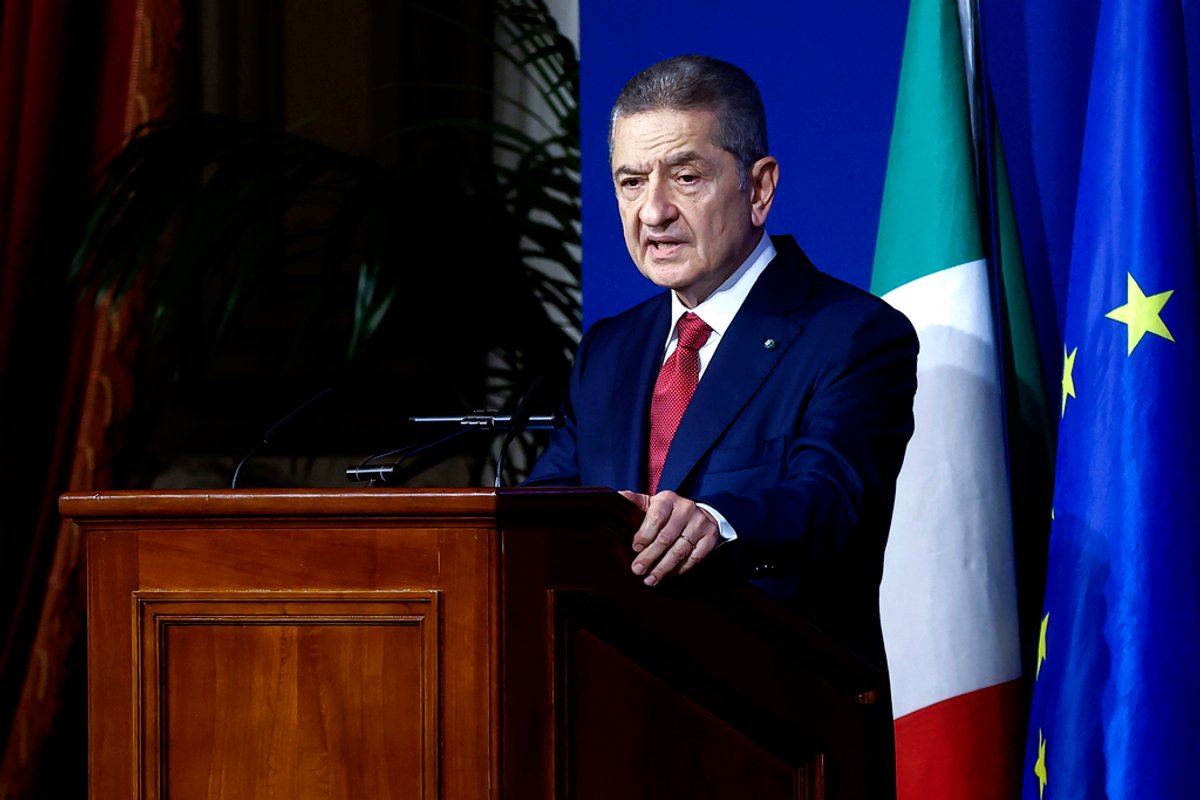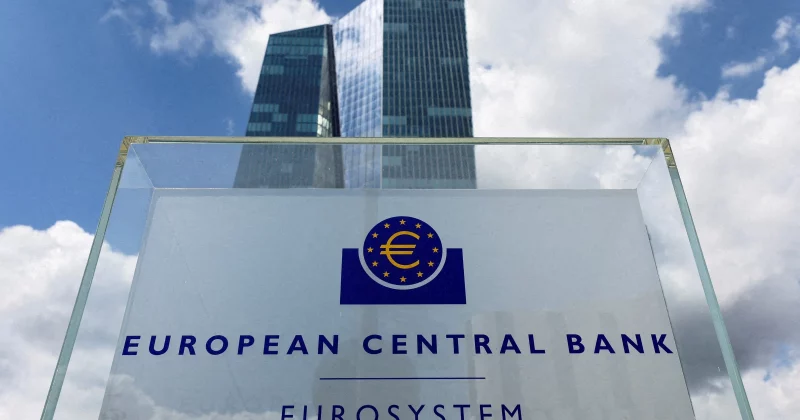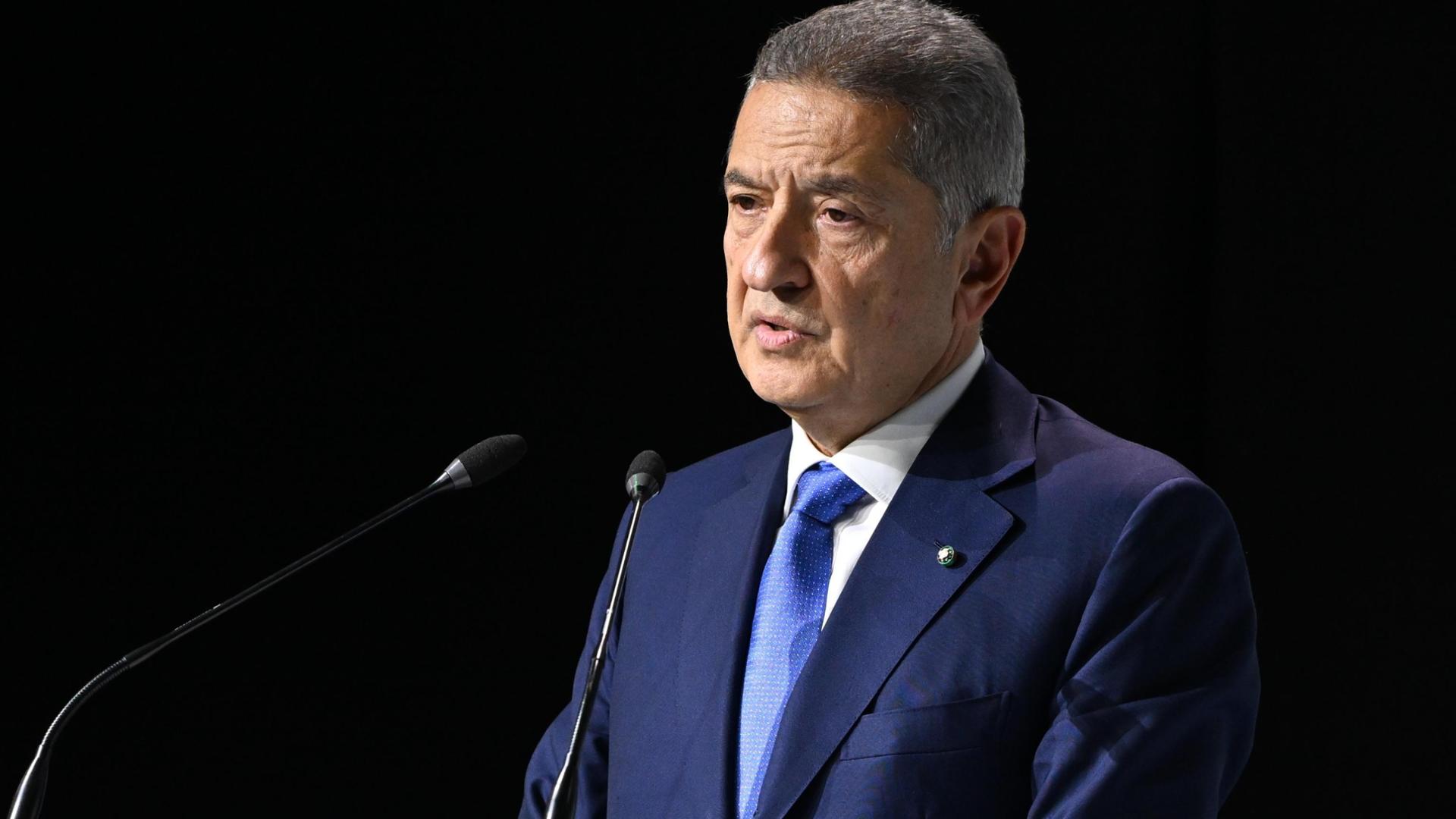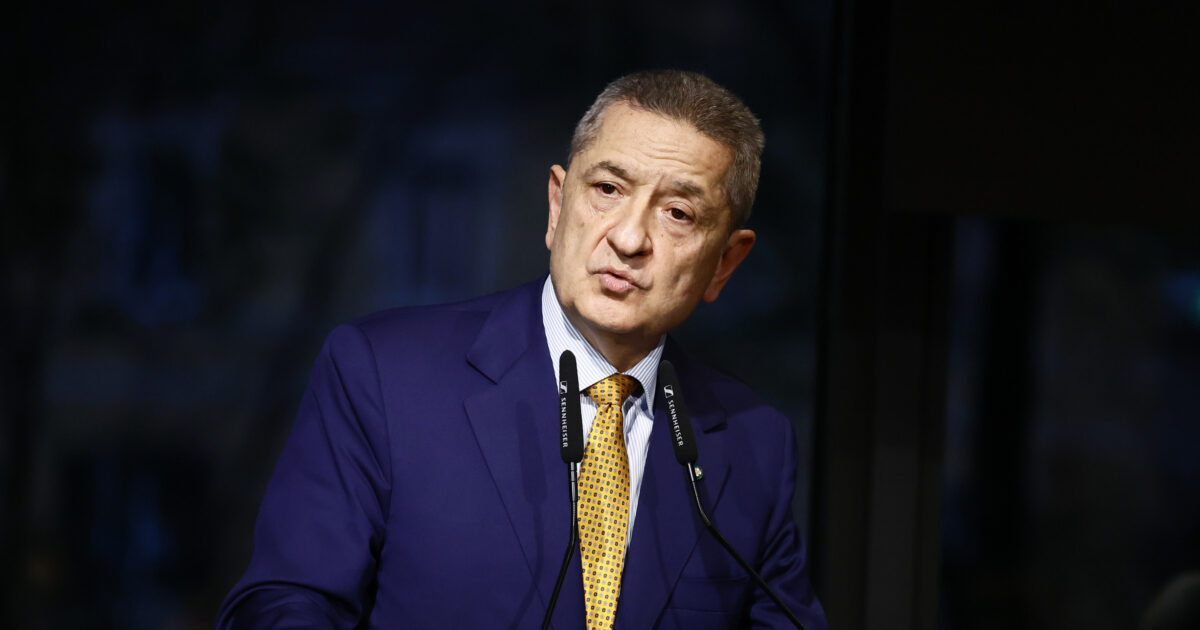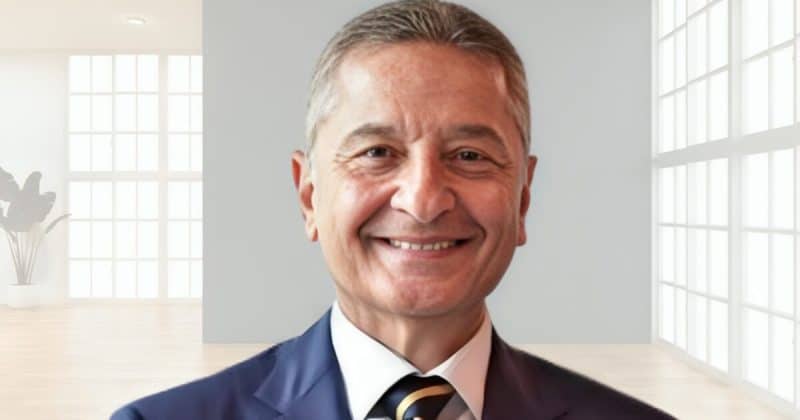
Fabio Panetta, the Governor of the Bank of Italy and a sitting member of the ECB Governing Council, just painted a picture of the euro area economy that nobody particularly wanted to see. Speaking at the Bank of Italy’s annual assembly on May 29, Panetta stressed the growing downside risks to growth alongside stubborn upside risks to inflation, driven largely by energy shocks and geopolitical instability.
The inflation problem that won’t quit
Panetta’s core message was that the ECB needs to act in a “timely and measured” manner to prevent energy-driven price spikes from hardening into persistent inflation. The triggers he cited are familiar but no less dangerous for their familiarity: the ongoing Iran conflict, surging price expectations among consumers and businesses, and dwindling fuel reserves across the continent.
ECB staff projections from March painted a similar picture. Inflation was forecast to exceed the 2% target through 2026 before gradually easing, while growth estimates were revised downward under adverse scenarios.
Markets have already started pricing in the implications. Traders began anticipating an ECB rate hike at the upcoming June 10-11 meeting following Panetta’s remarks.