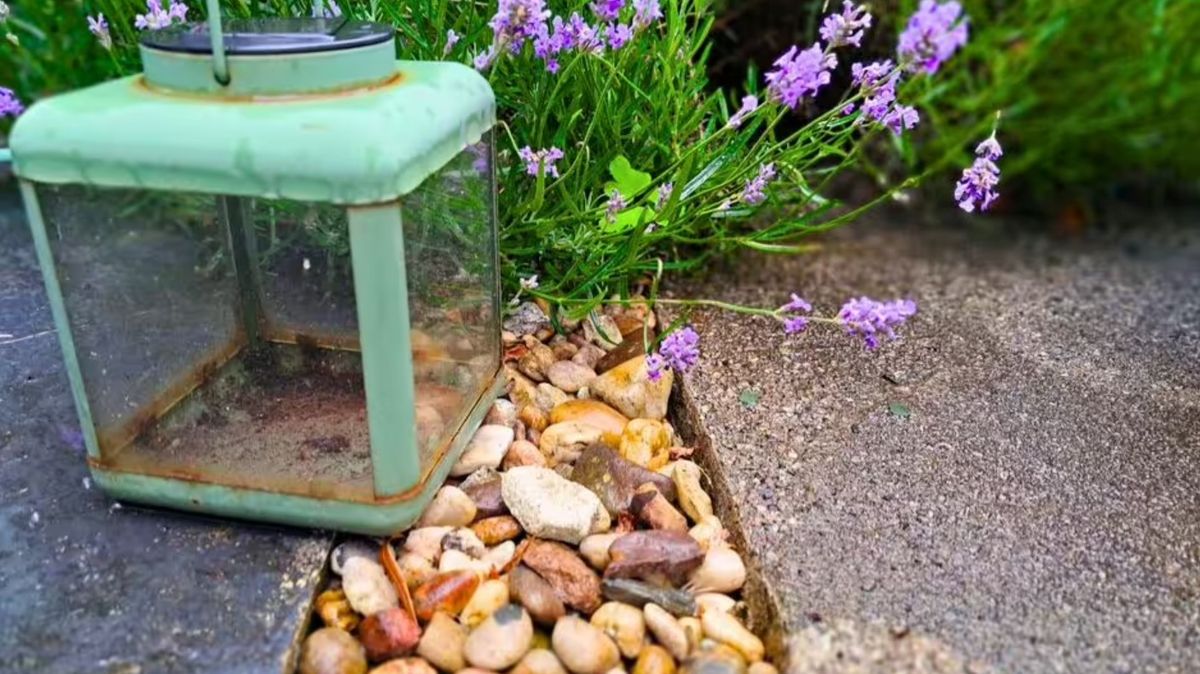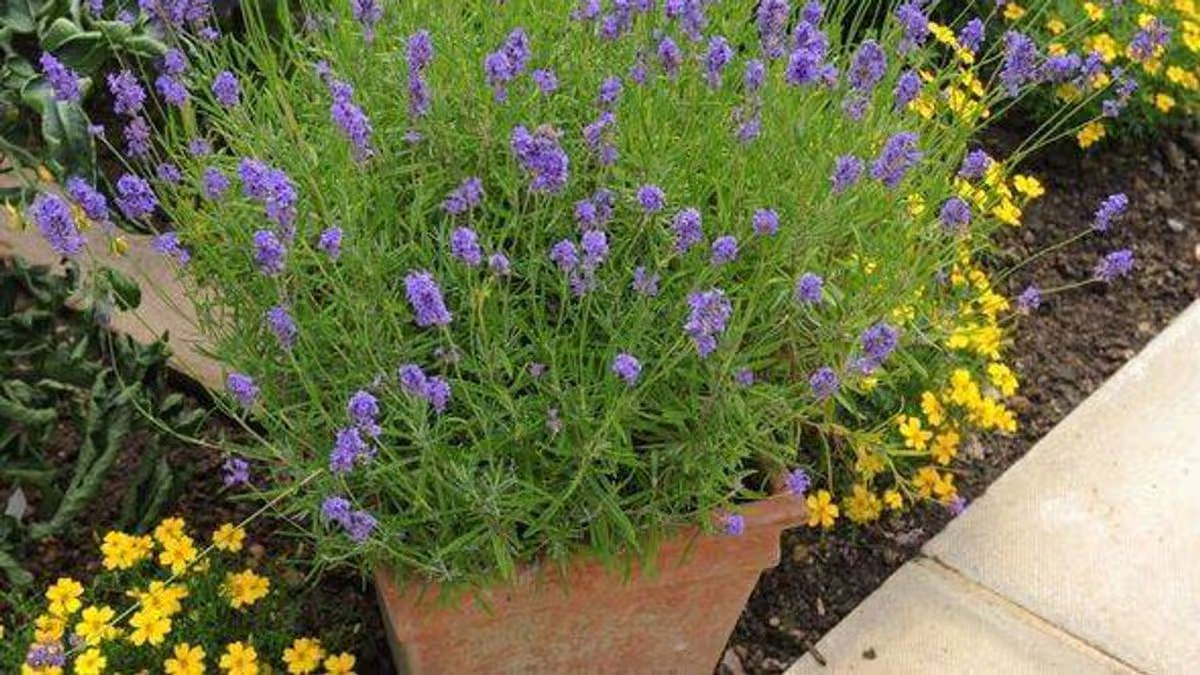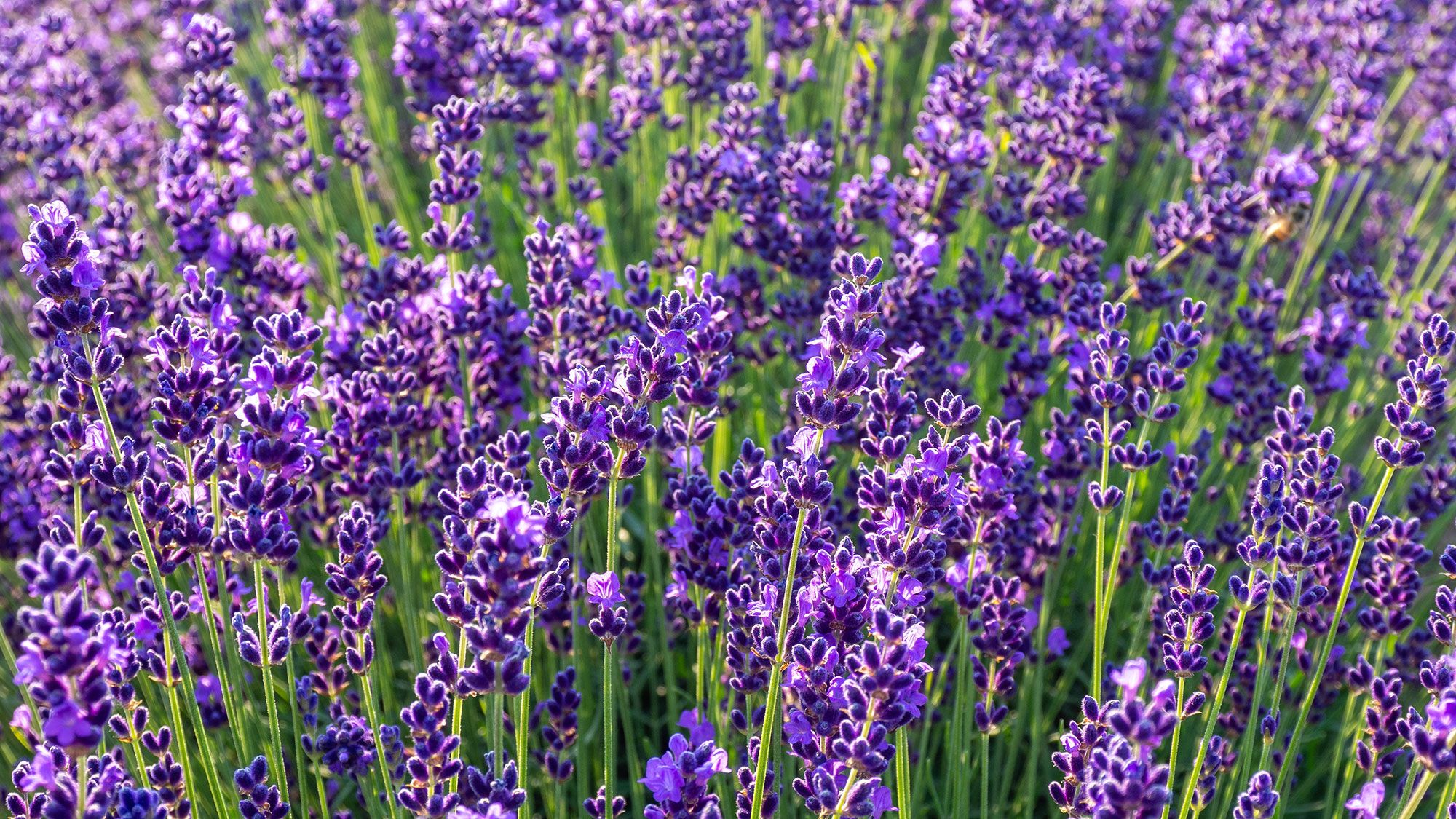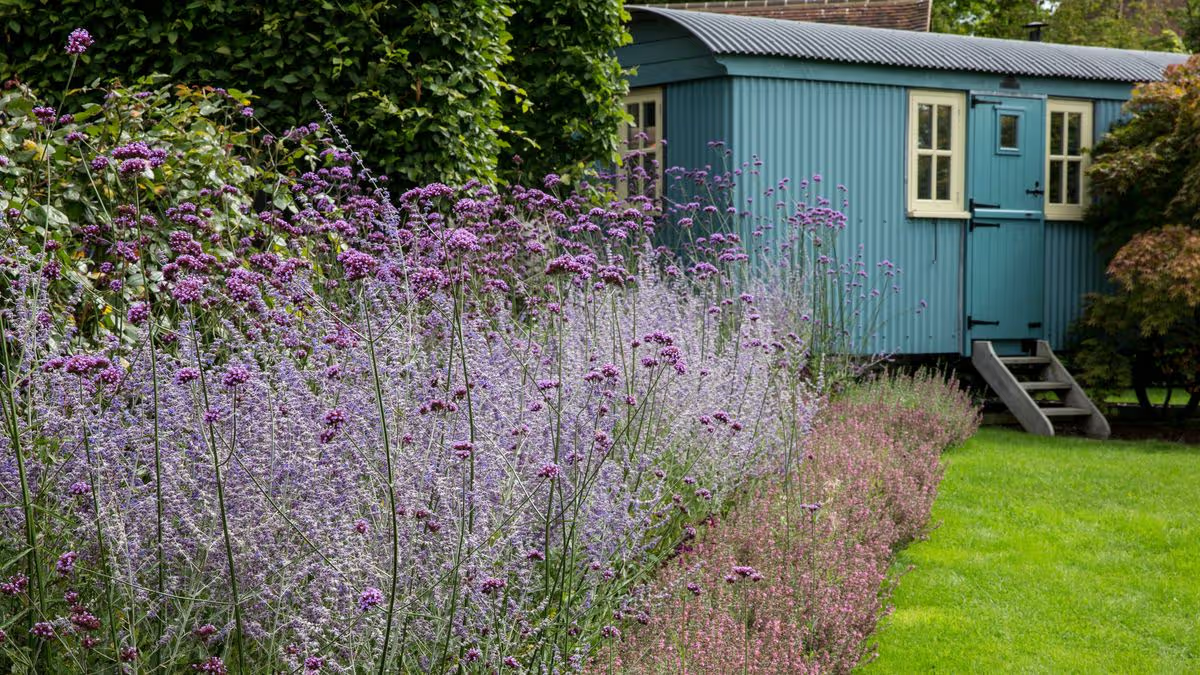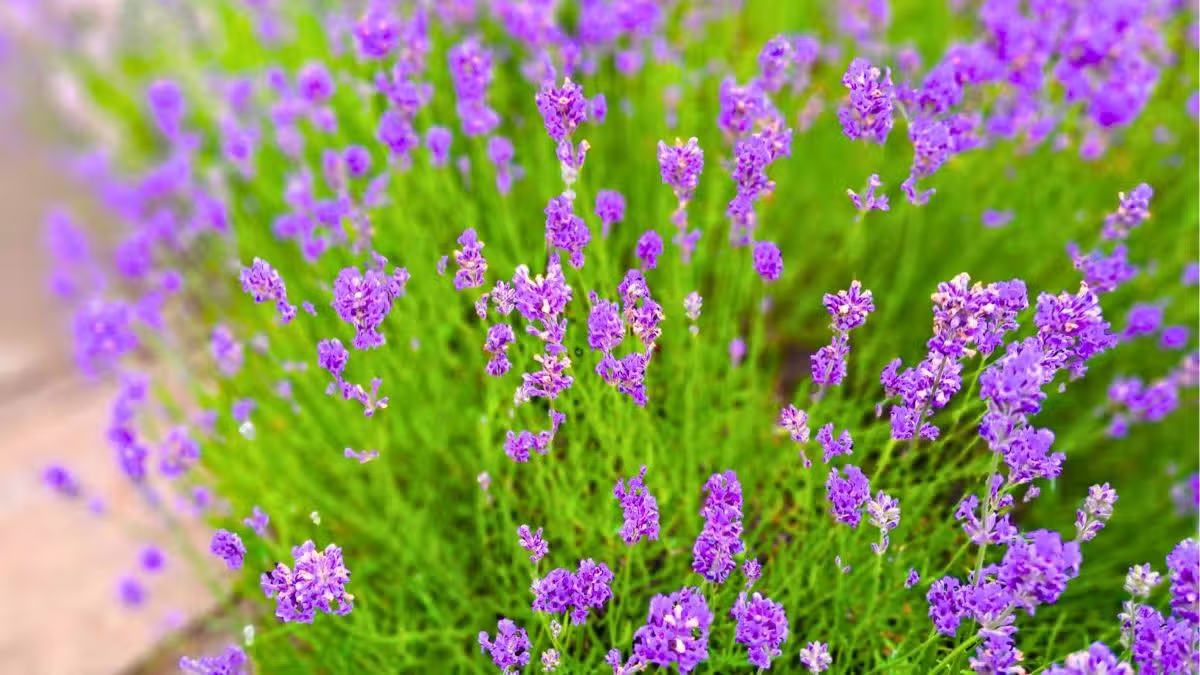
Lavender is quite an unusual plant that needs different care to most flowers, but I have discovered a simple way to help it bloom without needing any fertiliser at all.07:49, 07 Jul 2026Lavender is a firm favourite — it looks stunning, draws in plenty of bees and is remarkably straightforward to grow, provided you don't treat it like an ordinary flower. Fertilising the garden in July is incredibly common, as most plants are in full growth mode, and giving them a boost now can extend their blooming period well into the summer.Lavender, however, is a different matter entirely. As a woody herb native to the Mediterranean, it naturally flourishes in poor, sandy soil. It thrives in harsher conditions with minimal nutrients, and applying fertiliser will cause it to channel all that extra energy into producing leafy foliage.Not only will this put the lavender under stress and halt flowering, but any soft new growth is likely to attract slugs to your garden, causing even further damage to the plant.How do you help lavender bloom in summer?Rather than reaching for fertiliser, the secret to encouraging lavender to produce an abundance of bushy purple flowers is to scatter gravel around the base of the plant instead.The UK has endured some extremely hot weather over the past few weeks, yet July typically brings a fair amount of rainfall, particularly in Scotland.Waterlogged soil is often the primary culprit behind struggling or dying lavender in British gardens, so keeping the plant dry is absolutely crucial to maximising its blooms.Gravel effectively draws moisture away from the lavender roots and boosts air circulation around the plant, helping to reduce humidity levels.Lavender will still receive adequate moisture, but gravel assists stagnant water in draining away and prevents waterlogged soil, allowing you to replicate the arid conditions of its native environment.Stone also warms up rapidly when the sun's out, and heated soil will similarly recreate the Mediterranean climate lavender thrives in and encourage continuous flowering.It might seem counterintuitive as a gardener, but ensuring the soil doesn't hold much water and stays quite hot is what keeps lavender content during summer.If your lavender still refuses to bloom after laying down gravel, then check it isn't positioned in a shaded area, as the plant requires approximately six to eight hours of daily sunlight.Article continues belowI cultivate lavender beside my patio in a bright location well away from all my other plants and it consistently flourishes in my garden with minimal effort.Lavender is a peculiar plant, as maintaining it usually means providing fewer nutrients and less water, but if you lay down gravel, I guarantee you'll see plenty of purple stems this summer.
Lavender will thrive in July if 1 natural item is scattered on the soil
Lavender is quite an unusual plant that needs different care to most flowers, but I have discovered a simple way to help it bloom without needing any fertiliser at all.
440 words~2 min read