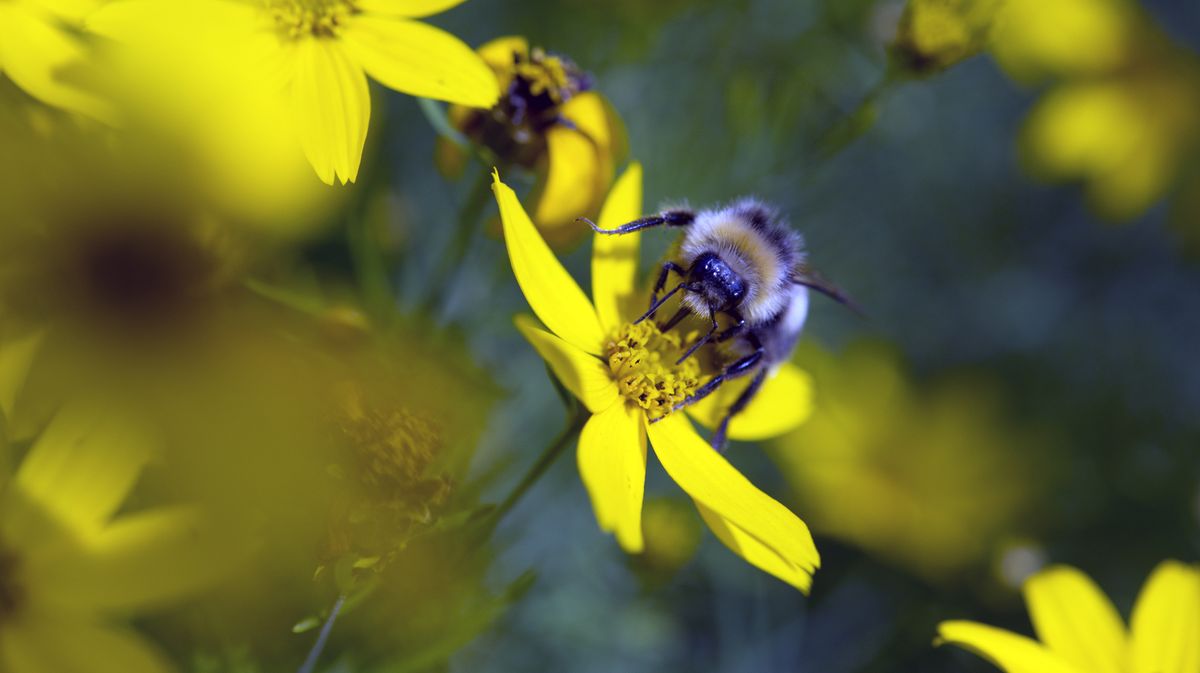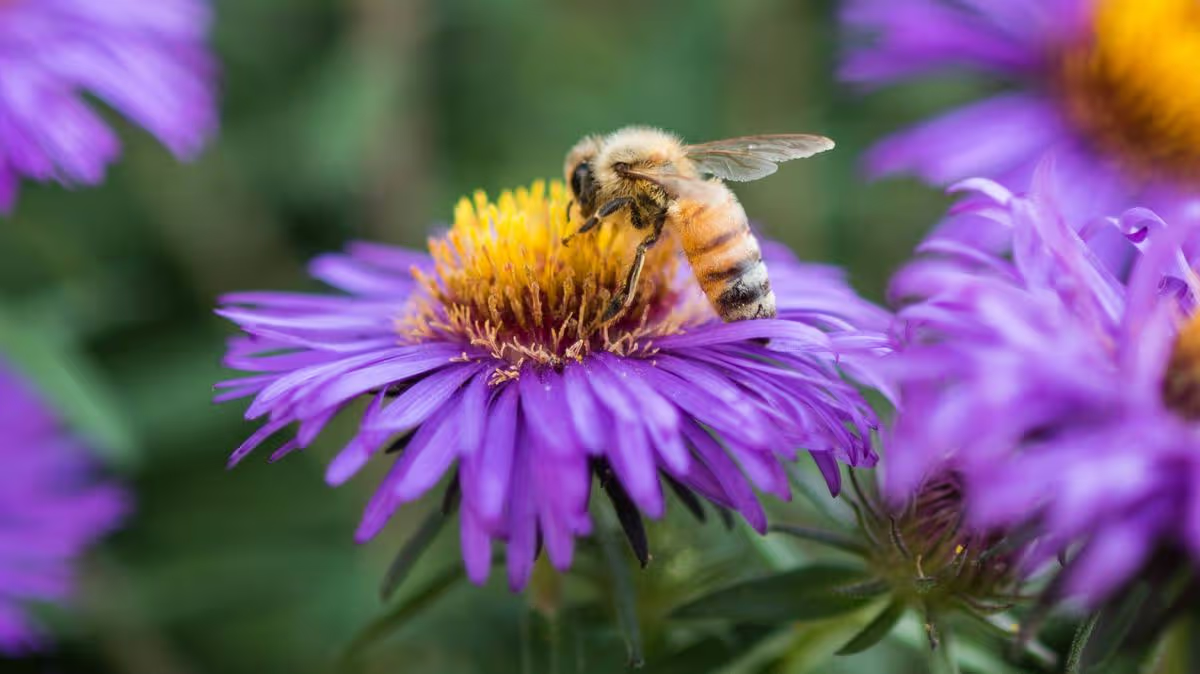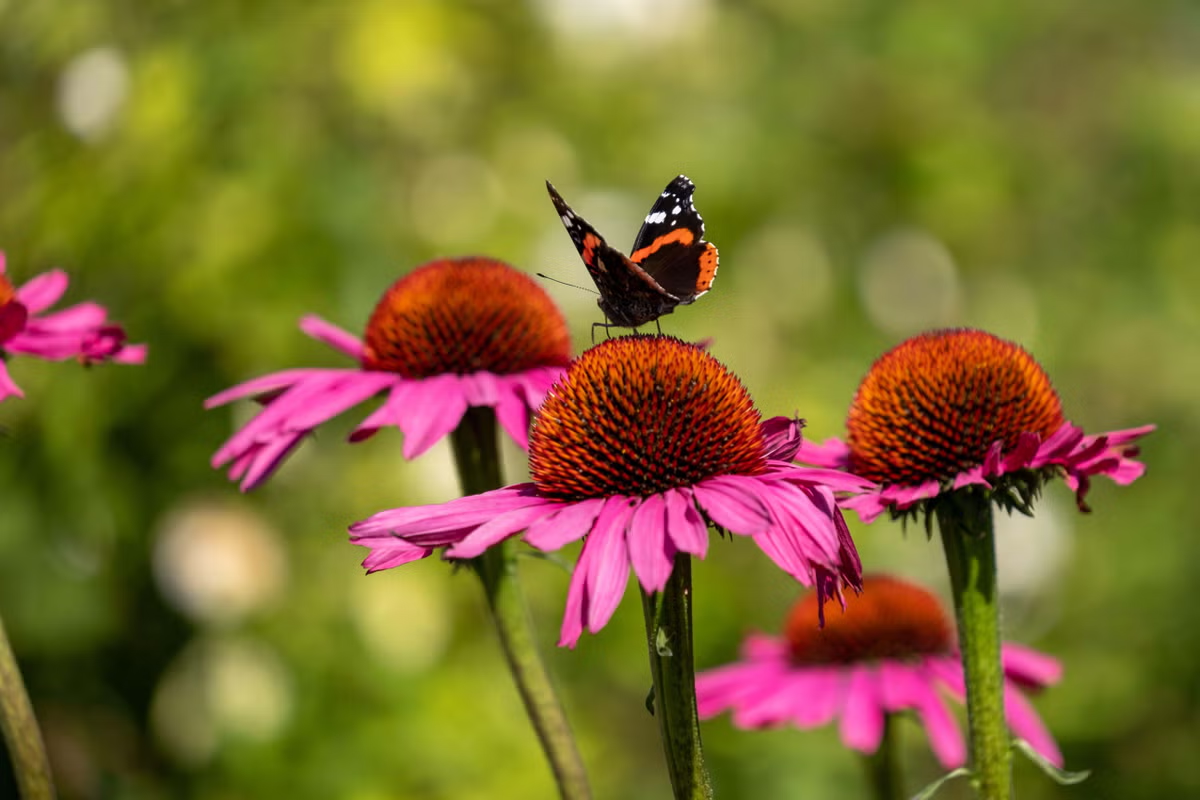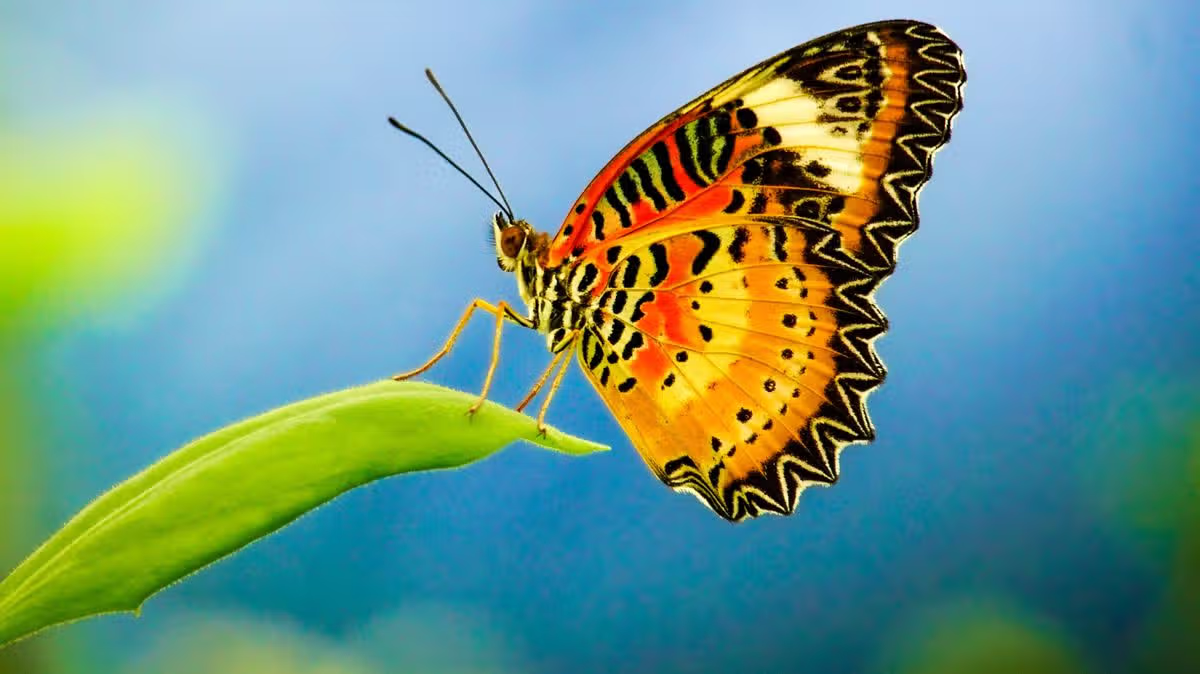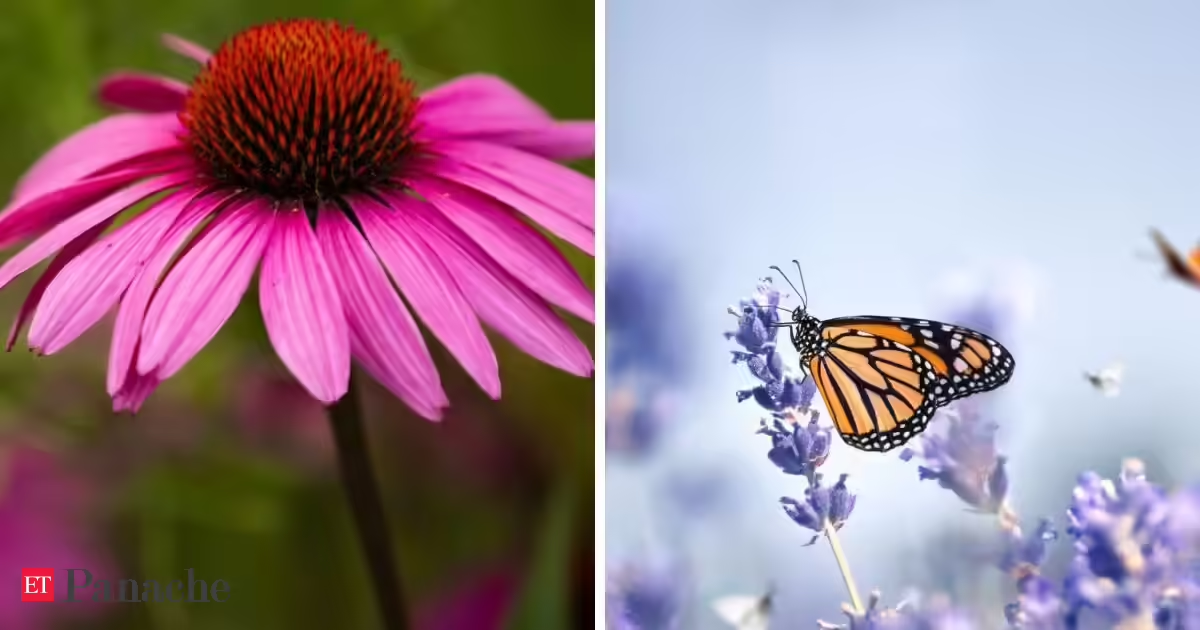
SynopsisTransform your garden into a vibrant wildlife haven with seven key plants that attract pollinators and birds. From nectar-rich lavender and butterfly bush to seed-providing sunflowers and coneflowers, these blooms offer food and shelter. Simple gardening tips, like avoiding pesticides and providing water, further enhance your outdoor space, making it a lively ecosystem buzzing with life.Listen to this article in summarized formatIf you want your garden to be lush and have pollinators like bees and butterflies, grow these 7 plants. (Istock)A thriving garden is more than just a collection of beautiful flowers. The gentle flutter of butterflies, the soft hum of bees and the cheerful songs of birds can transform even a small backyard into a lively ecosystem. The secret lies in choosing plants that provide nectar, pollen, seeds or shelter. Whether you have a spacious garden or a compact balcony, these seven plants can naturally invite pollinators and birds while adding vibrant colour and fragrance to your outdoor space.LavenderLavender is one of the best plants for attracting pollinators. Its fragrant purple flower spikes bloom for weeks and are rich in nectar, making them irresistible to bees and butterflies. Once established, lavender is drought-tolerant and easy to maintain.Why wildlife loves it?- Attracts honeybees, bumblebees and butterflies- Long flowering season- Offers nectar throughout summerGrowing tips:You Might Also Like:- Plant in full sunlight- Use well-draining soil- Avoid overwateringButterfly bushAs its name suggests, the butterfly bush is famous for drawing butterflies from afar. Its long clusters of purple, pink or white flowers produce abundant nectar during the warmer months.Why wildlife loves it?- One of the richest nectar sourcesYou Might Also Like:- Attracts swallowtails, monarchs and painted ladies- Also visited by bees Growing tips:- Requires full sun- Prune annually for better flowering- Grows well in most well-drained soilsYou Might Also Like:SunflowerSunflowers benefit wildlife throughout their life cycle. Their bright blooms provide pollen and nectar for bees, while mature seed heads become a favourite food source for finches, sparrows and other seed-eating birds.Why wildlife loves it?- Bees visit the flowers- Butterflies collect nectar- Birds feast on the seedsGrowing tips:- Needs six to eight hours of sunlight daily- Water regularly during early growth- Leave mature seed heads for birdsSalviaSalvia produces colourful tubular flowers that bloom over several months. Its nectar-rich blossoms attract bees and butterflies, while hummingbirds are frequent visitors in regions where they are found.Why wildlife loves it?- Continuous flowering- Excellent nectar source- Suitable for many pollinatorsGrowing tips- Prefers sunny locations- Remove faded flowers to encourage new blooms- Avoid waterlogged soilConeflower (Echinacea)Coneflowers are hardy perennials that provide benefits across seasons. Butterflies and bees enjoy the nectar-rich blooms during summer, while birds feed on the dried seed heads during autumn and winter.Why wildlife loves it?- Supports pollinators and birds- Long blooming period- Seed heads remain useful after floweringGrowing tips:- Plant in full sun- Tolerates drought after establishment- Leave dried flowers standing for birdsHibiscusLarge, colourful hibiscus flowers are magnets for butterflies and nectar-feeding birds such as sunbirds in many parts of Asia. Bees also visit the flowers for pollen.Why wildlife loves it?- Produces abundant nectar- Bright blooms act as visual attractants- Flowers for much of the growing seasonGrowing tips- Needs regular watering- Thrives in warm climates- Feed with balanced fertiliser during floweringMarigoldMarigolds are among the easiest flowering plants to grow and make an excellent addition to vegetable gardens and flower beds. Their cheerful blooms attract butterflies and bees while also helping repel certain garden pests.Why wildlife loves it?- Easy source of nectar- Flowers continuously- Supports beneficial insectsGrowing tips:- Grow in full sun- Water when the soil becomes dry- Remove spent flowers for continuous bloomingHow to make your garden even more wildlife-friendly? Adding the right plants is only the first step. To encourage butterflies, bees and birds to visit regularly:- Grow a variety of flowering plants that bloom in different seasons.- Avoid chemical pesticides that can harm pollinators.- Keep a shallow water source or bird bath in the garden.- Leave a few seed heads and dried flowers for birds during colder months.- Include native plants, as local wildlife often depends on them for food and shelter. With these seven plants, your garden can become more than just a beautiful outdoor space. It can turn into a welcoming habitat filled with buzzing bees, colourful butterflies and cheerful birds throughout the year.You Might Also Like:Read More News on...morelessRead More News on...moreless
Want more butterflies and bees in your garden? These 7 plants can make it happen
Transform your garden into a vibrant wildlife haven with seven key plants that attract pollinators and birds. From nectar-rich lavender and butterfly bush to seed-providing sunflowers and coneflowers, these blooms offer food and shelter. Simple gardening tips, like avoiding pesticides and providing water, further enhance your outdoor space, making it a lively ecosystem buzzing with life.
721 words~3 min read