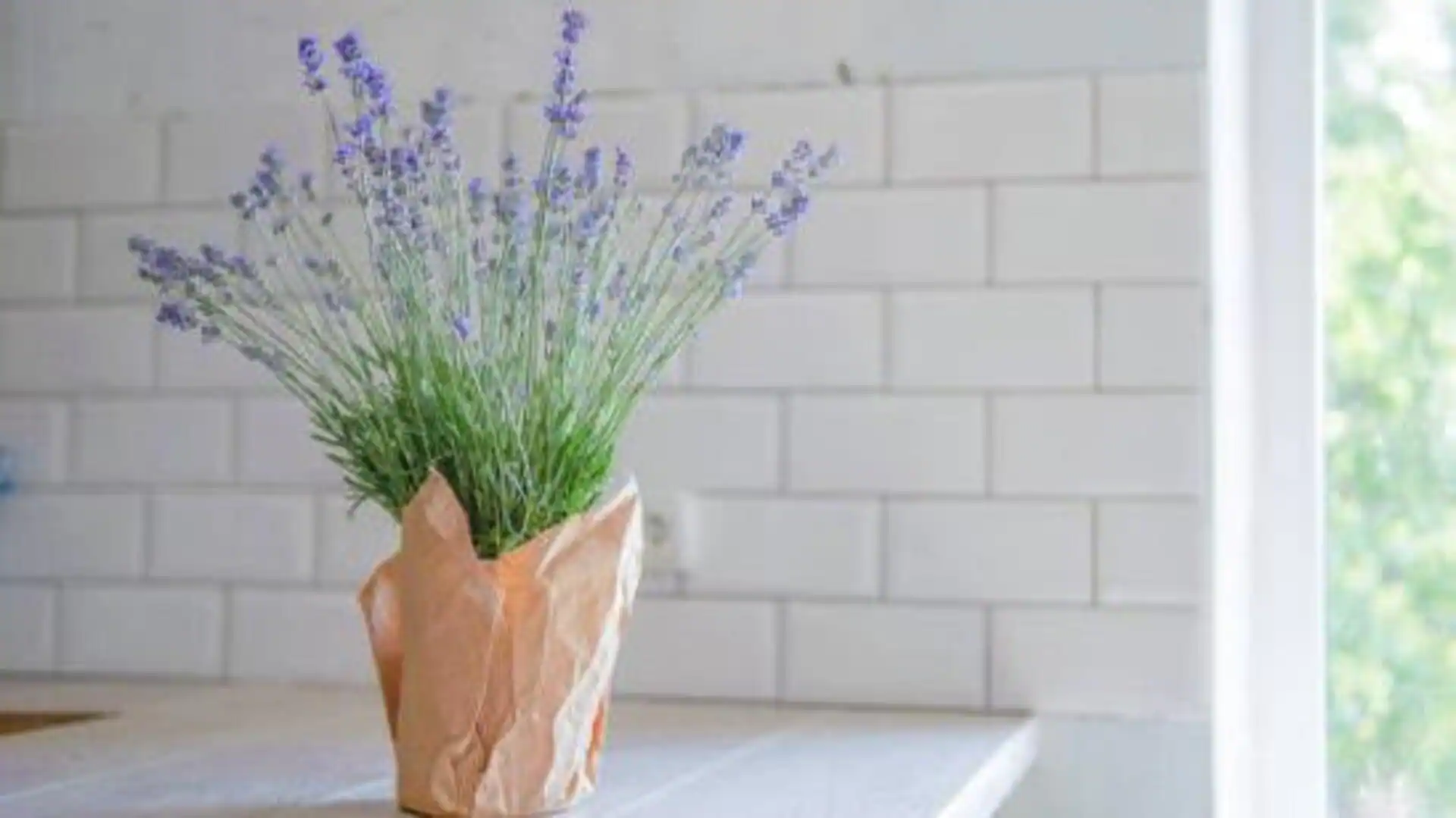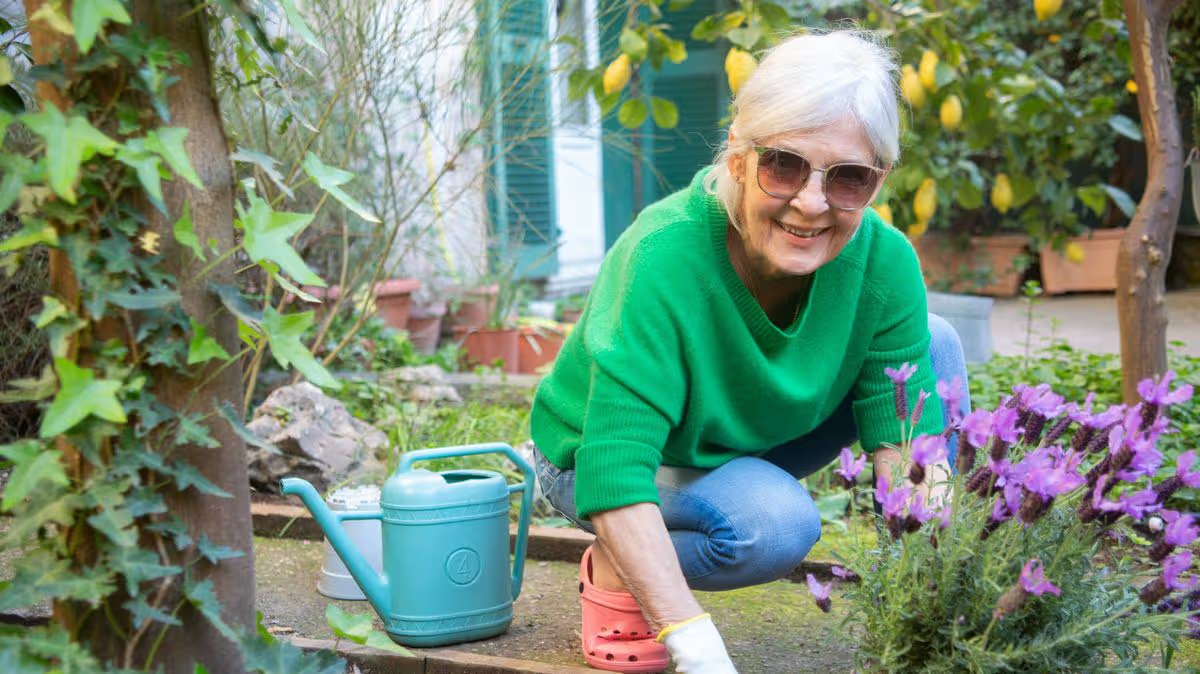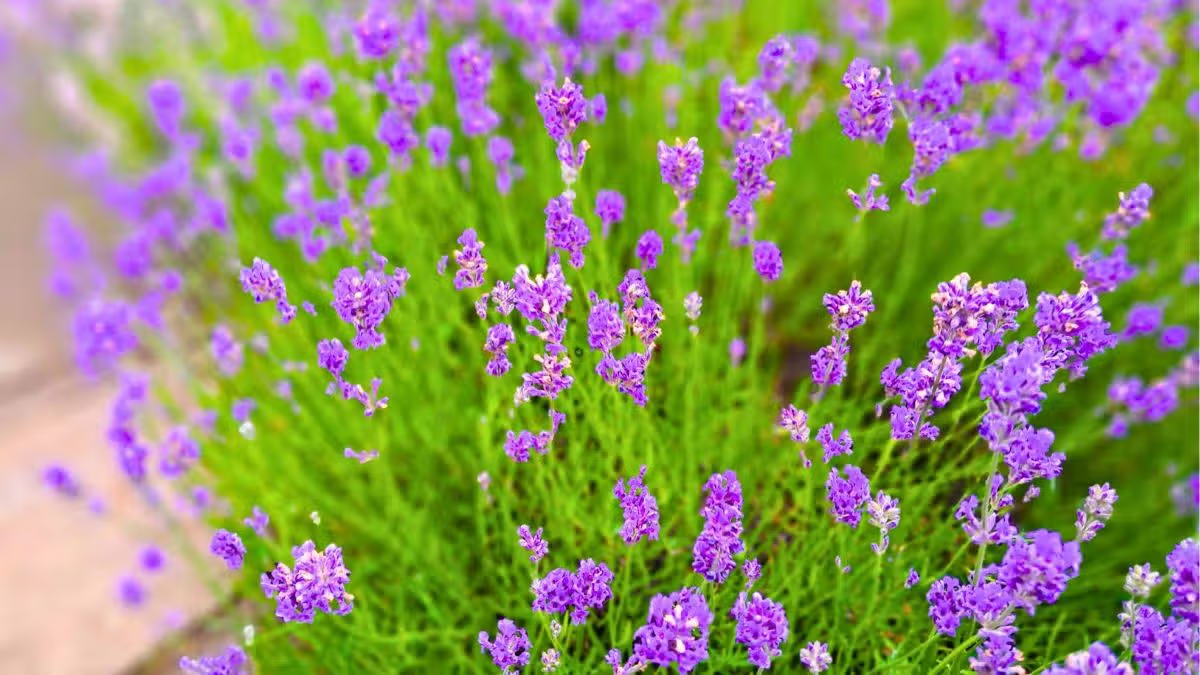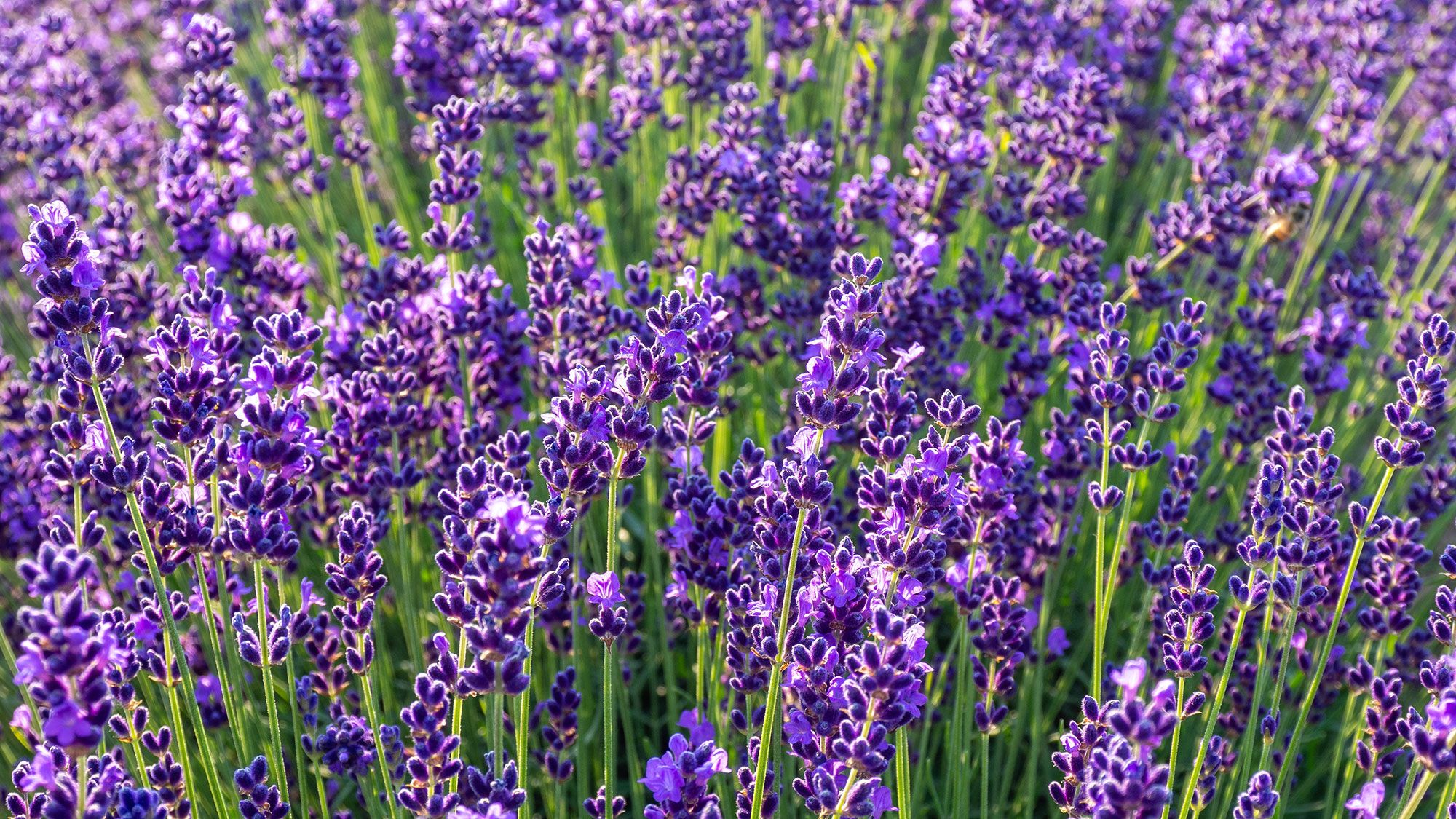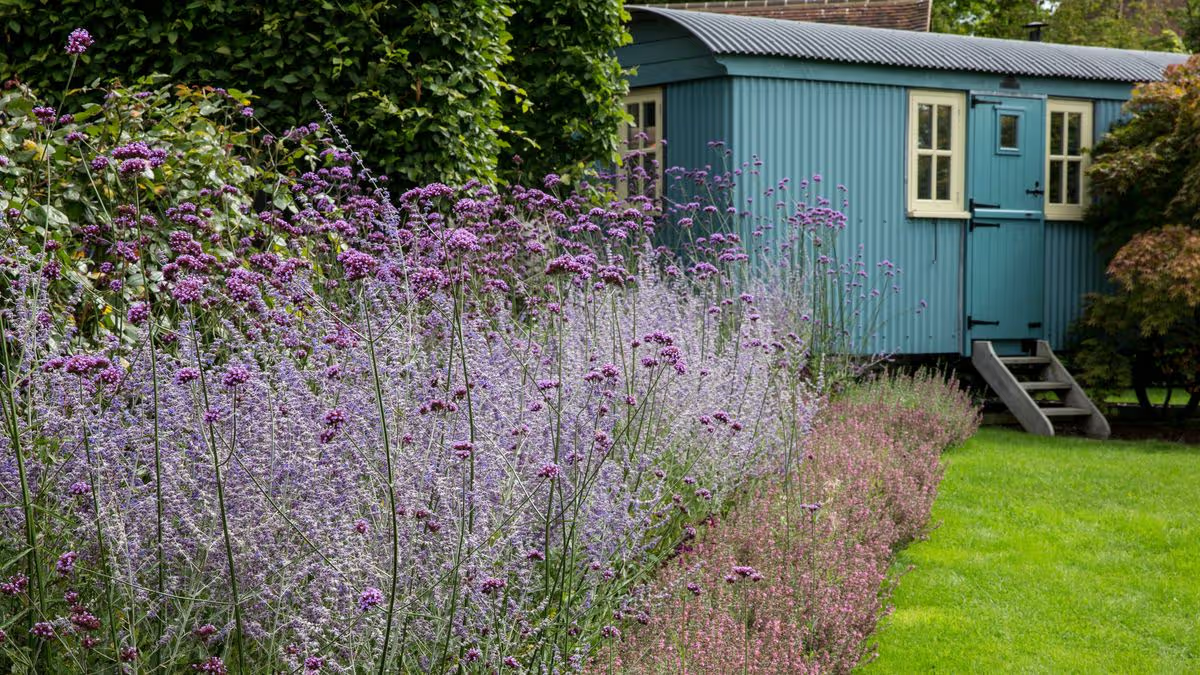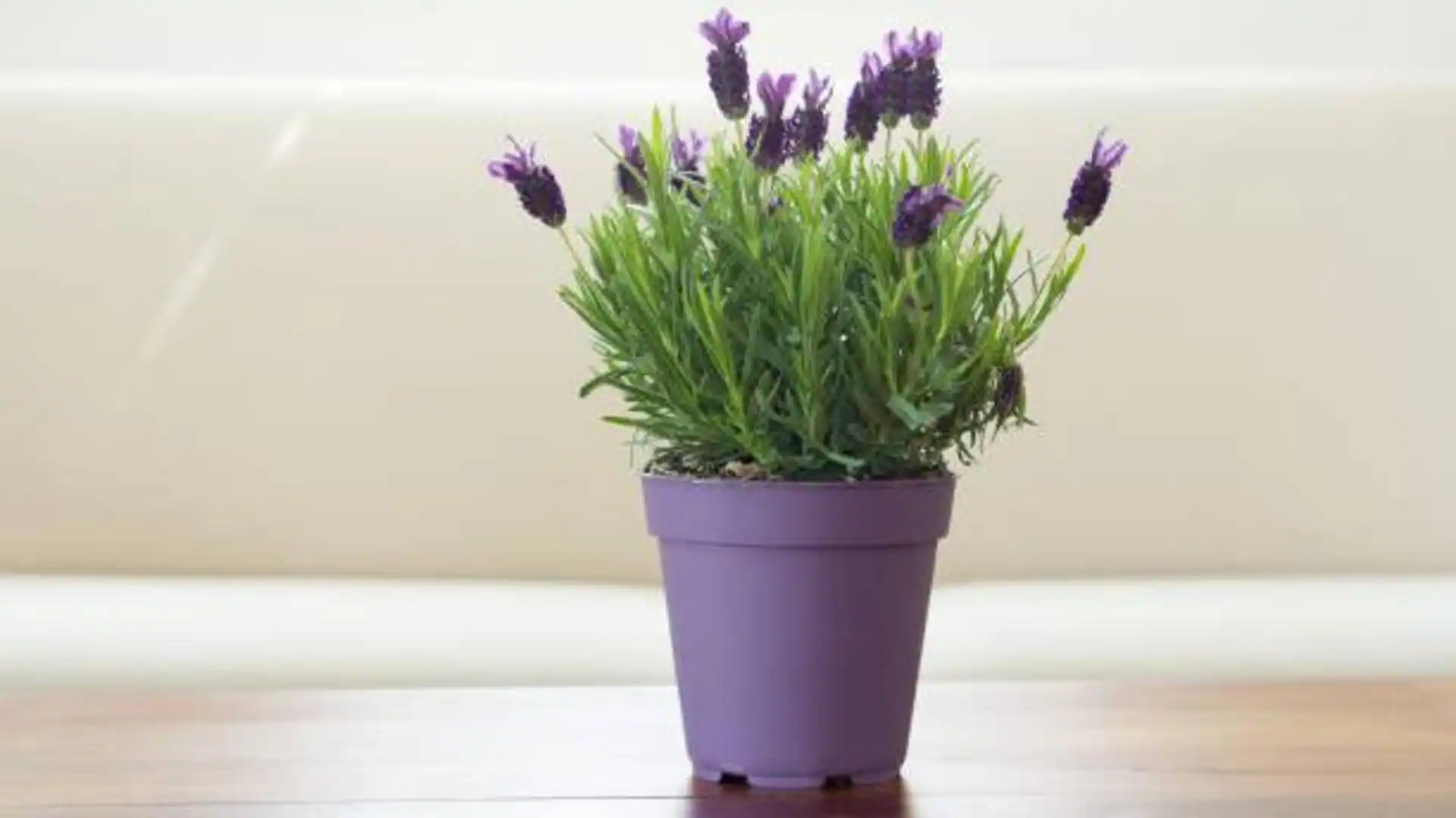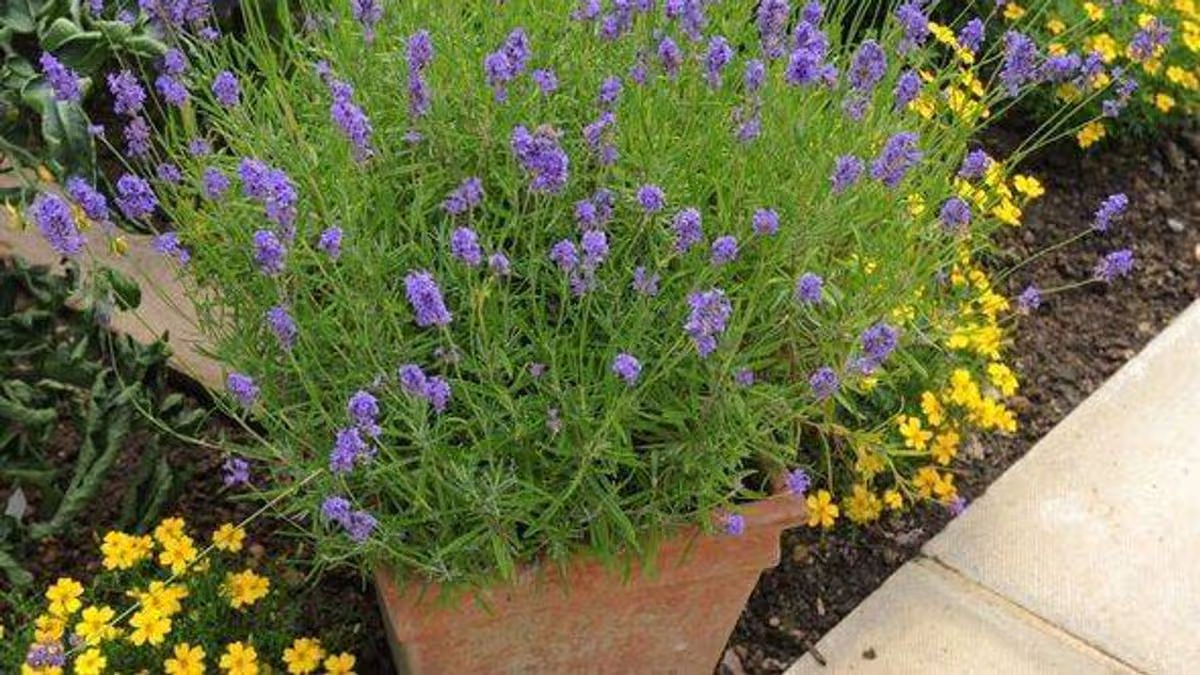
Lavender plants are beloved by UK gardeners, but many make a critical watering mistake that can damage these fragrant plants.15:35, 02 Jun 2026Lavender's distinctive aroma means it's easy to spot even when hidden at the rear of a flowerbed, though many gardeners opt to position it at the front of borders to display its eye-catching foliage. English lavender (Lavandula angustifolia) cultivars like Hidcote and Munstead remain hugely popular throughout Britain, being simple to grow as long as they get sufficient sunlight and well-drained soil.Being a Mediterranean native, lavender has developed a reputation for withstanding arid conditions, which can mislead gardeners into thinking it needs no watering at all. The truth, though, is that there's a critical stage when young and potted lavenders are considerably less self-sufficient. Failing to meet their early watering needs risks compromising root growth and general health - the exact characteristics that make lavender such a stunning garden plant.Lavenders bedded into the ground this spring should be regarded as delicate perennials instead of drought-proof shrubs, the Royal Horticultural Society advises.The RHS noted that lavender "should be watered regularly during its first summer", roughly once or twice weekly.When temperatures soar, the compost can become parched between watering sessions, so you may need to water more often. This proves particularly important for anyone cultivating lavender in containers - whether as an attractive centrepiece on a table, balcony, or terrace. The RHS highlighted that container-grown lavender is far less tolerant than lavender planted in the ground, given that the roots are confined to a limited volume of soil when searching for moisture, reports the Express.Make sure you water thoroughly enough to see moisture emerging through the drainage holes in the pots, then allow the compost to almost completely dry out before watering again.This may require checking moisture levels with your finger or a simple soil moisture meter.Once lavender has finished its first complete growing season and its taproot has reached deep into the ground, additional watering becomes the exception rather than the rule.The RHS notes that in the UK, most established lavender plants will thrive on rainfall alone throughout summer, only requiring irrigation during prolonged periods of drought.Over-watering at this stage causes considerably more harm than good, promoting root rot and weakening what is considered to be an exceptionally hardy plant.How to water lavenderWhen watering by hand, direct the water straight at the root or base of the plant, keeping contact with the flowers and leaves to an absolute minimum.Gardening experts agree that watering lavender first thing in the morning is preferable, as this allows the moisture sufficient time to evaporate throughout the day, preventing common fungal diseases that can take hold when water lingers on the plant for lengthy periods.Article continues belowTwo widespread fungal issues associated with overwatering are Botrytis and Septoria leaf spot. Botrytis appears as a grey, fuzzy mould at the base of the plant, causing leaves to yellow, droop and eventually die off.Septoria leaf spot, on the other hand, starts with tiny grey marks on the leaves, which can develop and gradually sap the plant of its vigour.
Lavender plants will grow strong and stop wilting with key task
Lavender plants are beloved by UK gardeners, but many make a critical watering mistake that can damage these fragrant plants.
512 words~2 min read