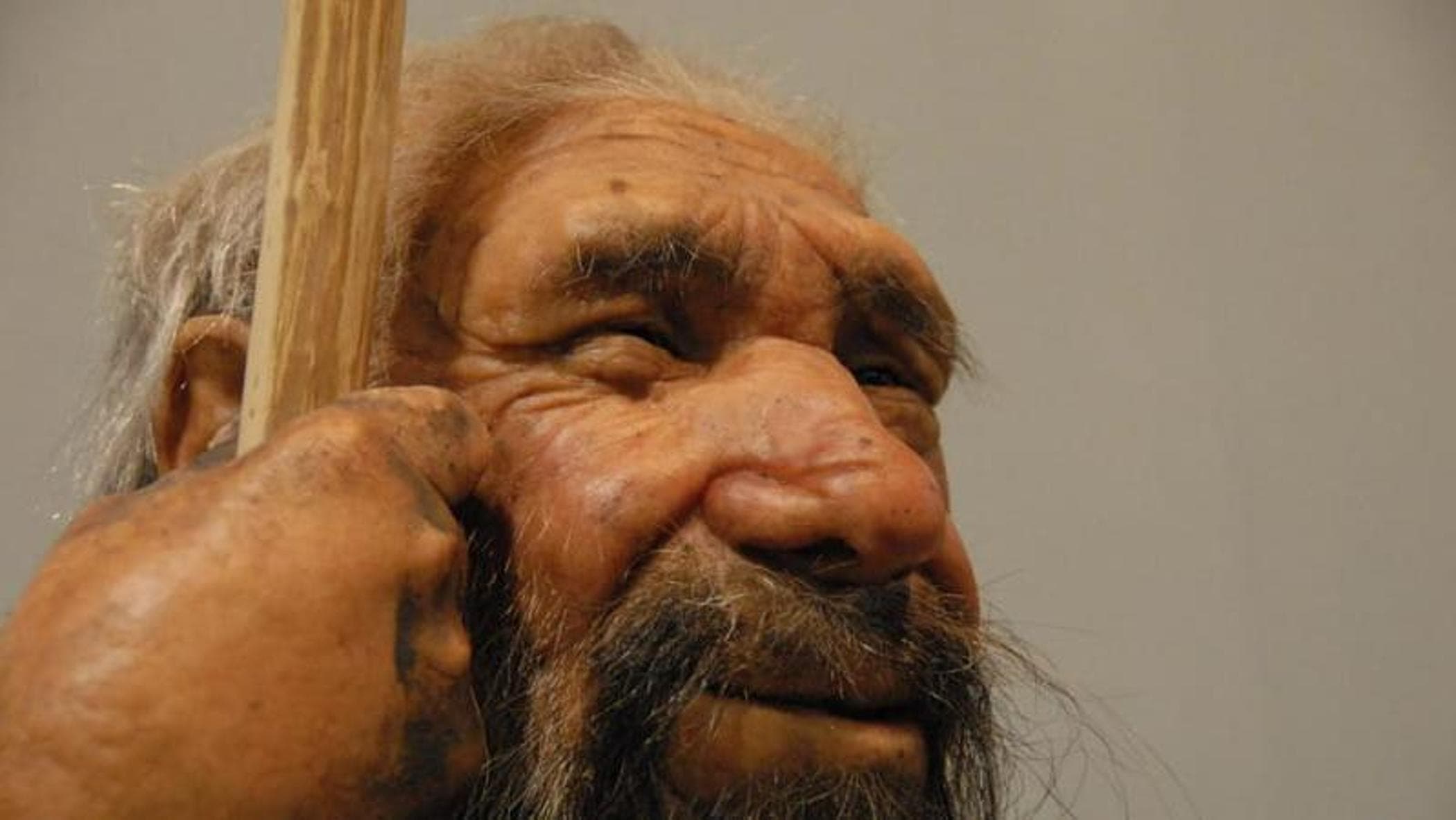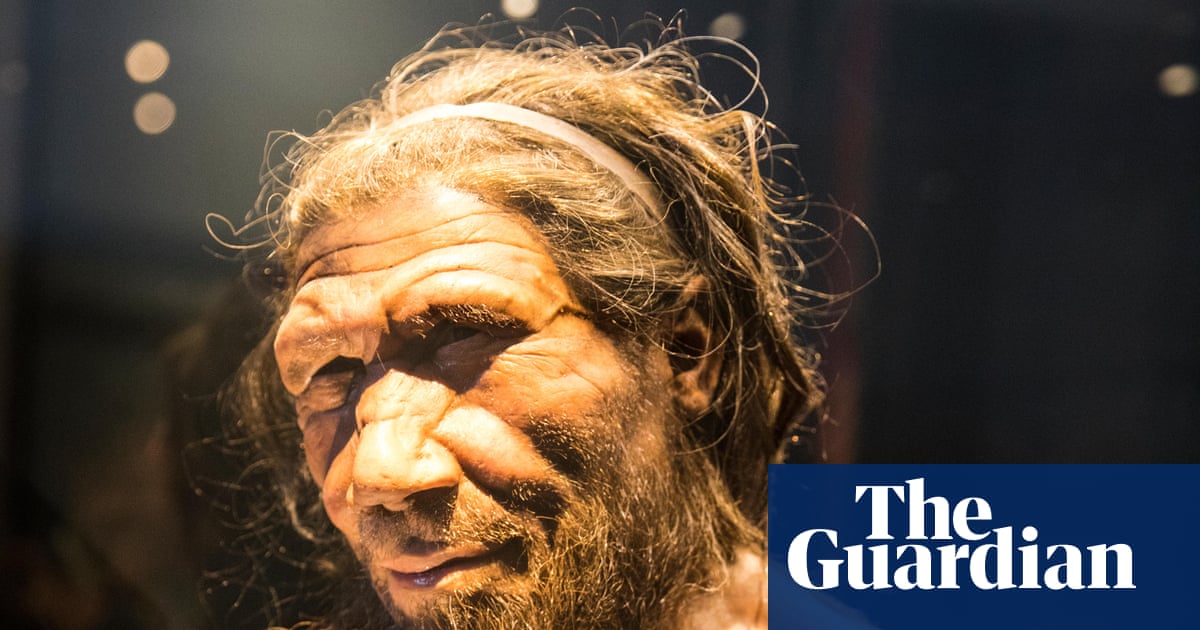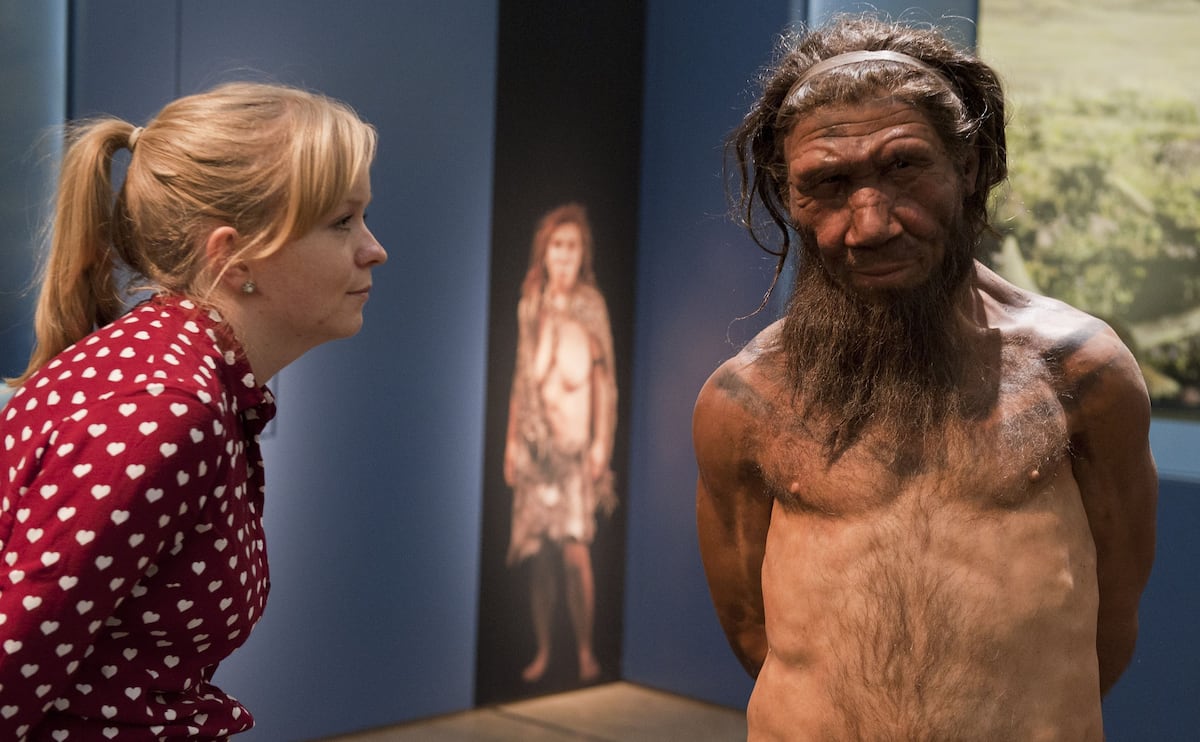
Within a few hours, a statistical analysis had been whipped up into a tale of desire. The “sex lives” of our ancestors were suddenly within clicking distance. This shift is not trivial. It turns an asymmetry in genetic transmission into a narrative based on feelings, attraction, and prehistoric romance.
A scene is staged in which the Neanderthal “Romeo” wins the heart of a Sapiens “Juliet.” The story of our origins becomes a tabloid romance.
Yet the study published in Science says nothing of the kind. The authors are investigating a well-known pattern: in present-day non-African modern humans, traces of Neanderthal DNA are not distributed evenly and are more frequent on the non-sex chromosomes than on the X chromosome, where they are strongly depleted.
To explain this contrast, the authors compare several hypotheses: natural selection, sex-biased demographic processes or partner preference. Their conclusion remains cautious: partner preference is one possible parsimonious mechanism, but it excludes neither demographic bias nor more complex scenarios.
The study therefore shows neither an observed attraction nor any directly lived preference. It proposes something much narrower: within the space of models it tests, certain scenarios make an asymmetry of the Neanderthal male/Sapiens female type more plausible. In such a scheme, Neanderthal DNA can be transmitted widely through the ordinary chromosomes, while the Neanderthal X chromosome circulates less easily, since a father passes it on only to his daughters. This is not trivial. But neither is it the direct observation of attraction between populations, and showing that a statistical model can produce a genetic pattern is not the same as proving that this model was historically true.What the X chromosome does not tell us about social lifeAs soon as we move from genetic data to their historical and social implications, interpretations become fragile. Chromosomes do not carry a faithful memory of our ancestors’ social lives. The fact that Neanderthal DNA is rare on the X chromosome does not, in itself, allow us to reconstruct Palaeolithic social organization or the sexual preferences of these populations.