Hwang Joo-young
Staff reporter at The Korea Herald’s National Desk, based in Seoul. Covers South Korea’s national security and foreign policy, with a focus on the Defense, Foreign and Unification Ministries, as well as the National Assembly.Before entering journalism, served as an Air Force officer. Experience includes providing translation and interpretation, as well as strategic input for planning efforts, at the ROK-US Combined Forces Command. During three years of military service, took part in six major South Korea-US combined exercises.
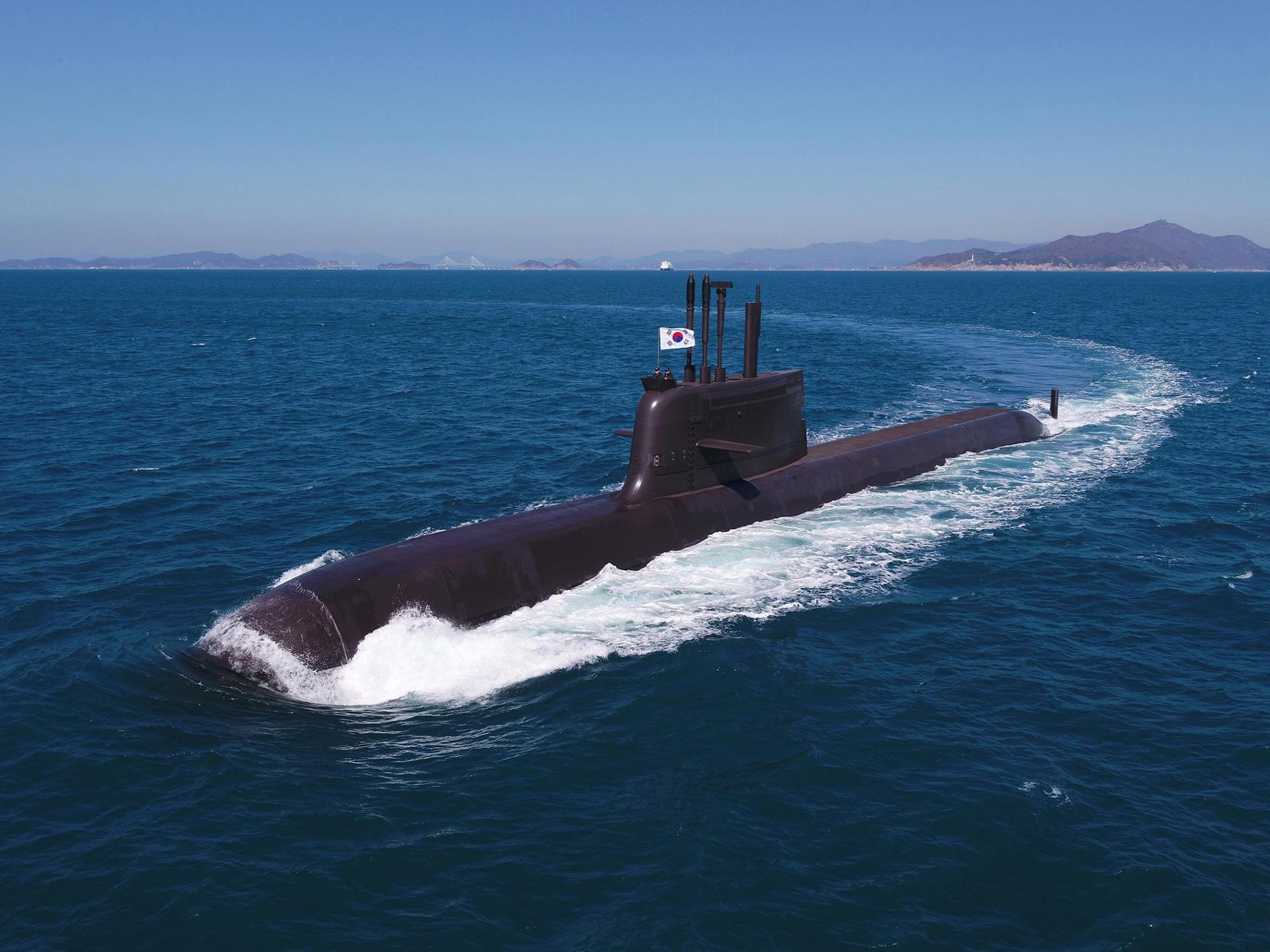
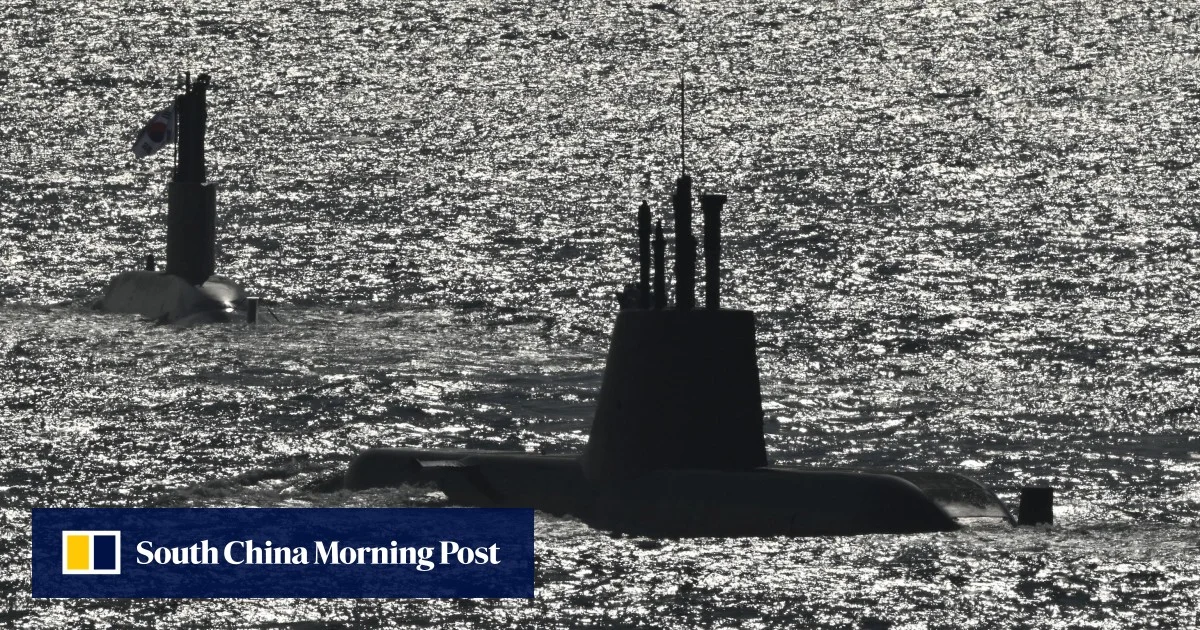
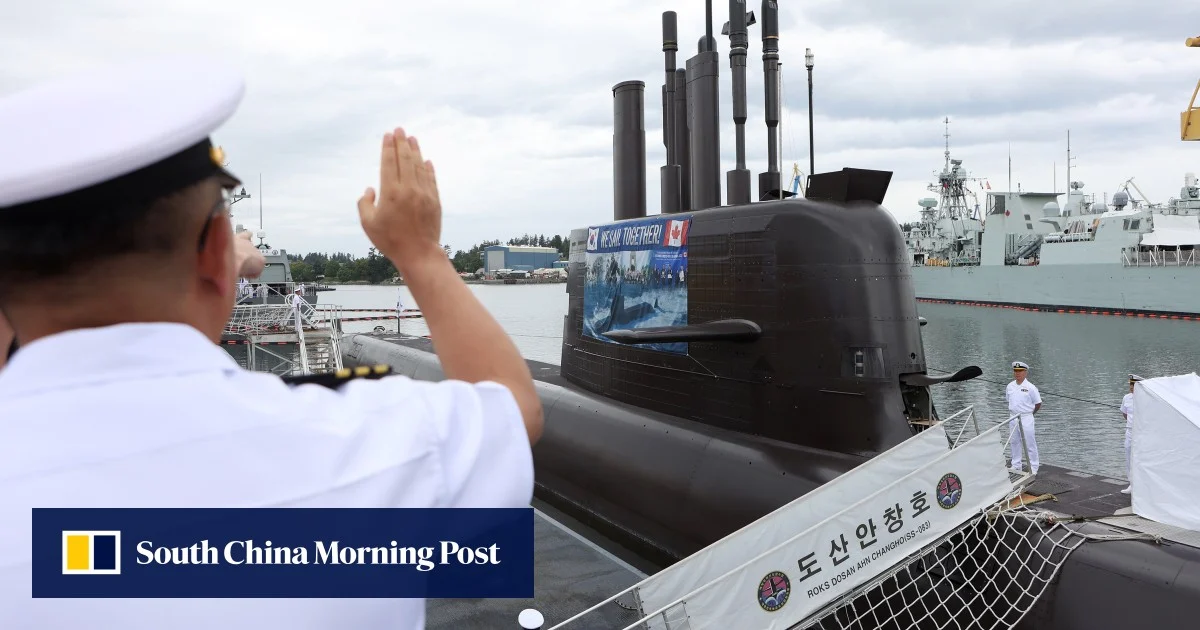
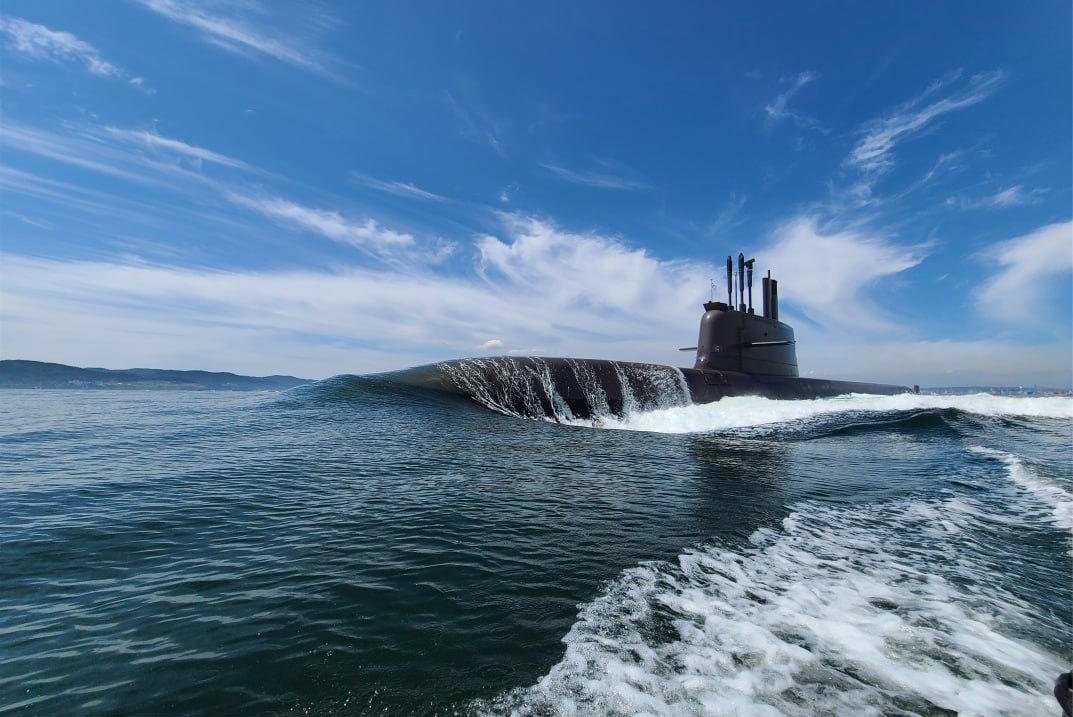
Germany’s winning bid highlights Seoul’s next task: turning defense technology into trusted partnerships The South Korean Navy’s Dosan Ahn Chang-ho submarine (front) and frigate Daejeon conduct a tactical maneuver during a joint naval exercise with Canada off Canada’s western coast on June 4-5. The exercise also involved Canada’s submarine Corner Brook and frigate Ottawa. (Republic of Korea Navy) South Korea’s failed bid to win Canada’s next-generation submarine project has highlighted both the competitiveness of its defense industry and the limits it faces in major NATO markets.On Monday, Canada named Germany’s Thyssenkrupp Marine Systems as the preferred bidder for the Canadian Patrol Submarine Project. The program calls for up to 12 conventionally powered submarines for the Royal Canadian Navy.Hanwha Ocean, which competed with its KSS-III-based proposal, was named the reserve bidder in case negotiations with the German company fall through.For Seoul, the decision was a disappointment after months of high-level campaigning by the government, the Navy and Hanwha Ocean. President Lee Jae Myung and presidential envoy Kang Hoon-sik also backed the campaign.But officials and industry watchers say the bid still carries significance. South Korea reached the final stage of one of the world’s largest submarine procurement contests against Germany, the country that first taught it how to build submarines.The NATO wallPresident Lee on Tuesday said that despite the unsatisfactory outcome, the process showed Korea's capabilities on the global stage.Writing on his social media account, Lee said Korea has competed with the world's leading submarine producers to prove technological capabilities and that Korea's defense industry is "becoming a core industry for the country's competitiveness.""What is important is not to stop, but to continue moving forward," he added.Kang posted a similar message to his social media, saying that the competition confirmed how far South Korea’s defense industry had come. He said the bid showed that Korean submarines could now compete with German platforms in terms of performance and industrial cooperation.“The result also showed the reality that technology alone cannot explain everything,” Kang wrote, referring to what he described as the “thick wall” of NATO, a military alliance built over more than seven decades.Hanwha Ocean also said it had failed to overcome the NATO alliance factor, despite the government’s support, the submarine’s performance and the Korean Navy’s operational experience.“We did our utmost, but could not achieve the result we had hoped for,” the company said in a statement. “We will closely analyze the tasks identified through this competition and find a way for K-maritime defense to take a further leap in the global market,” it added.Defense Acquisition Program Administration Minister Lee Yong-chul struck a similar tone Tuesday. He said South Korea had offered a competitive package in terms of submarine performance, delivery timeline and industrial cooperation.But NATO interoperability and long-standing alliance cooperation appeared to have been decisive, he said.According to the minister, Canada cited several strengths in the German offer. They included its fuel-cell-based air-independent propulsion system, battery performance, NATO interoperability, crew-sharing arrangements, Norway’s decision to yield production slots for earlier delivery, full offset commitments, job creation, and maintenance, repair and overhaul benefits.He argued that South Korea was not behind Germany in most of those areas.He said Seoul’s proposed delivery timeline remained faster even when Norway’s production adjustment was taken into account. The decisive gap, he said, appeared to come from NATO interoperability and the long-established military cooperation framework between Canada, Germany and other alliance members. Canadian and South Korean Navy submarine crew members pose aboard the South Korean Navy’s 3,000-ton Dosan Ahn Chang-ho submarine at CFB Esquimalt in Victoria, Canada, on June 2, ahead of a joint naval exercise. (Republic of Korea Navy) Why Canada looked to GermanyThe Canadian government emphasized that TKMS’ 212CD submarine is designed for Arctic patrol, undersea surveillance and special forces deployment. Ottawa also described it as fully interoperable with NATO.Canada said the new submarines would help detect, track, deter and, if necessary, defeat threats in all three oceans bordering the country.That strategic context appears to have weighed heavily in the decision, experts said.Canada’s submarine program is not simply a naval modernization project. It is a long-term strategic choice tied to Arctic security, Atlantic defense, NATO operations, industrial benefits and supply-chain resilience.For South Korea, the result highlights a recurring challenge in NATO-linked markets.Korean defense companies have become increasingly competitive in price, delivery speed and platform performance. But major strategic weapons deals in those markets often hinge on political trust, alliance infrastructure, logistics networks, shared training and decades of operational familiarity.Still, officials see the Canada bid as a possible foothold rather than a one-off defeat.Lee compared the case to South Korea’s earlier failed bid to export K2 tanks to Norway. Although the Korean tank was evaluated favorably in cold-weather trials, Norway chose a German platform.The K2 later gained momentum in Poland, which signed an agreement with South Korea after taking note of the tank’s performance.Officials hope the Canada bid could play a similar role by serving as a global showcase for South Korea’s submarine technology.During the campaign, Hanwha Ocean emphasized that its proposal was not based on a paper design. It said the platform was backed by the Korean Navy’s operational experience, including long-distance deployment and crew habitability.Beyond platform competitivenessStill, officials acknowledged that future bids will require more than strong hardware.Lee said defense markets are increasingly shaped by security blocs, domestic industry-first policies and strategic alignment.To overcome those barriers, South Korea must widen its technological edge, deepen localization strategies and strengthen government-to-government channels with potential buyers, he said.Experts said the result should not be read simply as a failure of South Korea’s submarine technology. Rather, it shows that major weapons programs are often tied to broader security relationships.“The Canada case shows that defense exports, especially for strategic assets such as submarines, are not decided by platform performance alone,” said Yu Ji-hoon, a research fellow at the Korea Institute for Defense Analyses.“They are also shaped by the buyer’s alliance structure, operational environment and long-term security priorities.”Yu said South Korea’s bid nevertheless helped demonstrate that its submarine industry had reached a level where it could compete in the final stage of a major Western procurement race.“For South Korea, the task now is to build on that exposure and develop defense cooperation in a more comprehensive way,” he said.“That means going beyond individual platforms and offering a broader package that includes training, maintenance, industrial cooperation and long-term security partnership.”