(Image credit: Future)
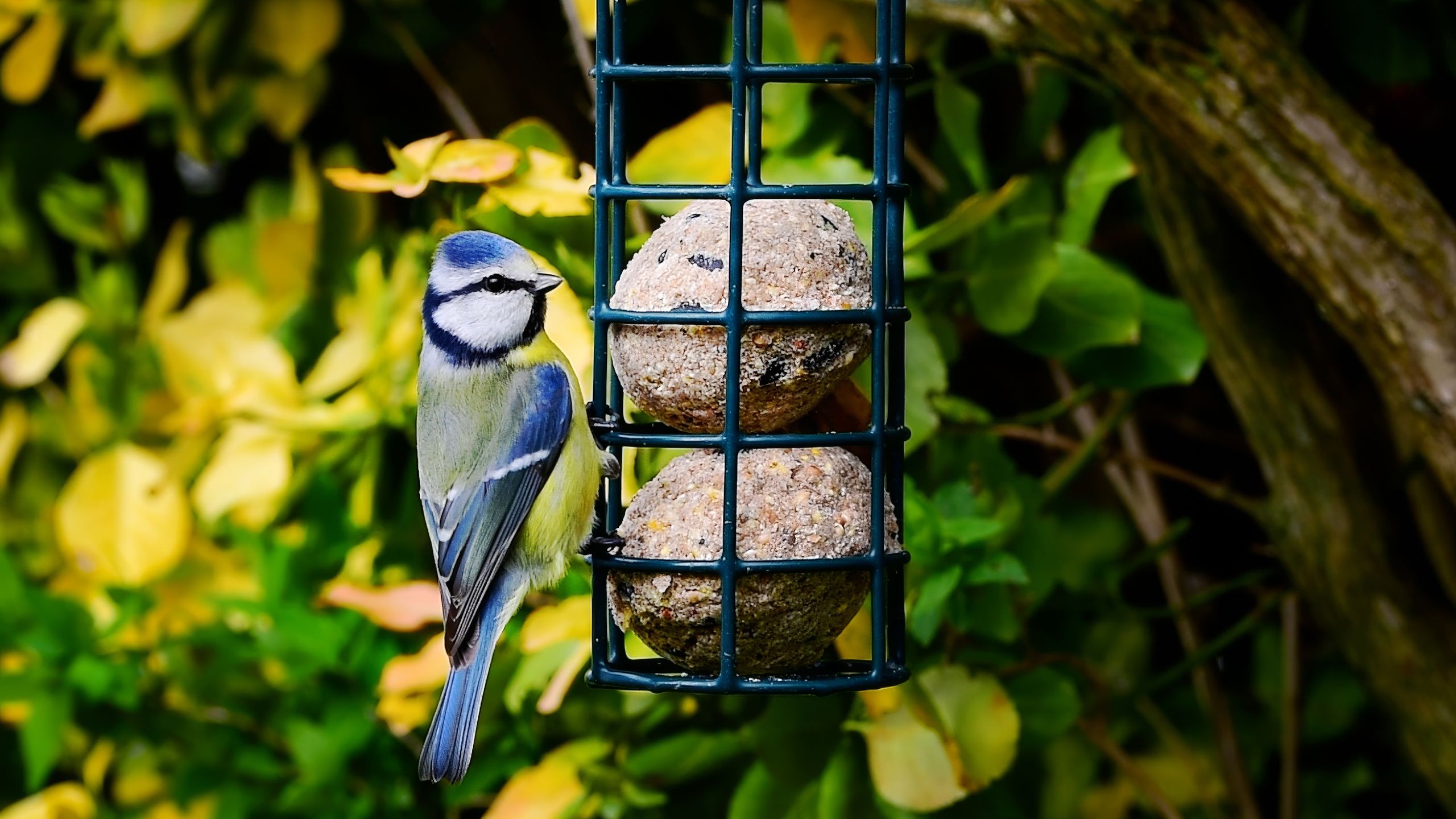
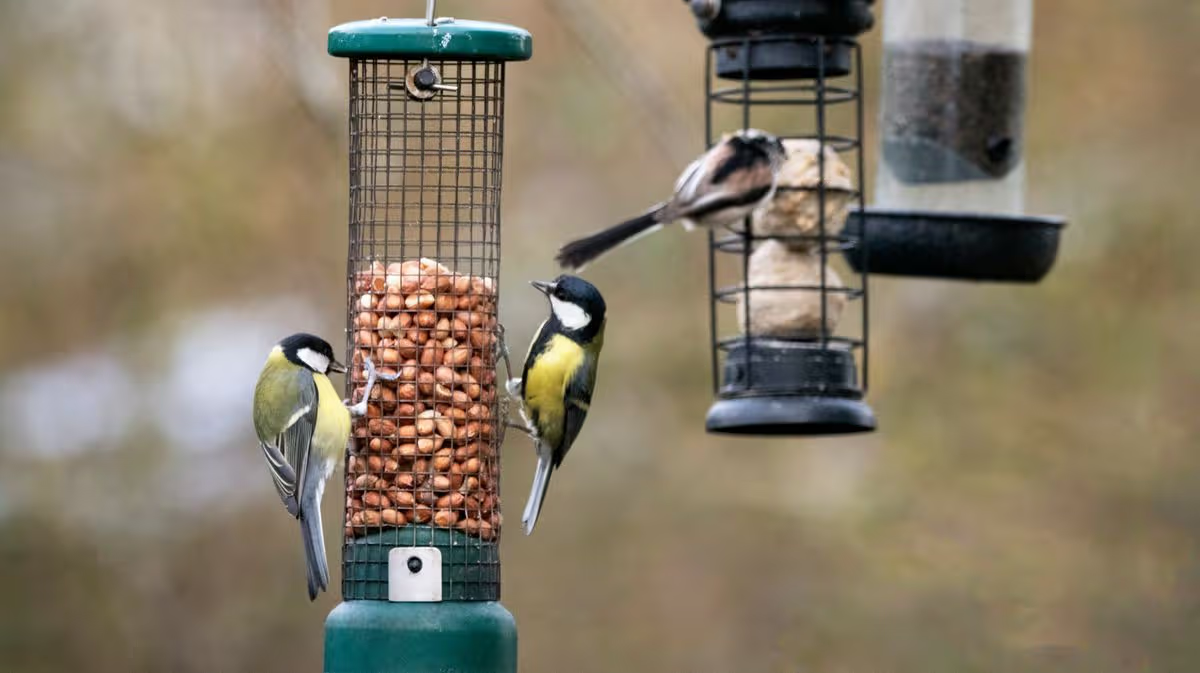
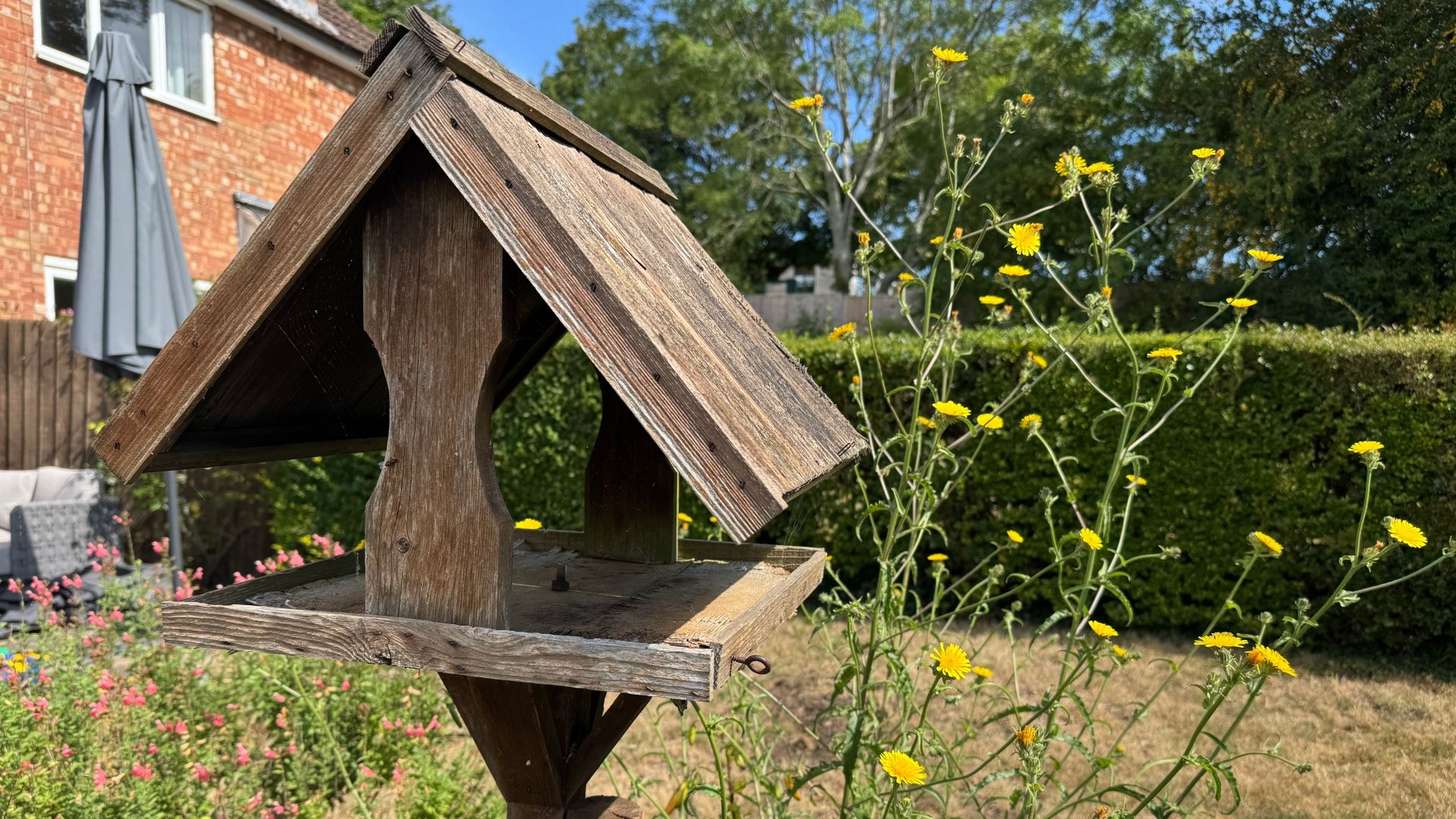
I've been trying to get the right bird feeder for my garden for months. From my hanging cage that attracts unwanted attention from squirrels, to the smaller wooden box that keeps falling down, to the DIY one my son made that came under attack, I'm not having much luck.So, I turned to my old faithful — a flat bird feeder that balances safely upon a pole and provides a roof to shield the food from the elements. Only, it turns out, that's exactly what I shouldn't be using. While I thought I was doing something good for my local wildlife with the most stable option, in fact, using a flat bird feeder could be having the opposite effect. And if you're using one too, you might want to rethink it.Why you shouldn't be using a flat bird feeder
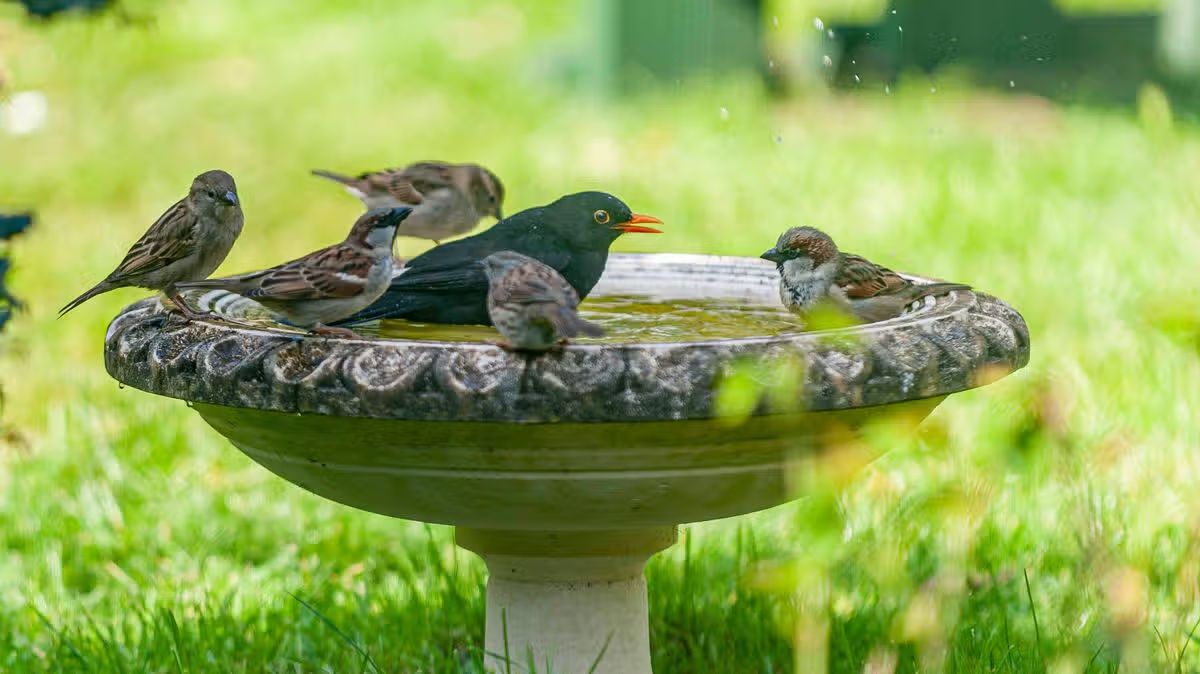
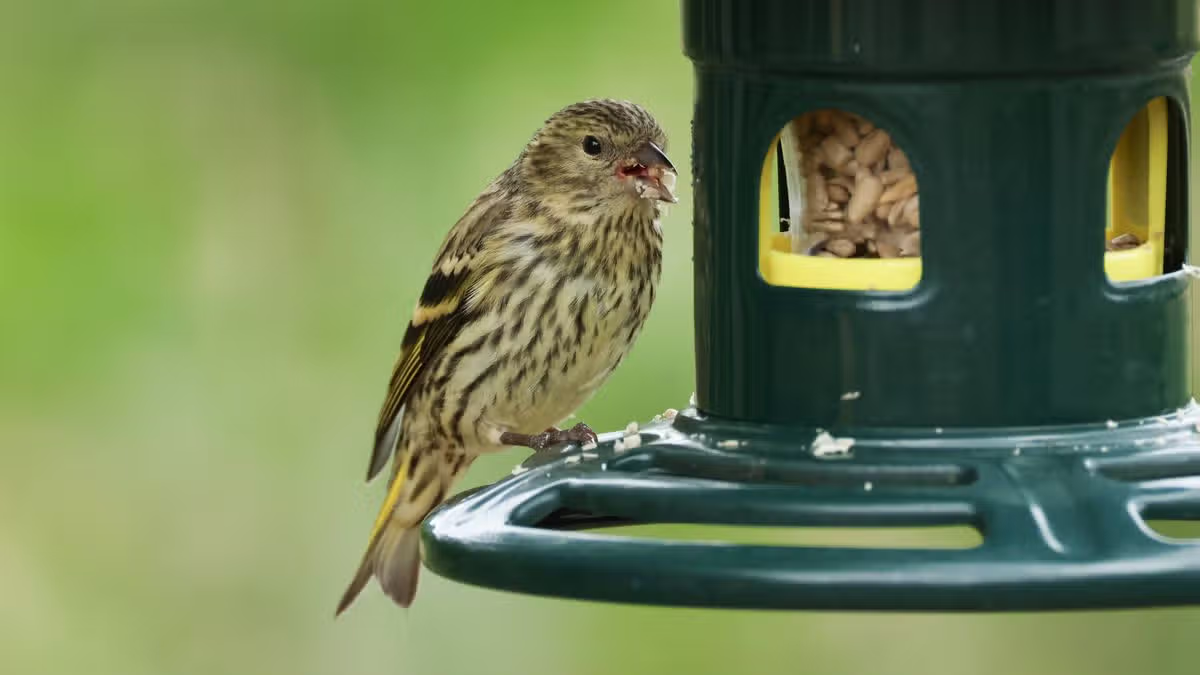
(Image credit: Shutterstock)Bird tables feel like one of the most common ways to feed birds that are local to your area and that's because they are. But, conservation charities like Britain's Royal Society for the Protection of Birds (RSPB) strongly advise against them and there's a good reason for it.According to the RSPB, it's actually a hot bed for disease, specifically finch trichomonosis, a highly contagious variant that's easily spread around bird feeders. And the problem with flat bird feeders in particular is that the feed sits out in one spot for extended periods of time where birds continuously visit and revisit it.RSPB specifically advises: "Don't use bird feeders with flat surfaces, such as bird tables, window feeders and feeders with trays. Research has confirmed that there's a higher risk of disease spreading on flat surfaces, where contaminated food can collect."Leaving diseased food or droppings on a flat surface can have devastating consequences for your garden birds, so instead of using flat bird feeders, you should be avoiding them.What you should do instead