(Image credit: Shutterstock)
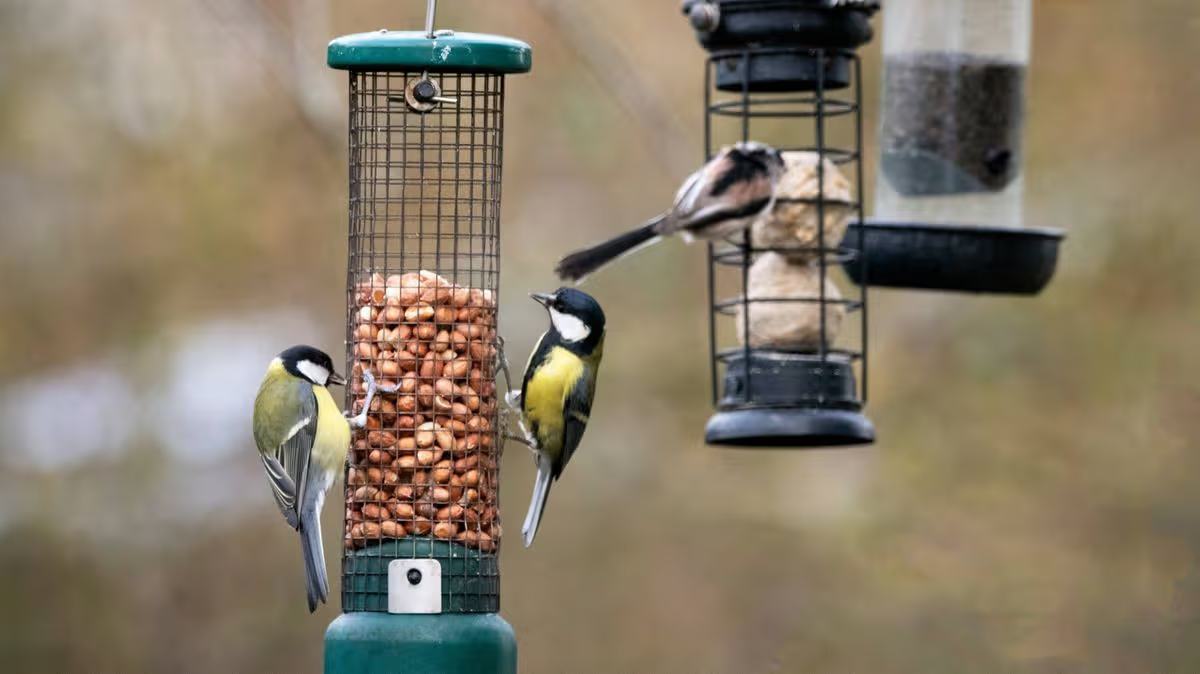
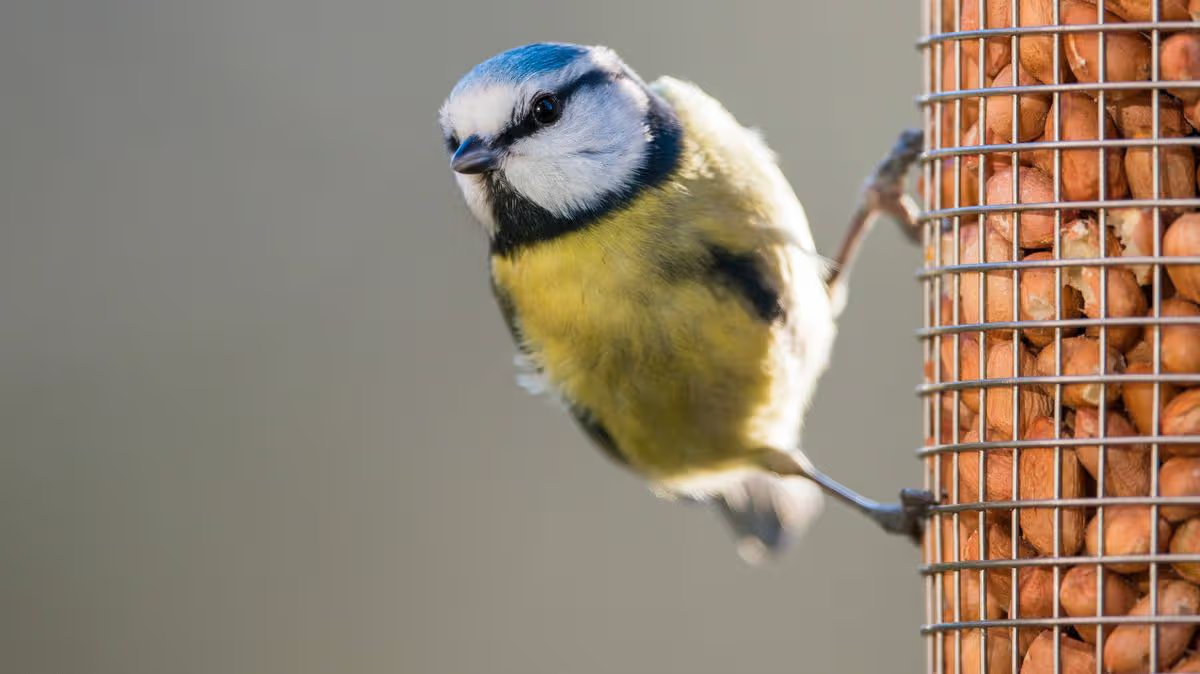
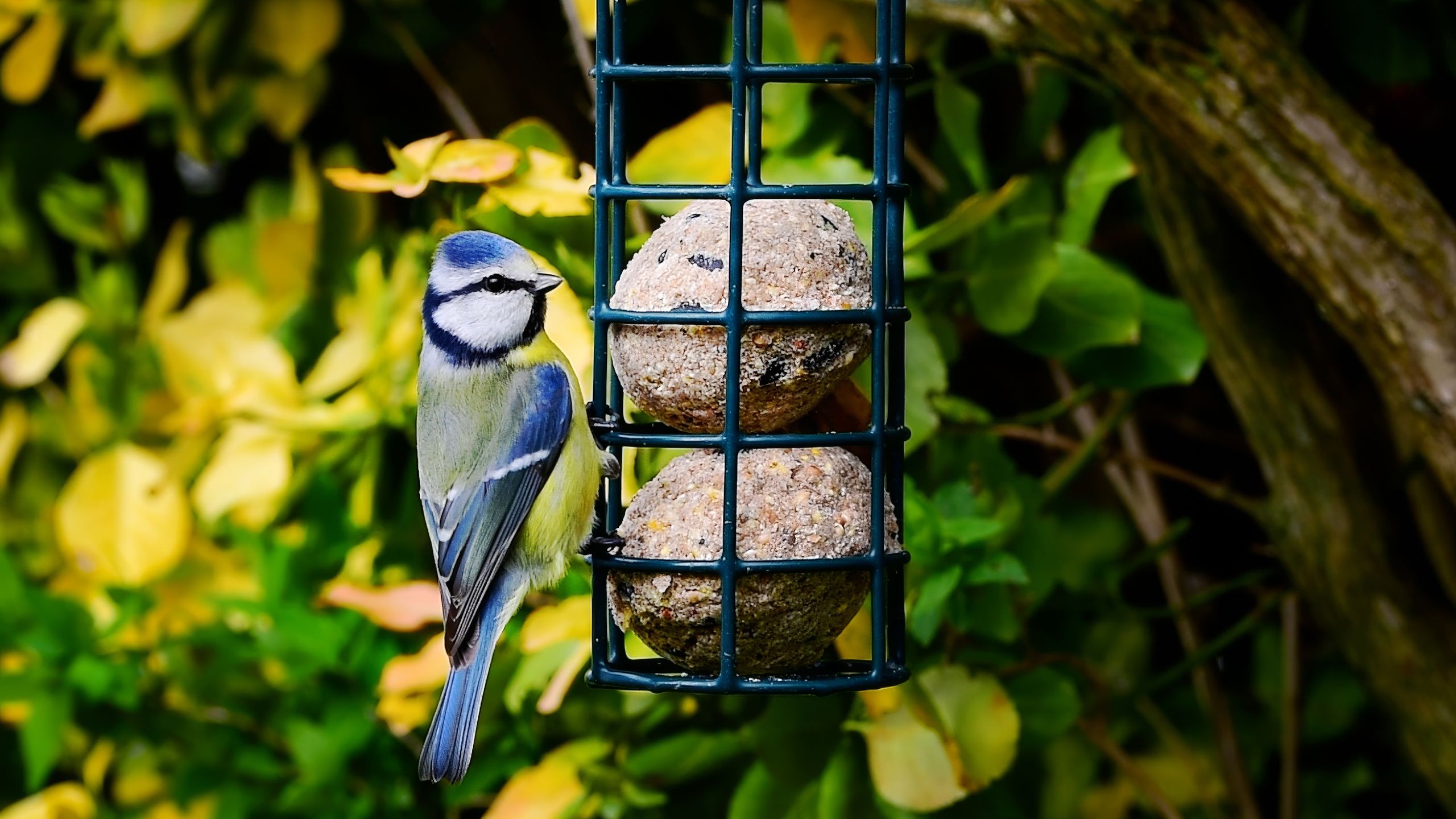
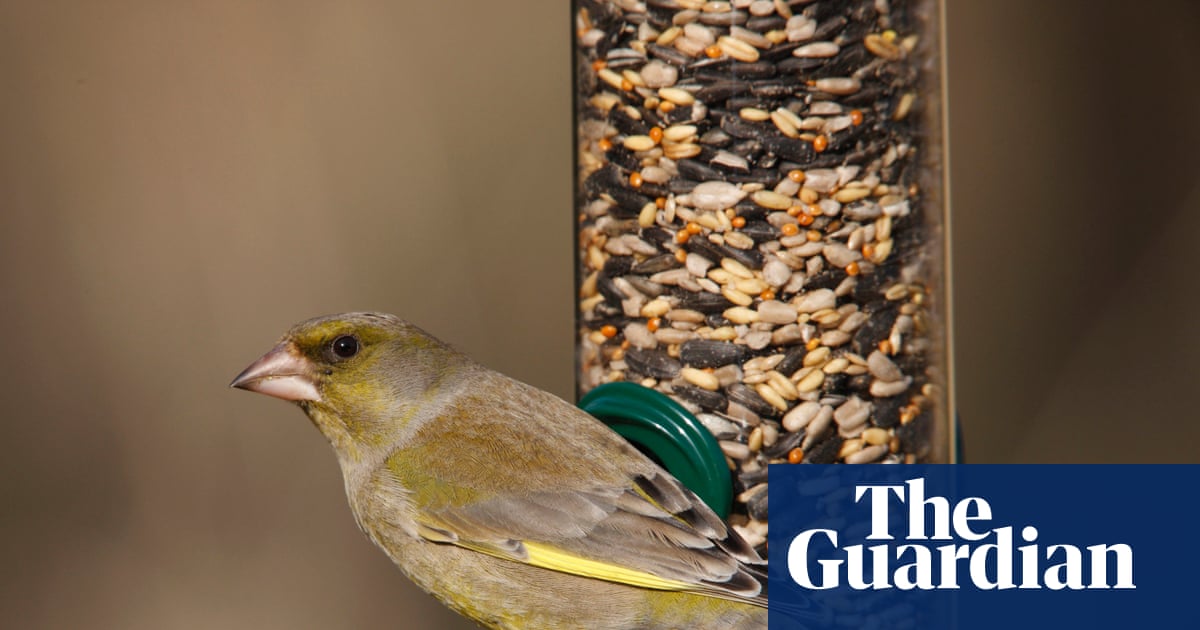
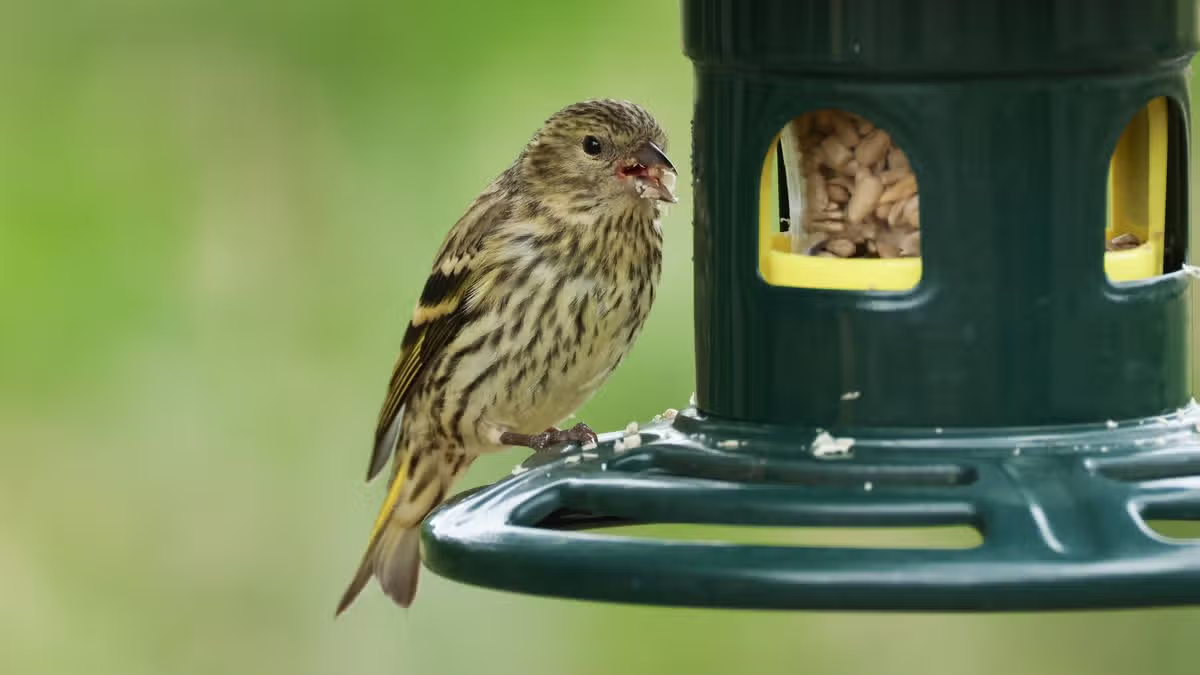
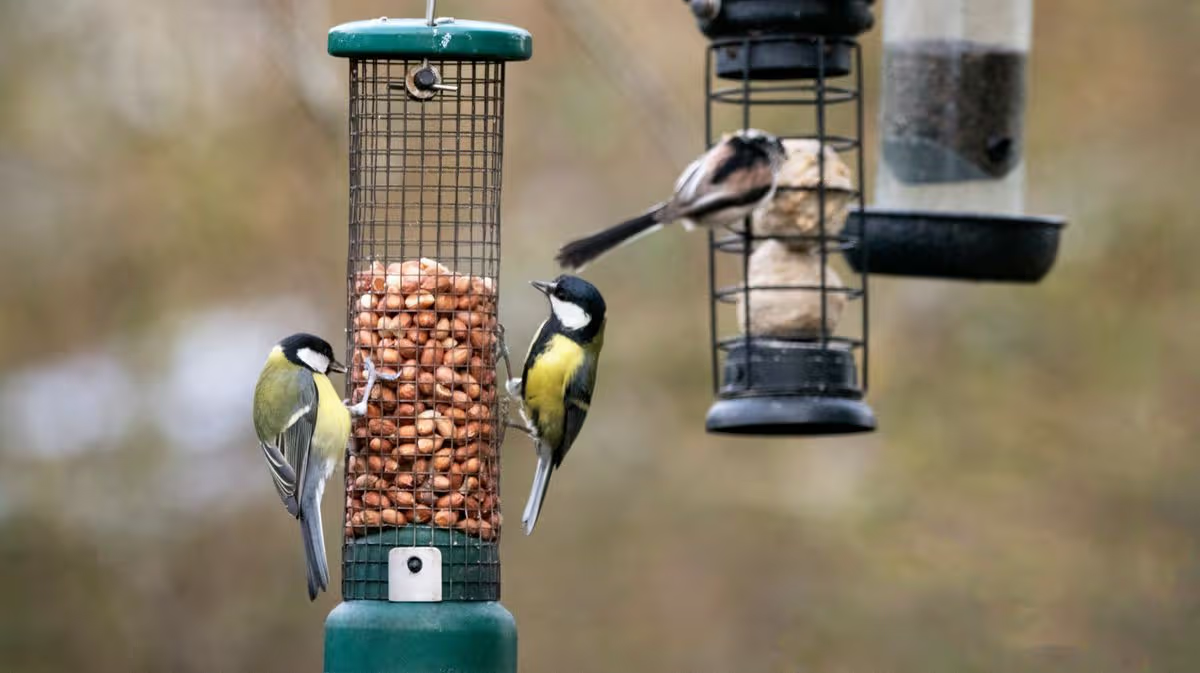
Experts and conservationists are warning households to rethink their bird-feeding habits this summer. The focus is shifting away from traditional feeders toward natural habitats and hygiene to prevent the spread of disease.Trichomonosis, a highly contagious disease, is causing a decline in garden bird populations, with the U.K.'s Royal Society for the Protection of Birds (RSPB) organization saying it spreads where birds gather in large numbers. And it’s for this reason that the nature conservation charity advises against feeding the birds from May to October.
(Image credit: Shutterstock)It’s a similar story in the U.S., with organizations like the Audubon Society advising against feeding garden birds during outbreaks of Avian Influenza, House Finch Eye Disease and Trichomonosis.While I’ve taken down my bird feeders, I still want to encourage these small creatures to visit my yard, so I asked experts how to support garden birds naturally.Let them drink
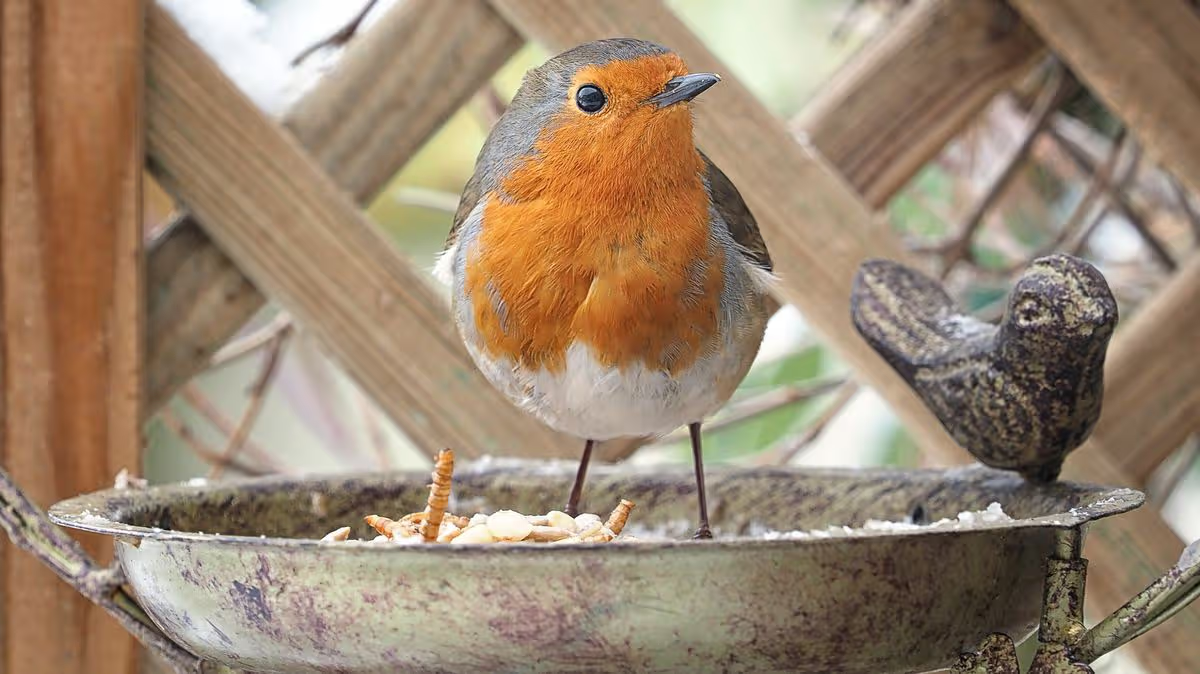
(Image credit: Shutterstock)“Birds don’t actually need extra food during summer in the same way they do in winter,” says Chris Bonnett, garden expert and founder at Gardening Express, “What they need most is access to fresh water, natural habitats and environments that are teeming with insects to help them raise their young safely.”One of the most helpful things people can do is put out a shallow dish of clean, fresh water for birds to drink and bathe in. Not only will it provide a water source when natural sources dry up, but it will also help birds regulate their temperature and keep their feathers clean.“Keeping water topped up daily is especially helpful for species like songbirds, which lose more water than many other birds and need to drink more often,” says Richard Green, bird feeding specialist at Kennedy Wild Bird Food & Pet Supplies.Get instant access to breaking news, the hottest reviews, great deals and helpful tips.Placing water in a sheltered spot among plants can help birds use it with more cover from predatorsRichard Green, Kennedy Wild Bird Food & Pet SuppliesAnd he adds that you also need to be careful where you position the water. “Placing water in a sheltered spot among plants can help birds use it with more cover from predators.”However, the birds still need to be protected from disease. The RSPB advises changing the water daily and giving the water vessel a good scrub once a week, and more often in hot weather.Create a garden that supports natural feeding