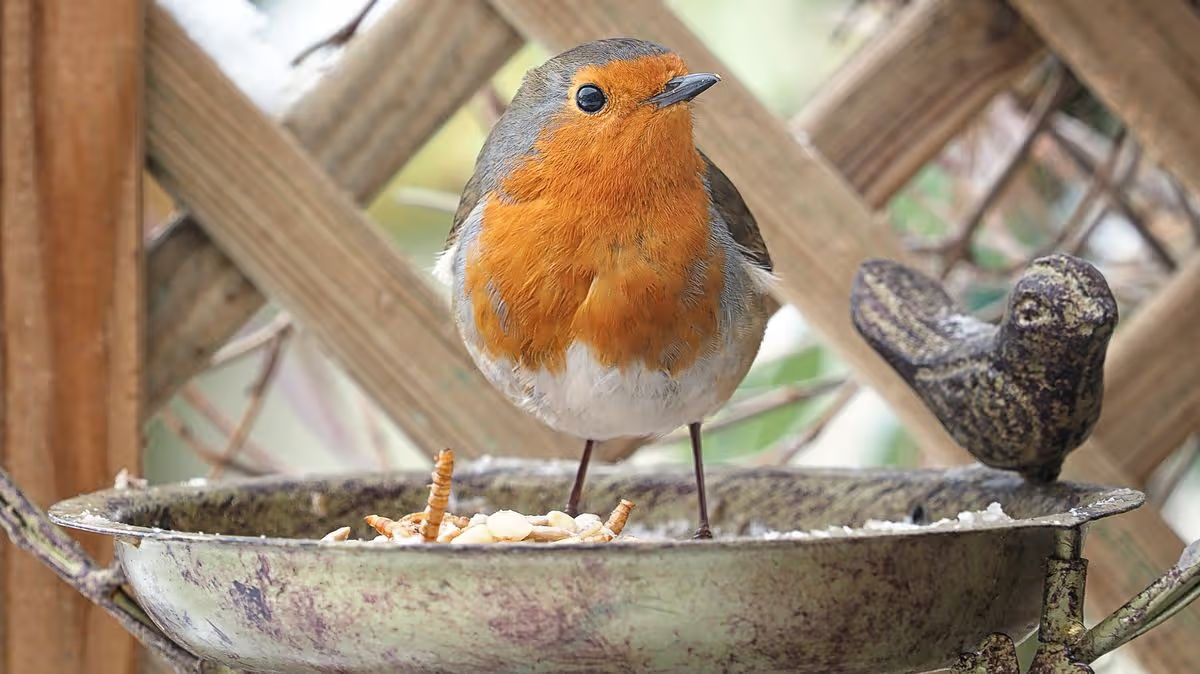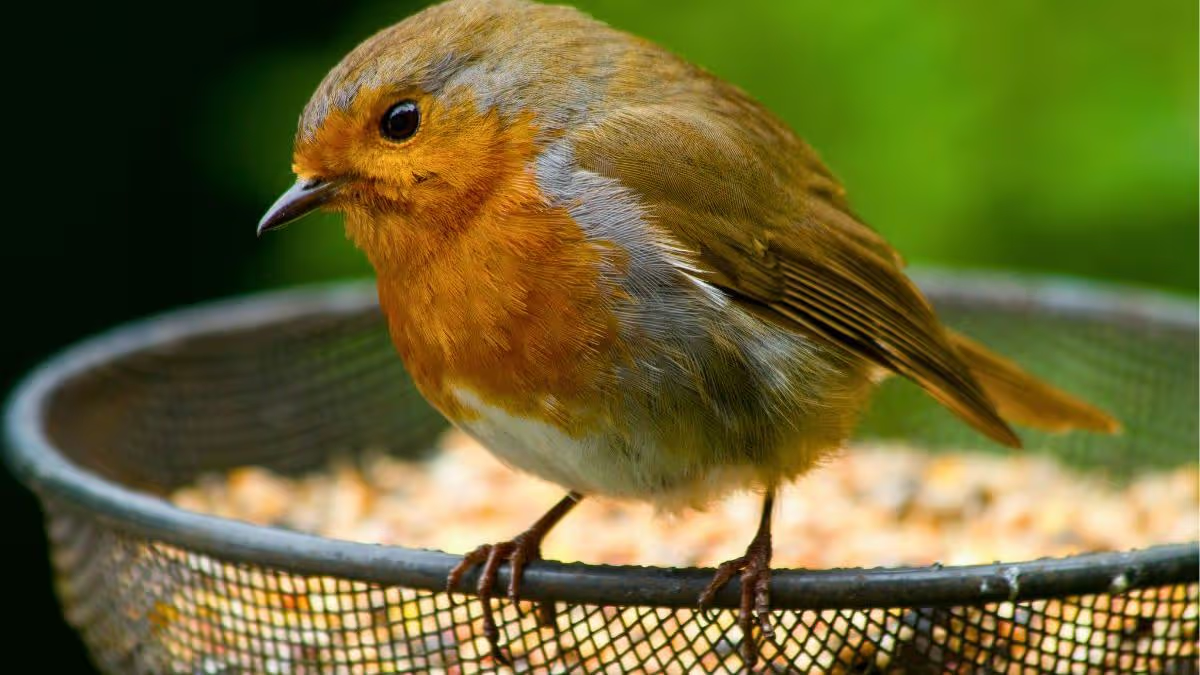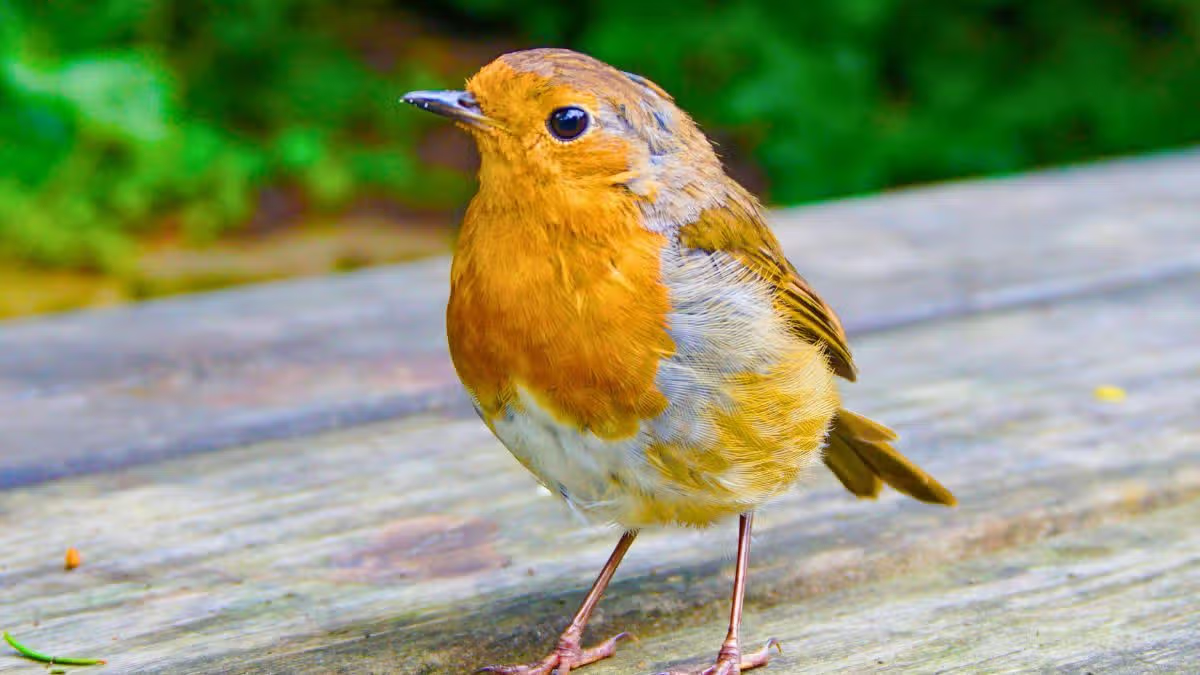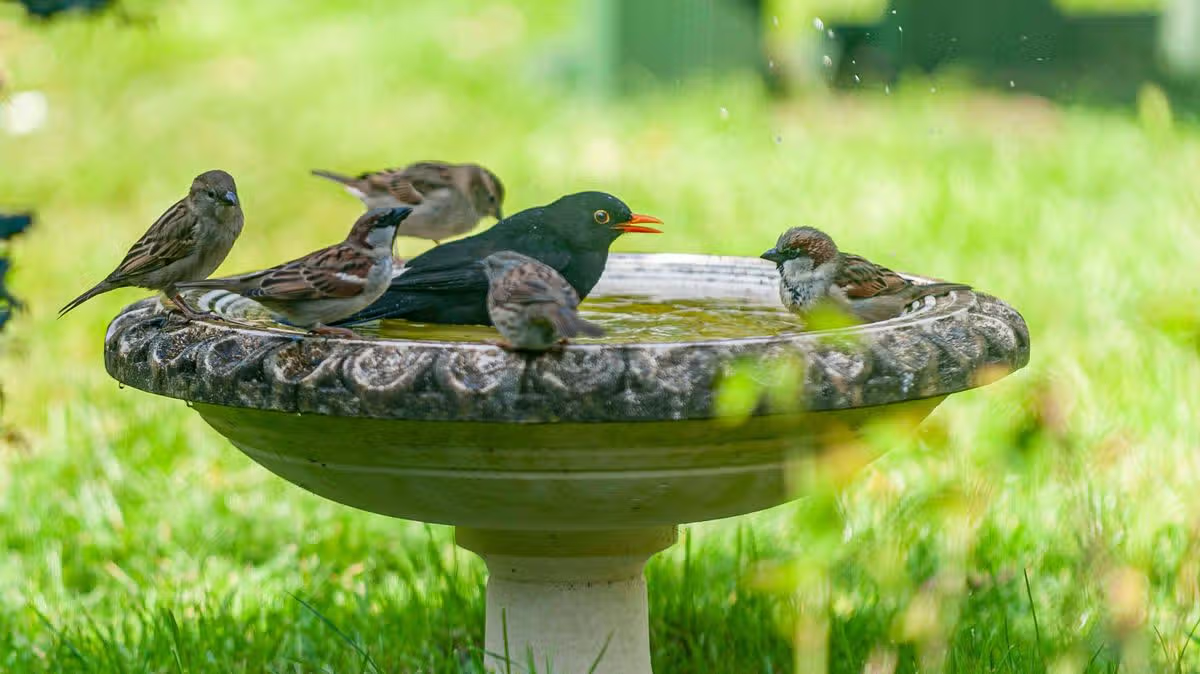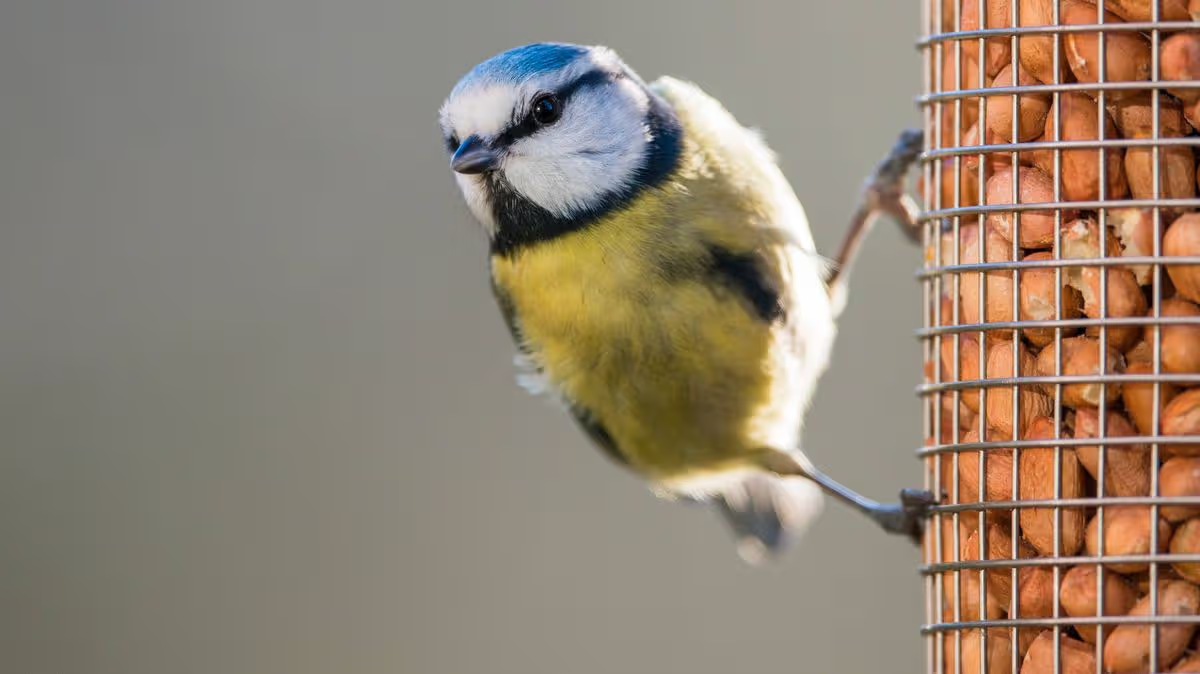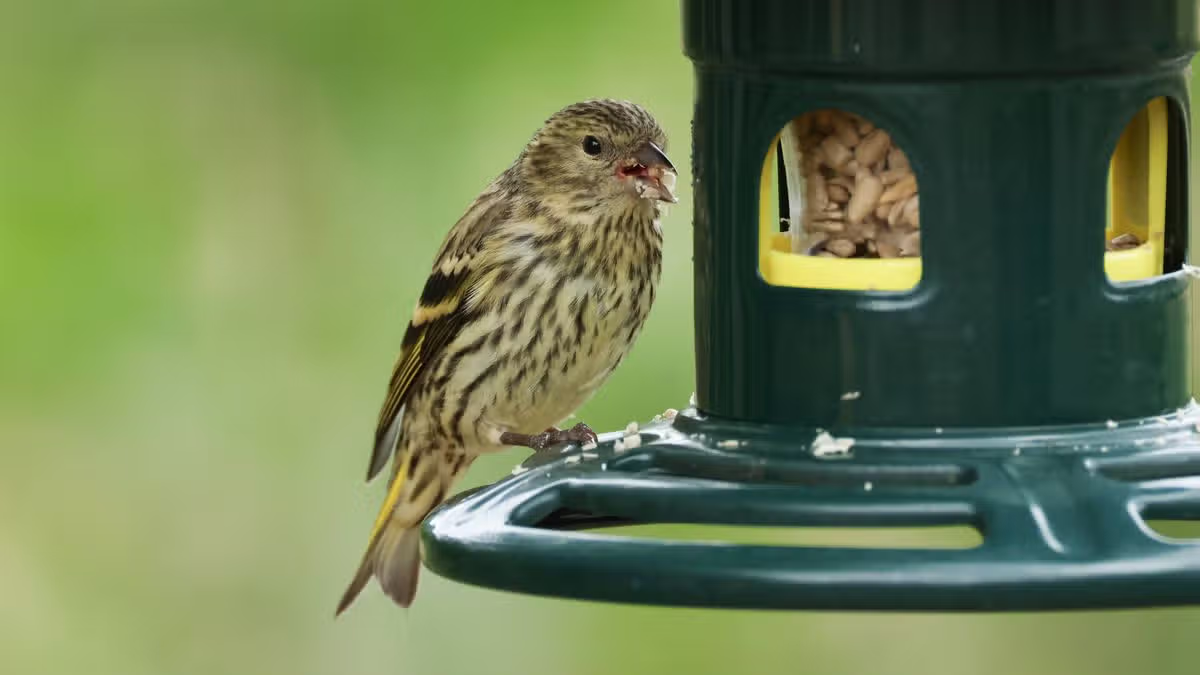
Garden birds need more energy in summer to help feed their young, and experts say it is no longer the case that people should only leave food out in winter or spring15:31, 07 Jul 2026Summer is one of the most crucial periods of the year for garden birds, as sparrows, starlings, blackbirds, robins and many other British favourites are busy feeding their newly hatched chicks during the warmer months. To give birds a helping hand during this peak season, gardeners are being encouraged to leave two types of fruit out on lawns and bird tables, alongside fresh water.The RSPB advises gardeners to put out a variety of foods to cater for different birds throughout the year, though seeds are no longer recommended during summer, and flat bird tables should be avoided. Suet, mealworms and fresh fruit, however, remain perfectly suitable options.Other gardening experts are equally emphatic about the importance of feeding birds in summer. CJ Wildlife points out that birds require greater energy reserves during the warmer months to help rear their young, and the old notion that food should only be provided in winter or spring is well and truly outdated, reports the Express.The experts said: "Not long ago, many believed that garden birds should only be fed during the winter months. However, long-term studies have shown that offering food to garden birds year-round is beneficial, supporting declining species and allowing you to learn more about your garden visitors."Feeding wild birds during the summer helps busy parents top up feeders and provide all the natural food their young need. Well-stocked bird feeders can be a lifeline for young birds as they learn how and where to find food locally."Bird populations are at their highest in the summer, so a regular supply of quality food helps birds get the energy they need amid increased competition for natural foods."But if you're after a quick and budget-friendly way to help your feathered visitors, simply leave out two types of fruit — apples and pears, sliced up and placed on the lawn, a bird table, or a feeder.The RSPB says: "You can put outleftoverssuch as dried fruit, or fruit such as apples and pears. Don't use anything mouldy or salty, though, and if you have a dog, don't put out dried fruit - vine fruits, such as raisins, can be toxic to them."Fruit, especially bruised apples and pears, will be popular with thrushes and blackbirds."It's worth noting that different birds prefer to feed in different spots — some favour "ground feed" over using a hanging bird feeder.The RSPB says: "Blackbirds are too large to access most hanging bird feeders. To attract them to your garden, it's best to put out food on a bird table or scatter it on the ground."The same goes for sparrows, dunnocks and doves, which also tend to prefer feeding on the ground, though they typically go for seeds.If you do leave food on the ground, ensure it's placed in an open area, well away from hedges or anywhere a cat could lurk. Birds will steer clear of spots where they feel vulnerable to predators, so avoid placing food anywhere that could leave them exposed to danger.If you do use a bird table, make sure you clean it regularly with hot, soapy water if it has a flat surface. This follows the RSPB recently withdrawing flat, open bird tables from sale while it investigates whether these types of feeders could be contributing to the spread of disease.Article continues belowThe RSPB added: "Bird feeder hygiene is very important. Brush off debris every time you put out fresh food and scrub feeders with mild disinfectant solution weekly."
Two fruits you should leave in your garden for birds this July
Garden birds need more energy in summer to help feed their young, and experts say it is no longer the case that people should only leave food out in winter or spring
606 words~3 min read