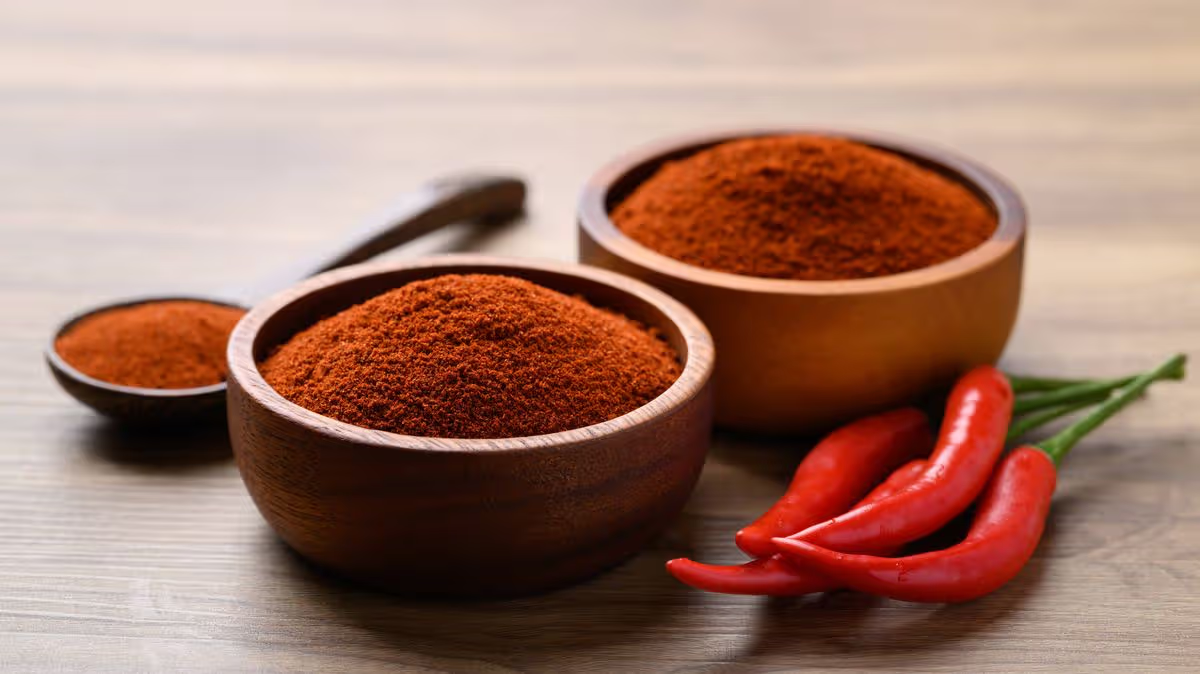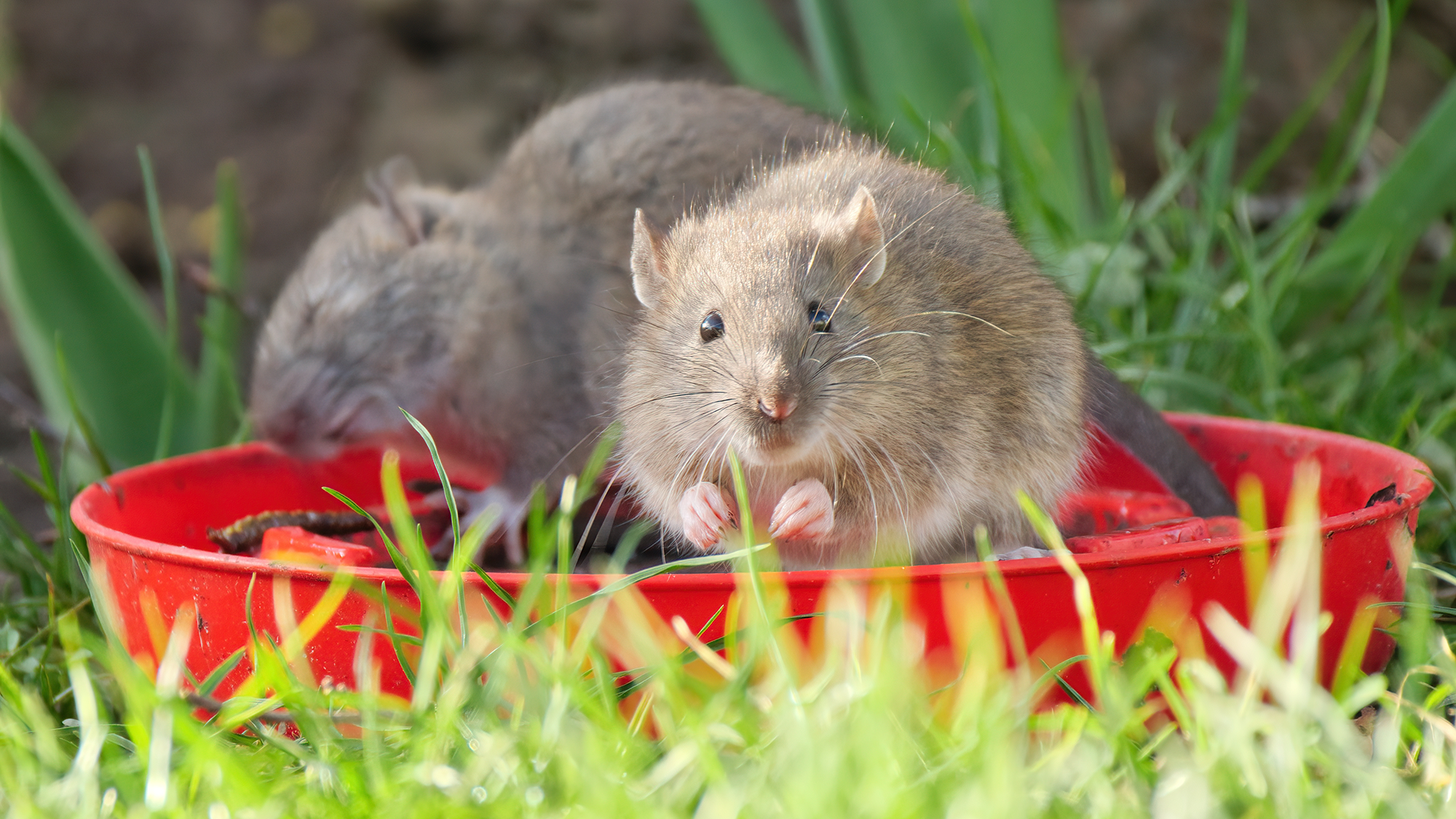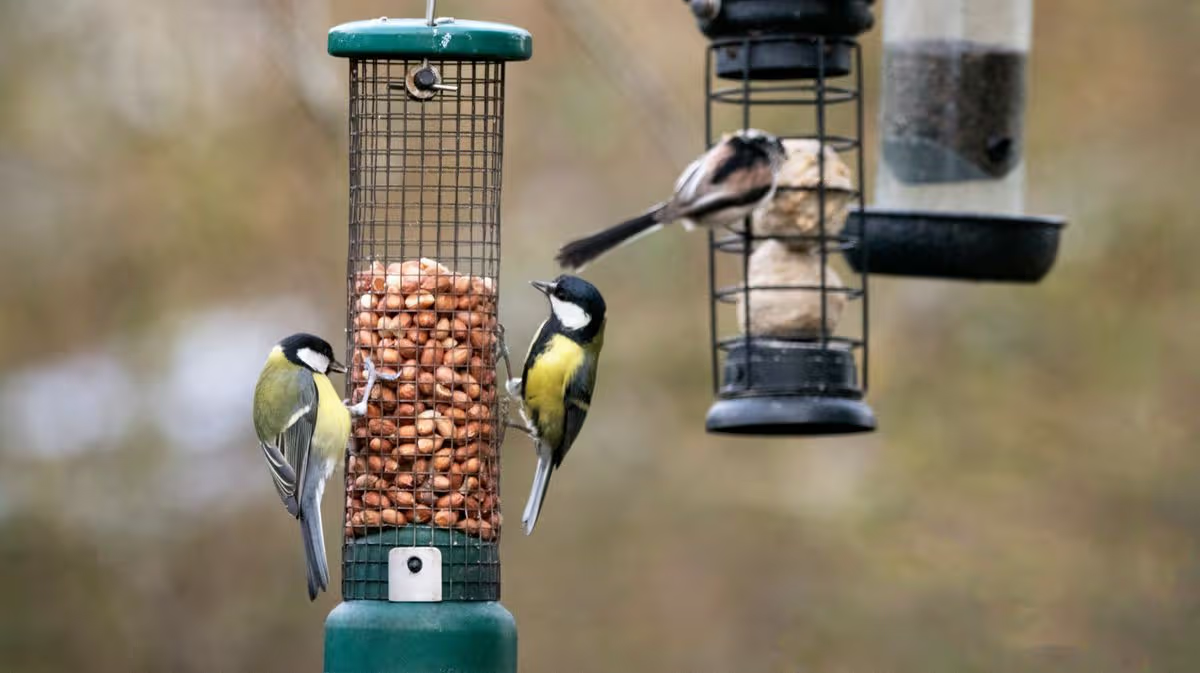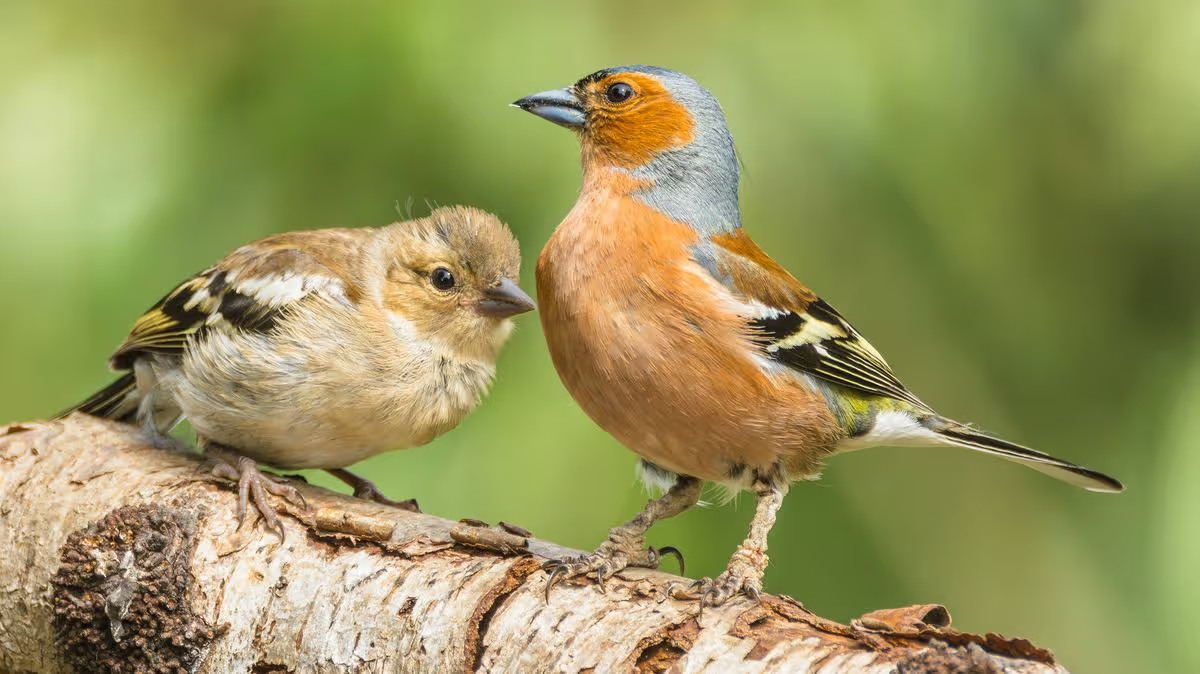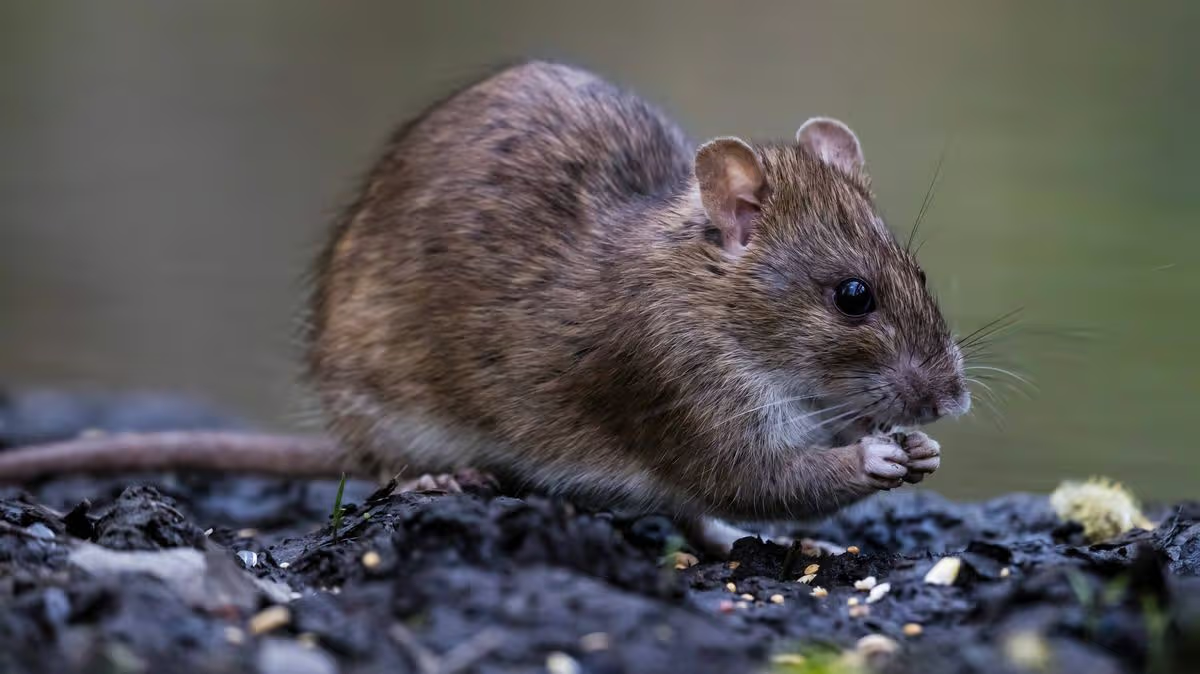
If you're worried about rats visiting your bird feeder, a gardening guru suggests placing a common spice in your garden. Take action in June to ensure birds still pay you a visitKatie-Ann Gupwell13:46, 09 Jun 2026Updated 13:51, 09 Jun 2026Many people enjoy feeding birds, as putting food out in the garden is a wonderful method to attract these beautiful creatures. But, if you've been worried about drawing in rats at the same time, you may no longer need to stress, as there's something that could help keep them at bay.If you're hoping to welcome birds into your garden this June without any unwanted guests tagging along, it turns out a single, simple spice is all you need. Adding it to your bird feeder is said to make a real difference, keeping birds coming back while deterring pesky rodents — making it a top tip worth knowing.It's not the only piece of advice of its kind to do the rounds recently, either. A while back, gardeners were also pointed towards another method for keeping rats out of their outdoor spaces.Gardening guru Dave, better known online as Dave the Plantman, has revealed that a common household spice can ward off these unwanted pests. In a clip previously posted on Instagram, he demonstrated that just one ingredient is all it takes.In the video, Dave is seen chatting with a man called Bob, who sells chilli powder, and together they suggest that mixing chilli powder with bird seed is a highly effective way to discourage rats. It seems the pests simply can't stand the smell of it.Holding up an example of a feeder, Bob said: "Something like that, we'd put a level teaspoon in, and it will deter rats, mice, squirrels. I've even got a customer in Cumbria who puts it on her roses to keep the deer off."Content cannot be displayed without consentHe added: "I've also been told by other customers, if you put it around your bulbs when you're planting them, it will deter them from digging them up."Dave considered it a "top tip" for keeping pests at bay, and it's remarkably straightforward to use. If you're a bird enthusiast, there's absolutely no need for concern either.Chilli, when used in modest amounts, causes no harm to birds. Adding a touch of chilli powder to bird food is a widely used method to deter squirrels and rats, as they can detect the spice and will steer clear of the feed.The crucial factor is to use it sparingly to prevent potential irritation and to ensure the powder doesn't get into the birds' eyes. It's essential to use it in moderation to avoid causing any difficulties for the birds.All you need to do is lightly dust a small amount of chilli powder into the seed mix or suet before placing it in the feeder. You need to evenly coat the food to prevent clumping.How to use itIf your aim is to keep rats or mice away from your home, as well as your bird feeders, you can scatter chilli powder, or chilli flakes, around entry points and potential nesting areas. They find it off-putting, as the capsaicin aggravates their sense of smell, so it should keep them at a distance.You could also spray a solution of chilli oil or powder mixed with water, reapplying it after rainfall. During periods of wet weather, more frequent applications may be necessary.Although chilli is harmless to birds, it can cause irritation to household pets such as cats and dogs, so care must be taken to limit their exposure to it. Despite this, it's widely regarded as a humane way to discourage rats, as it causes them no lasting harm.Article continues belowThat said, rain can quickly wash away any powder or spray that has been applied, meaning frequent reapplication is essential to maintain its effectiveness.Deterring rats is relatively straightforward in most cases; however, if you have reason to believe you're dealing with a full-blown infestation, it's always advisable to consult a professional for expert guidance.
Stop rats being attracted to bird food by placing common spice in garden in June
If you're worried about rats visiting your bird feeder, a gardening guru suggests placing a common spice in your garden. Take action in June to ensure birds still pay you a visit
665 words~3 min read