(Image credit: Shutterstock)
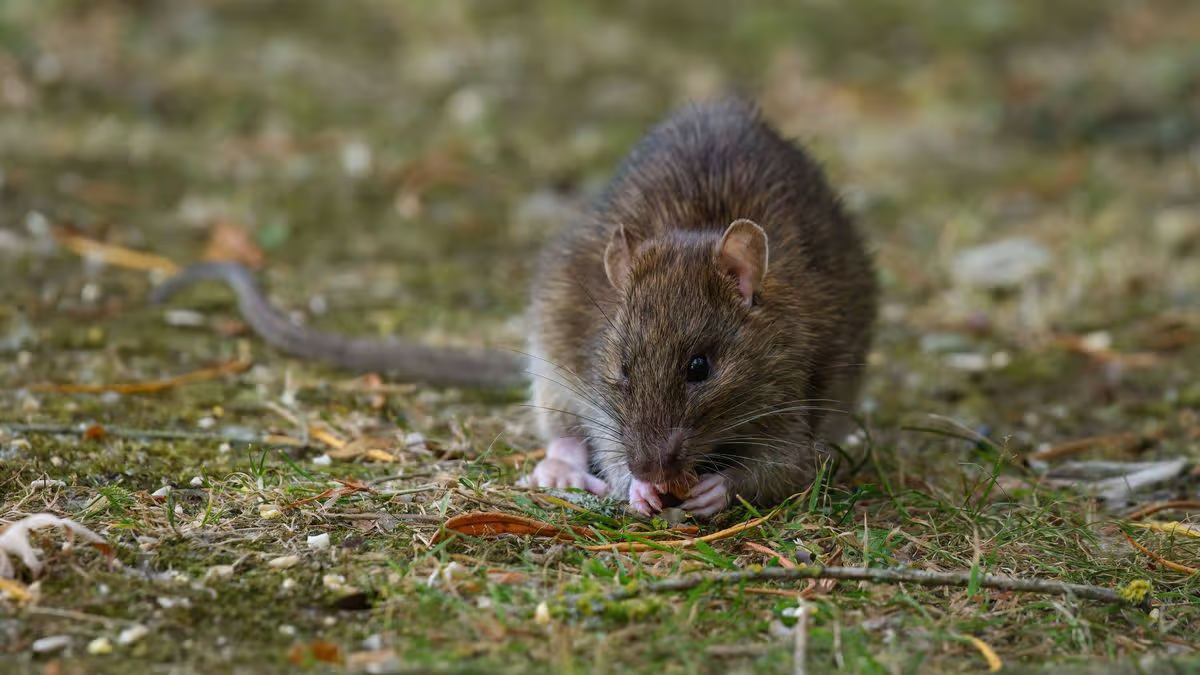
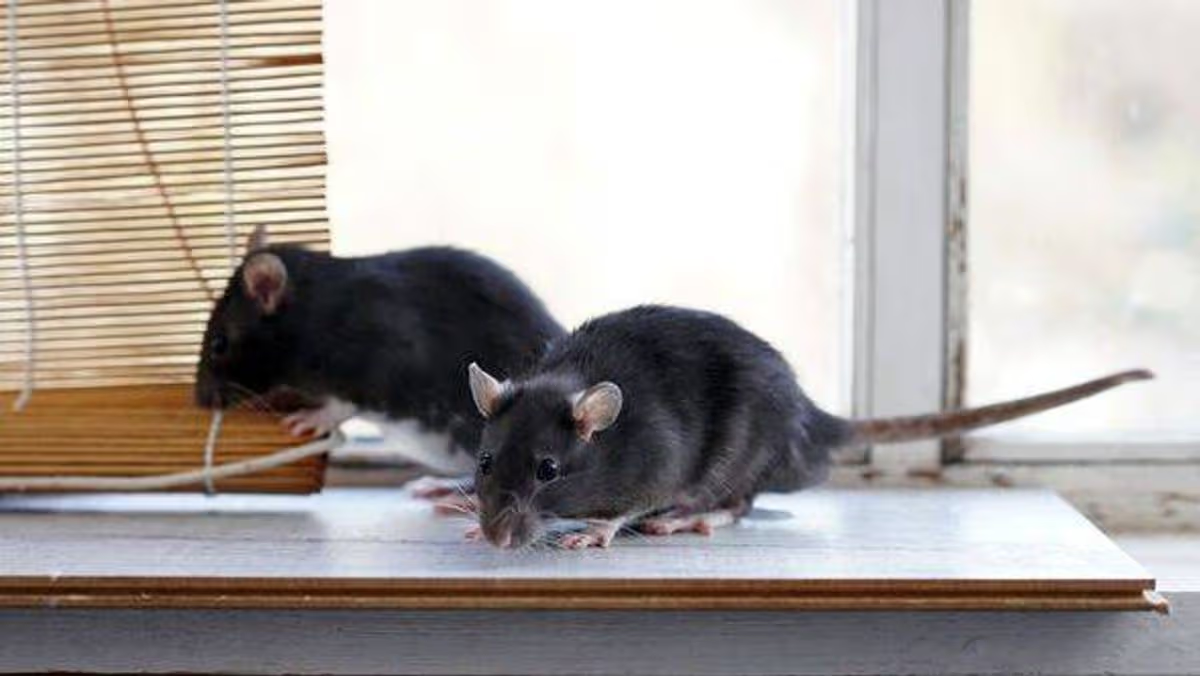
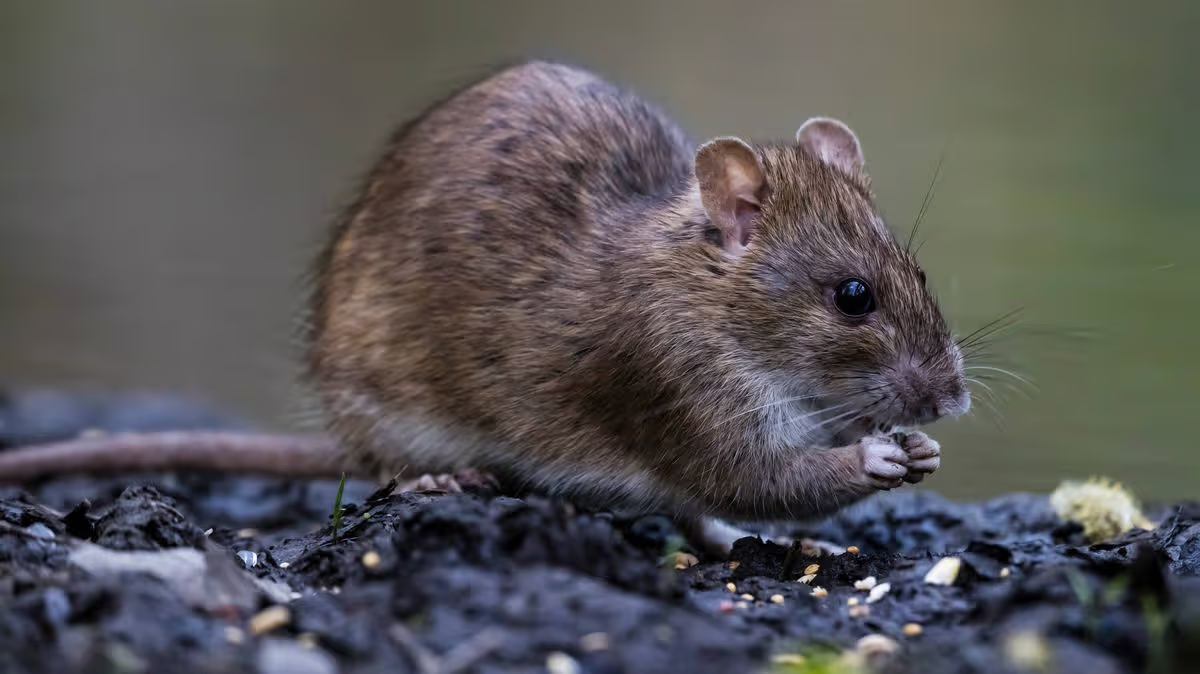
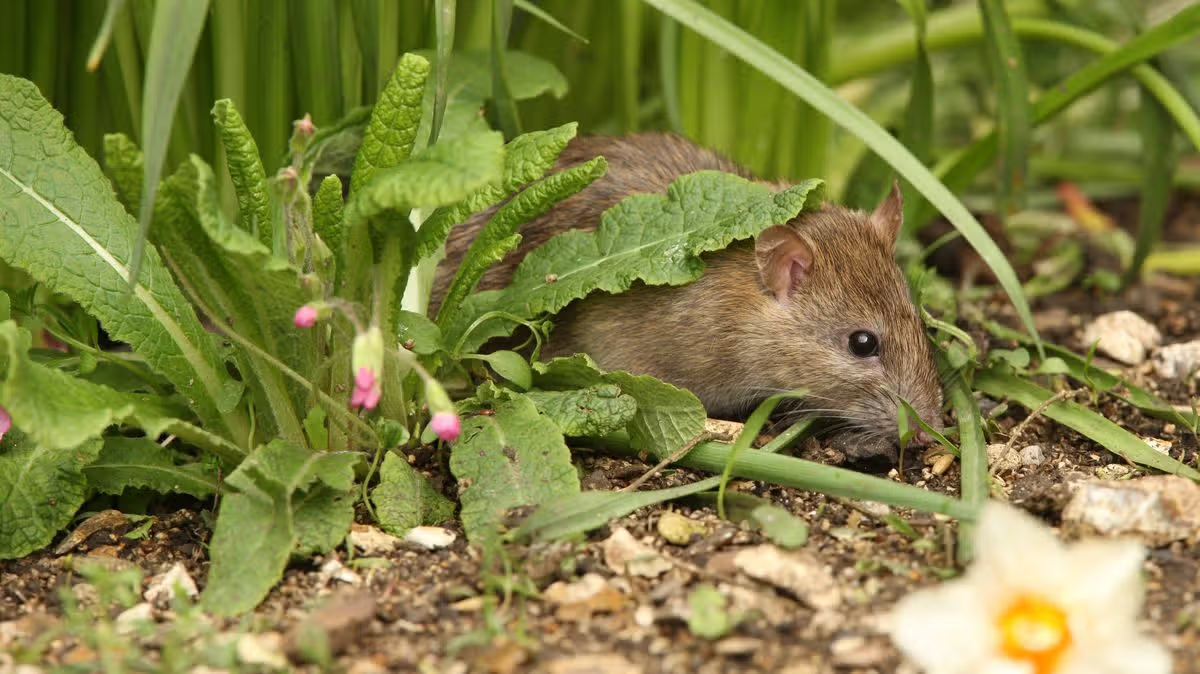
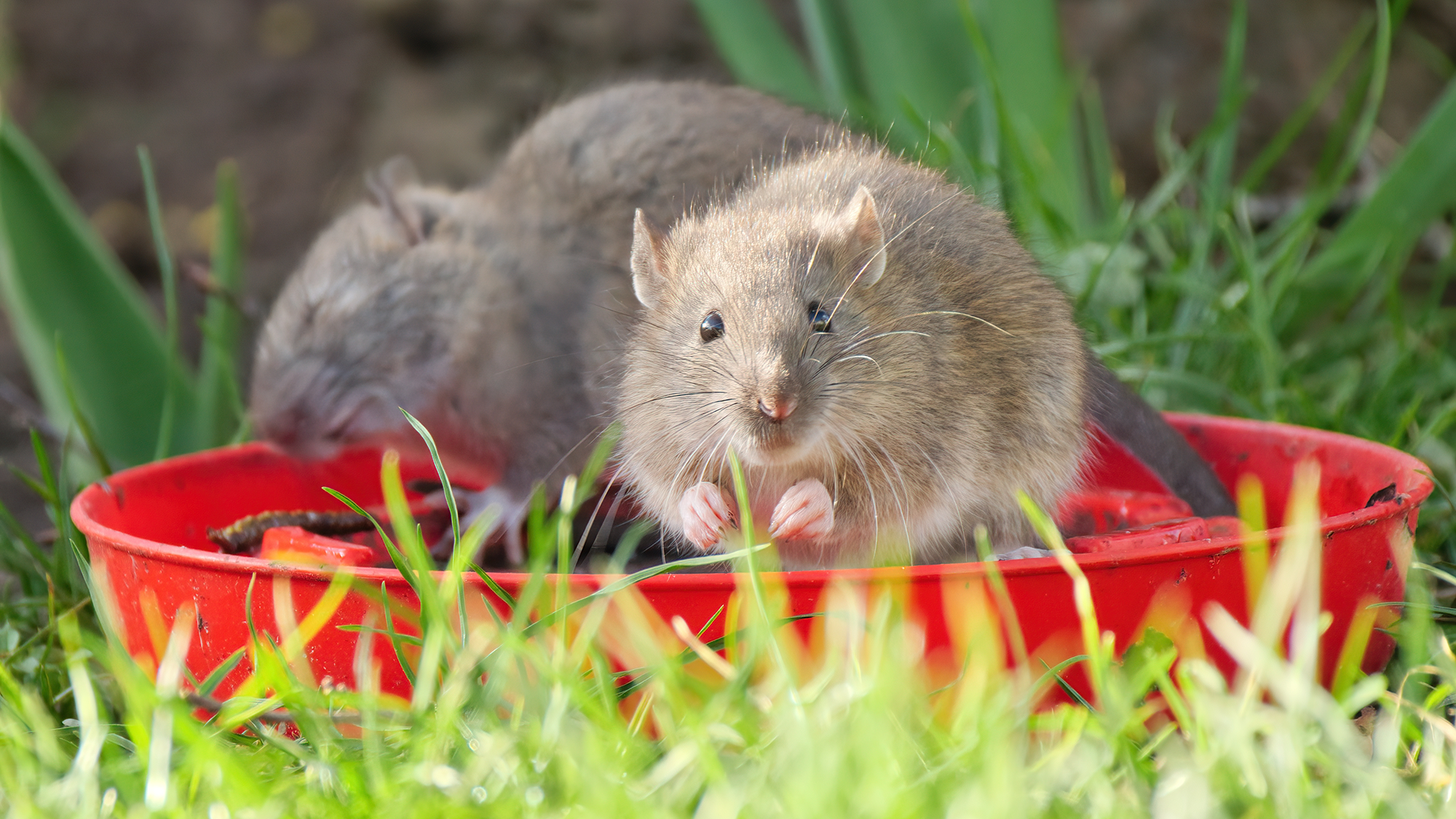
Summer is here, and it’s the ideal time to step outdoors and do those vital gardening tasks. Whether you're growing tomato plants, juicy strawberries, or various other homegrown delights, your hard efforts can be completely undone by one common problem — unwanted pests.In particular, squirrels and rats are the main culprits, and their highly sensitive noses allow rodents to track down food from afar, luring them straight to your yard.What’s more, you’ll need to watch what type of foods you fill your bird feeders with since these pests favor wheat and loose grains as a staple diet.Which is why experts are urging households to use this common cooking ingredient in the yard to ward off rats and squirrels.Sprinkle cayenne pepper in yard
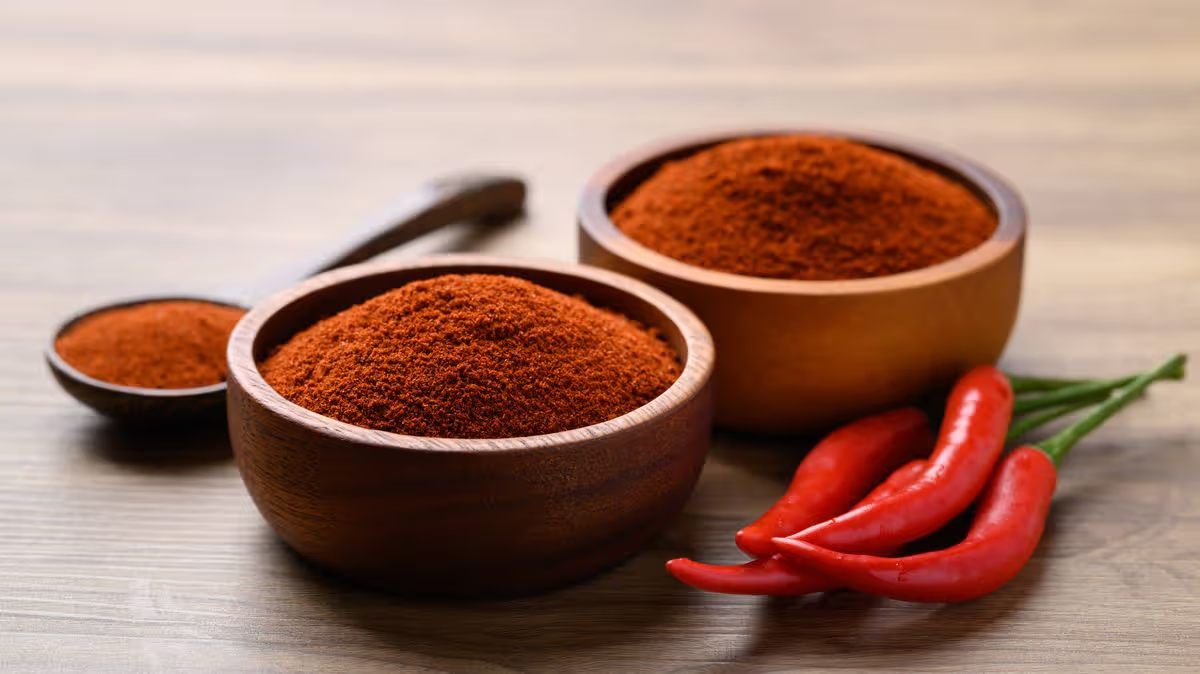
Cayenne pepper spice in white bowl next to garlic and peppers (Image credit: Shutterstock)Typically a spice used to give our recipes a kick, the pungent aroma and irritating qualities of cayenne pepper is also a powerful deterrent to keep rodents from visiting your yard again. This is because cayenne seasoning and hot peppers contain a compound called capsaicin — the specific chemical that provides their fiery and pungent taste.Experts advise simply sprinkling cayenne pepper around the yard, plants, pathways, bird feeders, and even in compost bins. Luckily, it will not harm or repel birds or chickens. Similar to using chilli powder in the yard, this potent smell of cayenne pepper will be overwhelming to rodents — keeping them at bay.“Rats dislike this due to its strong and spicy scent and taste, which can deter them from entering the space in which this pepper is present,” adds Miroslav Radov, expert at Rainbow Rubbish removalsGet instant access to breaking news, the hottest reviews, great deals and helpful tips.“However, there is always the present risk that rats may learn to tolerate this smell if there is an active food source available nearby. Therefore, always combine this with other methods”.It is worth noting that this particular hack is most effective during periods of dry weather. Since rainfall will simply wash the spice away, you will need to reapply it to the affected areas.