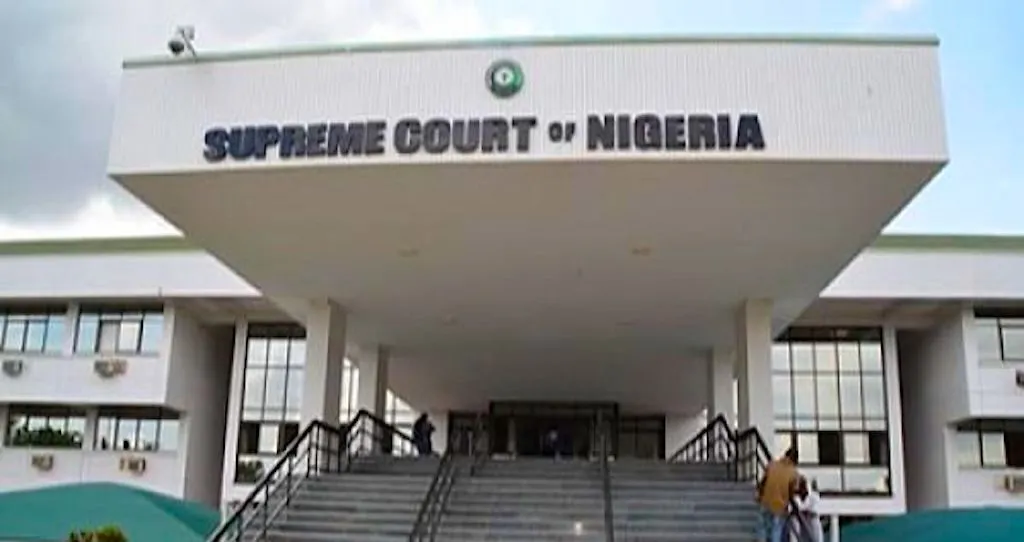
This article by Sylvester Udemezue examines the historical challenges that plagued Local Government administration, the significance of the 2024 landmark Supreme Court decision which not only freed Local Governments from the apron strings of the State Governments by granting them financial independence, but opened the way for emerging opportunities for revitalised grassroots democracy, and the important conditions necessary for these reforms to translate into tangible development and stronger communities across Nigeria
Background
For many years, conversations about governance in Nigeria often revolved around the Federal Government and the States, while the Local Government system, the tier of Government closest to the people, appeared increasingly weakened, marginalised and unable to fully perform its constitutional responsibilities. Across the country, many citizens came to view Local Government Councils as little more than administrative extensions of State Governments. Local Government elections frequently attracted limited public interest. Chairmen and Councillors often operated, under severe financial and political constraints. In many instances, local governance lost its attractiveness, vibrancy and capacity to serve as the foundation of democratic participation.