Financial independence for the local councils is still a mirage
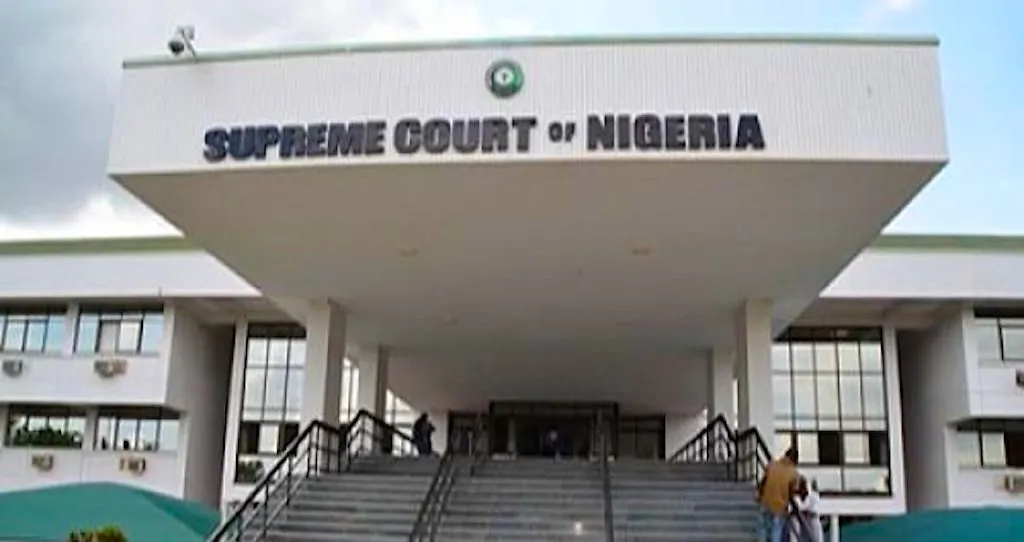
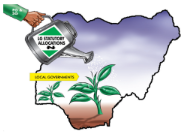
In a landmark judgment on 11 July 2024, the Supreme Court ruled that statutory funds for the 774 local government areas in Nigeria should be paid directly to democratically elected councils, while abolishing the state-local government joint account system. But two years after, financial independence for the third tier of government is still a mirage as the judgment has remained largely unenforced. A handful of states claimed they have taken their hands off the council funds. Most are still predominantly in charge of the management of the funds as the Federation Account Allocation Committee (FAAC) allocations are processed through the old distribution structure. For instance, the N1.46trn allocated to the local government councils for the first quarter of 2026 were received by the state governments.
President Bola Tinubu authorised the suit to seek a less complex way to free council funds from the stranglehold of the governors. And in its judgment, the apex court nullified Section 162 (6) of the constitution which establishes the joint account into which monies due to the councils from the Federation Account are paid for onward disbursement to them by the states. But the abuse of local governments by state governments has persisted. Ironically, there is also no evidence that any of the 774 local government areas had opened accounts with the Central Bank of Nigeria (CBN) to enable the direct disbursement of statutory allocations.