Freight rail is often described as the most energy-efficient way to move goods over land, yet it still runs on one of the dirtiest inputs in modern infrastructure: diesel. As rail operators face mounting pressure from volatile fuel costs, tightening emissions rules, and aging locomotive fleets, the question is no longer whether rail should decarbonize, but how.
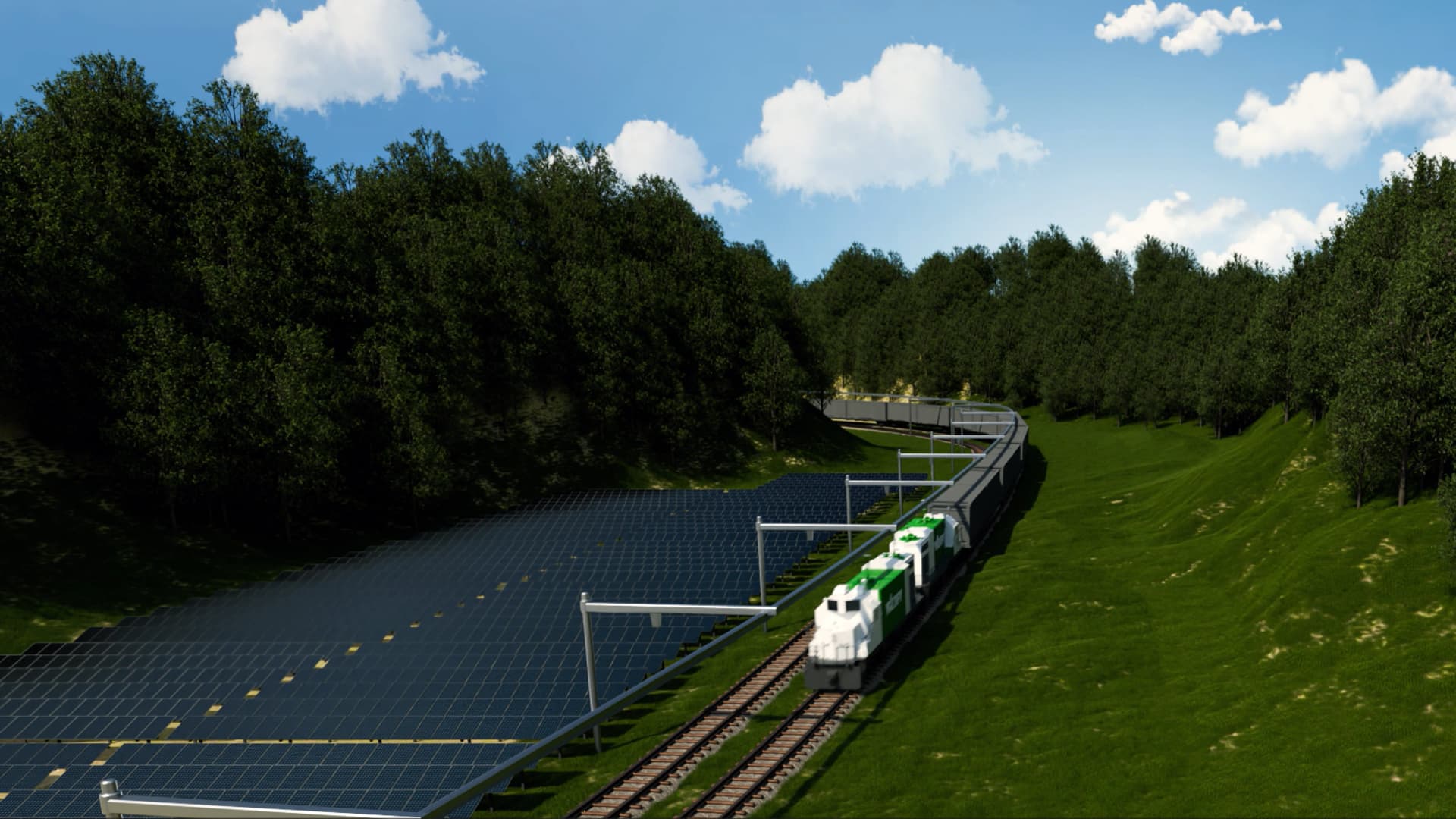
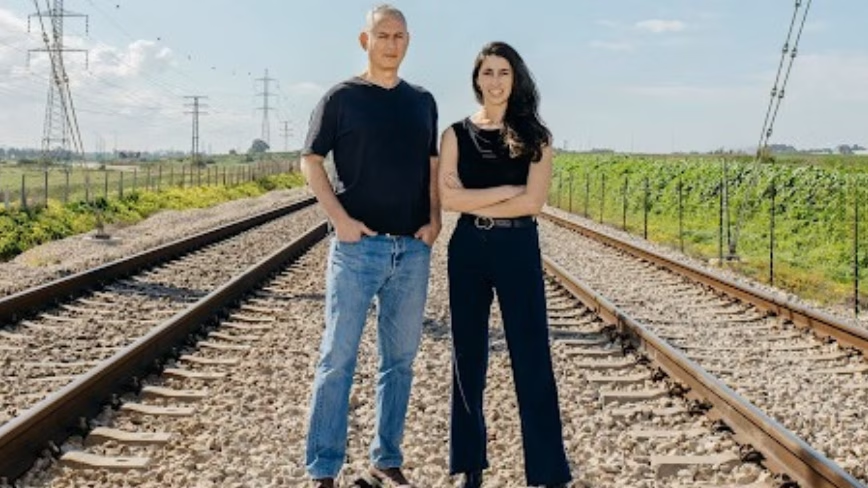
One company argues the industry has been approaching the problem from the wrong direction. Voltify, co-founded by Daphna Langer, is pursuing a model that aims to leapfrog conventional electrification strategies, seeking to electrify freight rail without rebuilding the entire network or sacrificing operational range.
The Electrification Trap
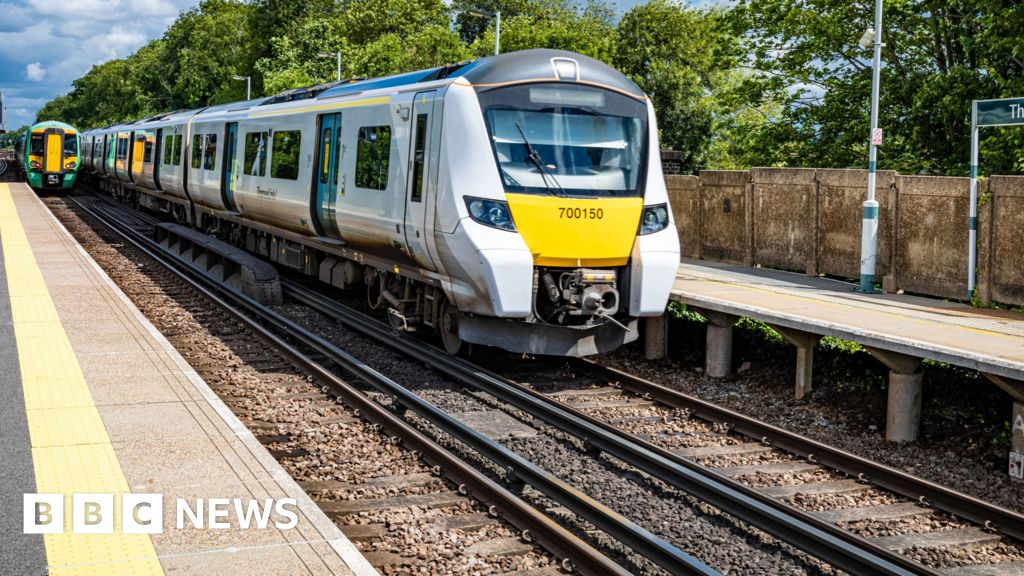
On paper, the logic of electrifying rail is straightforward. Replace diesel locomotives with electric ones and connect them to clean power. In practice, freight rail in the United States spans roughly 140,000 miles of privately owned track, making full overhead electrification via catenary wire prohibitively expensive. This approach works for dense passenger corridors but collapses under the scale and fragmentation of freight networks.
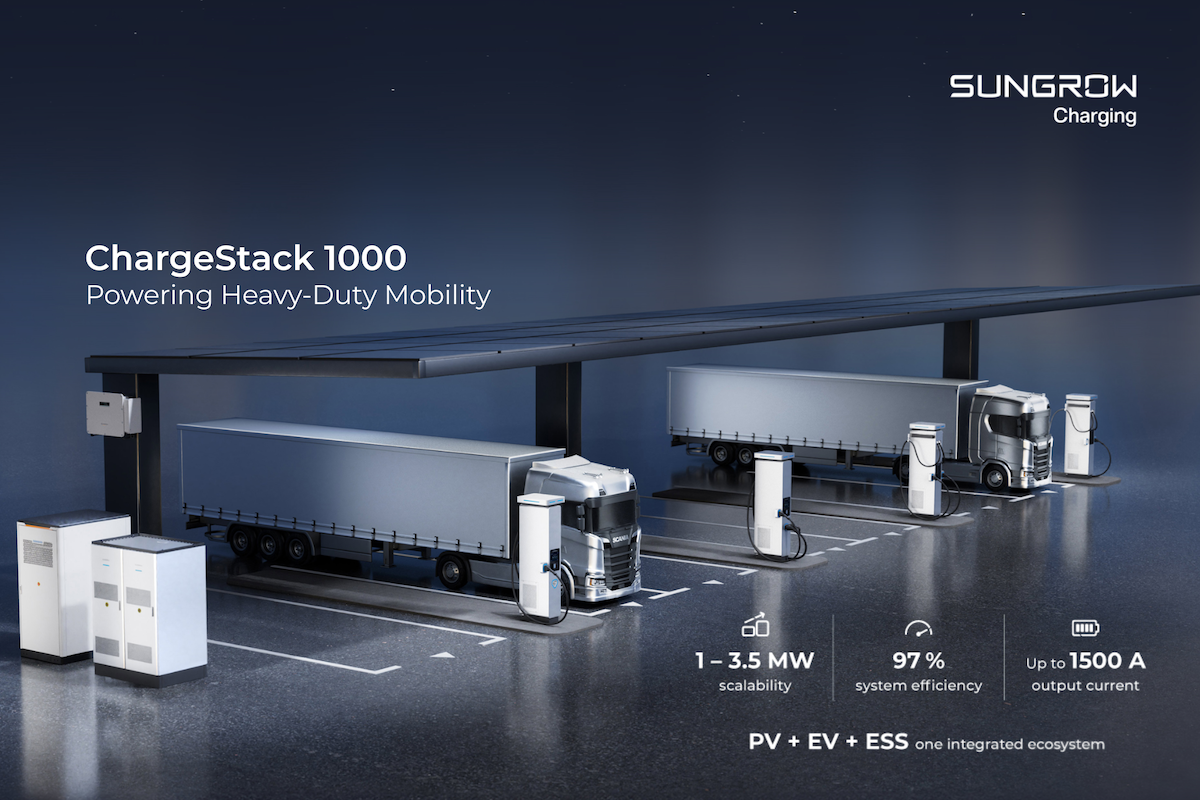
The alternative use of battery-electric locomotives appears simpler but introduces a different constraint: energy density. Batteries store less energy per kilogram by over ten times than diesel fuel, which means a fully battery-dependent locomotive quickly runs into range limitations unless it is frequently recharged. That leads to an operational bottleneck: either stop often or carry too much battery weight to remain economically viable.