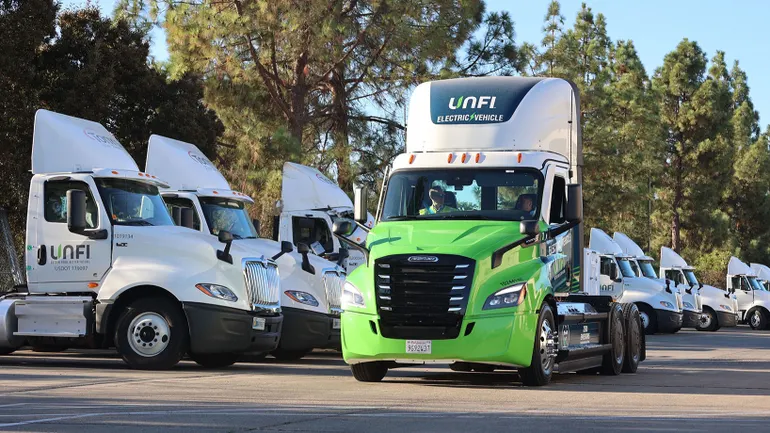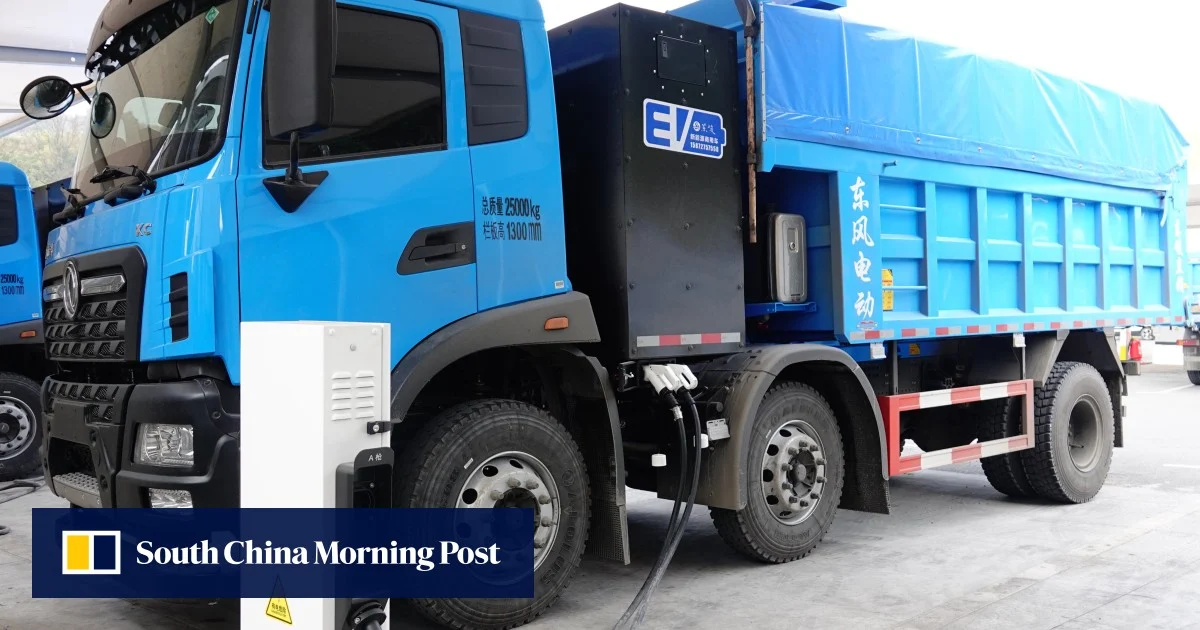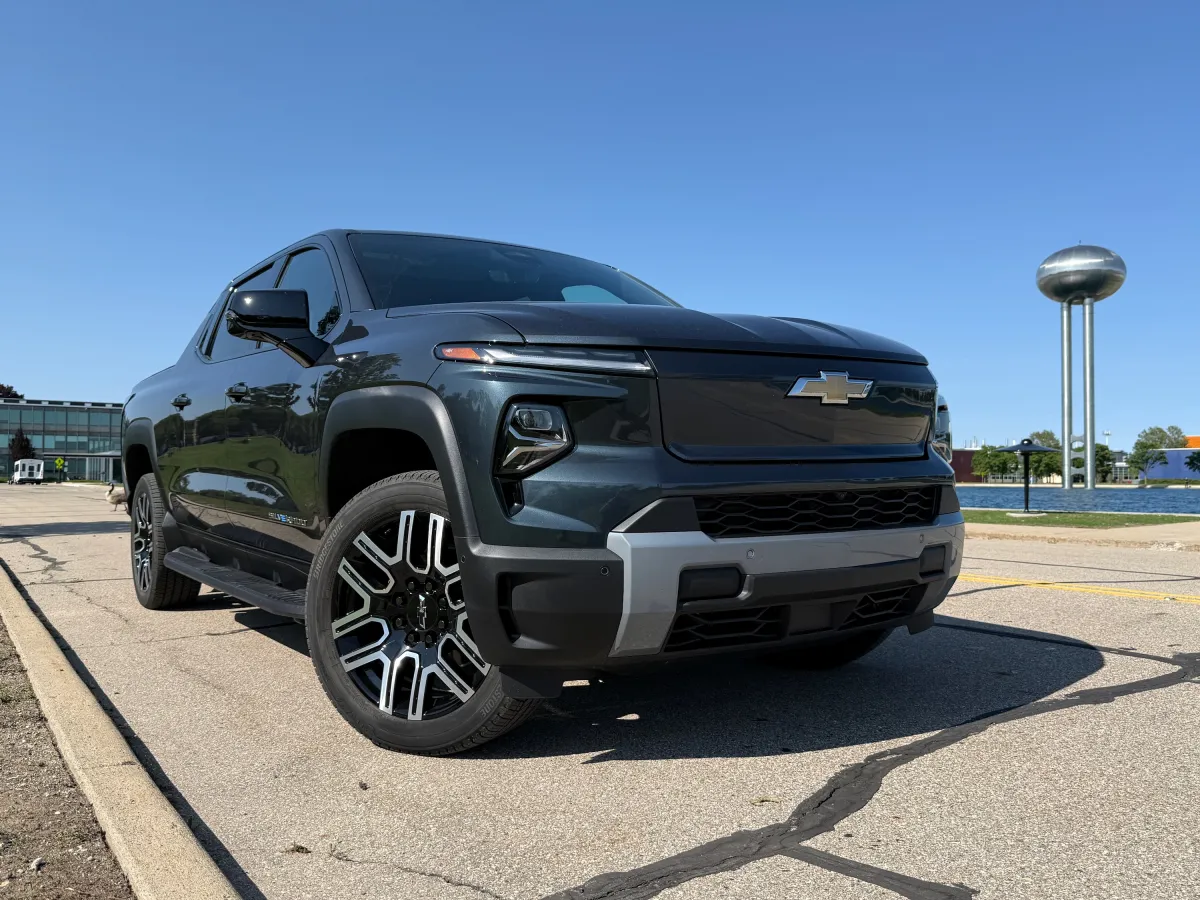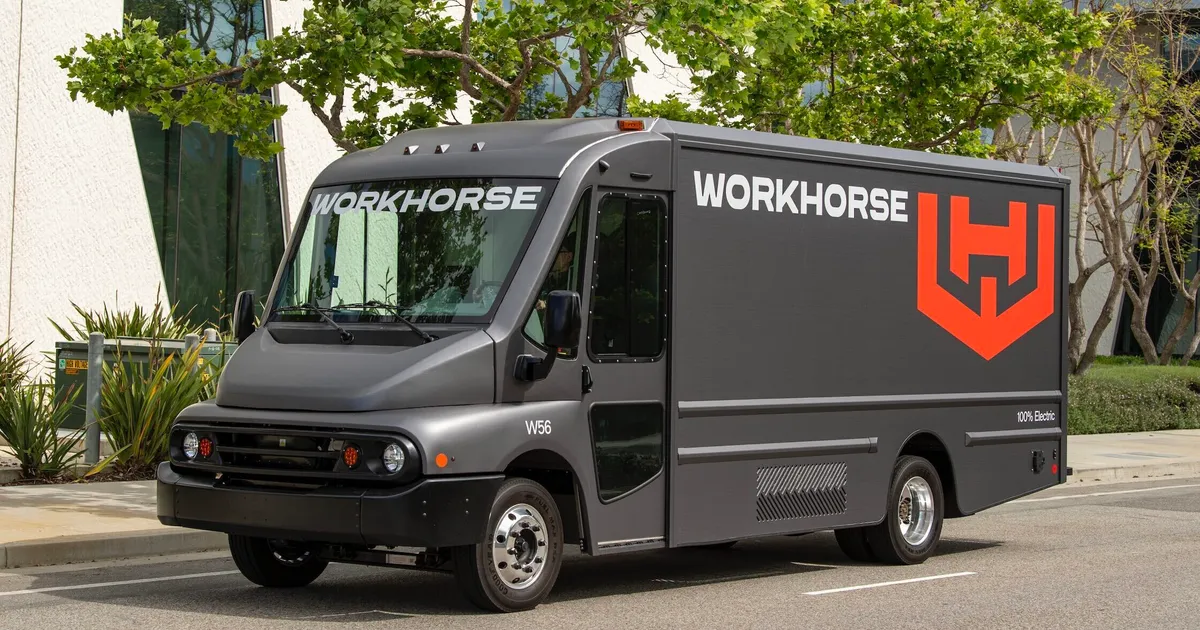
“The smaller and more automotive you are, the greater the scale of production, the lower the cost,” Roeth said. “As you move to a cutaway, where you have to work with a different manufacturer to get that box on, the cost challenges go up.” That’s true for both EV and internal-combustion vehicles in this class, he said.
Still, manufacturers of battery-electric trucks stand a good chance of making headway across market segments while fuel prices are high, Cantor said.
He highlighted Harbinger Motors, a startup that manufactures medium-duty electric-vehicle chassis that can be customized for different classes of vehicles. The California-based startup has raised about $360 million in venture financing, including a $160 million round in November co-led by FedEx, which also ordered 53 of the company’s medium-duty truck chassis.
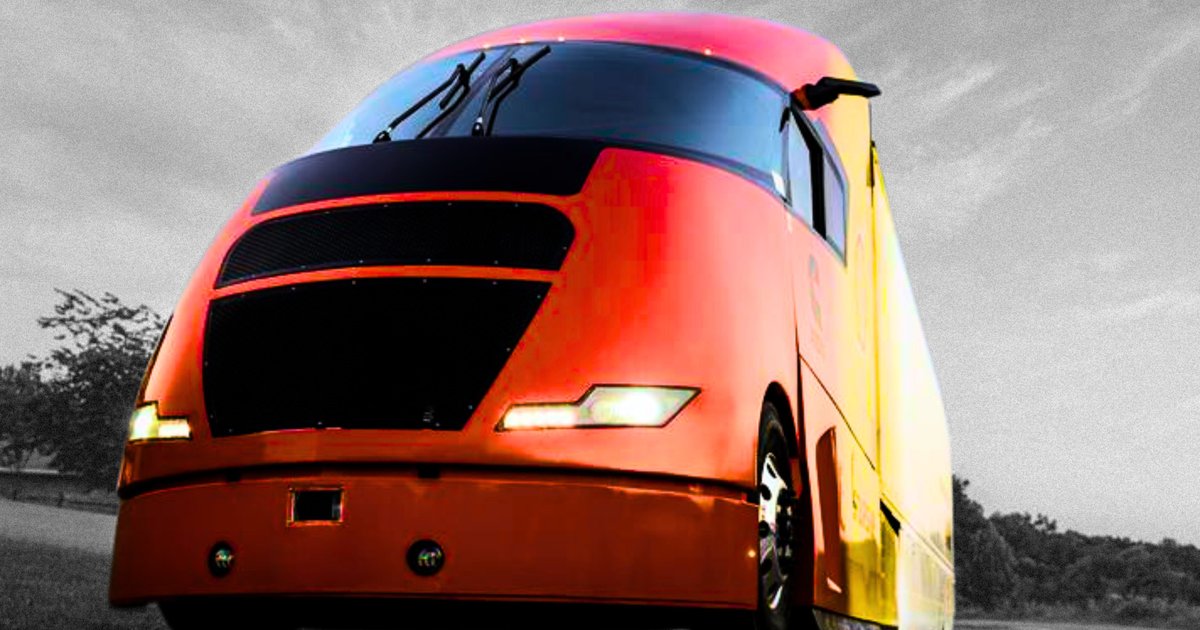
Workhorse has taken a more circuitous route, Roeth said. He worked at the company back when it was an affiliate of Navistar International making chassis for internal-combustion-engine trucks. In 2013, Workhorse was acquired by startup AMP Electric Vehicles and shifted to making battery-electric chassis.
Last year, it merged with long-time electric-chassis startup Motiv, in what Roeth described as “a perfect marriage.” Even so, it’s not easy to break into established medium-duty truck markets: Workhorse reported widening losses in its first earnings report as a combined company in the first quarter of this year, despite increasing revenues.