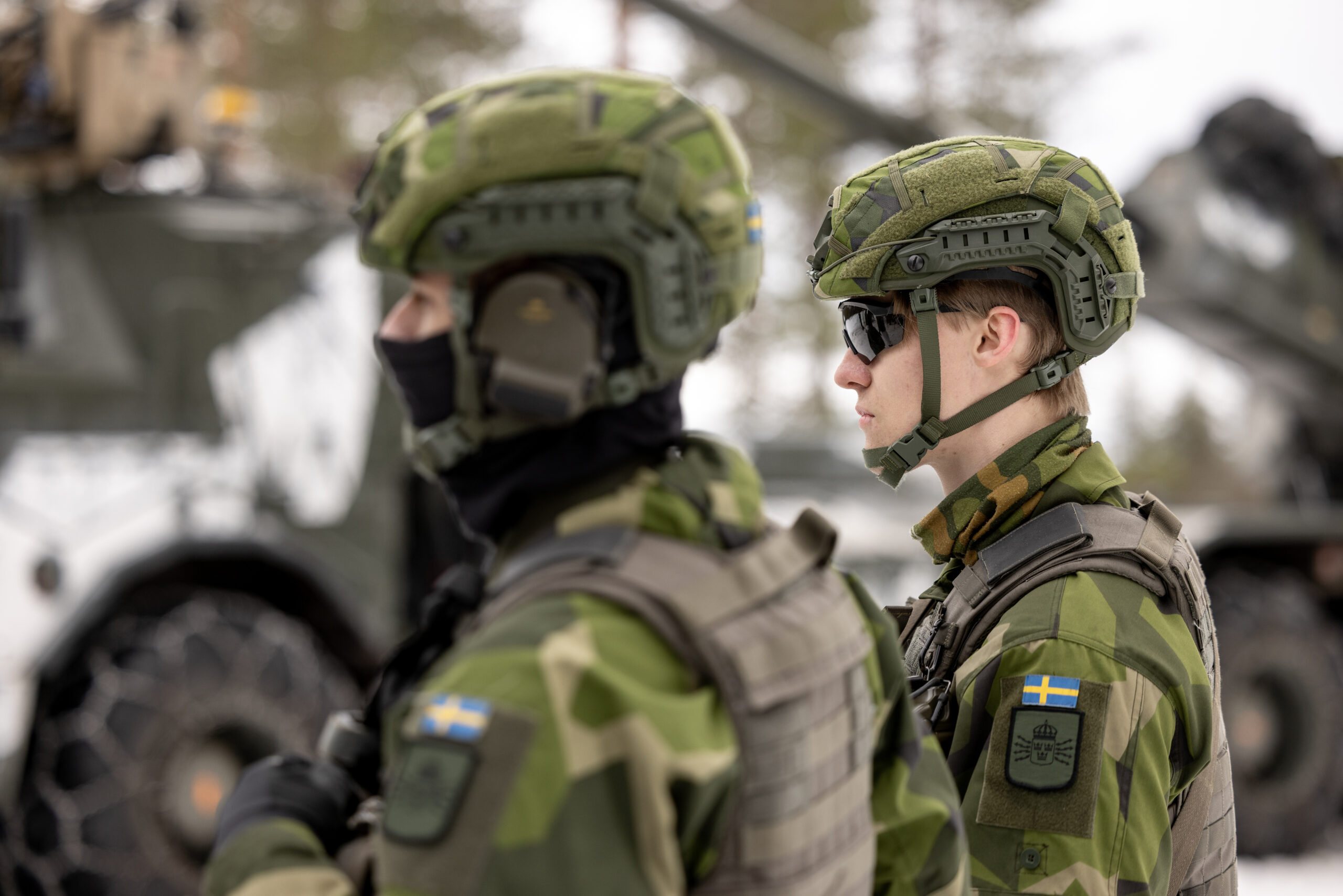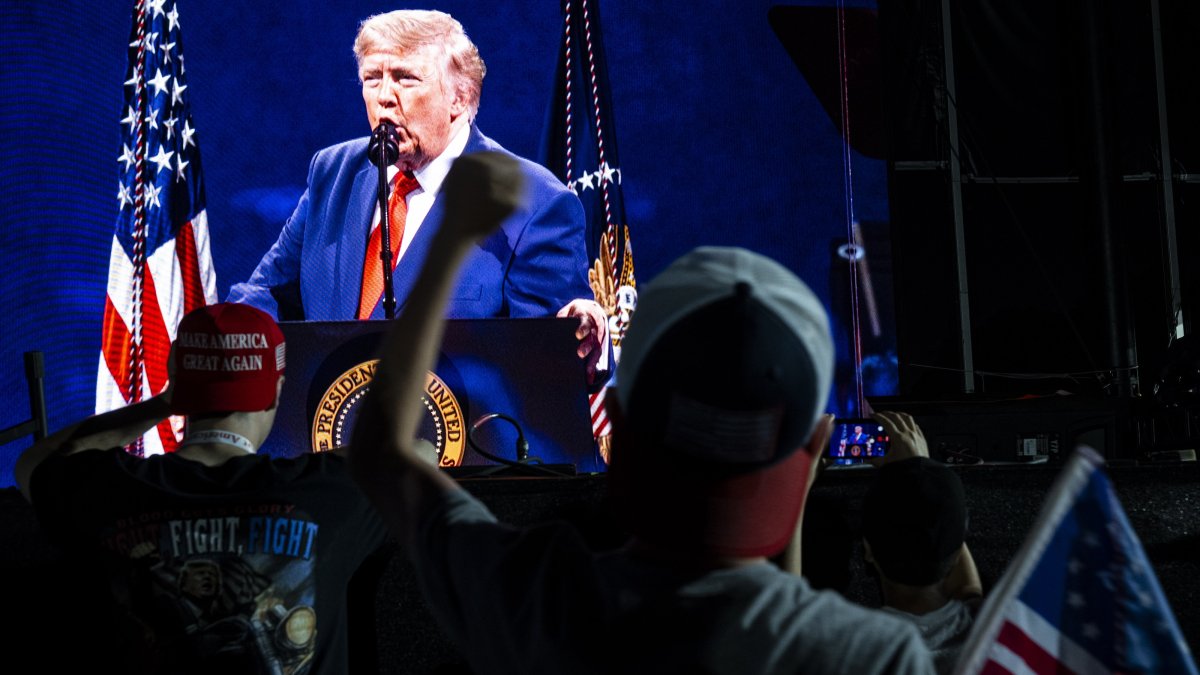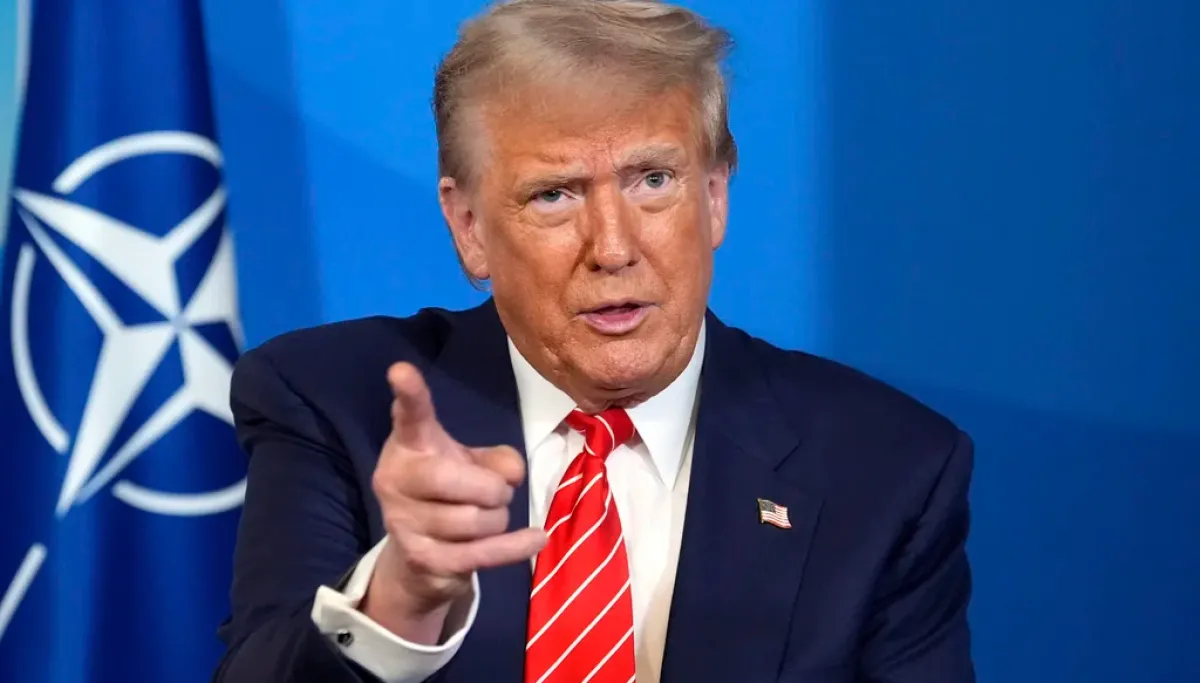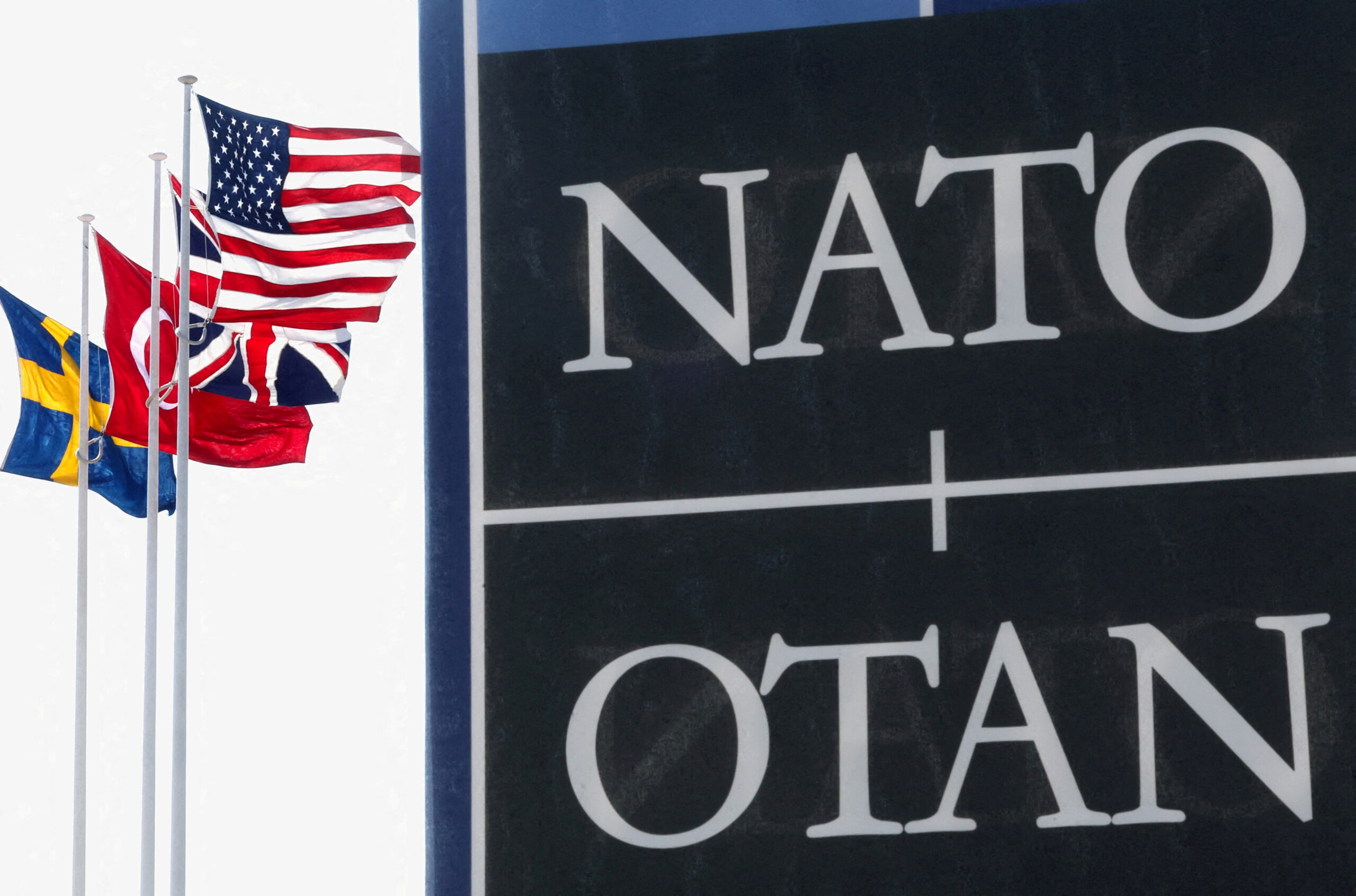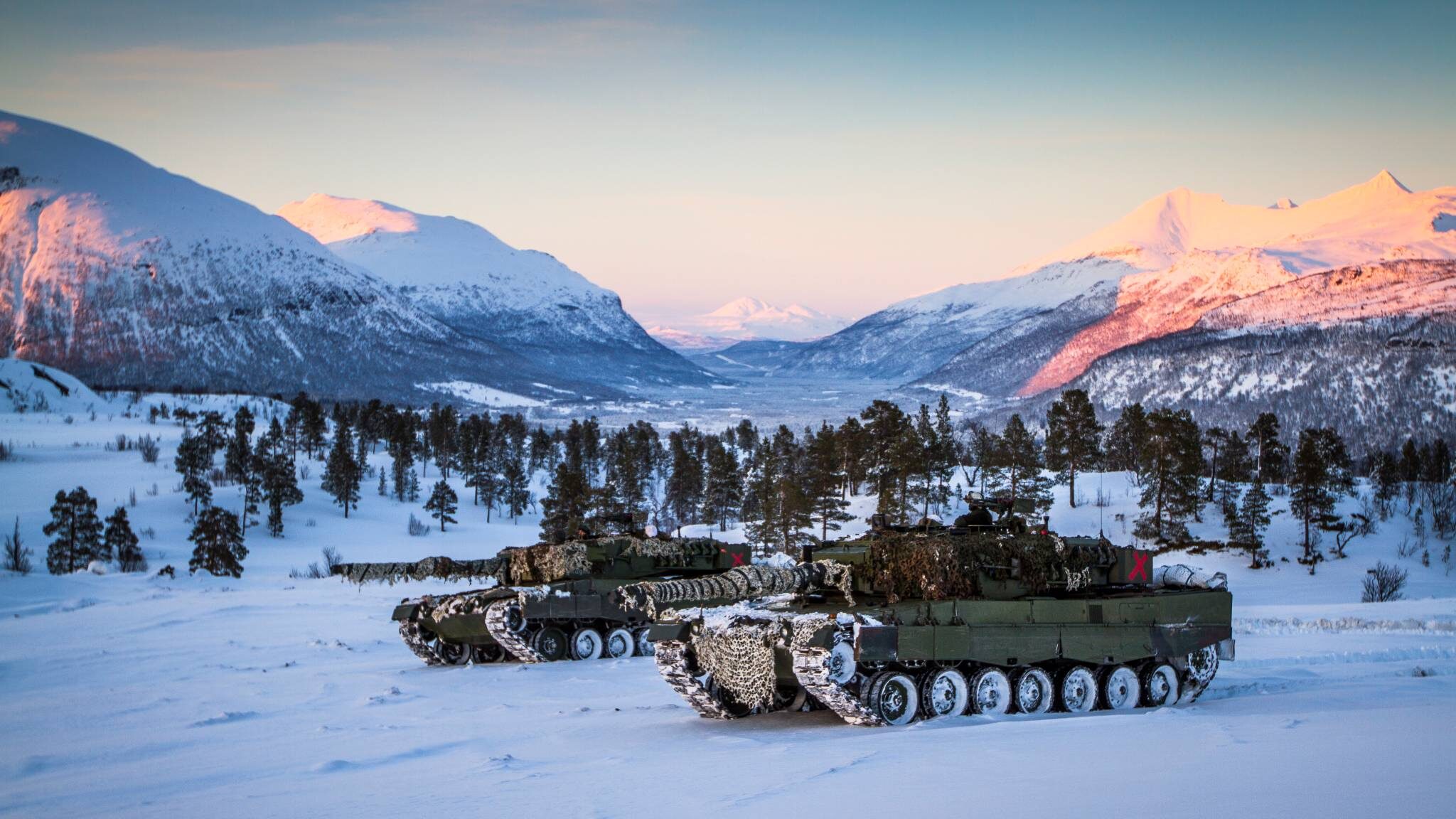
America’s allies in NATO are keen to demonstrate that they have not only heard President Donald Trump’s message on burden-shifting, but that they are working to operationalize it in practice. That is how I found myself spending a week in Norway with the Atlantic Council as part of their most recent study trip. I, along with colleagues from the Hill, federal government, and other think tanks travelled first to Oslo and onto Bergen, where Norwegian officials and private sector representatives briefed us on their country’s defense plans and preparations.
The government undoubtedly hoped that we, as participants, would walk away confident that Norway was taking its own national defense seriously and working to assume greater responsibility for military matters within NATO. And indeed, we did. Norway is a stalwart ally, having been a founding member of the alliance, and today sets a high bar for the contribution to the defense and deterrence mission.
However, in demonstrating Norway’s preparedness and shouldering of the burden, officials also unintentionally highlighted the sheer breadth and depth of challenges facing the other NATO member states in the months and years ahead — member states that enjoy, if any, of Norway’s comparative advantages.