ONE OCEAN:
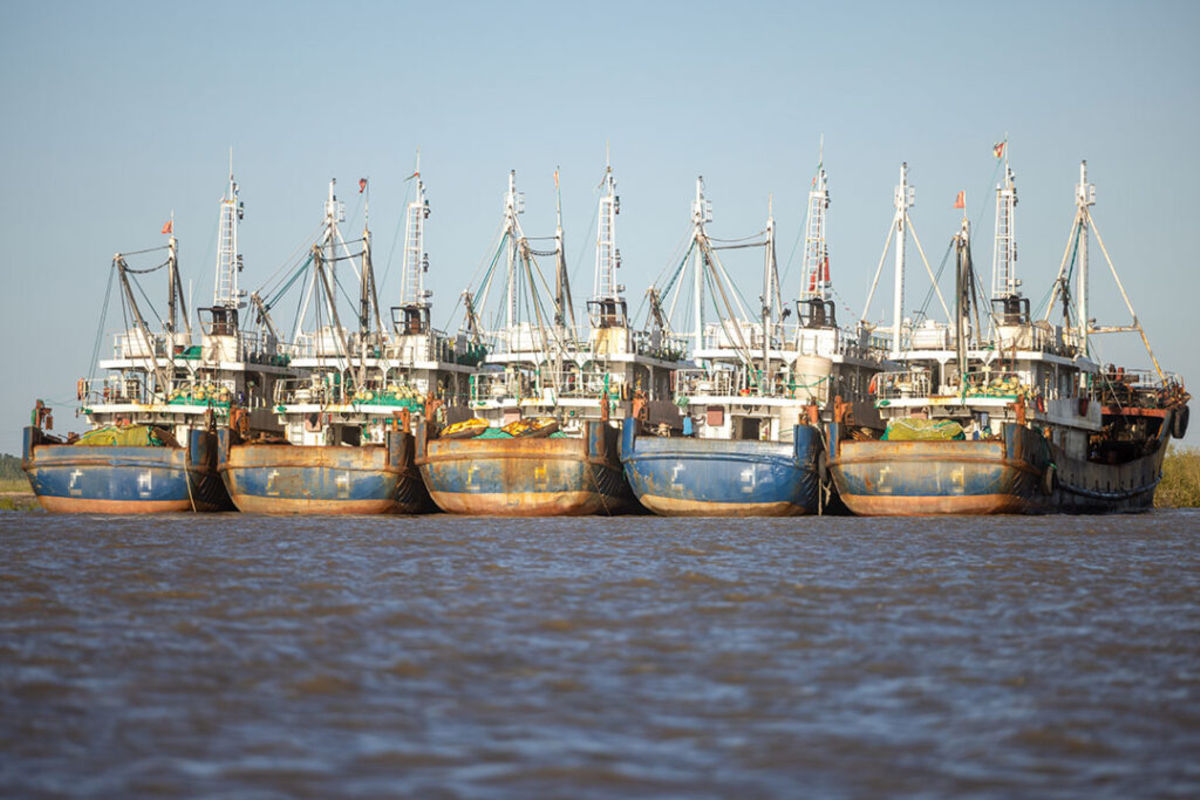
Illegal, unreported and unregulated fishing on their coasts has deprived fishing crews and communities of the catches that once sustained them
AP, MALINDI, Kenya
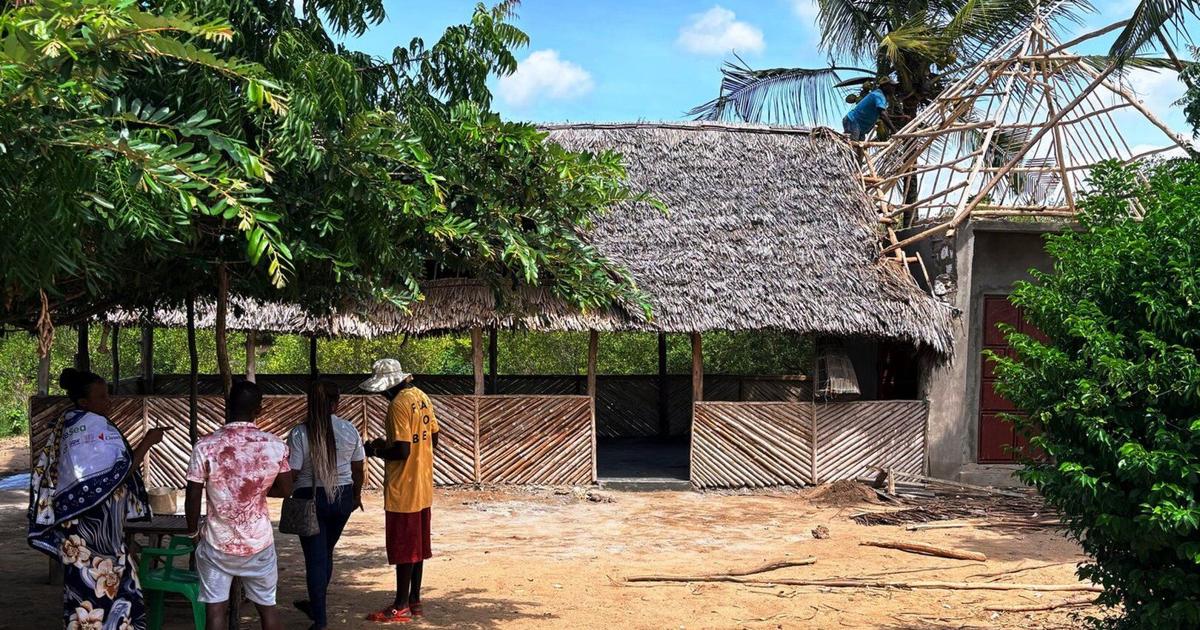
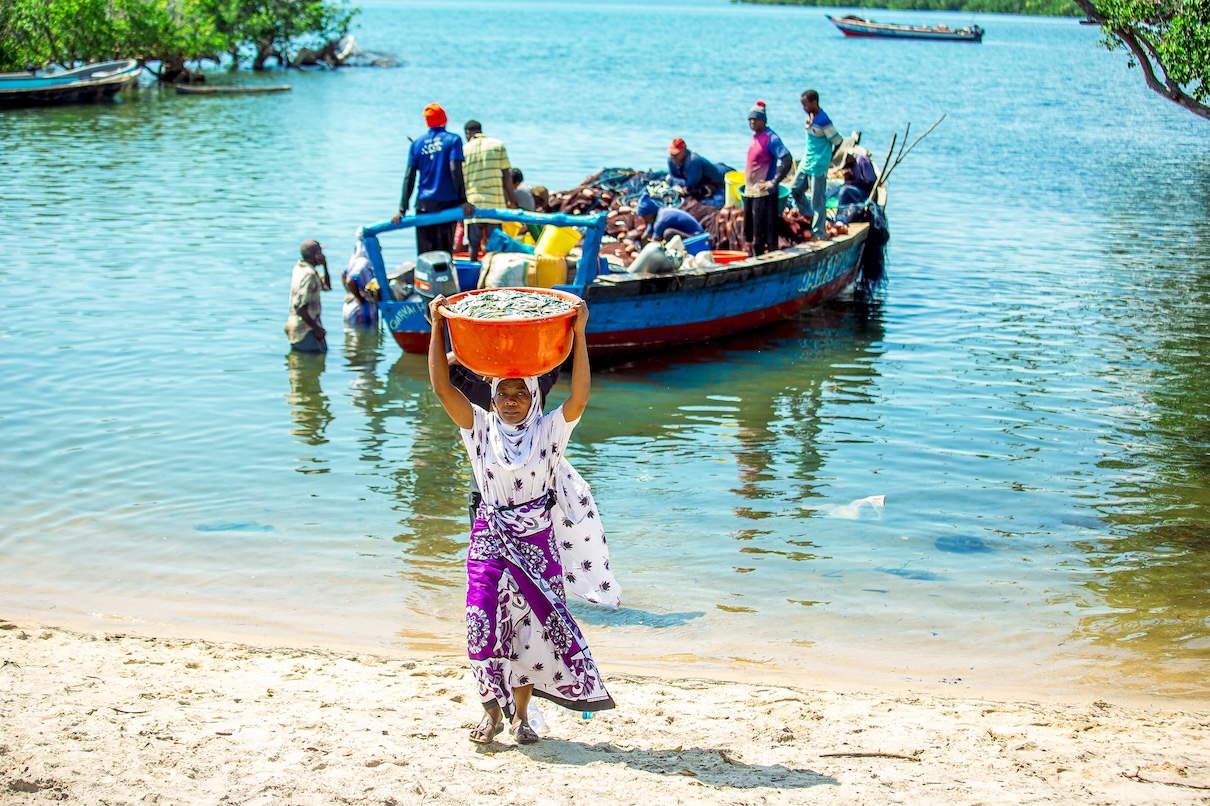
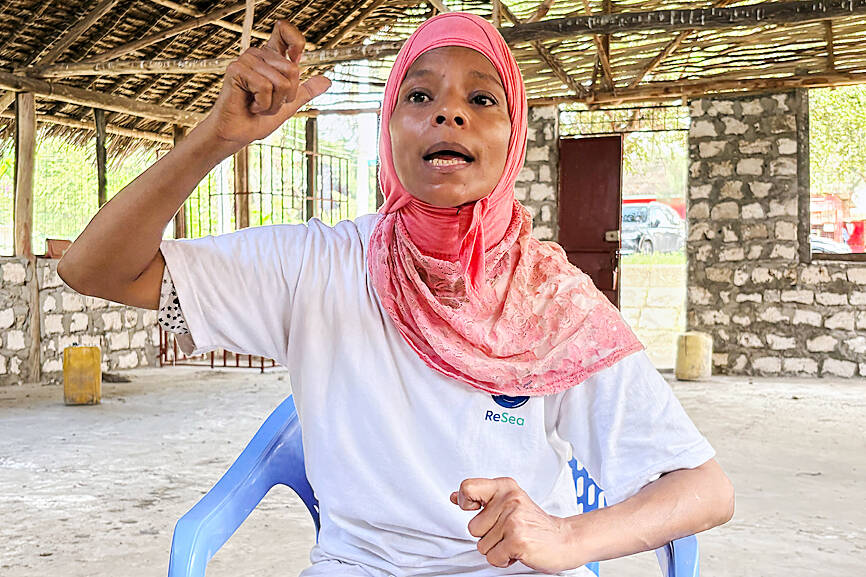
The unfinished restaurant is still little more than concrete walls and wooden beams. As her daughter sweeps away the last piles of sand, Nuru Mohammed directs women hanging fishing nets to serve as decor. In a few days, the beachside restaurant on Kenya’s Indian Ocean coast is opening, offering another way to earn a living.“For us women, this is hope,” says Mohammed, who, for most of her life, was one of the few fisherwomen in Malindi, a town up the coast from the major port of Mombasa. “It will help support many families that have depended on the ocean for decades.”Across East Africa, fisherfolk are increasingly turning to tourism, ecosystem restoration and other conservation-based businesses, reinventing their relationship with the sea as climate change, overfishing and declining ocean health threaten their livelihoods.
Nuru Mohammed, a fisherwoman, speaks inside an unfinished restaurant being built by a women’s group of fishmongers in Malindi, Kenya, on June 15.