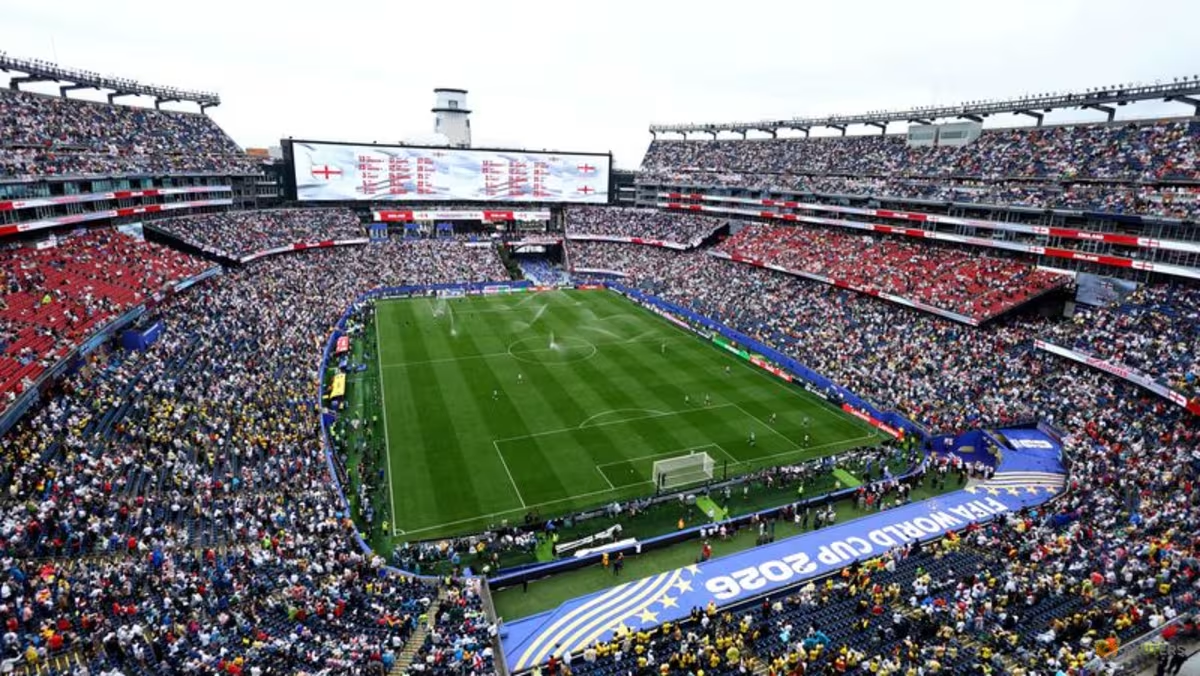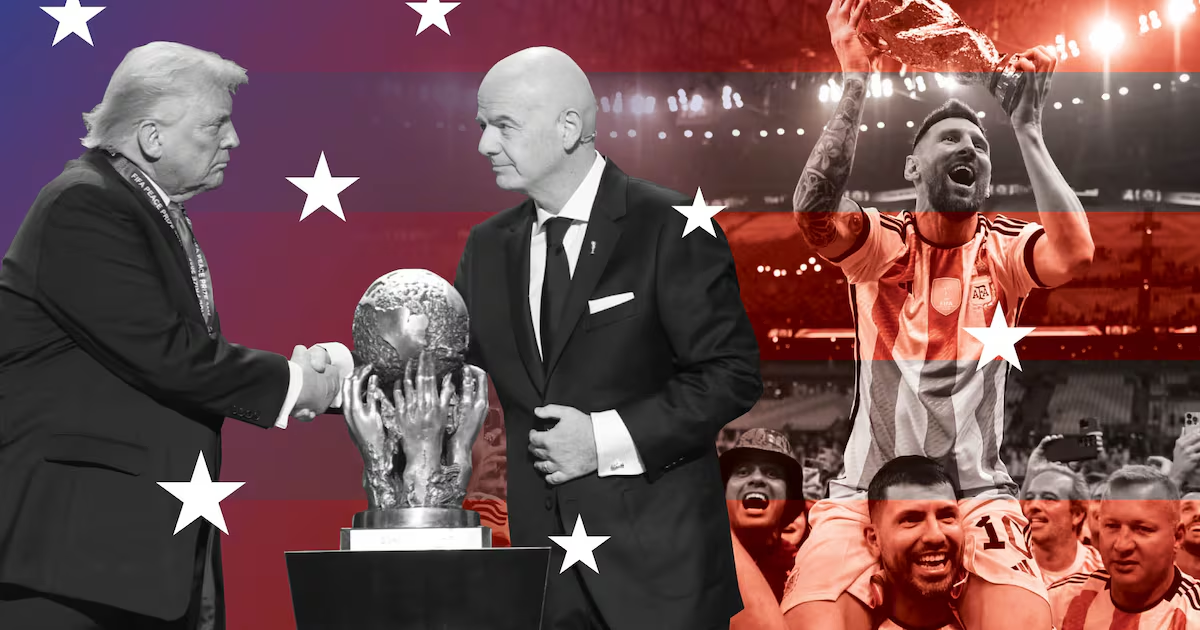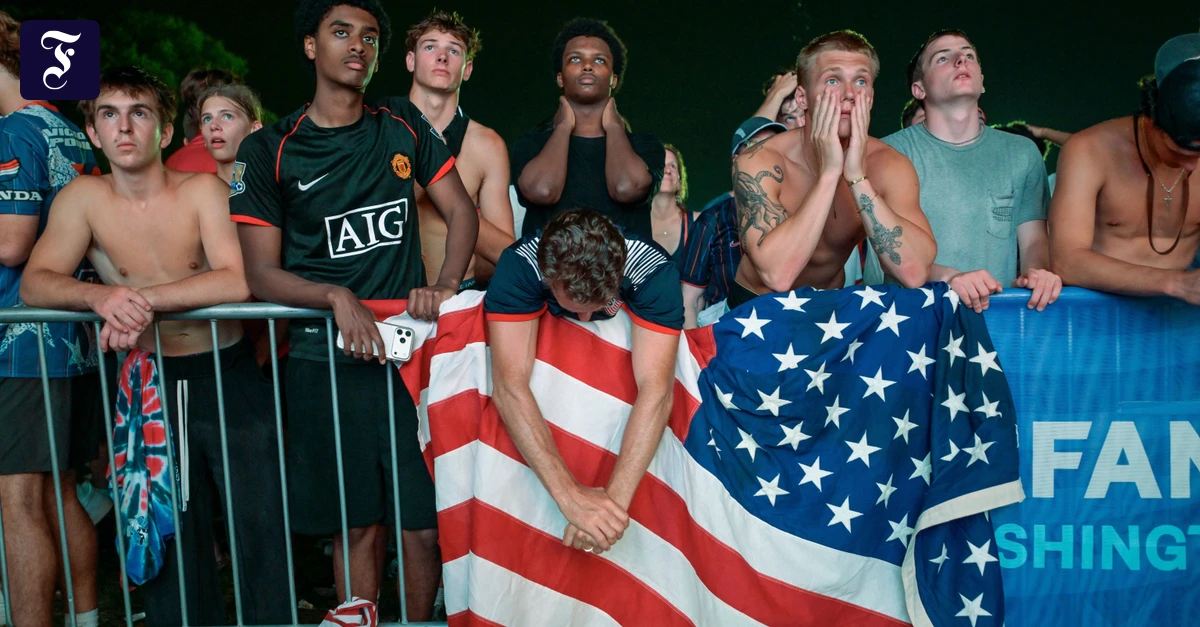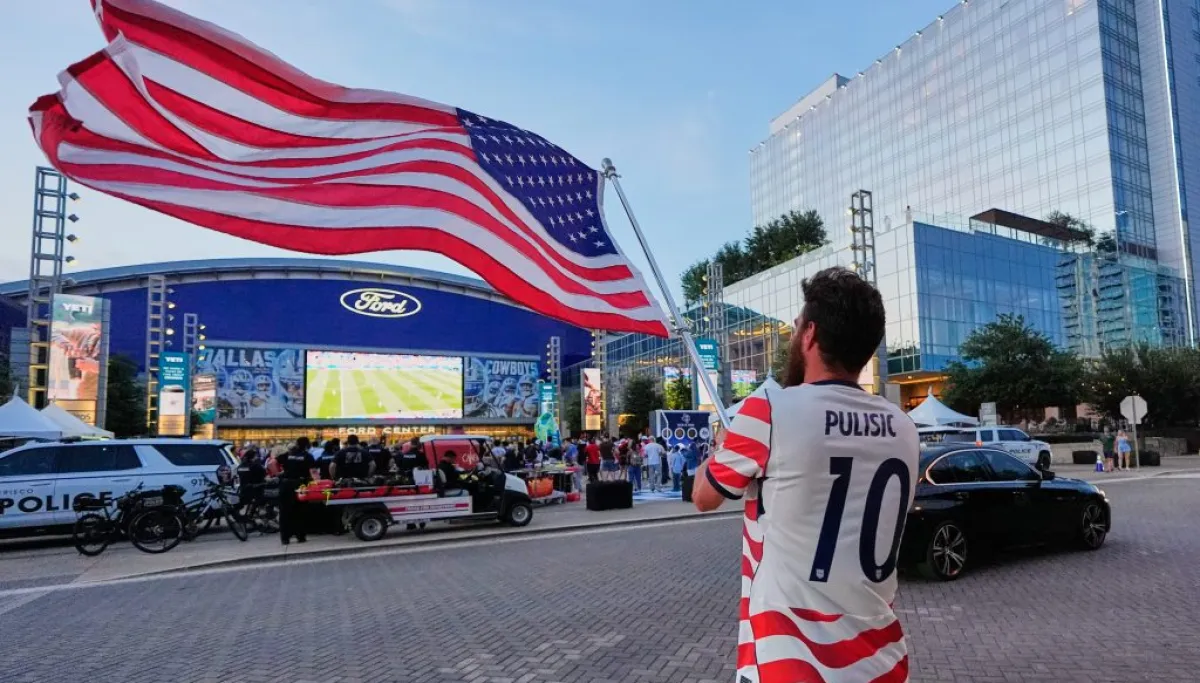
It is almost a month since America opened its doors to the World Cup. Since then, there have been 92 games, mainly in the United States, but also in Canada and Mexico. A total of 269 goals have been scored (including the three beauties that put England into the quarter-finals), and, perhaps most impressively, some 1.25 million visitors have travelled to the United States to follow their team in the tournament.
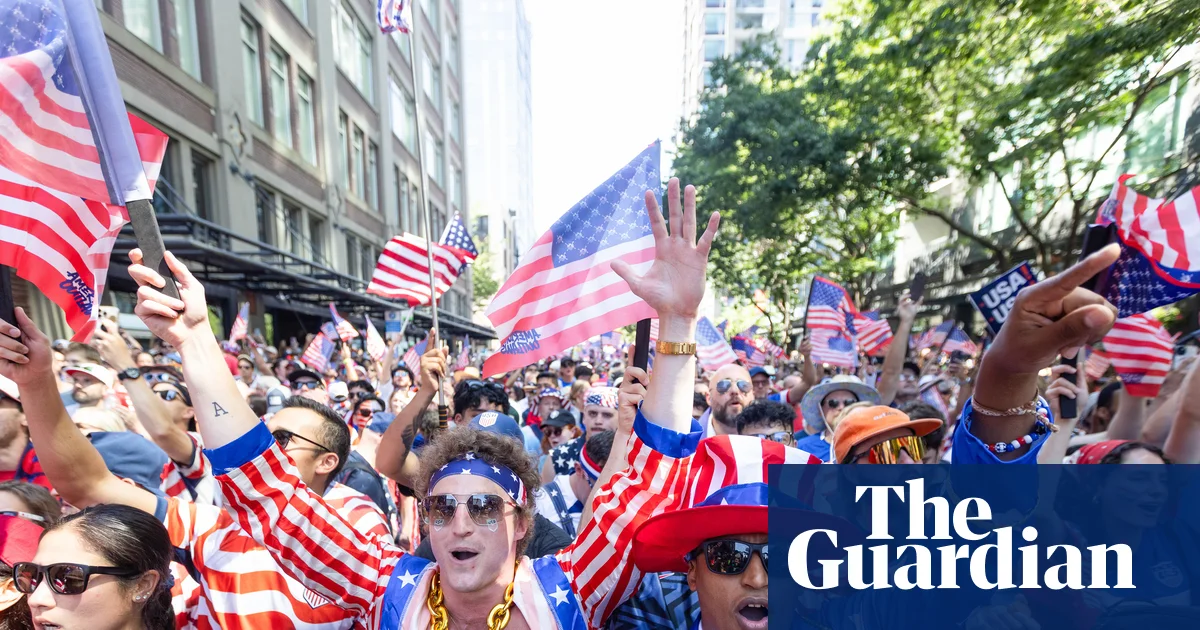
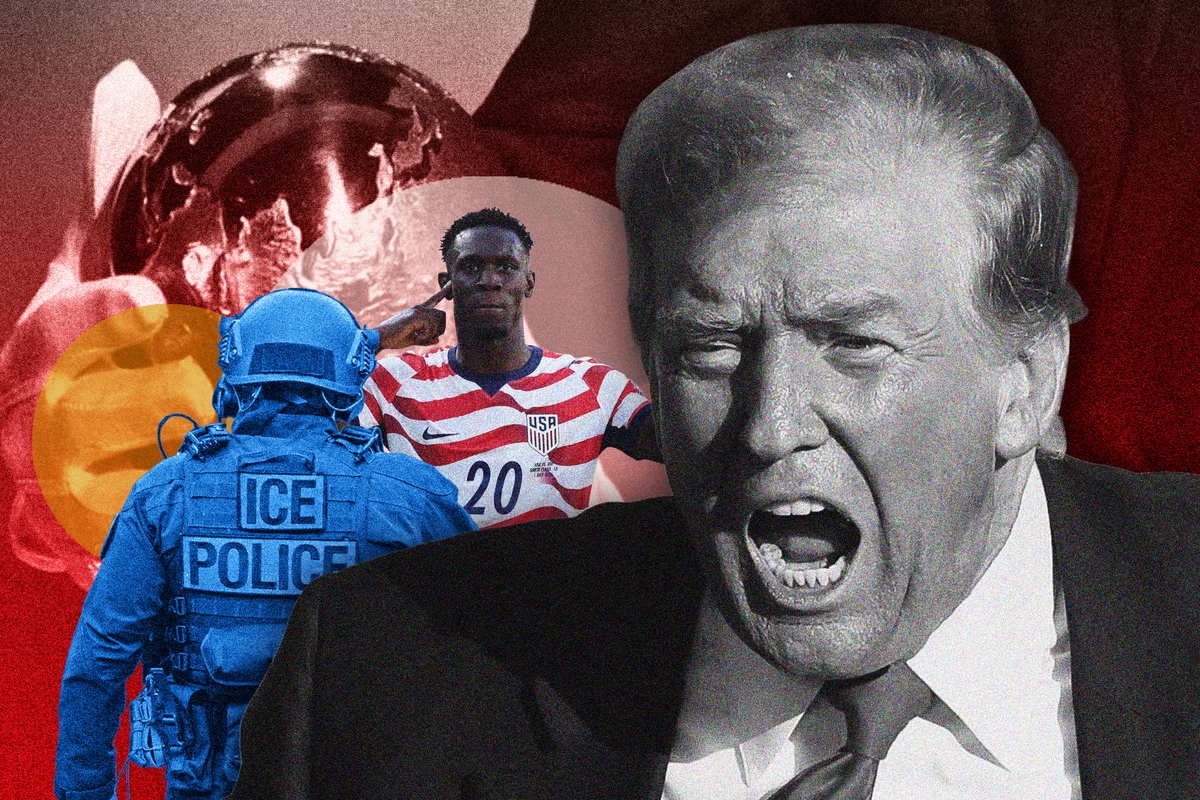
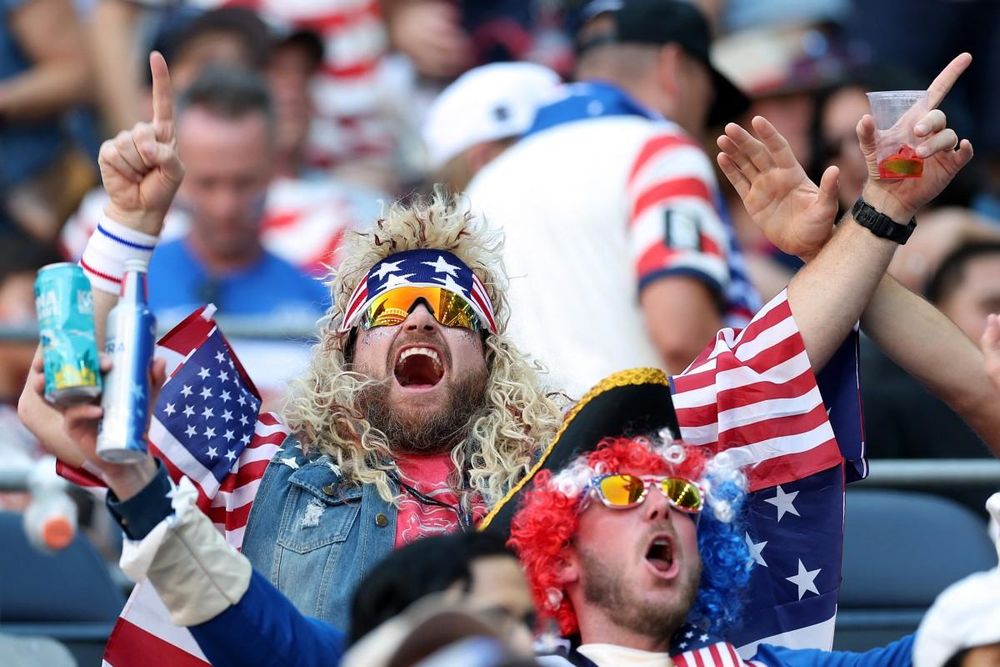
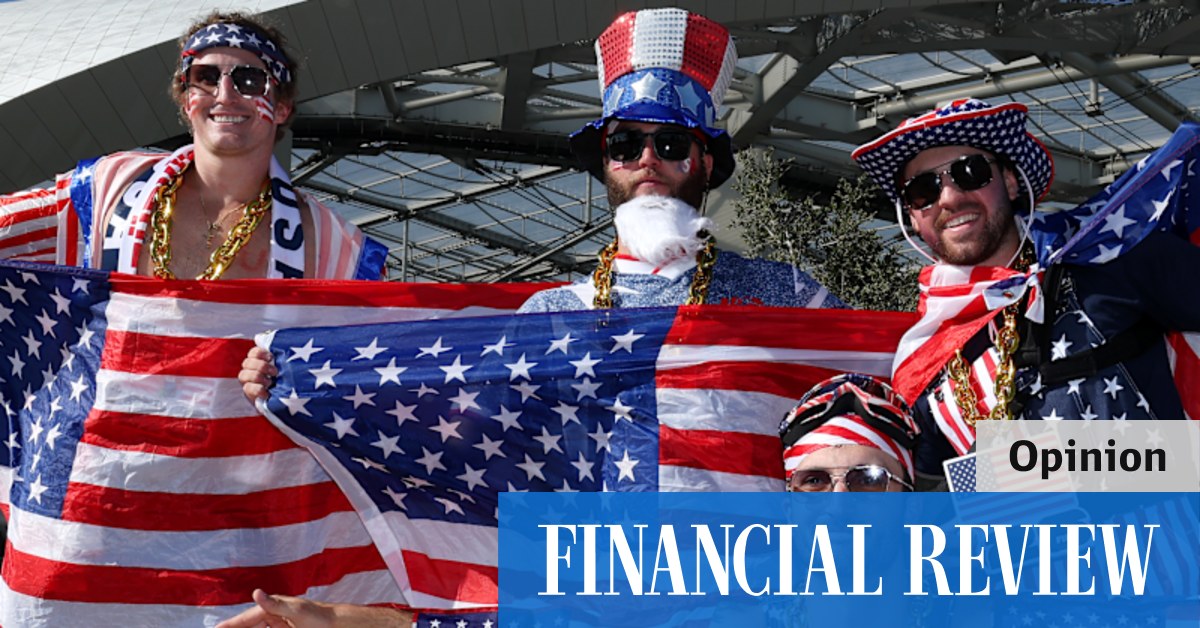
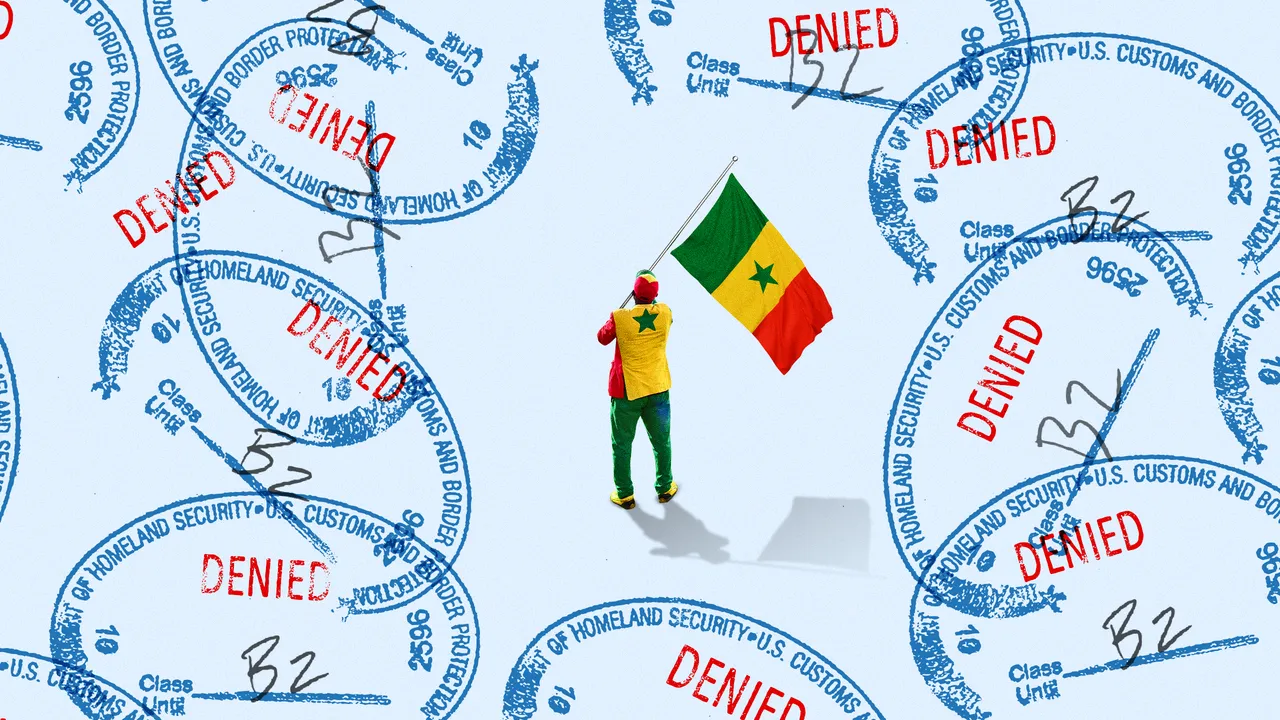
They may have arrived expecting, or fearing, a version of America they’d seen on the news, one where foreigners are arrested and deported, one where they build walls rather than bridges, and one where the sitting President has shunned outsiders. What they found was a rather different, and some might say more authentic, America: welcoming, friendly, enthusiastic, and proud.
Indeed, this World Cup has provided the clearest example of the power of sport to bring people of all nations and creeds together, and to help us make the distinction between what governments do, and what nations are. The America encountered by millions of football fans is not the America projected from Donald Trump’s White House. Football 1, Politics 0.
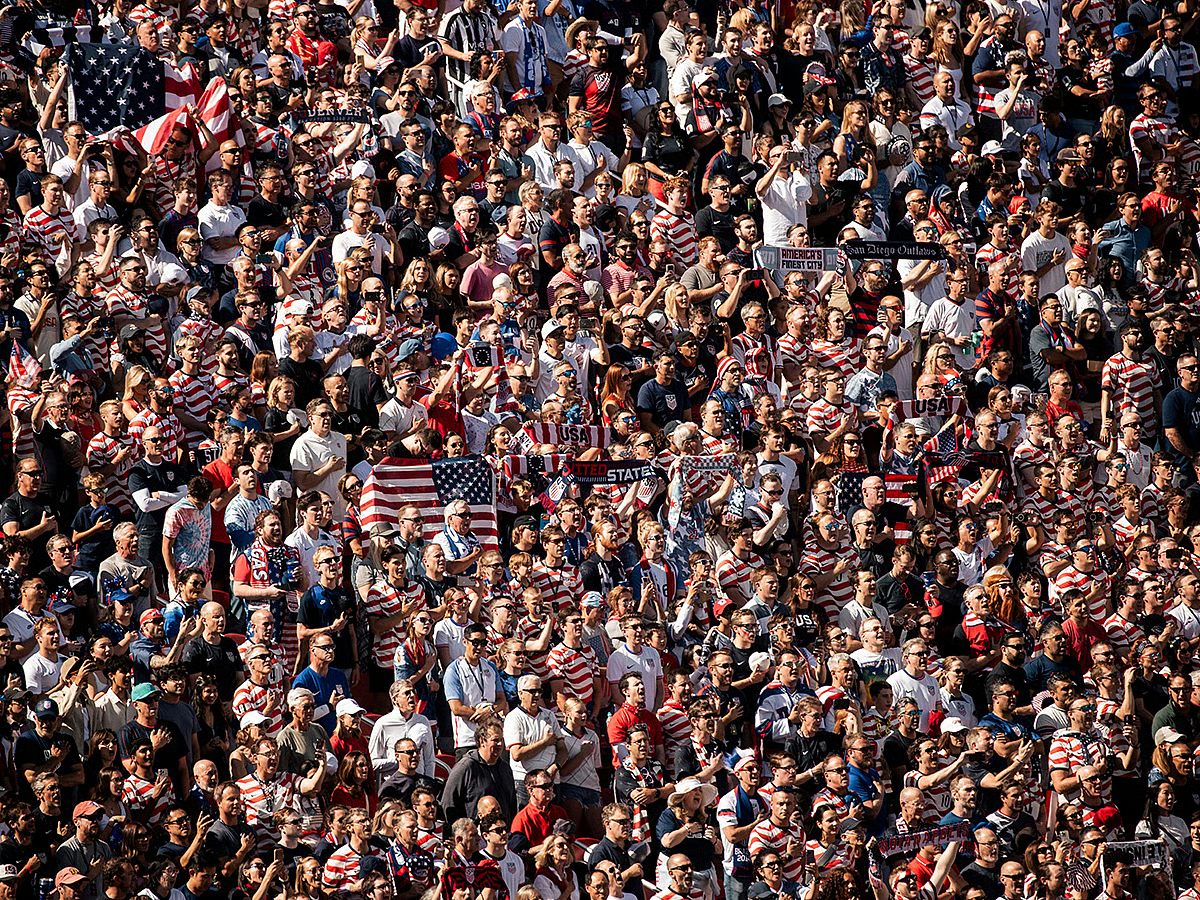
This is the quietly remarkable story of the 2026 World Cup, and it has nothing to do with penalties or VAR decisions or rows over kick-off times. It has, instead, been the most effective advertisement for everything that is great about America, not least its reputation as a cultural melting pot. A large proportion of the fans supporting each of the 48 countries, and who have created such a colourful spectacle in and around the grounds, are actually citizens of the United States, or at least residents there.