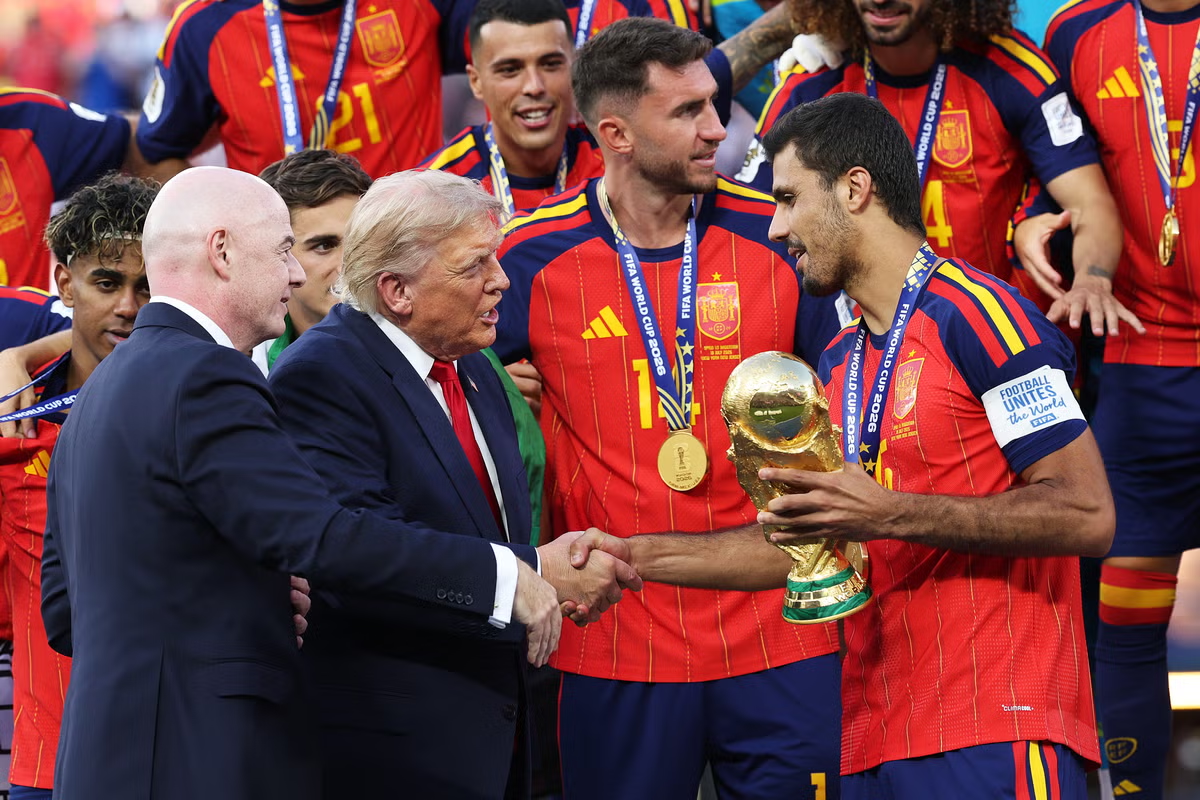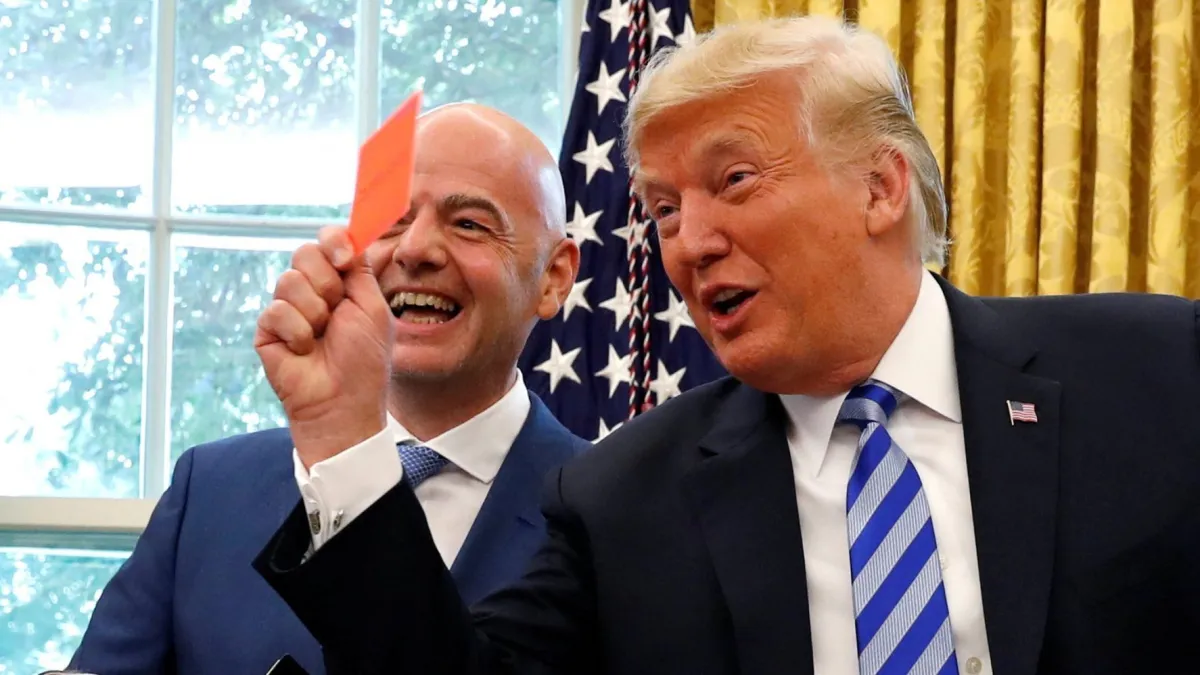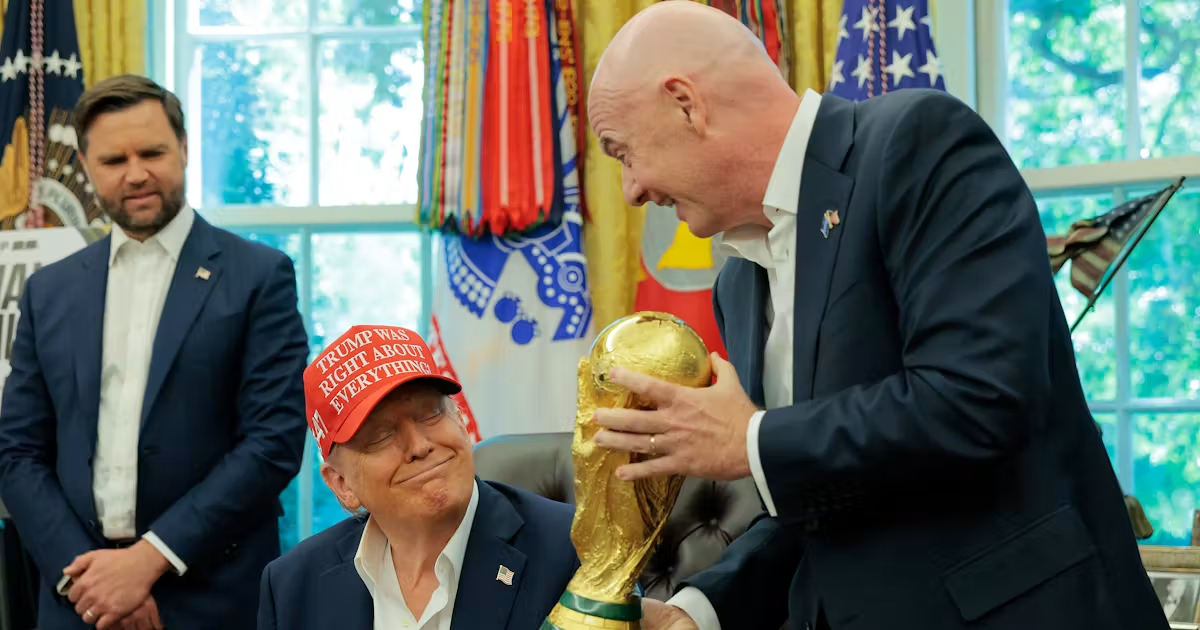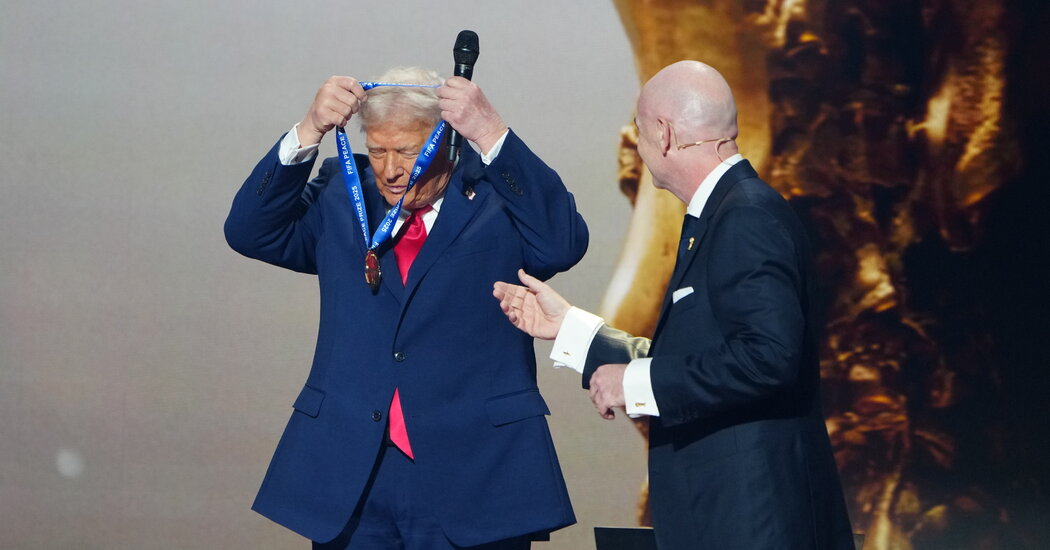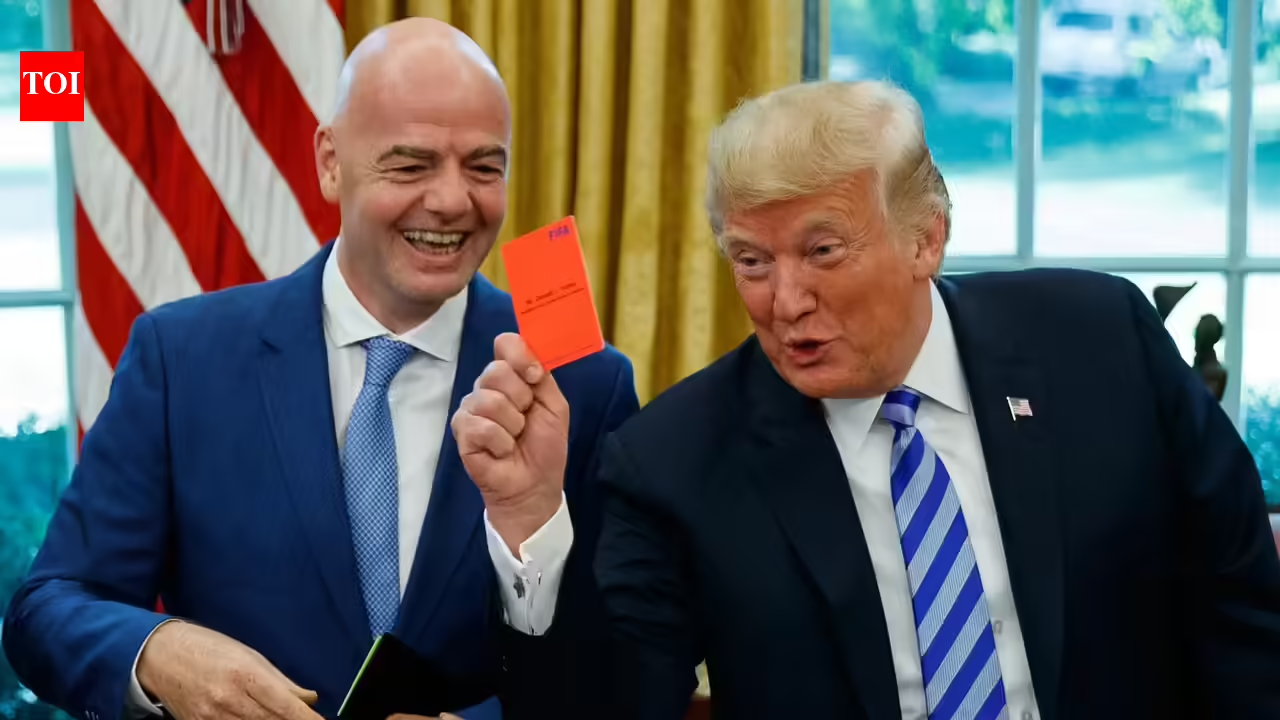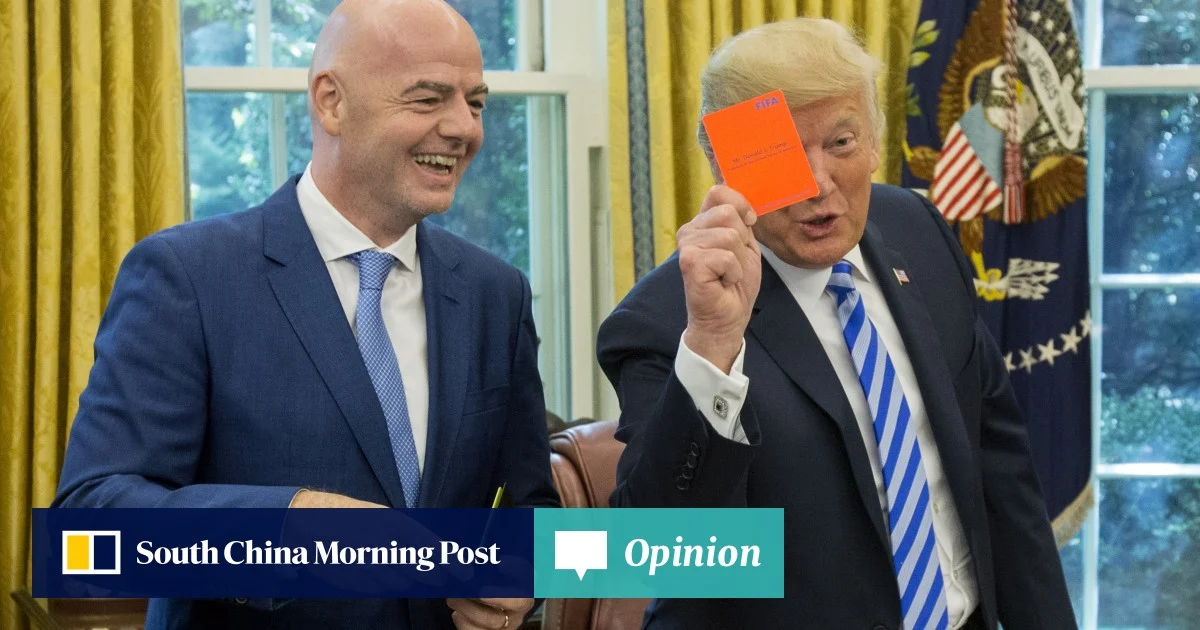
The scenes from the World Cup have, at times, been reminiscent of a different era in global politics and a different America. Scottish football fans somehow managed to drink Boston out of lager. Skinny Europeans wondered at Texas-size portions on TikTok. Americans stood amazed at Japanese fans cleaning up the stadiums after their games. On the streets, there were festivals of celebrated difference and shared joy. Meanwhile the US government have continued its pursuit of random acts of cruelty: banning a Somali referee and forcing Iranian players to leave the country immediately after games. Its most recent controversy saw it abusing or ignoring the rules to nullify one of its players’ red cards. The tournament displayed, loudly, a reality that the world has been figuring out quietly since the beginning of the second Trump administration: Americans are one thing. America is quite another. In Canada, when the United States turned from partner to predator, the rupture created an explosion of nationalism not seen since the 1960s. At that time, I began hosting a podcast called Gloves Off, about how to deal with American threats to our sovereignty, and I asked Margaret Atwood for her advice, since she had lived through the first nationalistic wave. Though a little less serious than Trump’s other unilateral decisions, his move to get Folarin Balogun’s red card removed shows a willingness to forego the rules – and take his fellow Americans with him (Getty)“Number one, hating all Americans is stupid,” she said. “You can dislike the administration without saying all Americans are horrible.” At a time when ordinary people were turning American products upside down in grocery stores so that other buyers would know to avoid them, it was an extraordinarily good piece of advice to prioritise. It has been strikingly easy to follow. The sweltering madness of Washington, in its decadent Gotterdamerung, is an affliction on Americans first. It’s not just that Trump’s approval rating sits at somewhere below 40 per cent. Americans’ pride in their country has been on a steady decline, too. Trust in national institutions has collapsed. Even American exceptionalism is dying. In one poll, only 22 per cent of Americans under 30 expressed the belief that the American dream still exists. Americans feel themselves to be divided from their own country. On 4 July, white nationalists rode the Washington subway, masked. African-American passengers had to share trains with them. During a terrible storm, Maga fans attending the Great American State Affair had to take refuge in the National Museum of African American History and Culture. Pick your symbol of division. Both scenes describe the state of America today.Canada has been pulling away from the United States in a number of ways since the beginning of the second Trump administration. You can see it in tourism, in trade, in defence procurement and so on. And yet, I don’t think there is the same kind of anti-Americanism now that there was in the 1960s, or even during the second Bush administration, because nobody blames ordinary Americans for the war in Iran, or ICE, or the threats to Greenland. The United States is becoming a country where the actions of its government must be separated from the will of its people. The Trump administration’s attempt to force digital services down the throats of Canada and Europe has clarified that American financial and tech companies, far from being neutral providers of services, are agents of American authoritarianism, or at the very least, possible agents of American authoritarianismDemocratic backsliding has taken many forms over the past two years: the usurpation of power by the executive branch, the gutting of the Voting Rights Act, and widespread gerrymandering. In the 2026 midterms, in a time of bitter political division in the country, only 18 House seats are “toss-ups”. The US Congress is not a politically competitive institution anymore. It would be silly to blame Turks for the actions of the Erdogan government, and it would be silly to blame Americans for the actions of the American government.‘From the outside, America resembles a house of abuse’ (Reuters)That said, the global rejection of everything America, per se, is inevitable. Any American product or service connected to the US government or subject to US laws is a threat to the sovereignty of democracies everywhere. The Trump administration’s attempt to force digital services down the throats of Canada and Europe has clarified, for a generation, that American financial and tech companies, far from being neutral providers of services, are agents of American authoritarianism, or at the very least, possible agents of American authoritarianism. Not travelling to the United States, for Canadians, began as a boycott; now it’s more a reflection of a desire for self-preservation. The US government has made it abundantly clear that foreigners in the U.S. will be treated as potential enemies. Would you go to Disneyland if there was a chance you’d be cavity-searched first?The reason why America is widely considered more of a threat than China or Russia in most of the world is not that it is evil, but because it is random. The military engages in sport killing for the amusement of the dear leader. It starts wars without plans. Nobody knows what an agreement with the US government means anymore. The authority of the negotiators is unclear, never mind whether they will keep their word. It’s easy to refrain from being anti-American. There is no America unified enough to hate. From the outside, America resembles a house of abuse. Inside it, some try to please the abuser. Some run away. Some fight. Others try to make everything go away. Some just pretend. When you’re a neighbour, you make sure to lock the door. The same series of polls that showed Americans’ declining sense of faith in their nation revealed that “Americans overwhelmingly want a nation that embraces pluralism at home and behaves as a good global neighbour abroad.” But you don’t need a poll to tell you that. You just have to know some Americans. Their system will not let them have the country they desire or deserve. Americans want a country that behaves as a ‘good neighbour’ abroad – but their system will not let that happen (AFP/Getty)Canadians know, more than any other group, that the decline of the United States is not somehow because Americans are bad people – these are our friends and families and colleagues – it’s that their systems are in collapse. Which is why the rejection of American systems – in defence, in tech, in economics, in culture, in everything – matters even more. The beer-slingers of Boston and the pitmasters of Texas are not the same entity as the agents of ICE. They barely even constitute a reflection of each other. That’s the whole problem. The suspension of Folarin Balogun’s red card is not his fault, of course. But the American team will now have an asterisk over its performance nonetheless. On all fronts, there is an asterisk over America now.
How Donald Trump has ruined the World Cup as well as America
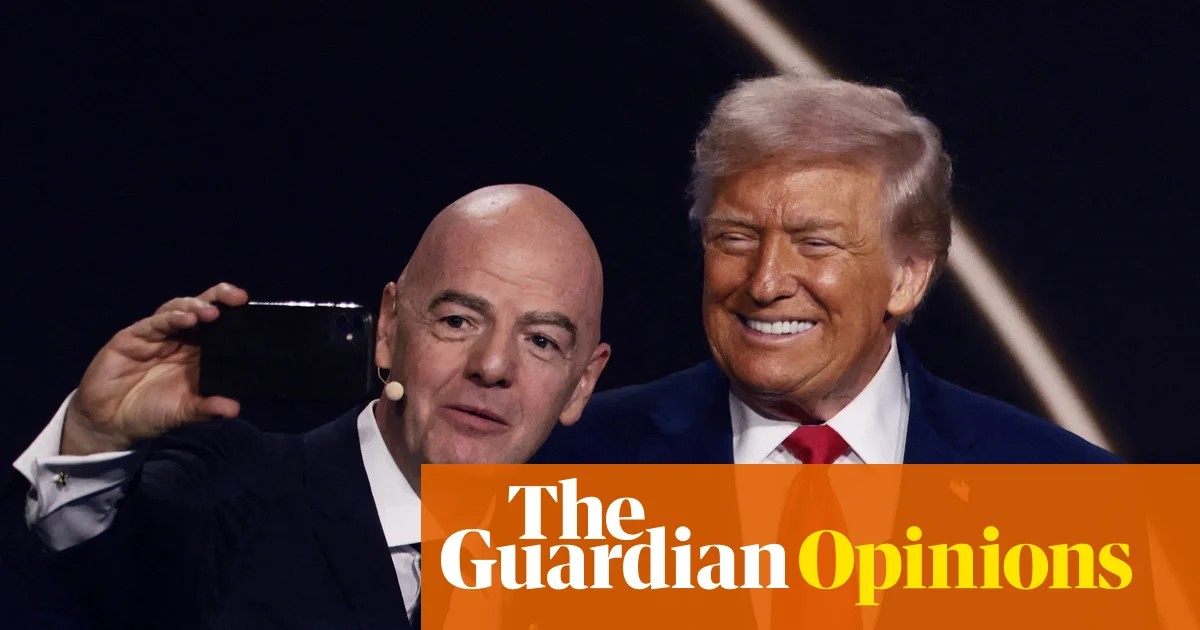
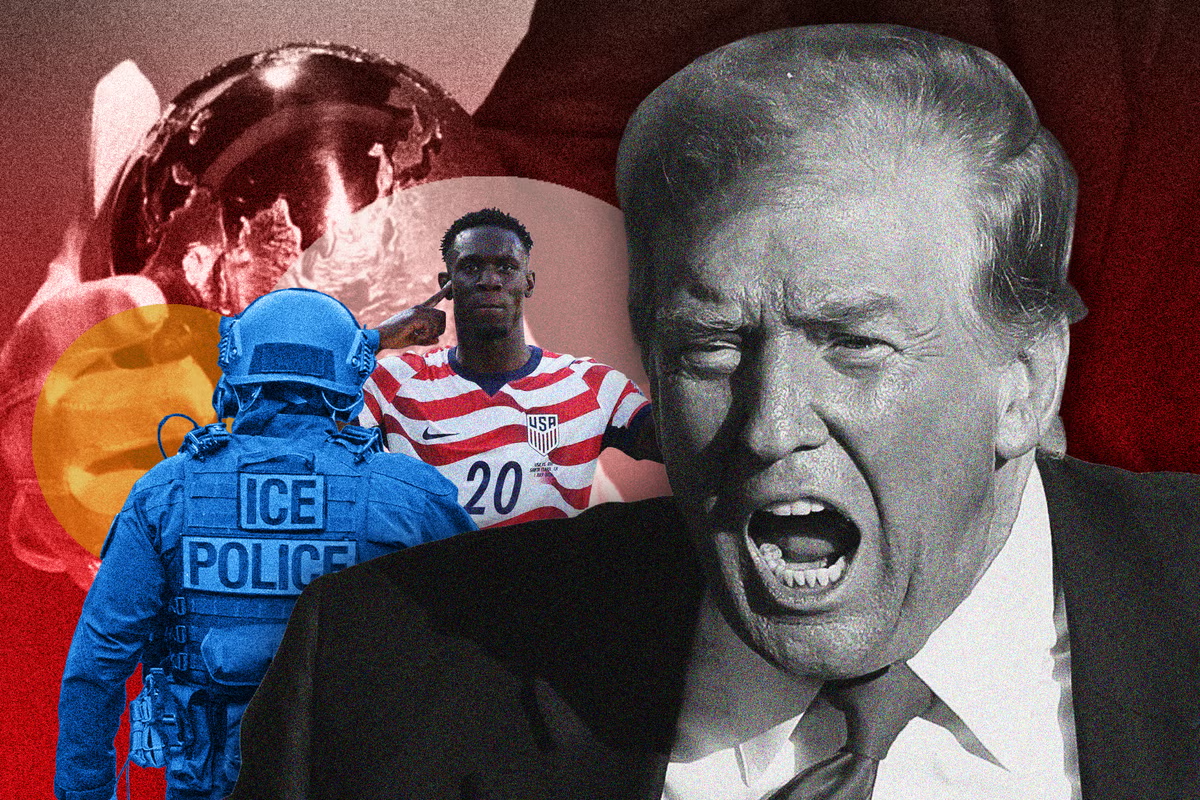
Whether it was the president’s intervention in a player’s red card, his unpredictable attitude towards war in Iran or the divisive actions of ICE, the United States is becoming a country where the actions of its government must be separated from the will of its people, writes Stephen Marche
1,164 words~5 min read