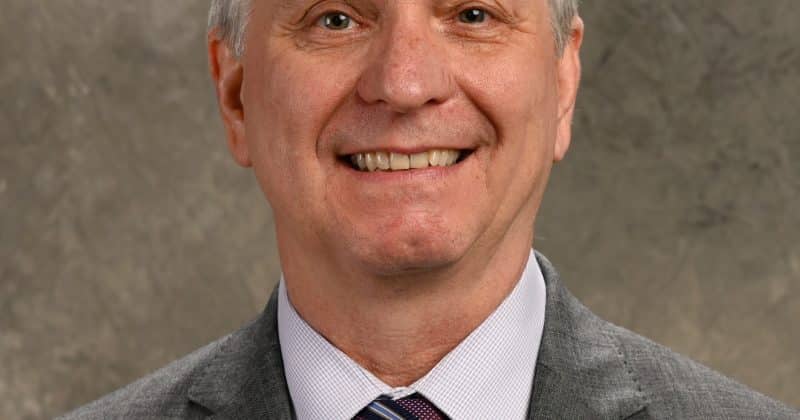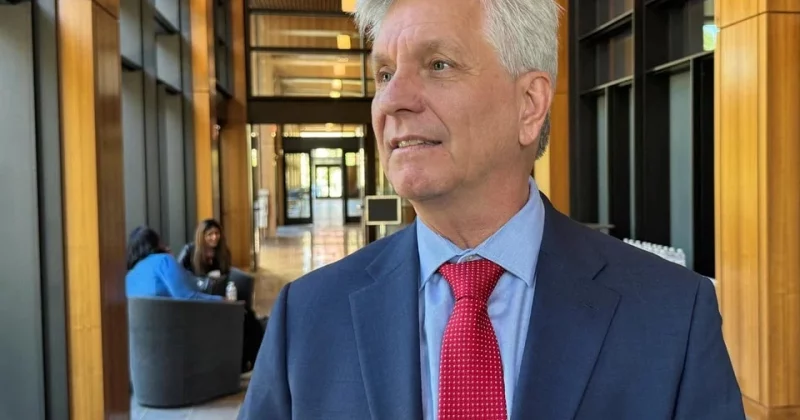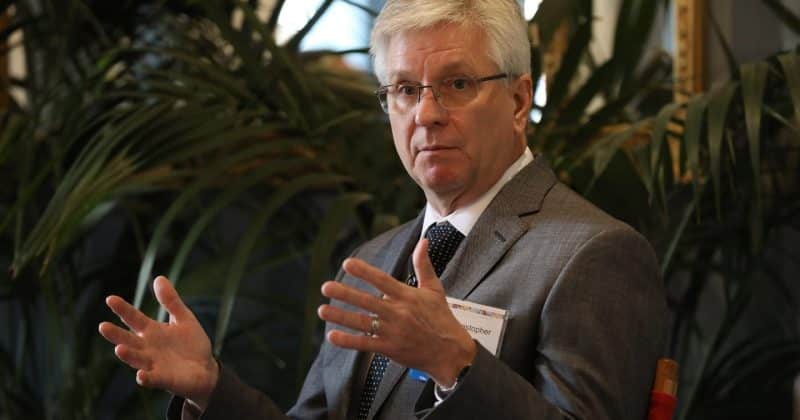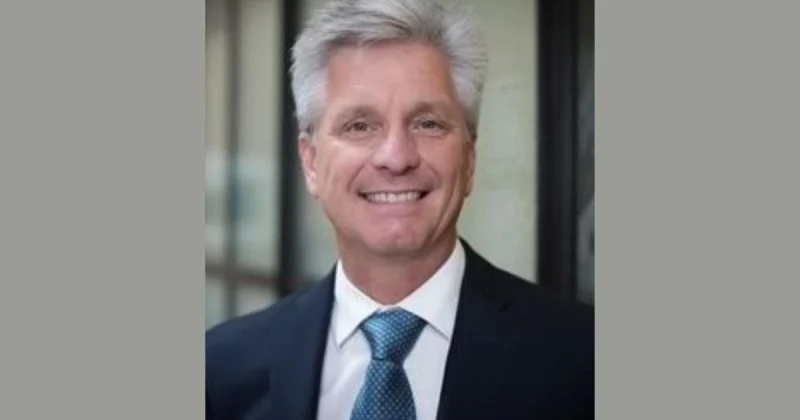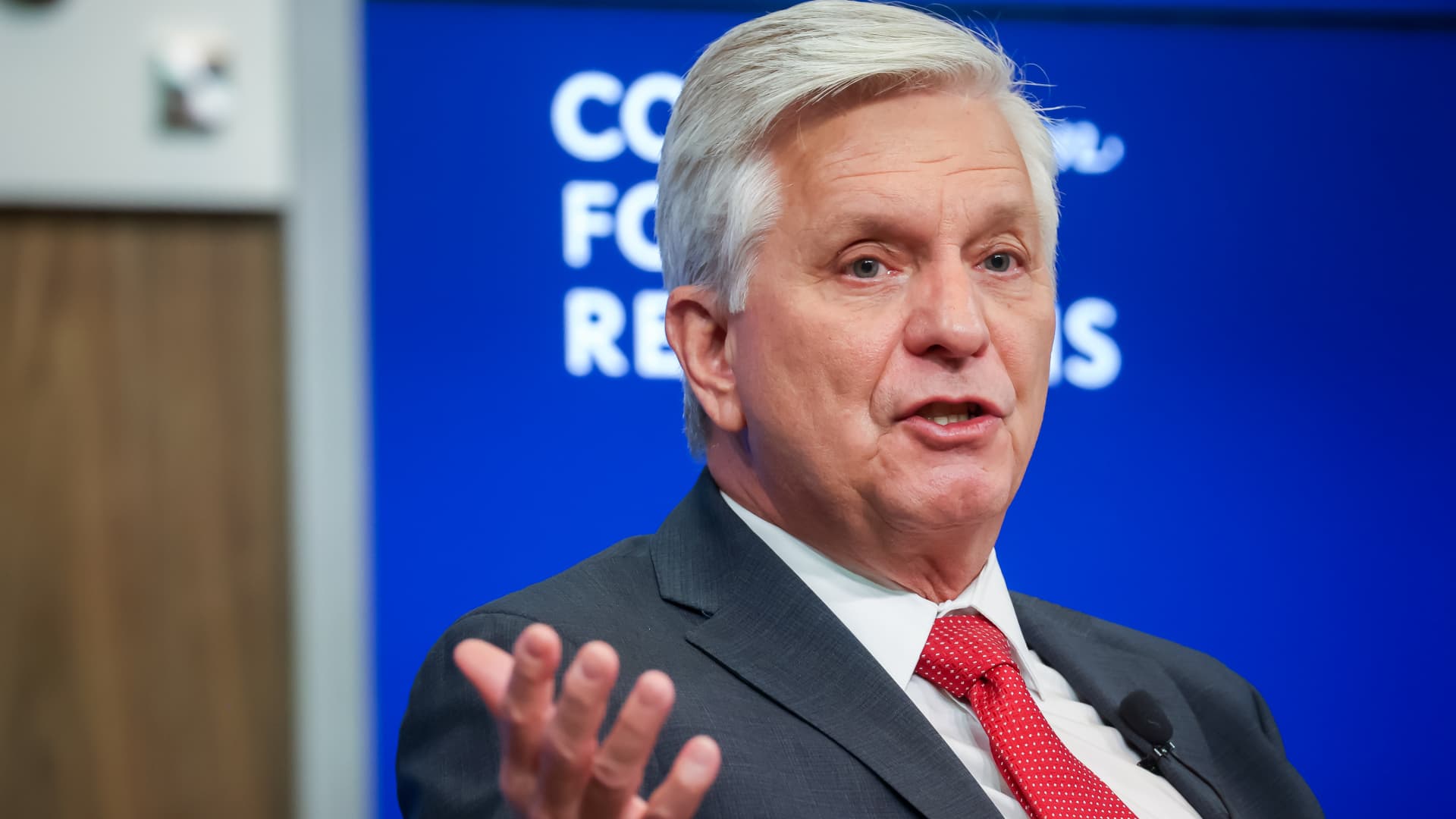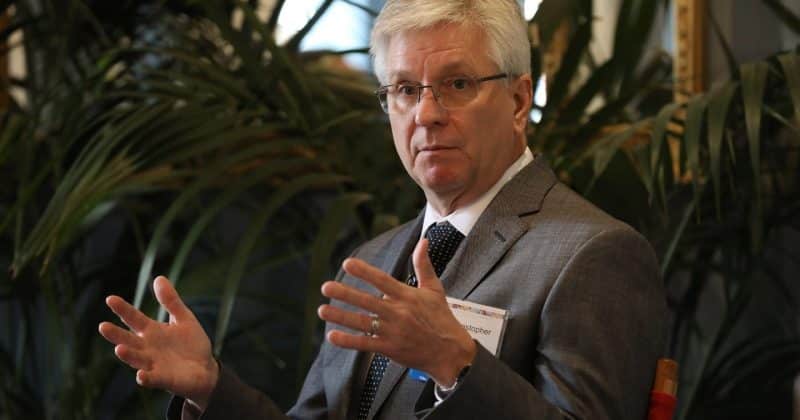
Federal Reserve Governor Christopher Waller took the stage at the Bank Al-Maghrib Prize ceremony in Rabat, Morocco on May 14, 2025, to deliver a speech about how monetary policy actually works its way through the economy. Waller focused on the evolution of economic thinking around monetary policy transmission, specifically contrasting older adaptive models with the rational expectations framework that emerged from research at the Minneapolis Fed, the University of Minnesota, and the University of Chicago. In plain English: the Fed used to assume people made financial decisions based mostly on what happened in the past. The newer thinking says people also factor in what they expect to happen next.
Under old adaptive models, the central bank could essentially surprise markets. Rational expectations flipped that on its head. If market participants are forward-looking, meaning they’re already pricing in what the Fed is likely to do, then the central bank’s communication strategy becomes just as important as the rate decision itself. Waller traced this intellectual shift back through decades of research, referencing historical work that stretches to early statistical collection and economic doctrine from the 1920s onward. The Minneapolis Fed’s collaboration with university economists was pivotal in cementing rational expectations as the dominant framework for understanding how monetary policy ripples through the economy.