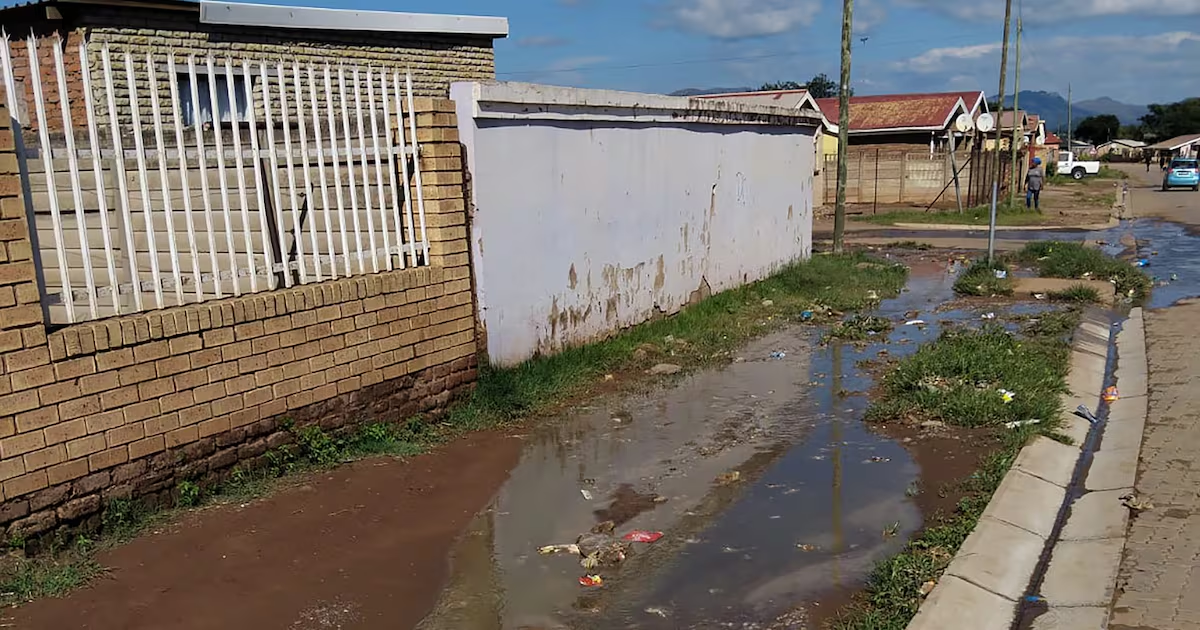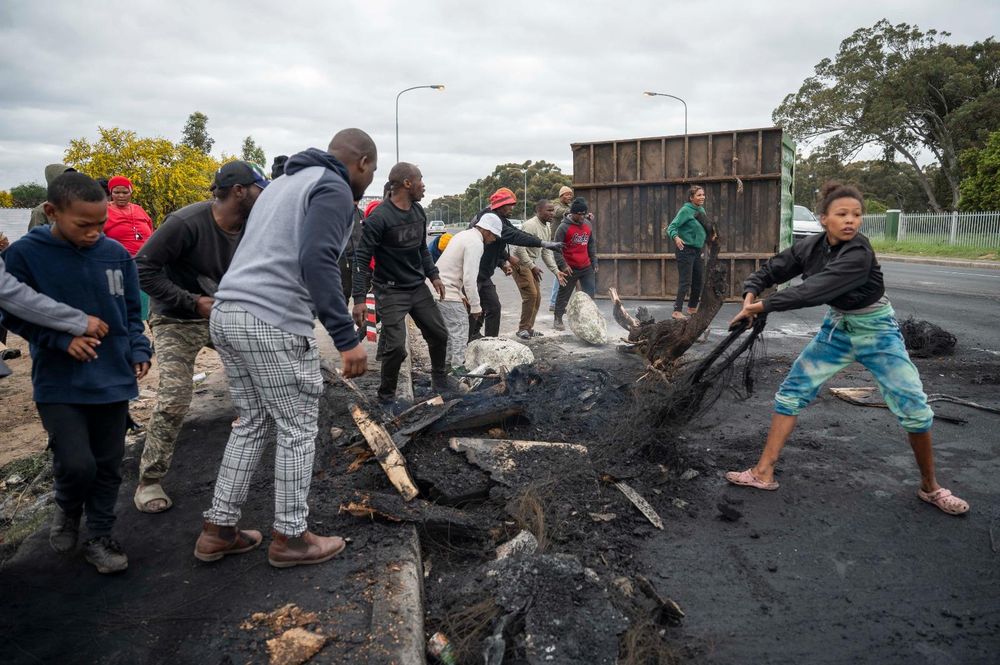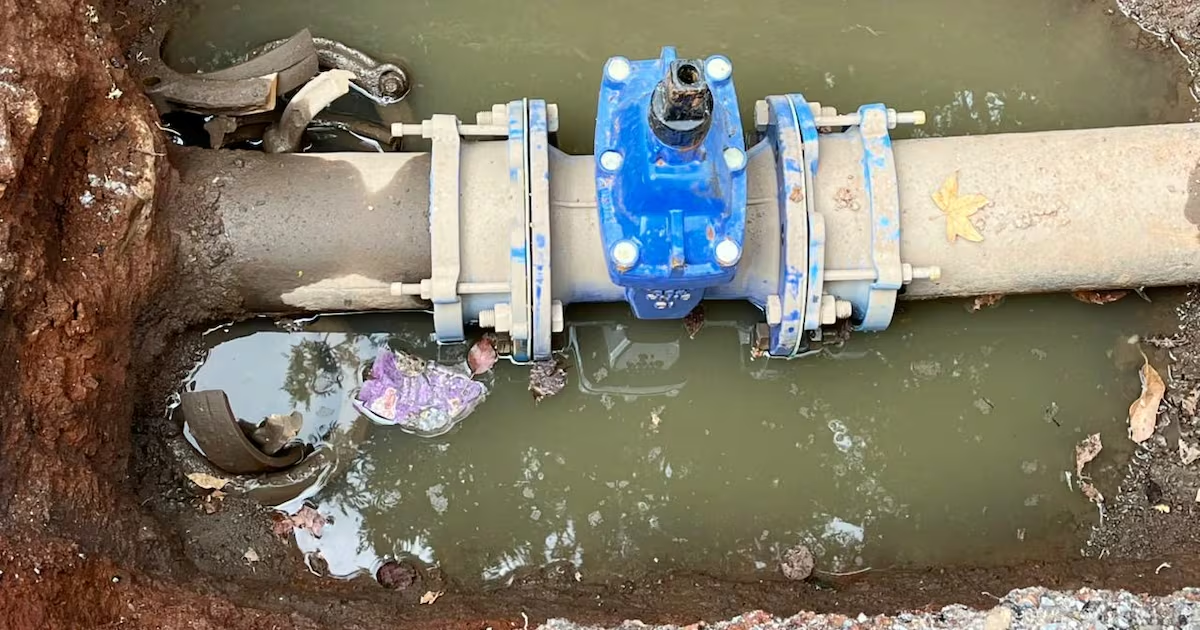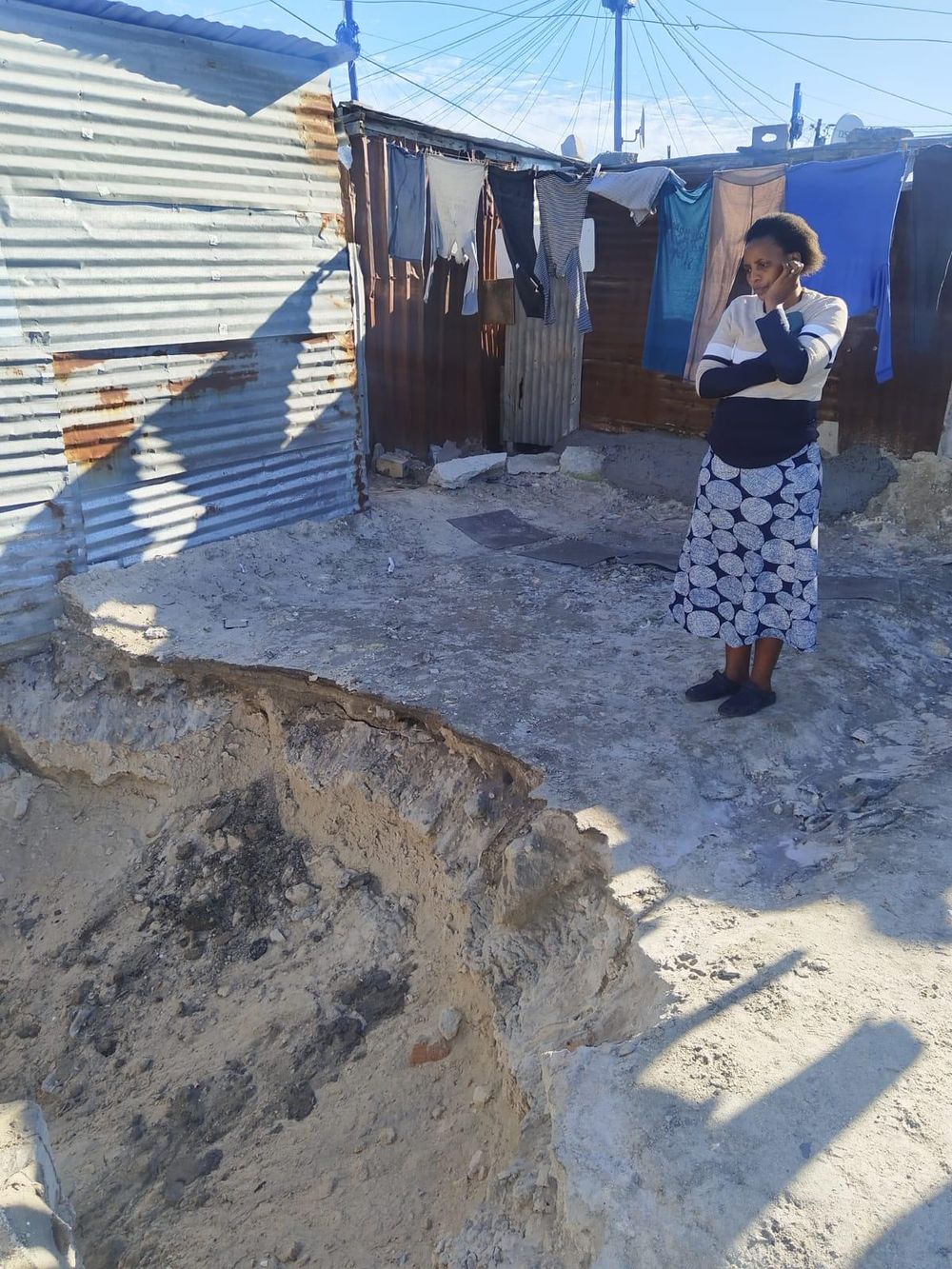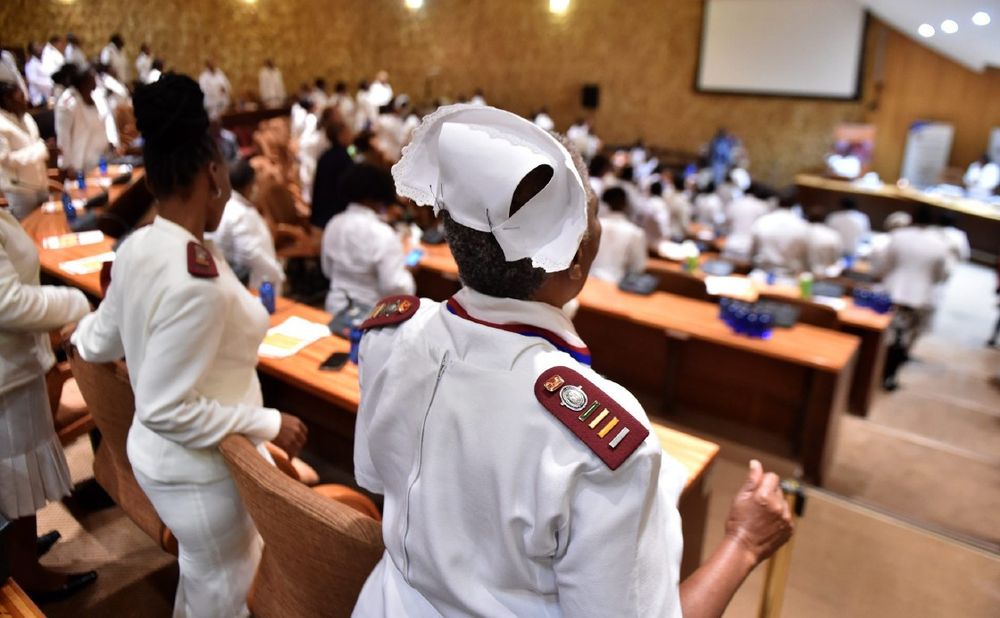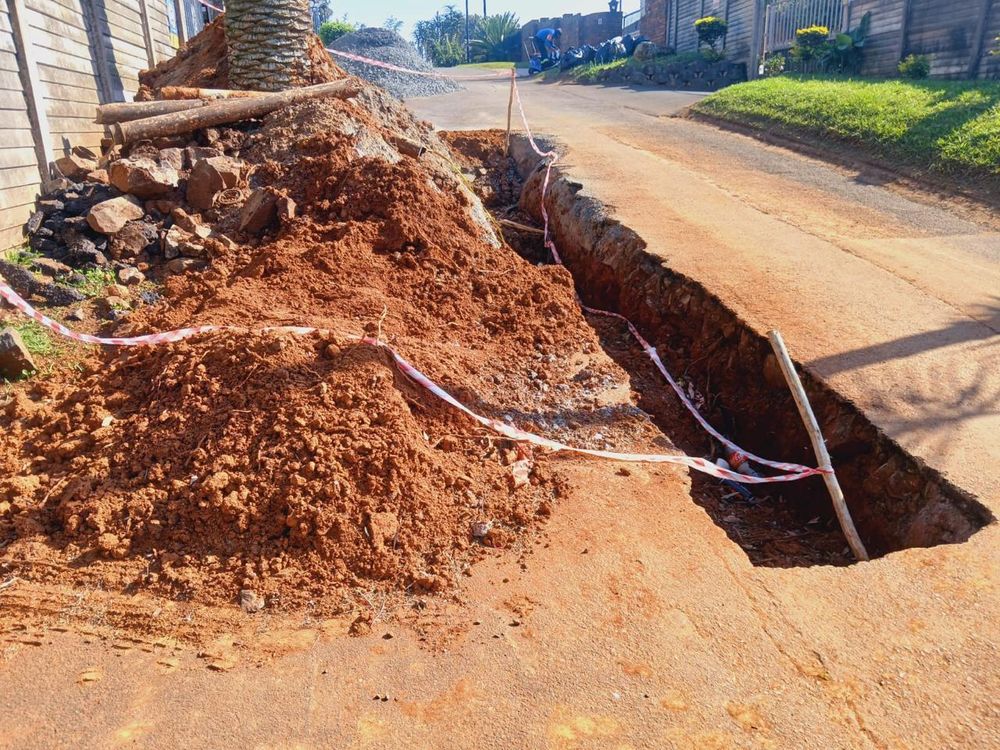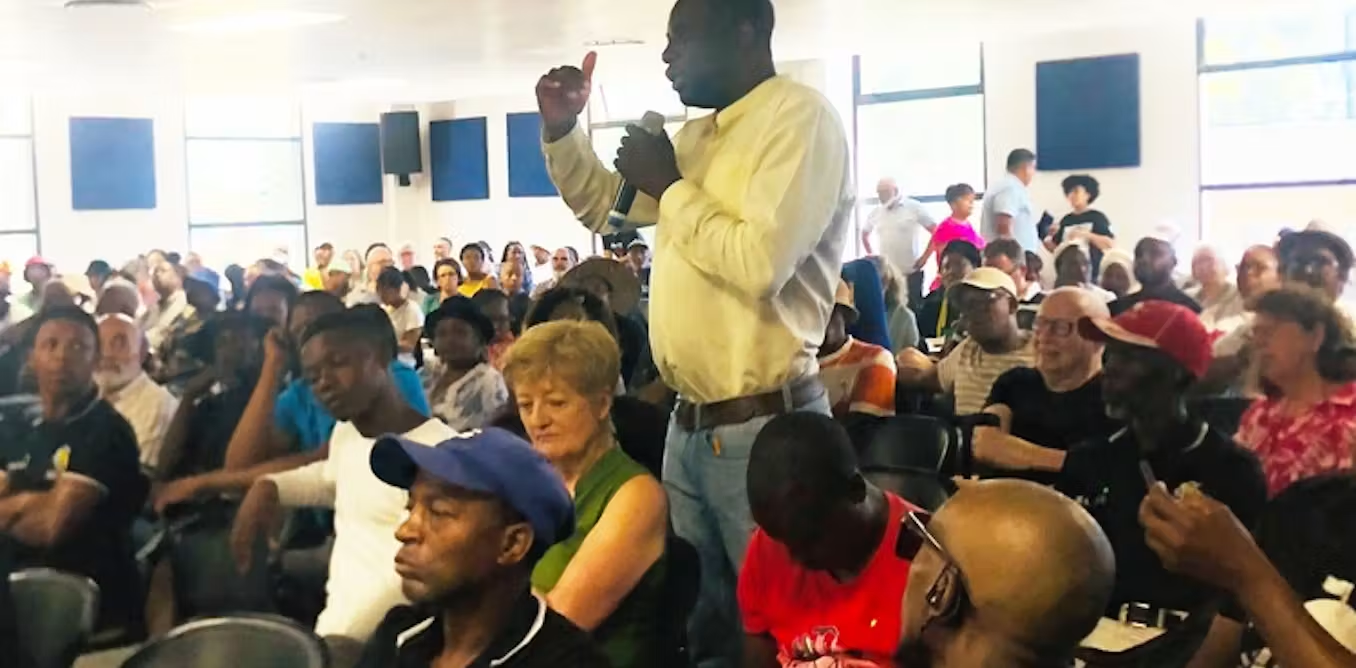
Across South Africa, there are various ways for people to report issues like broken infrastructure, unreliable water supply, failing clinics and poor municipal services. The channels include ward meetings, hotlines, and digital platforms like WhatsApp, Facebook and X. Complaints are often shared publicly and sometimes gain traction.
But are they enough? As a researcher specialising in governance, public policy and citizen-based monitoring, I recently conducted a study examining whether the system in South Africa is working as it should. The study was prompted by the paradox that despite the expansion of citizen participation mechanisms and digital reporting platforms since 2013, public dissatisfaction with service delivery remains high. This raises questions about whether citizen feedback is influencing government decision-making.
Citizen-based monitoring was introduced by the Department of Planning, Monitoring and Evaluation in 2013. It was designed to strengthen accountability and improve frontline service delivery by enabling citizens to monitor public services and communicate their experiences directly to government institutions.
My research shows that the central problem behind persistent service delivery failures is not the absence of public participation. South Africans continue to report problems, attend meetings, engage online and raise concerns about service delivery. The deeper problem is the absence of institutional response. Citizen-generated feedback is rarely integrated into formal government systems such as planning, budgeting, performance management, or service delivery processes. This means many complaints are acknowledged but not acted upon.