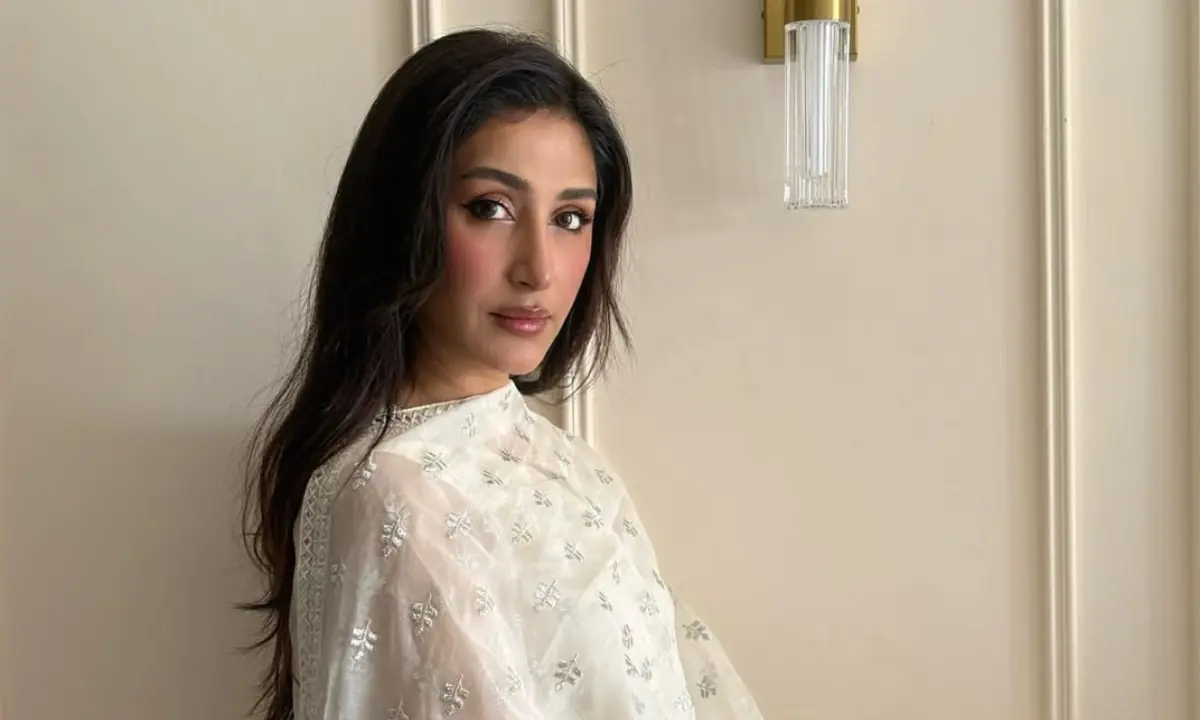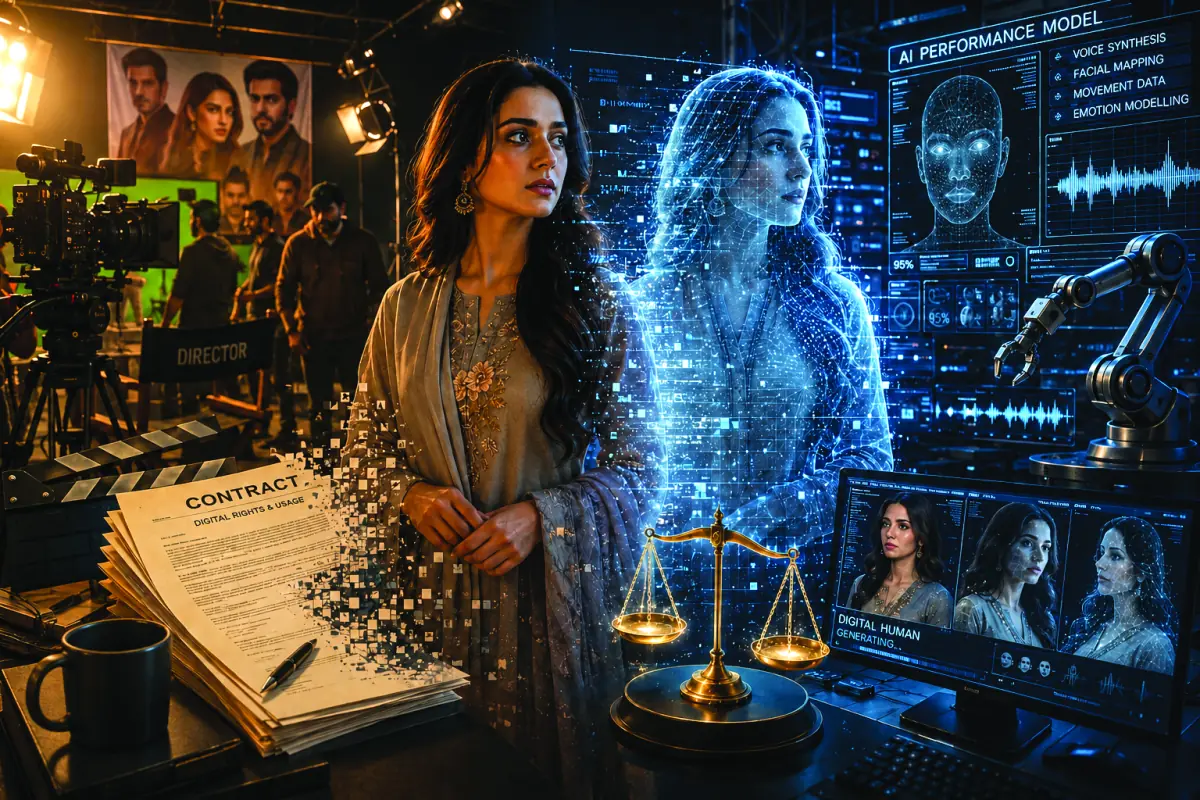
A few weeks ago, actor Hira Tareen posted an Instagram video about a contract that, on the surface, looked like any other television agreement. However, buried within it were clauses that alluded to something far more sinister: a grant of permission to use an actor’s face, voice, gestures and performance to create digital replicas using artificial intelligence (AI).
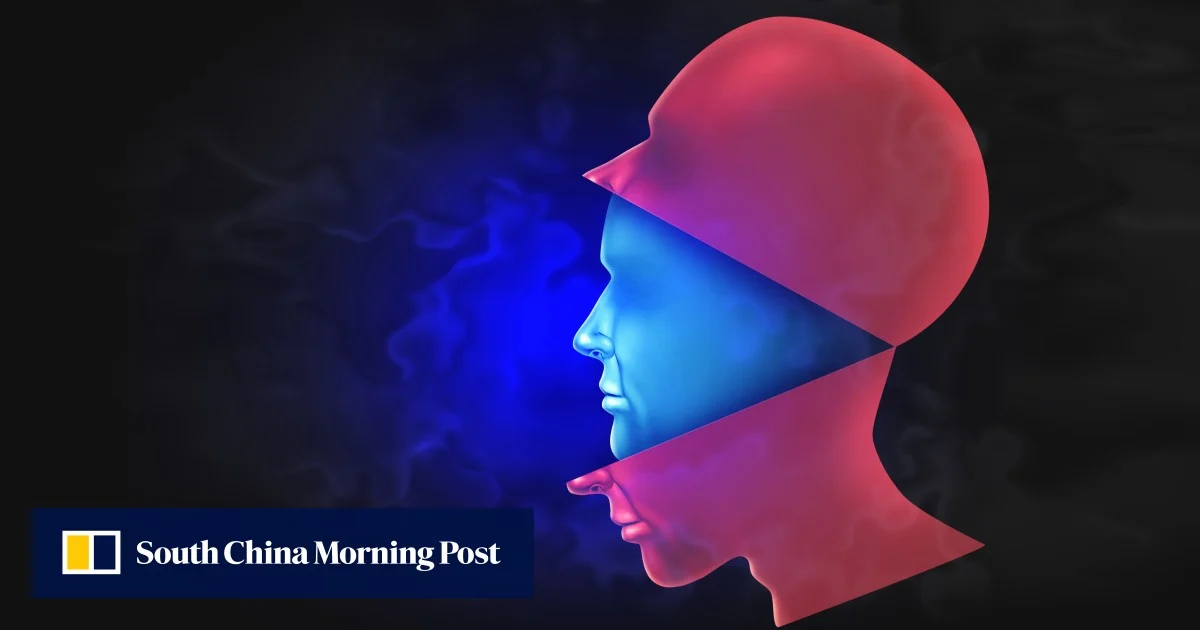
It was a contract that gives a company the right to give birth to — and own — someone’s digital doppelgänger.
“I don’t usually make videos like this,” Tareen said, explaining that she had initially raised the matter within the Actors Collective of Pakistan (ACT), Pakistan’s actors’ association, after carefully reading her contract. Within weeks, she said, other actors received similar agreements. And here’s the scary part: some had already signed them.
“This is not just one bad contract,” she warned in the video. “It’s already becoming an industry-wide norm,” she pointed out. She should have added the words “If we don’t stop it!”
Artificial Intelligence’s role in Pakistan’s television industry remains modest — for now. But contracts granting extensive rights over actors’ digital likenesses have sparked fears that performers may be signing away control of their future selves