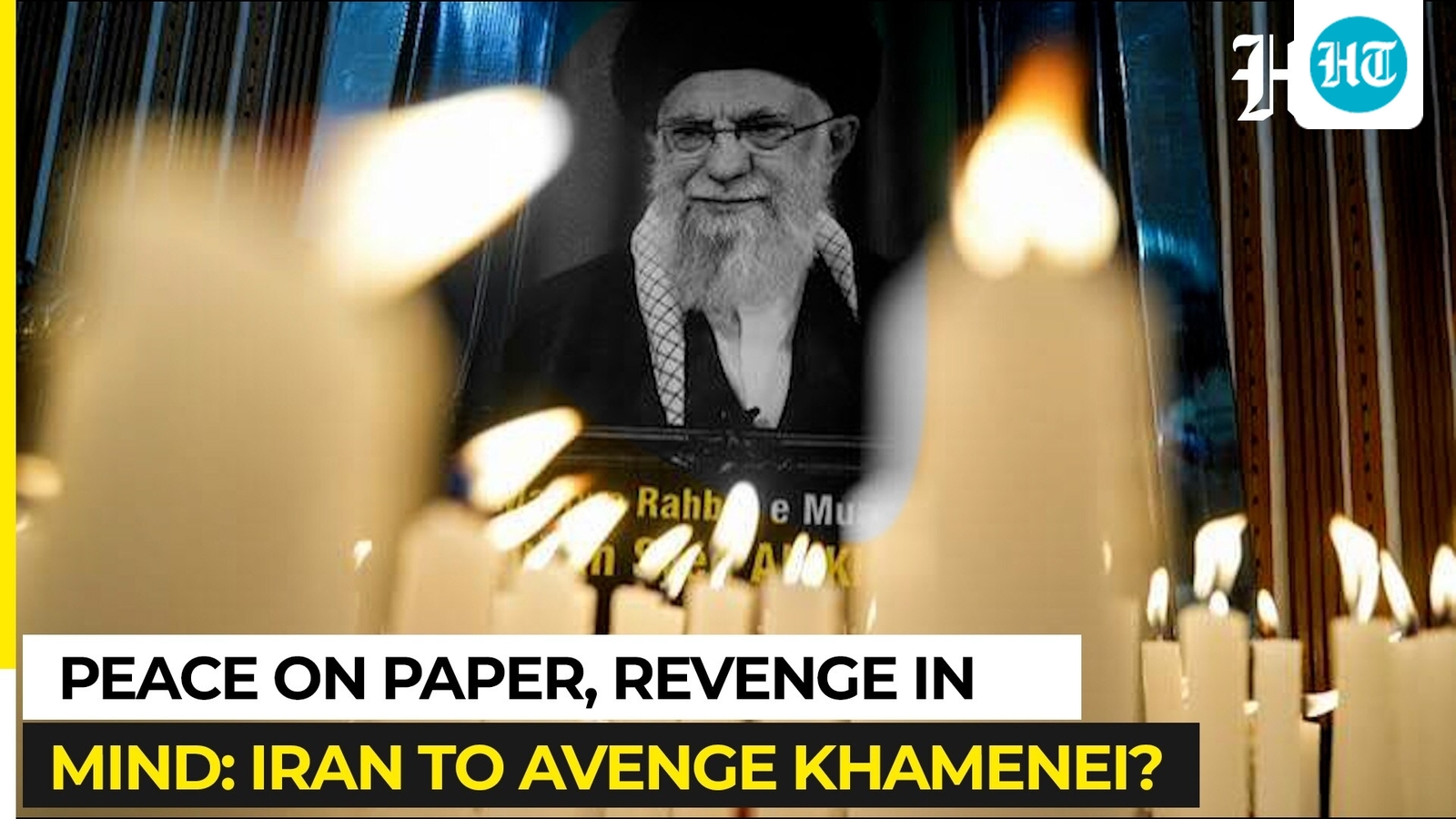
“We shall not falter in this revenge / For as long as we live, we exist for blood-vengeance.”
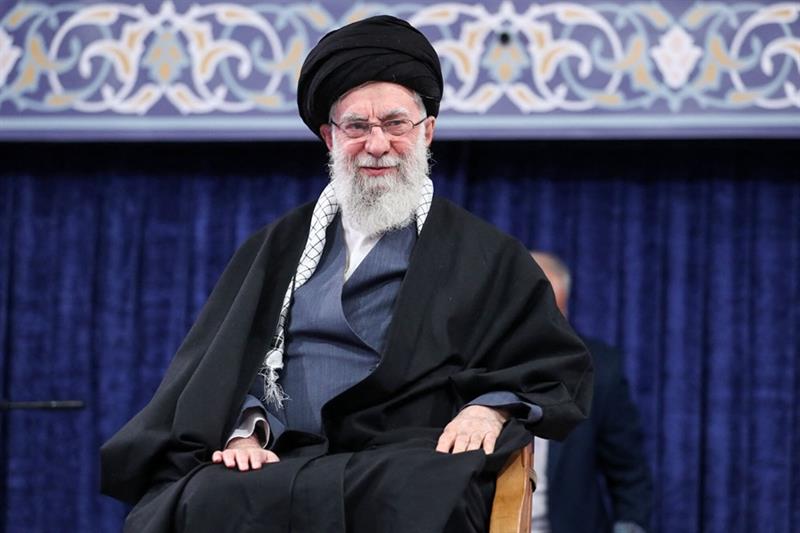
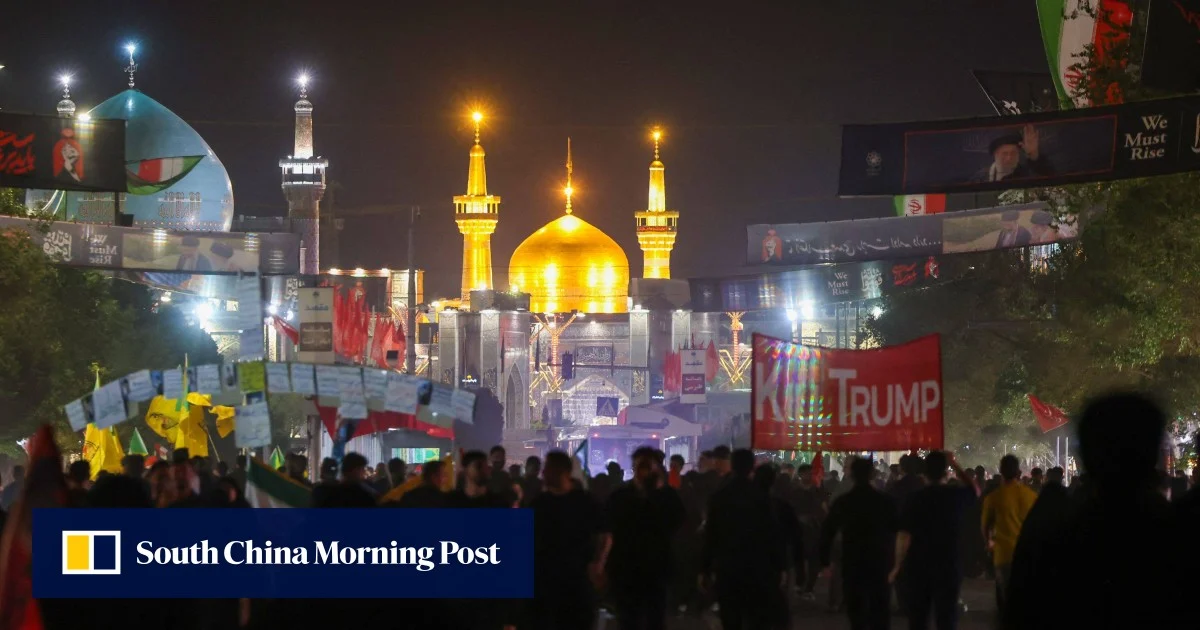
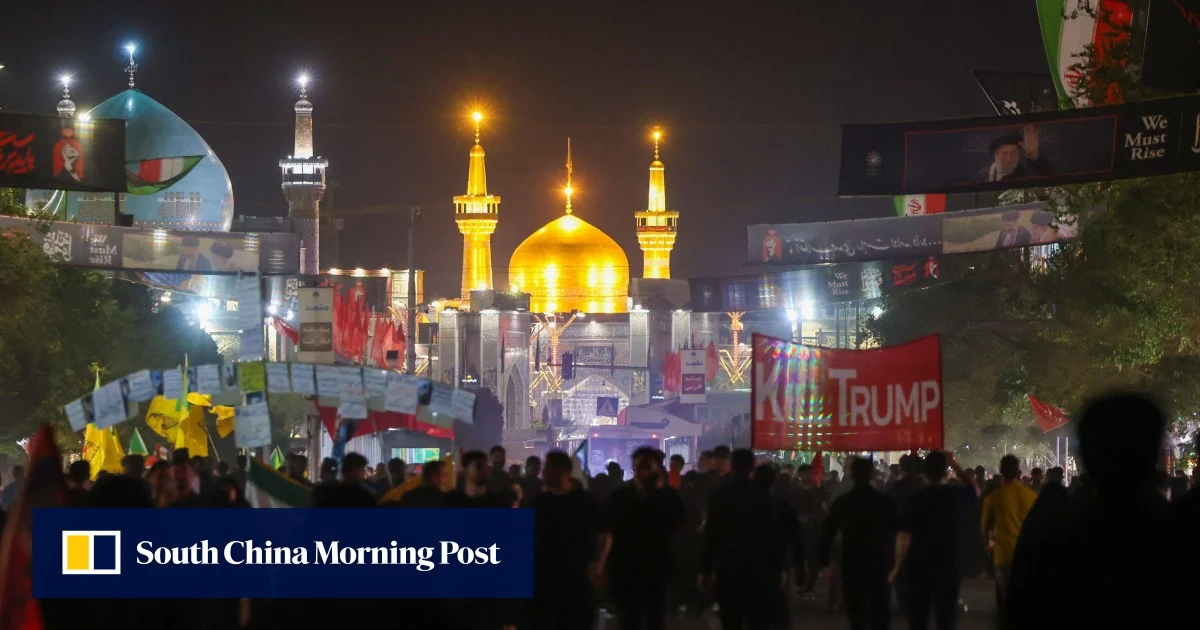
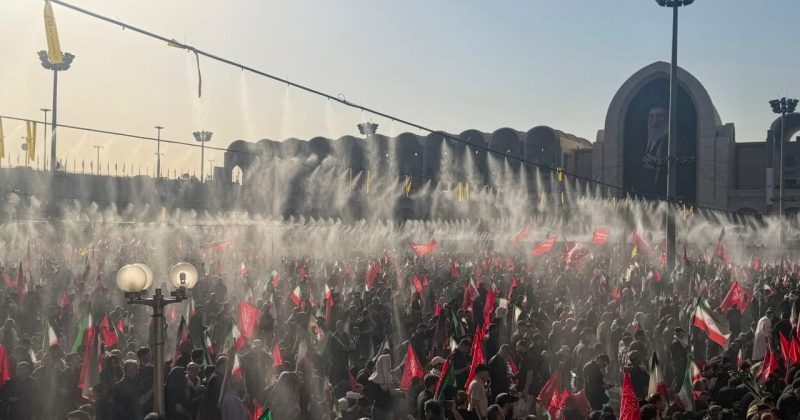
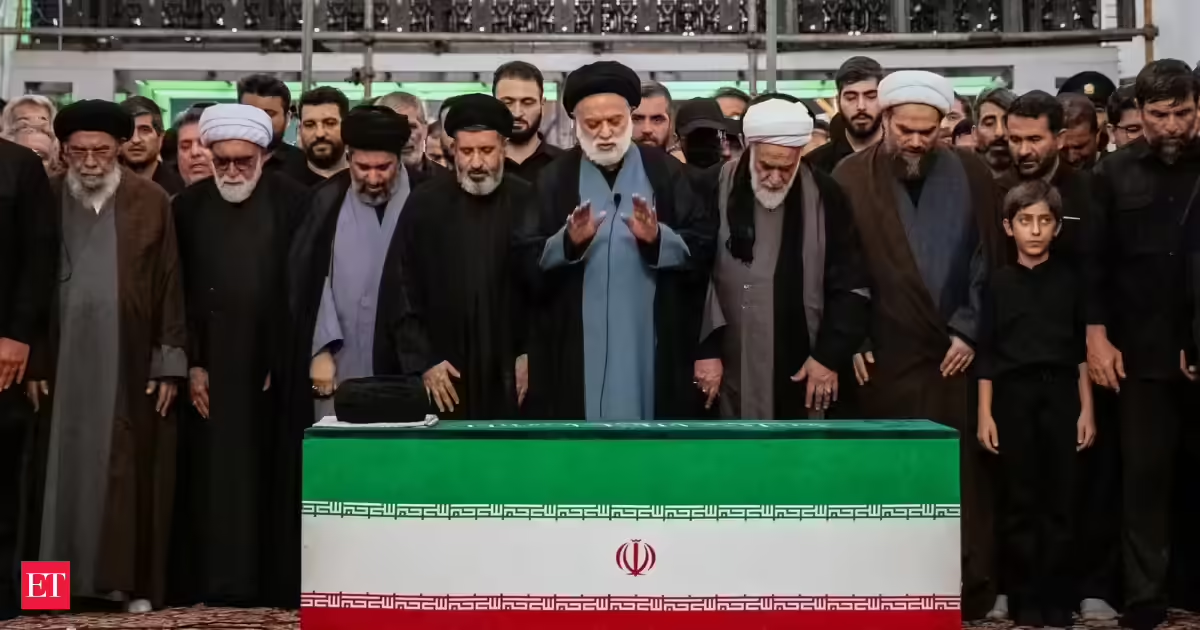
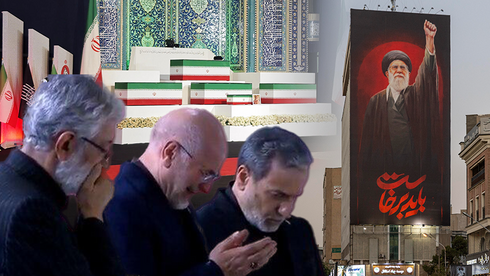
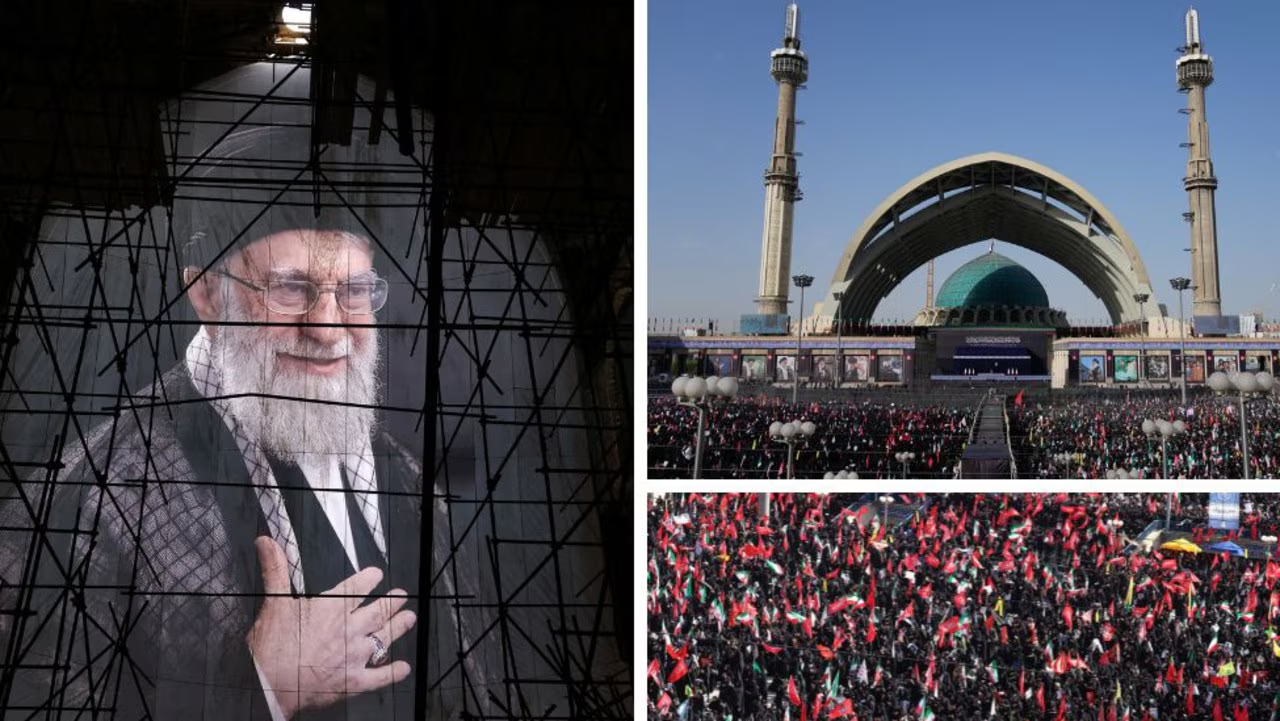
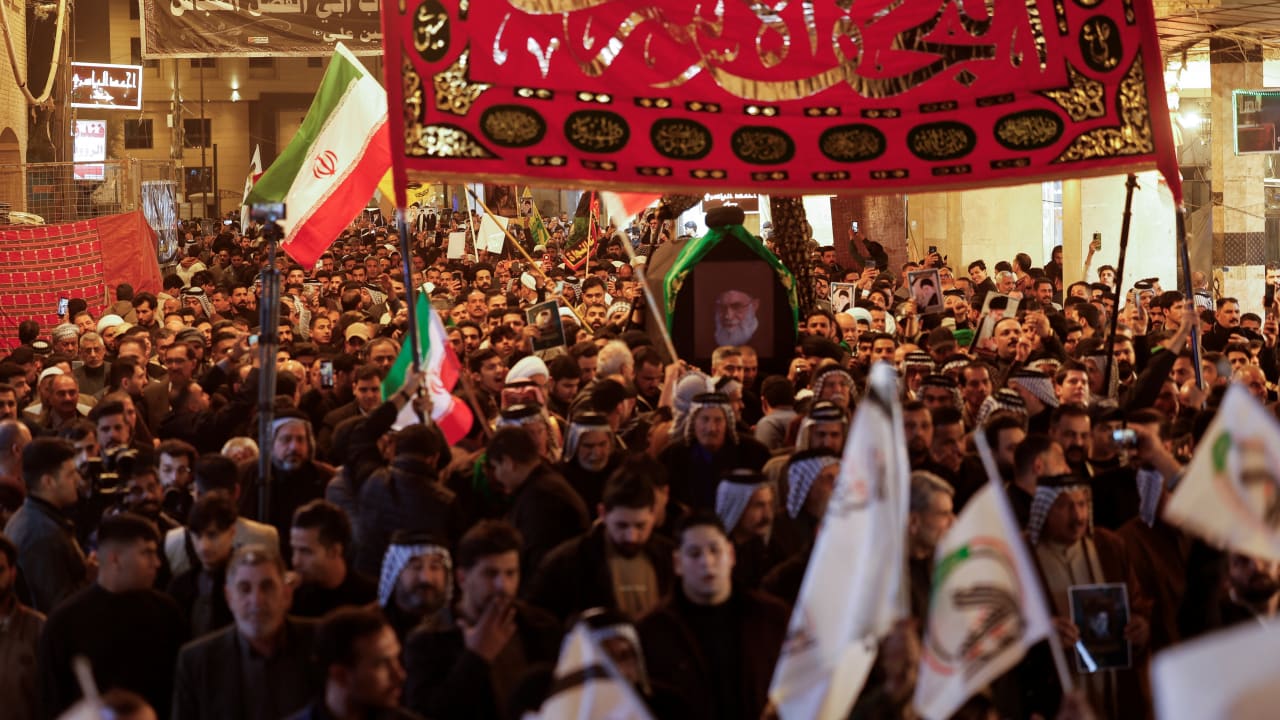
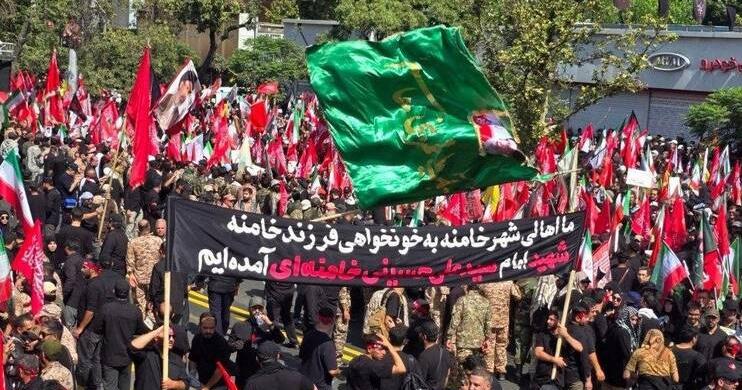
These were the verses chanted at the Tehran Musalla, demanding retribution against the killers of the Islamic Republic’s former leader. Since July 2, the Tehran Musalla has hosted an expansive funerary sequence for the late Supreme Leader, “Seyyed Ali Khamenei,” a massive state ritual dominated by participants waving crimson flags, the traditional Shia symbol of blood-vengeance and unfulfilled retaliation.
The environment is so heavily saturated with these red banners that even Ebrahim Azizi, the Chairman of Parliament’s National Security and Foreign Policy Committee, remarked, “The world must know that we will avenge our martyred leader, our commanders, and our martyred populace. The message of this ceremony at the Tehran Musalla is strictly a message of revenge.”
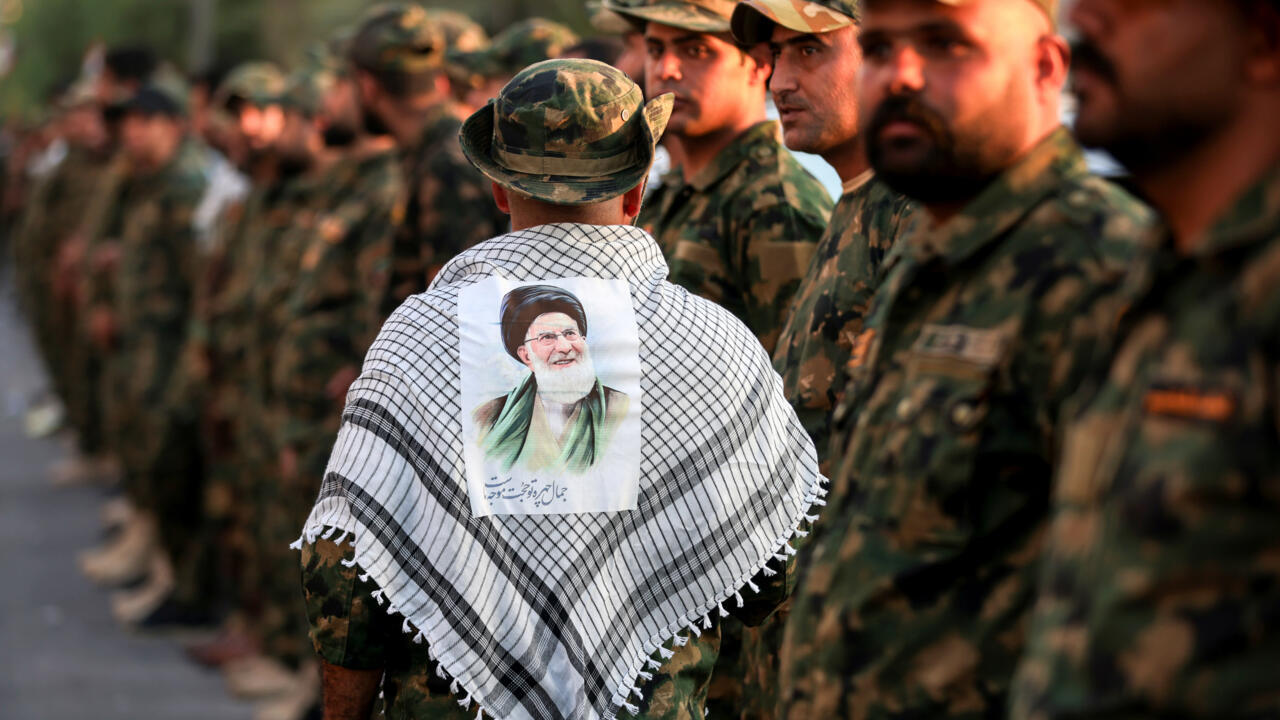
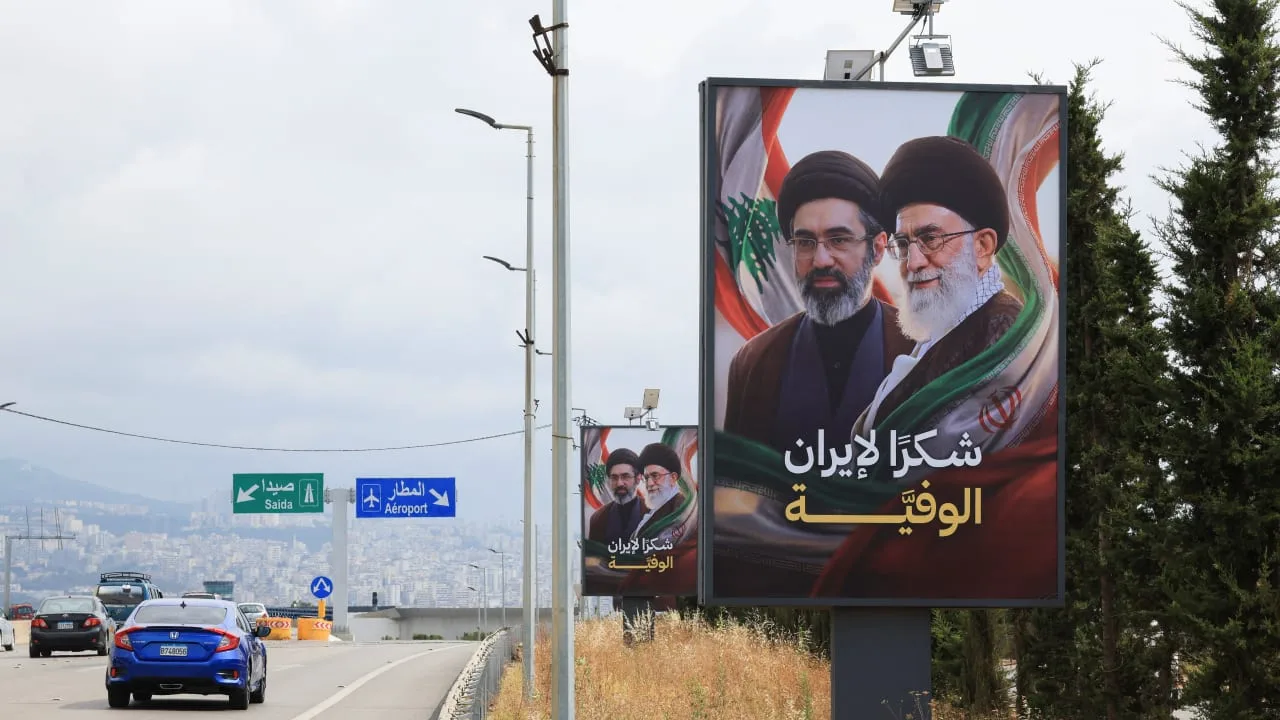
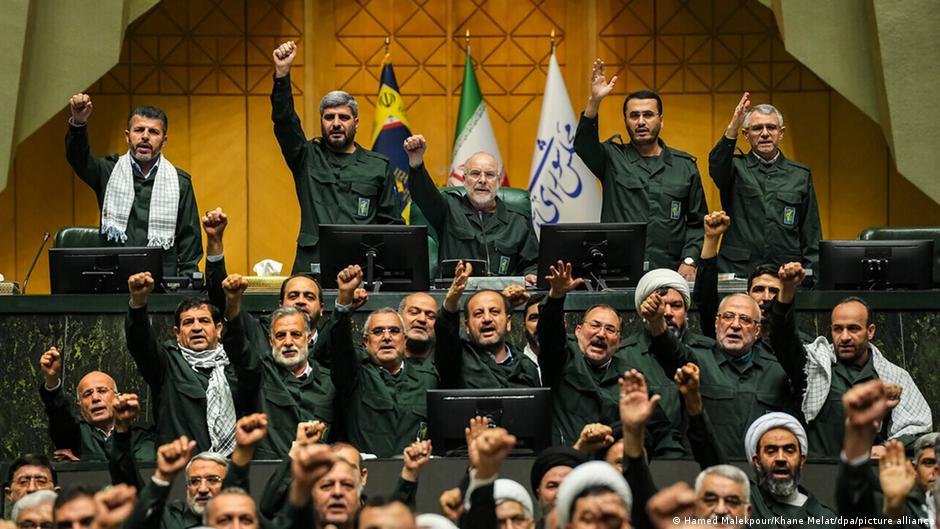
Yet beneath this seemingly uniform facade of state-orchestrated fury, a stark contradiction looms: the Islamic Republic is simultaneously engaged in backchannel negotiations with the United States. This duality has ignited controlled friction within the regime’s power structure. While the system’s loyalist base demands an unconditional military response, state officials are actively attempting to reframe the concept of “blood-vengeance,” shifting it from an immediate military imperative into a diplomatic leverage tool to ensure the regime’s long-term survival.