OPEC+ just announced its fourth consecutive monthly increase to oil production quotas, adding 188,000 barrels per day starting in July 2026. On the surface, that reads like a cartel flooding the market. Look a little closer and the picture gets murkier.
The June 7 announcement from core members including Saudi Arabia and Russia follows a 206,000 bpd hike in May and similar adjustments in prior months. Alliance output in April averaged 33.19 million bpd, a number constrained not by lack of ambition but by the physical impossibility of moving oil through a war zone.
The Strait problem
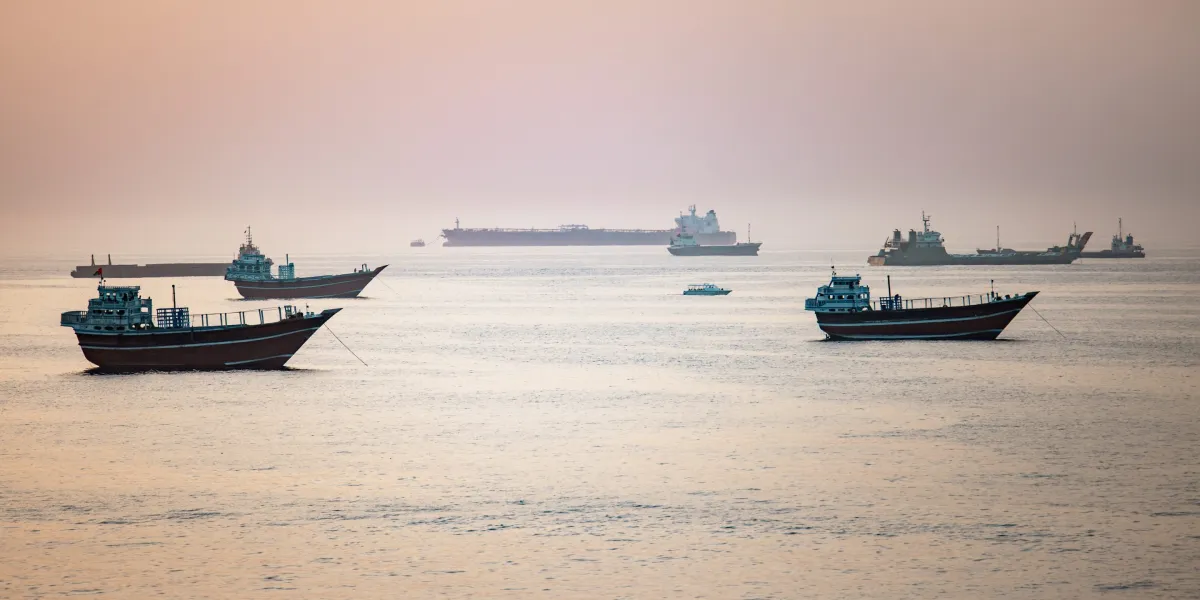
You can raise quotas all you want, but if the Strait of Hormuz is effectively blocked by the ongoing US-Israel-Iran conflict, those extra barrels have nowhere to go. Roughly a fifth of global oil supply typically transits through that narrow waterway connecting the Persian Gulf to the open ocean.
Gulf producers, the very members most eager to pump more crude, face logistical restrictions that make ramping up actual output a non-starter. These quota increases are more symbolic than substantive, signaling internal cohesion within the alliance rather than a genuine shift in global supply dynamics.