OPEC+ just agreed to pump more oil. Whether that oil actually reaches anyone is a different question entirely.
Seven key member countries, including Saudi Arabia, Russia, Iraq, Kuwait, Kazakhstan, Algeria, and Oman, met virtually on June 7 and decided to raise production quotas by 188,000 barrels per day starting in July 2026. It’s the fourth consecutive monthly increase as the group gradually unwinds voluntary supply cuts first imposed back in 2023. The problem: exports from the Persian Gulf remain constrained by ongoing tensions around the Strait of Hormuz, turning what should be a meaningful supply signal into something closer to a press release.
The gap between quotas and reality
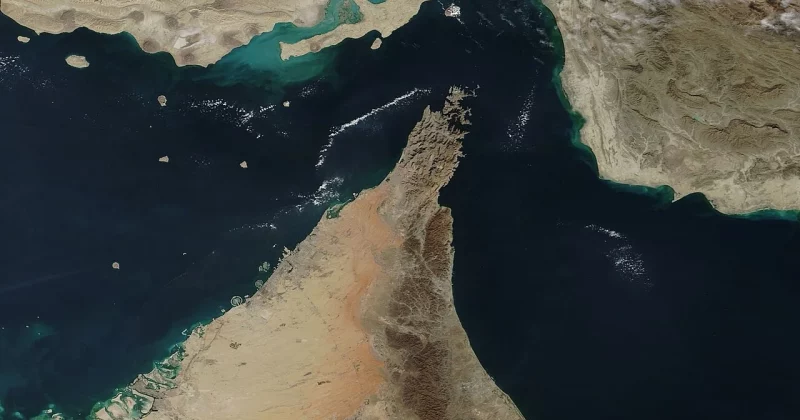
The Strait of Hormuz is the narrow waterway through which roughly a fifth of the world’s daily oil consumption typically flows. Regional tensions tied to the broader Iran conflict have created blockade conditions that limit what Gulf producers can actually export. So while Saudi Arabia and its partners signal a willingness to add supply, the market impact is muted by geography and geopolitics.
The group has also extended compliance deadlines for member countries that have been overproducing relative to their assigned quotas. Those extensions now run through the end of 2026, giving serial quota-busters like Kazakhstan more runway to align their output with agreed targets.